IN
IN₹
Apparel & Fashion
Loading subcategories...
View More
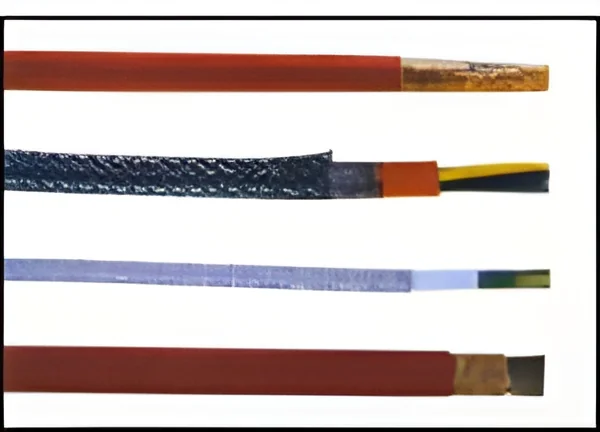
Description
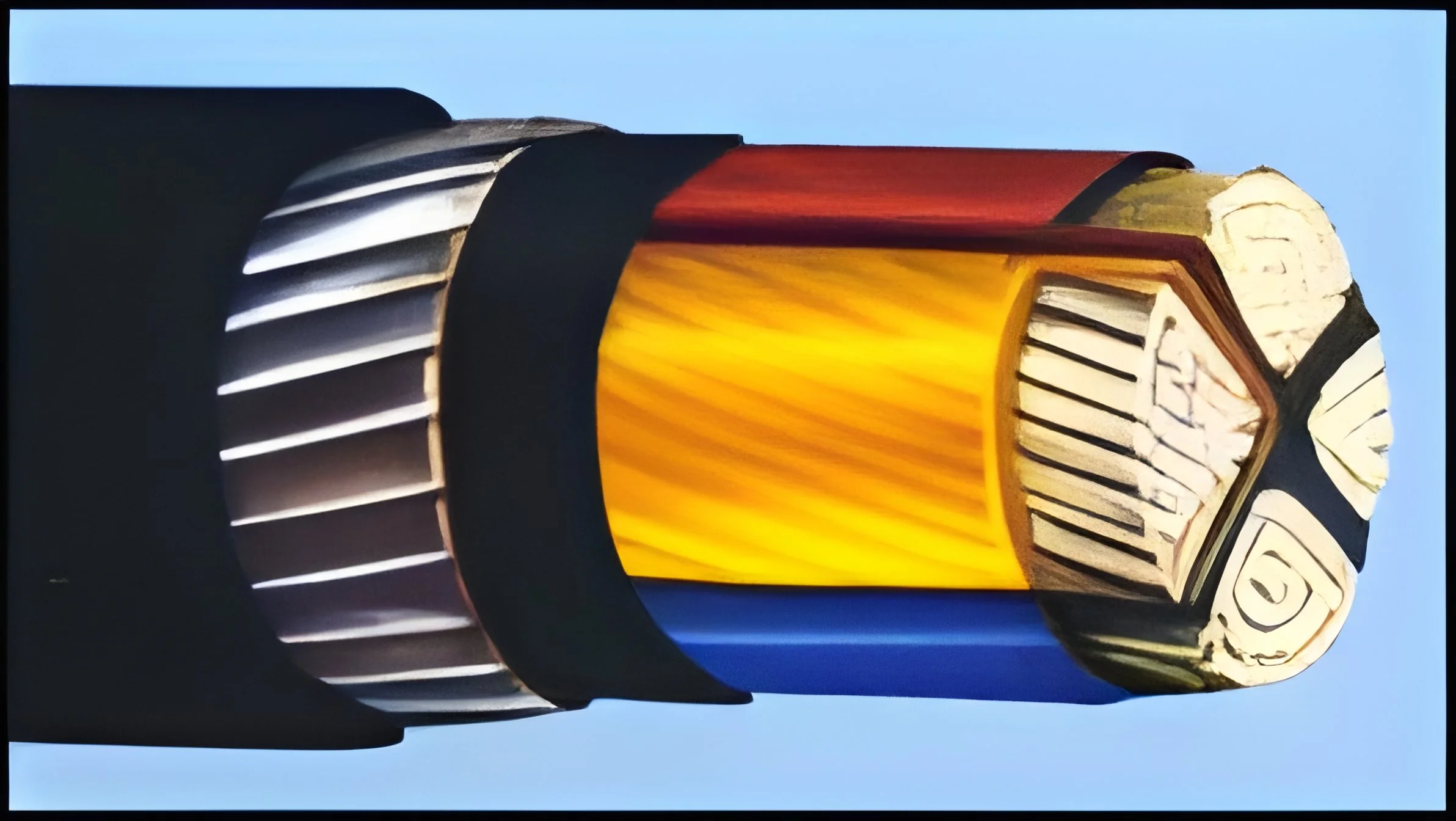
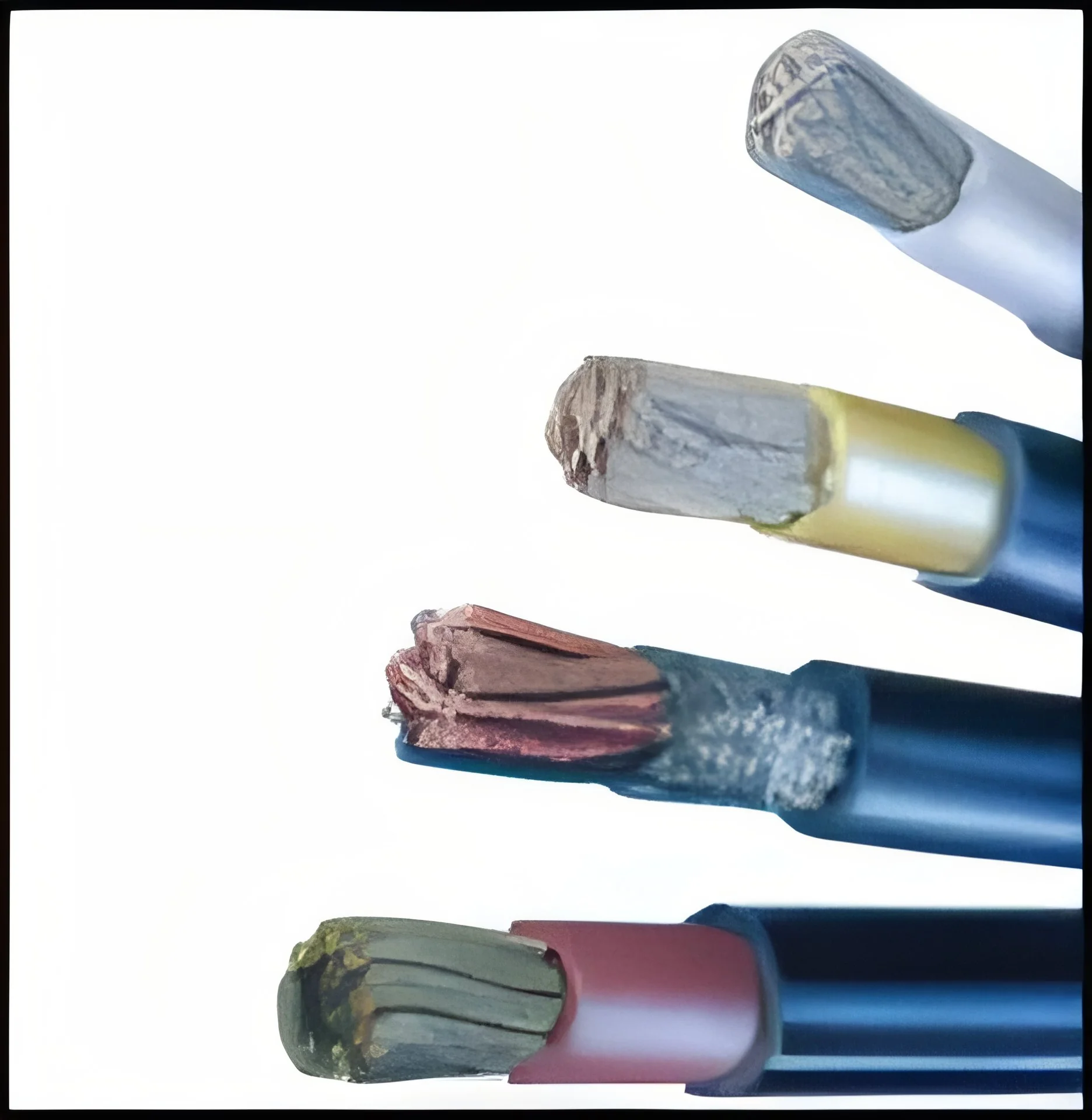
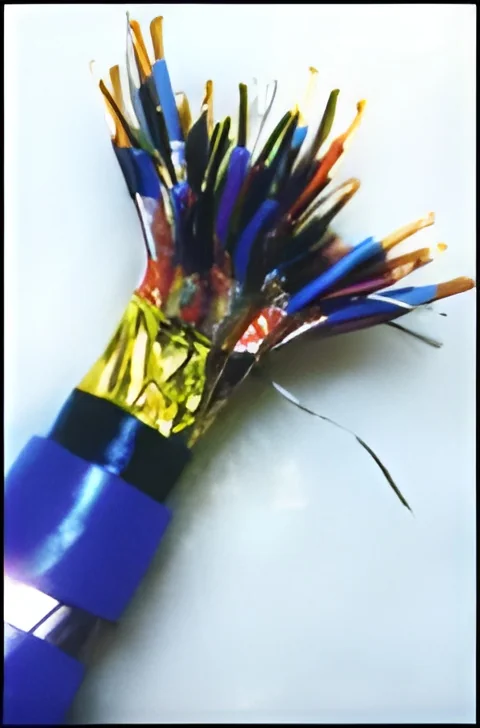
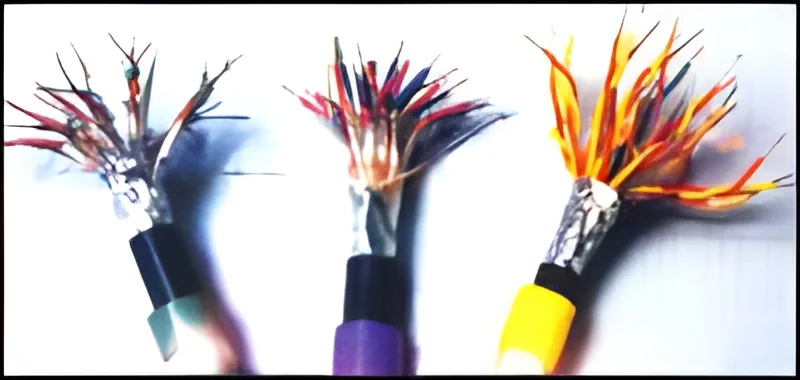
M.E.M. High Temperature Non Flammable Cables represent advanced engineering solutions for industrial applications where exposure to extreme heat presents constant operational challenges. These cables incorporate specialized insulation and sheath materials capable of withstanding continuous high temperatures without degrading, melting, or contributing to fire propagation. This engineering makes them essential components for maintaining electrical integrity and safety in the most demanding environments, from heavy manufacturing facilities to energy production plants. The product range includes various constructions utilizing high-performance materials that offer reliable solutions across broad temperature ratings and challenging environmental conditions, ensuring electrical systems remain operational when conventional cables would fail.

These specialized cables serve critical functions across numerous heavy industries facing extreme thermal operating conditions. In steel production faci...
M.E.M. High Temperature Non Flammable Cables represent advanced engineering solutions for industrial applications where exposure to extreme heat presents constant operational challenges. These cables incorporate specialized insulation and sheath materials capable of withstanding continuous high temperatures without degrading, melting, or contributing to fire propagation. This engineering makes them essential components for maintaining electrical integrity and safety in the most demanding environments, from heavy manufacturing facilities to energy production plants. The product range includes various constructions utilizing high-performance materials that offer reliable solutions across broad temperature ratings and challenging environmental conditions, ensuring electrical systems remain operational when conventional cables would fail.

These specialized cables serve critical functions across numerous heavy industries facing extreme thermal operating conditions. In steel production facilities, they are deployed in blast furnaces, coke ovens, and melting shops where temperatures regularly exceed safe limits for standard wiring. The glass, ceramic, and cement manufacturing sectors depend on them for kiln operations and processing furnaces where consistent high heat is essential to production processes. They are equally vital in power generation, including thermal and nuclear plants, for boiler applications and reactor areas. The petrochemical and oil refining industries utilize them in high-heat process zones, while shipbuilding, aircraft manufacturing, and aluminum extrusion plants specify them for high-temperature areas where electrical reliability cannot be compromised.

For industrial procurement professionals, these cables represent a strategic investment in operational reliability, personnel safety, and risk management. Their non-flammable characteristics directly reduce fire hazards, protecting both workforce and valuable capital equipment from thermal-related incidents. The ability to perform reliably under extreme heat conditions minimizes unplanned production interruptions caused by cable failure, leading to improved operational continuity and significant cost savings over time. M.E.M.'s established reputation for quality and reliability ensures these cables meet stringent industry standards for high-temperature applications, providing peace of mind that electrical systems will perform as required even in the most thermally challenging environments.

Key Features:
- Constructed with specialized high-temperature insulation materials for extreme heat resistance
- Engineered to be non-flammable and self-extinguishing to reduce fire hazards
- Maintains electrical integrity and performance during continuous high heat exposure
- Robust construction resistant to thermal aging and harsh industrial conditions
- Available in various constructions to meet specific temperature and environmental requirements

Benefits:
- Enhanced operational safety through reduced fire risks in high-temperature environments
- Minimized production downtime by preventing heat-related cable failures
- Protection of valuable equipment and infrastructure from heat damage
- Consistent electrical performance under extreme thermal stress conditions
- Long-term reliability reducing replacement costs and maintenance requirements
Specifications
| Additional Information | |
|---|---|
| Country of Origin | India |
| Customisable | No |
Application
M.E.M. High Temperature Non Flammable Cables are engineered specifically for extreme heat environments where standard electrical cables would quickly fail. They maintain structural integrity and electrical performance during continuous high heat exposure, direct flame contact, and demanding industrial operating conditions. This ensures uninterrupted operations while enhancing overall facility safety protocols and reducing fire hazards in critical infrastructure.
These specialized cables provide dependable power and signal transmission across heavy industries operating under intense thermal stress. They are designed for applications involving molten material handling, high-temperature processing systems, and areas with significant combustion risks. The cables support both operational safety and productivity by preventing electrical failures that could lead to costly downtime, equipment damage, or safety incidents in thermally challenging environments.
- Power and control circuits within steel mill blast furnaces and rolling mill operations
- Electrical systems for glass manufacturing kilns and ceramic production furnaces
- Critical instrumentation wiring in petrochemical refineries and processing plants
- Boiler and heater applications in thermal power generation facilities
- High-temperature zones in shipbuilding, aerospace manufacturing, and aluminum production
Trade Details
| Available Stock | In Stock |
| Sample Availability | No |
Payment Terms
| Payment Terms |
|
Company Profile
M E M Industries, West Bengal
 West Bengal, India
West Bengal, IndiaElectronics & Electrical•Manufacturer
Factory Details
Factory SizeBelow 1000 sqm
Annual Production Capacity0
Main Markets
South Asia
Industrial High Temperature Non Flammable Cables for Extreme Heat Safety
M.E.M. High Temperature Non Flammable Cables provide superior heat resistance and safety for extreme industrial environments. These reliable cables ensure consistent performance in critical applications where fire risk is a concern.
Min. Order Quantity: 1 unit
Shipping
Shipping fee and delivery date to be negotiated. Contact supplier now for more details.
M E M Industries
 West Bengal, India
West Bengal, IndiaElectronics & ElectricalManufacturer