IN
IN₹
Apparel & Fashion
Loading subcategories...
View More
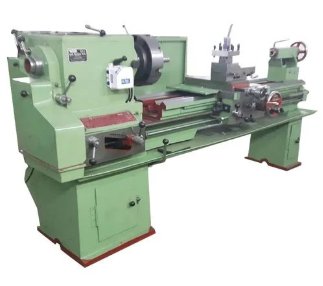
Description
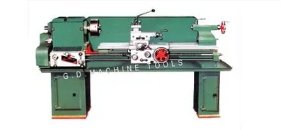
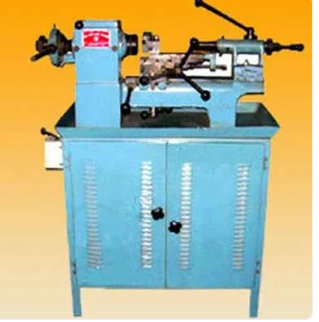
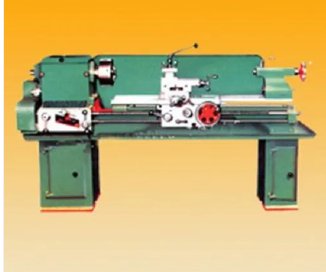
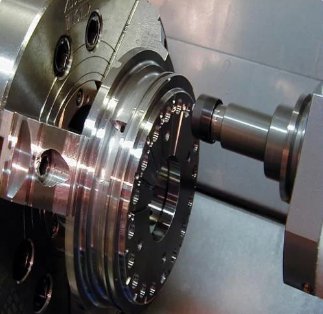
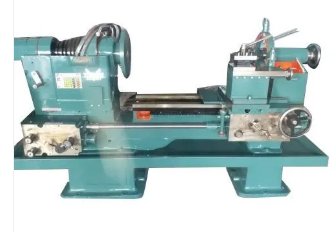
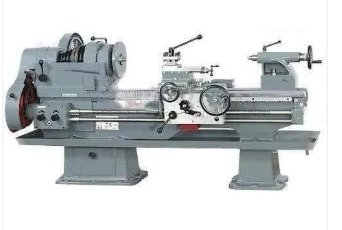
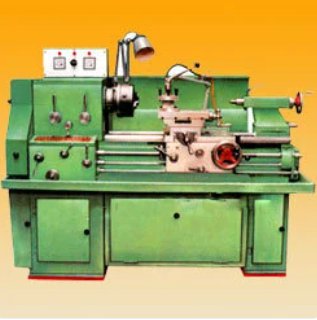
Heavy duty lathes represent the pinnacle of industrial machining equipment, specifically engineered to handle the most demanding manufacturing requirements. These machines feature reinforced bed construction, high-torque motor systems, and precision components designed for continuous operation under substantial loads. Unlike standard lathes, they accommodate significantly larger workpieces while maintaining exceptional stability and accuracy throughout extended machining cycles. The robust design incorporates heavy-duty spindle assemblies, reinforced carriage systems, and vibration-dampening features that ensure consistent performance even when processing tough materials like hardened steel, alloys, and large castings. This equipment stands as a cornerstone for operations where scale, precision, and reliability cannot be compromised.

Across heavy engineering sectors, these lathes serve critical functions in transforming raw materials into finished components. In steel mills and metal ...
Heavy duty lathes represent the pinnacle of industrial machining equipment, specifically engineered to handle the most demanding manufacturing requirements. These machines feature reinforced bed construction, high-torque motor systems, and precision components designed for continuous operation under substantial loads. Unlike standard lathes, they accommodate significantly larger workpieces while maintaining exceptional stability and accuracy throughout extended machining cycles. The robust design incorporates heavy-duty spindle assemblies, reinforced carriage systems, and vibration-dampening features that ensure consistent performance even when processing tough materials like hardened steel, alloys, and large castings. This equipment stands as a cornerstone for operations where scale, precision, and reliability cannot be compromised.

Across heavy engineering sectors, these lathes serve critical functions in transforming raw materials into finished components. In steel mills and metal fabrication plants, they machine rolls, shafts, and large structural elements with precision tolerances. Energy sector manufacturers rely on them for producing turbine components, valve bodies, and pipeline fittings that meet stringent industry standards. Transportation industries utilize heavy duty lathes for creating large gear blanks, axle components, and custom parts for rail, marine, and heavy vehicle applications. The machines' capacity to handle substantial workpieces makes them essential for shipbuilding, where they shape propeller shafts, rudder stocks, and other marine components requiring exact specifications.

The business value of heavy duty lathes extends beyond their machining capabilities to encompass operational reliability and long-term cost efficiency. These machines reduce production bottlenecks by enabling single-setup machining of large components that would otherwise require multiple operations or specialized equipment. Their durable construction minimizes maintenance requirements and extends service life, providing consistent return on investment through years of dependable operation. The precision engineering ensures reduced material waste and improved part quality, directly impacting manufacturing efficiency and end-product reliability. For operations requiring continuous production cycles, these lathes offer the stability and performance consistency that translate to predictable output, schedule adherence, and customer satisfaction.

Key Features:
- Reinforced bed construction with high-grade cast iron for maximum stability and vibration resistance
- High-torque motor systems designed for continuous operation under substantial loads
- Large swing capacity and extended bed length to accommodate oversized workpieces
- Precision spindle assemblies with heavy-duty bearings for accurate rotational control
- Robust carriage and cross-slide systems with enhanced rigidity for consistent cutting performance

Benefits:
- Enables machining of large components in single setups, reducing production time and handling
- Maintains dimensional accuracy and surface finish quality even during extended operation periods
- Provides reliable performance with minimal downtime through durable construction and quality components
- Supports continuous production cycles essential for meeting high-volume manufacturing demands
- Delivers long-term value through extended service life and consistent machining capabilities
Specifications
| Additional Information | |
|---|---|
| Country of Origin | India |
| Customisable | No |
Application
Heavy duty lathes serve as essential equipment in industries requiring precision machining of large-scale metal components. Their robust construction enables handling of substantial workpieces that standard machines cannot accommodate, making them indispensable for operations where size and material strength present significant challenges.
These machines excel in environments demanding uninterrupted production cycles and consistent output quality. From shaping raw materials to finishing complex parts, heavy duty lathes maintain dimensional accuracy and surface finish standards even under prolonged use, supporting manufacturing processes that cannot afford downtime or quality variations.
Real-world applications:
- Machining large diameter shafts and rolls for steel mills and metal processing plants
- Manufacturing heavy equipment components like gear blanks, flanges, and cylinder liners
- Producing large valve bodies and fittings for oil, gas, and petrochemical industries
- Creating turbine components and generator parts for power generation facilities
- Fabricating structural elements and custom parts for shipbuilding and marine engineering
Trade Details
| Available Stock | In Stock |
| Sample Availability | No |
Payment Terms
| Payment Terms |
|
| Payment Methods |
|
Company Profile

G.D. Machine Tools, New Delhi
 New Delhi, India
New Delhi, IndiaManufacturer
Factory Details
Factory SizeBelow 1000 sqm
Heavy Duty Lathes for Industrial Manufacturing
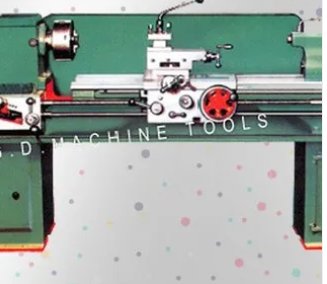
Heavy Duty Lathes for industrial manufacturing deliver high load capacity and continuous operation, engineered for machining large metal components with reinforced construction and powerful motor systems.
Min. Order Quantity: 1 piece
Shipping
Shipping fee and delivery date to be negotiated. Contact supplier now for more details.
G.D. Machine Tools
 New Delhi, India
New Delhi, IndiaManufacturer