IN
IN₹
Apparel & Fashion
Loading subcategories...
View More
Description
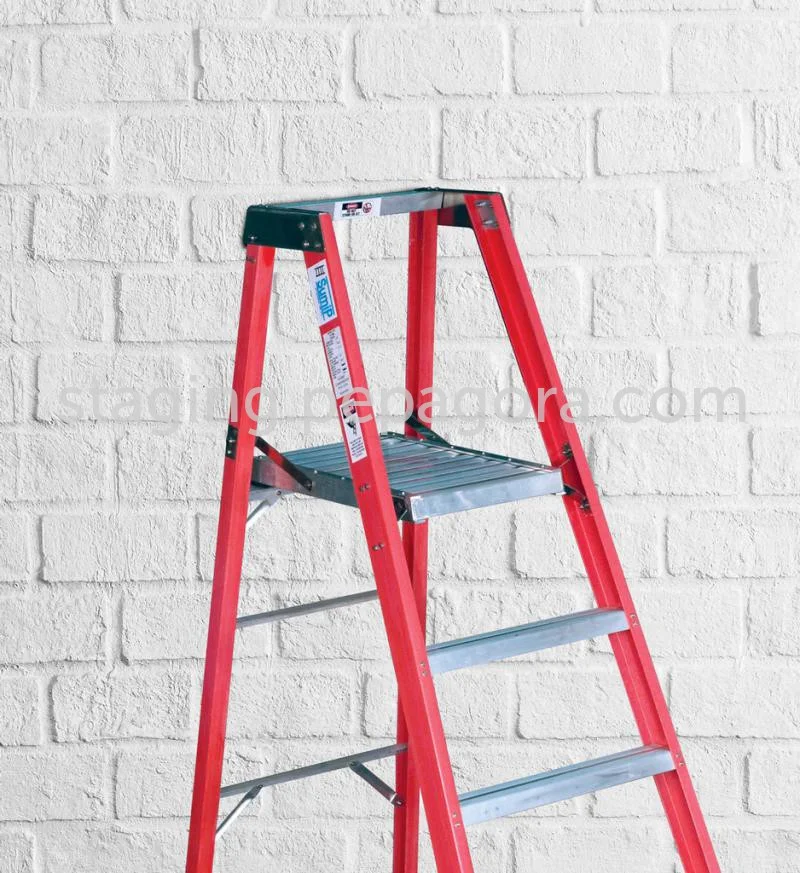
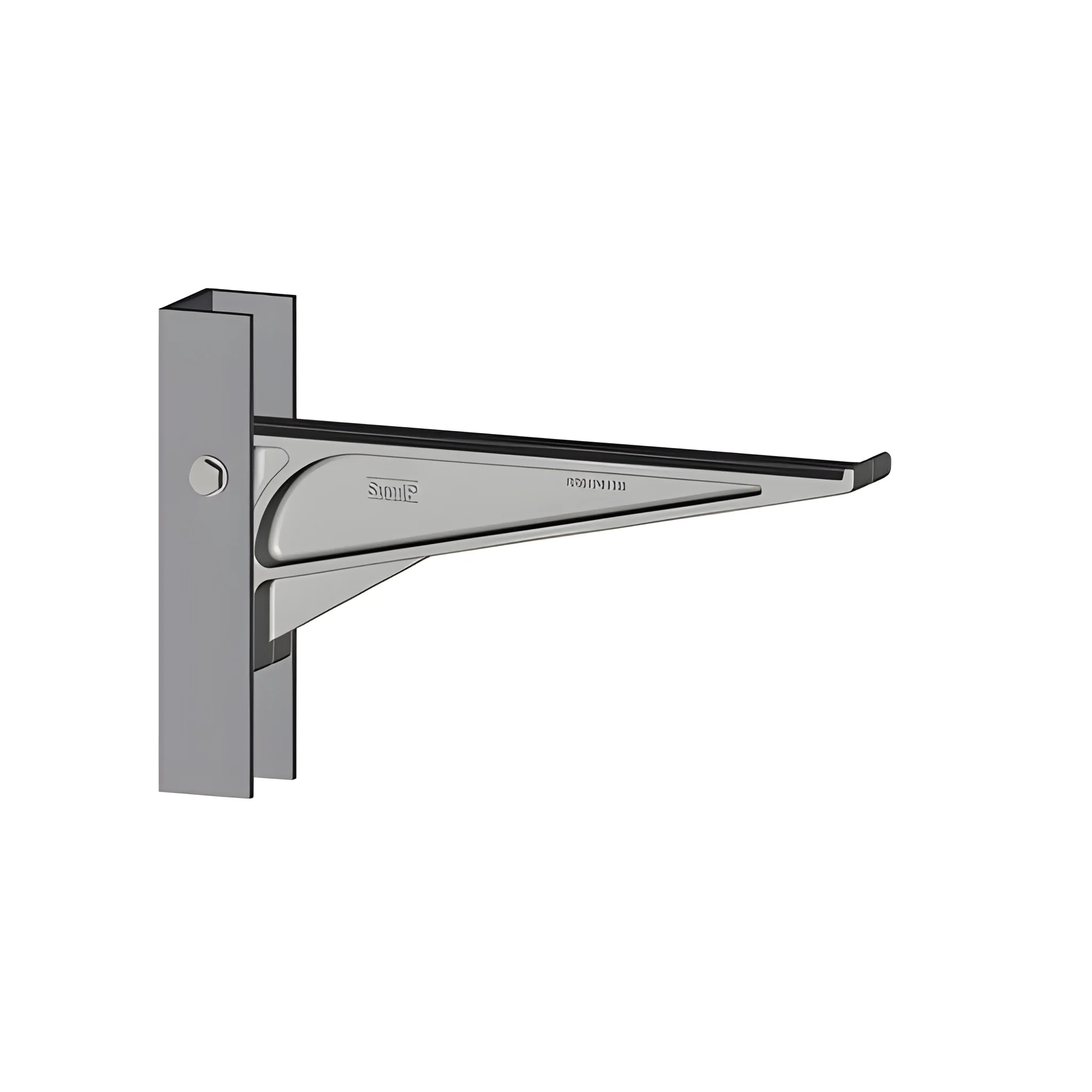
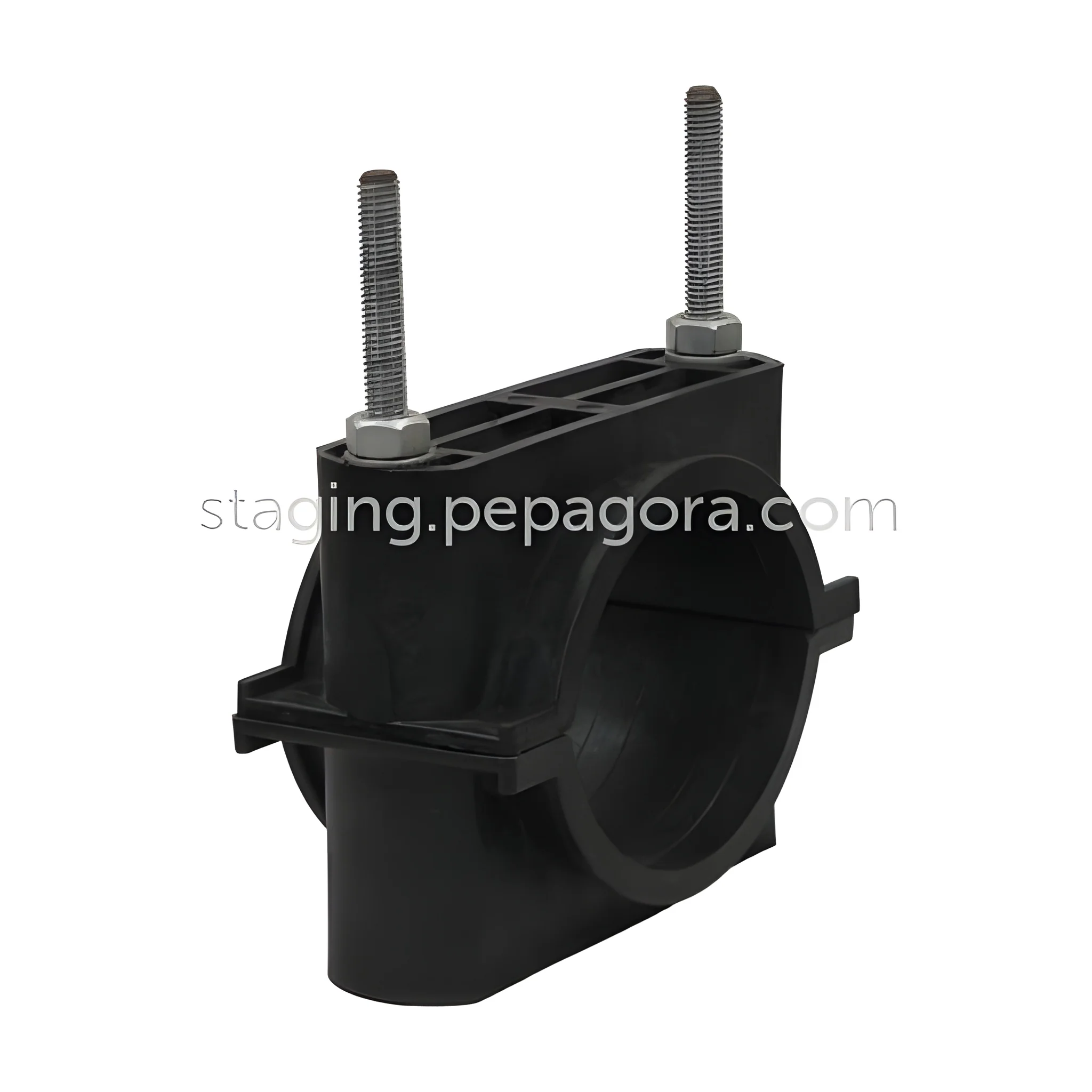
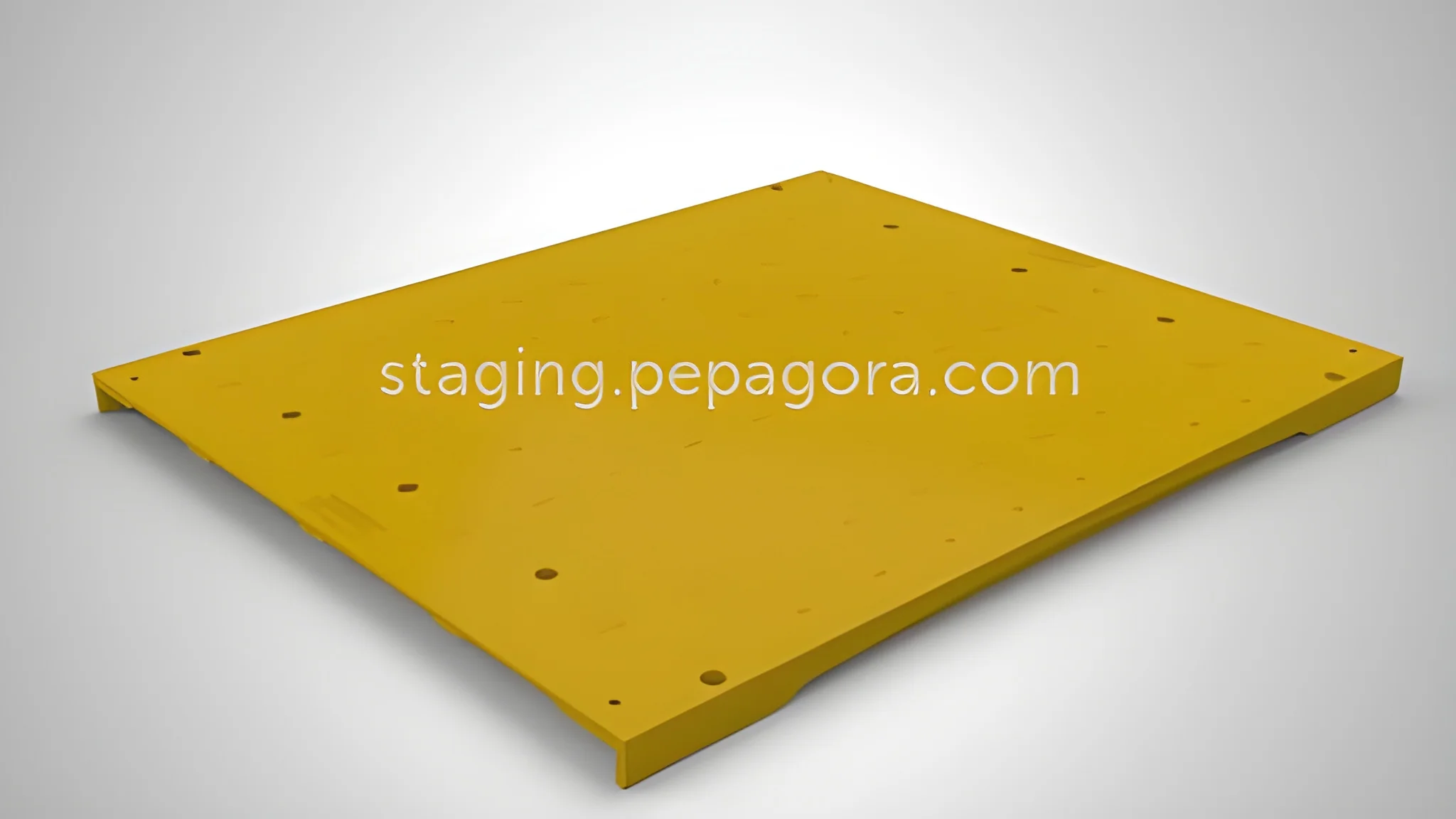
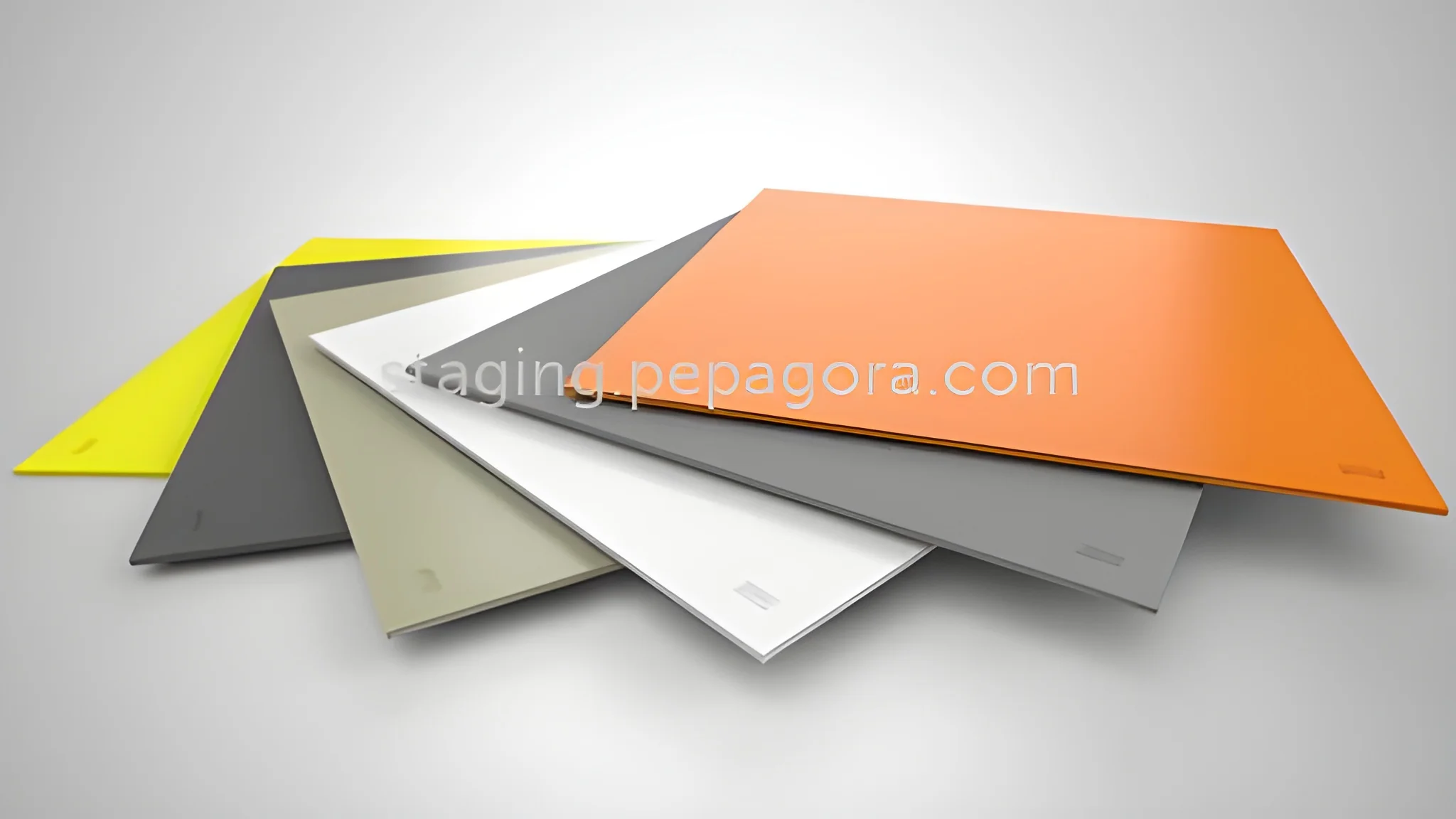
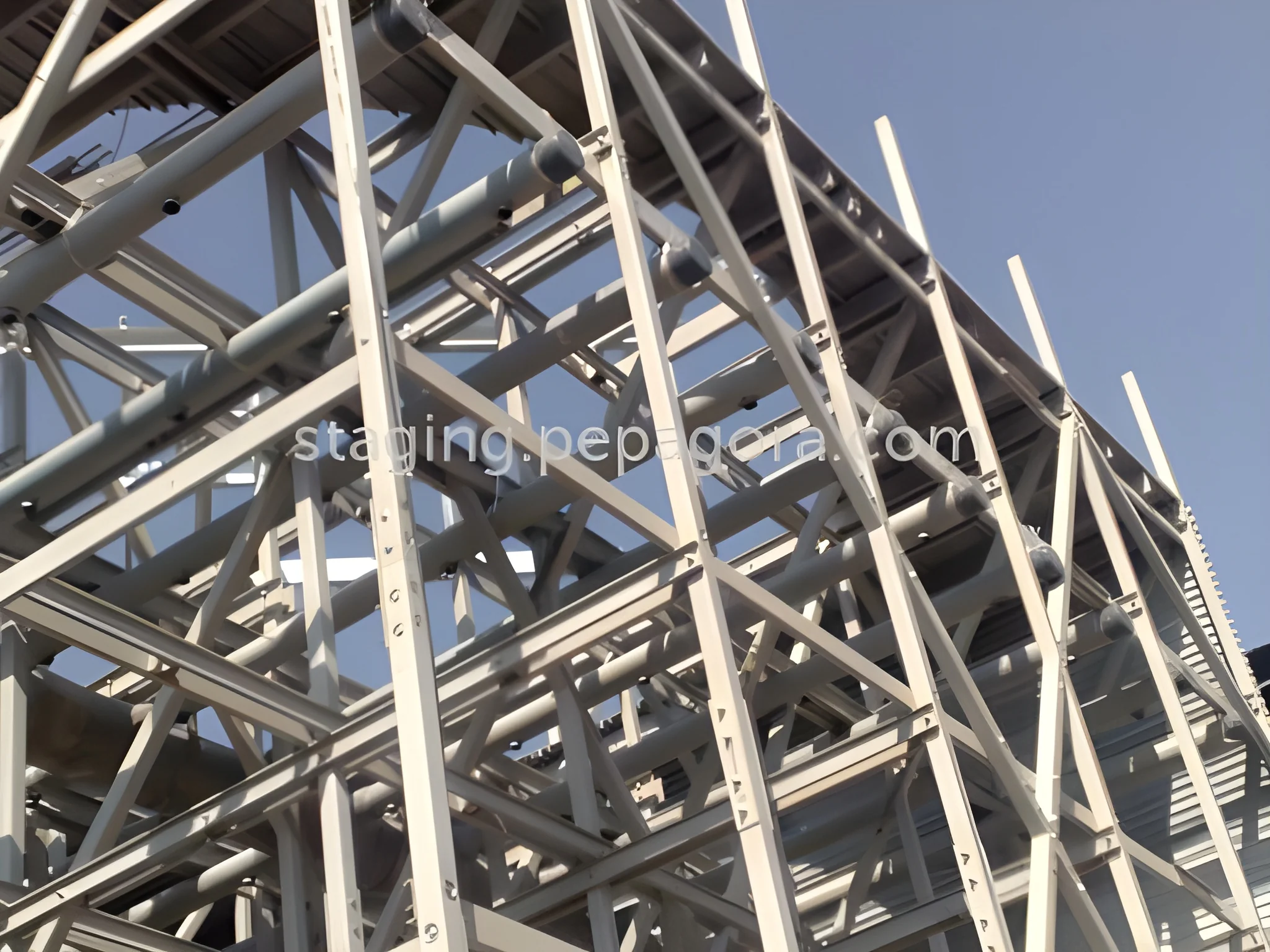
GRP Profiles represent the next generation of structural components, engineered from high-quality Glass Reinforced Plastic composite materials that combine exceptional strength with remarkable lightweight properties. These profiles are manufactured through advanced pultrusion processes that ensure consistent quality, dimensional stability, and superior mechanical performance across all product ranges. Unlike traditional materials, GRP profiles maintain their structural integrity in challenging environments while offering design flexibility through customizable shapes including angles, channels, I-beams, tubes, and custom profiles tailored to specific project requirements. The material's inherent corrosion resistance eliminates the need for protective coatings or regular maintenance, making it a cost-effective long-term solution for demanding applications.

Across industrial sectors, GRP profiles have become the material of choice for applications where conventional metals face limitati...
GRP Profiles represent the next generation of structural components, engineered from high-quality Glass Reinforced Plastic composite materials that combine exceptional strength with remarkable lightweight properties. These profiles are manufactured through advanced pultrusion processes that ensure consistent quality, dimensional stability, and superior mechanical performance across all product ranges. Unlike traditional materials, GRP profiles maintain their structural integrity in challenging environments while offering design flexibility through customizable shapes including angles, channels, I-beams, tubes, and custom profiles tailored to specific project requirements. The material's inherent corrosion resistance eliminates the need for protective coatings or regular maintenance, making it a cost-effective long-term solution for demanding applications.

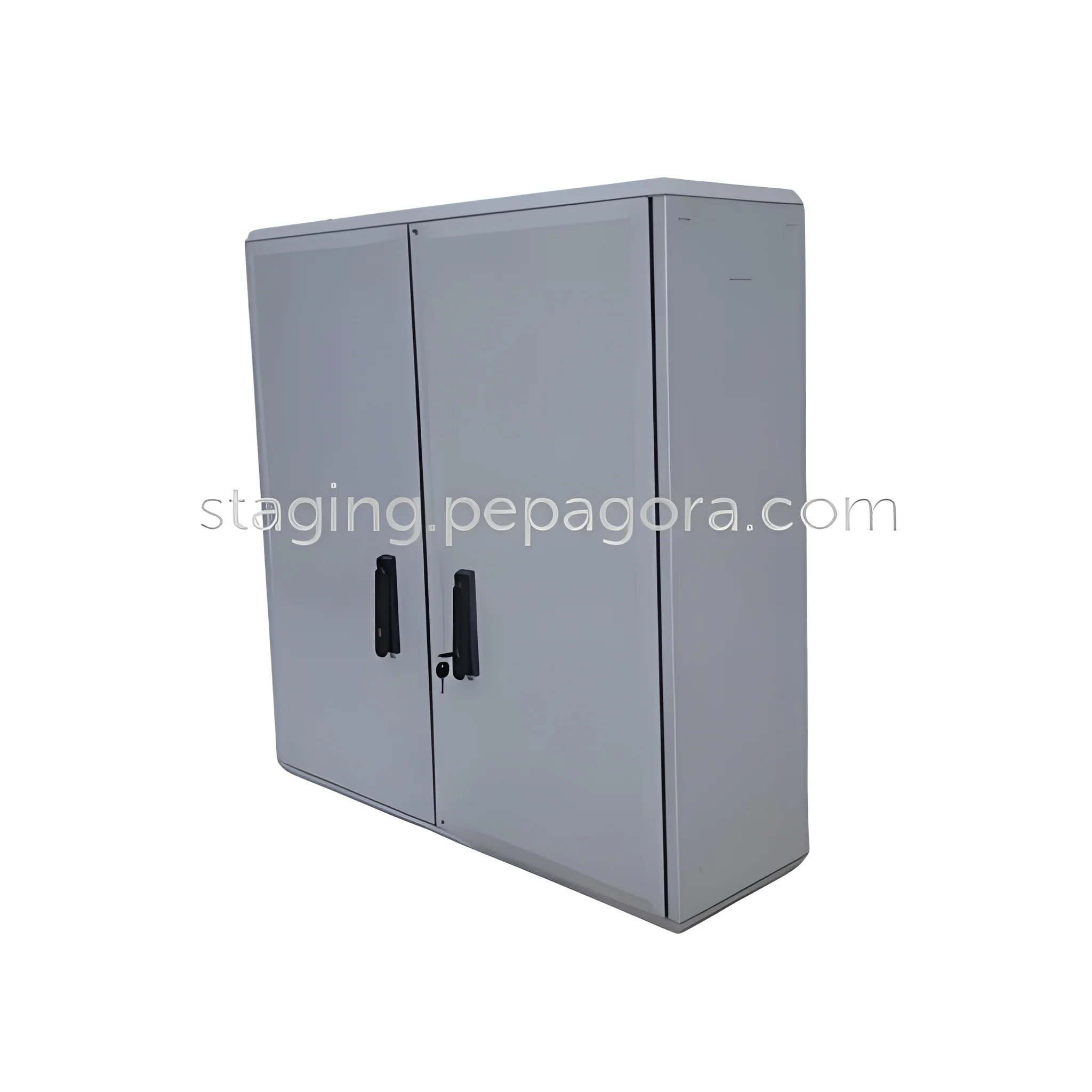
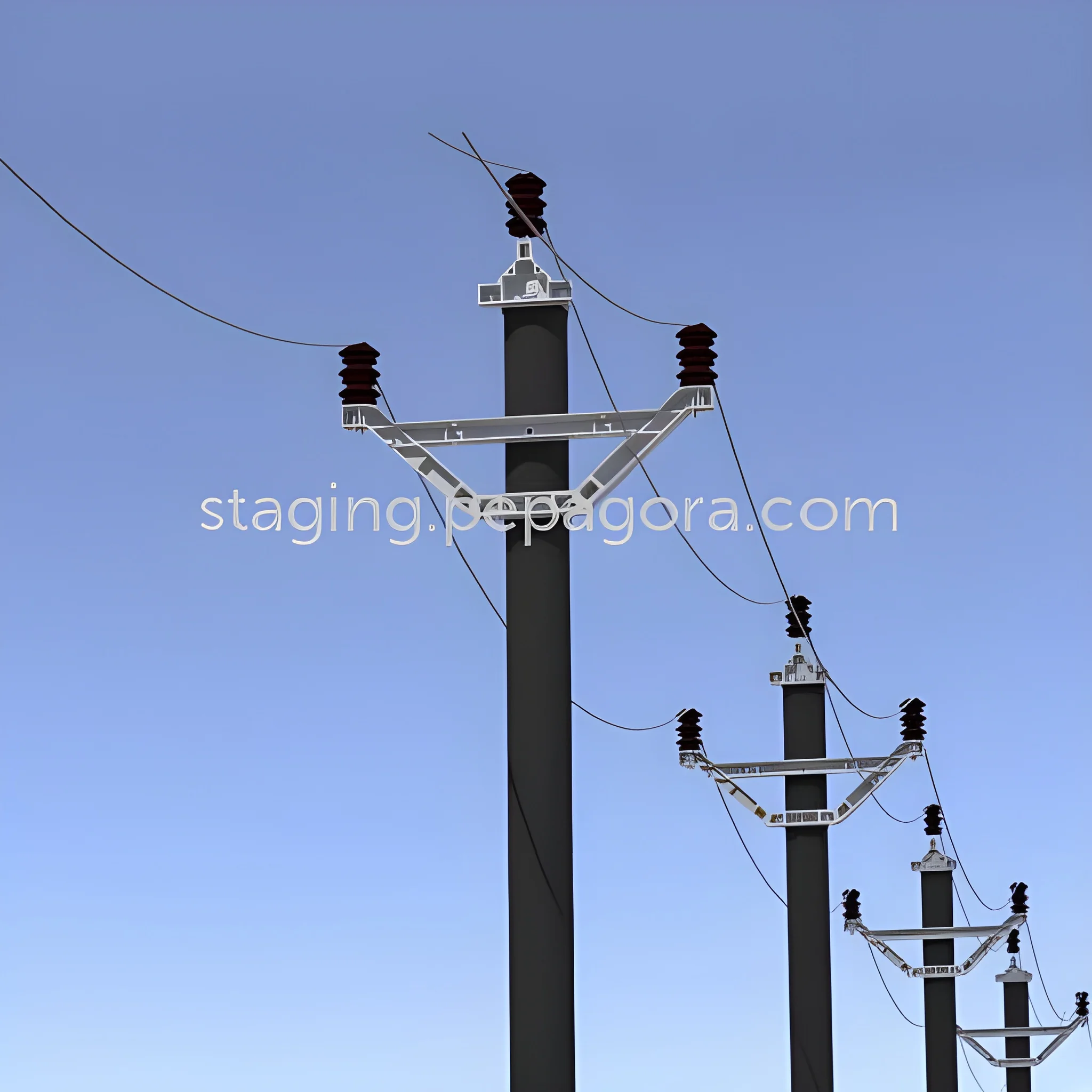
Across industrial sectors, GRP profiles have become the material of choice for applications where conventional metals face limitations. In the construction industry, they serve as structural elements for buildings exposed to coastal environments or chemical plants where salt and corrosive substances would rapidly degrade steel components. Electrical and utility companies rely on GRP profiles for cable management systems, transformer supports, and electrical enclosures where non-conductive properties are essential for safety. Marine applications utilize these profiles for dock structures, boat components, and offshore platforms where saltwater resistance is critical. The transportation sector incorporates GRP profiles in vehicle frameworks, container supports, and infrastructure elements that benefit from reduced weight without compromising strength.

The business value of GRP profiles extends beyond their technical specifications to deliver tangible operational advantages and cost savings throughout their lifecycle. These components offer exceptional reliability with a service life that often exceeds traditional materials by decades in corrosive environments, reducing replacement frequency and associated downtime. Their lightweight nature translates to easier handling, lower transportation costs, and reduced labor requirements during installation. The maintenance-free characteristics eliminate ongoing expenses for painting, coating, or corrosion treatment that typically burden operations using metallic alternatives. Customization options allow businesses to obtain precisely engineered solutions that fit specific operational needs, while the material's consistent performance ensures predictable outcomes and reduced risk in critical applications.

Key Features:
- Superior corrosion resistance withstands chemicals, saltwater, and harsh environmental conditions
- High strength-to-weight ratio provides structural integrity with easy handling and installation
- Excellent electrical insulation properties ensure safety in electrical applications
- UV resistance and weather durability maintain performance in outdoor environments
- Customizable shapes and sizes including angles, channels, beams, and tubes

Benefits:
- Reduced maintenance costs with no painting, coating, or corrosion treatment required
- Long service life exceeding traditional materials in demanding applications
- Lower installation costs due to lightweight nature and easy handling
- Enhanced safety through non-conductive properties and slip-resistant surfaces
- Cost-effective total ownership through reduced lifecycle and maintenance expenses
Specifications
| Additional Information | |
|---|---|
| SKU | GRP-PRO-001 |
| Country of Origin | 106 |
| Customisable | No |
Application
GRP profiles serve as essential structural elements across multiple industries where traditional materials fail. Their corrosion-resistant properties make them ideal for harsh environments where metal components would deteriorate quickly, ensuring long-term structural integrity without constant maintenance or replacement needs.
These versatile profiles are engineered to withstand extreme weather conditions, chemical exposure, and heavy loads while maintaining their structural properties. From industrial walkways to electrical support systems, GRP profiles provide reliable performance in applications where safety, durability, and minimal maintenance are critical requirements for operational efficiency. Real-world applications:
Real-world applications:
- Structural frameworks and support systems for industrial buildings and chemical plants
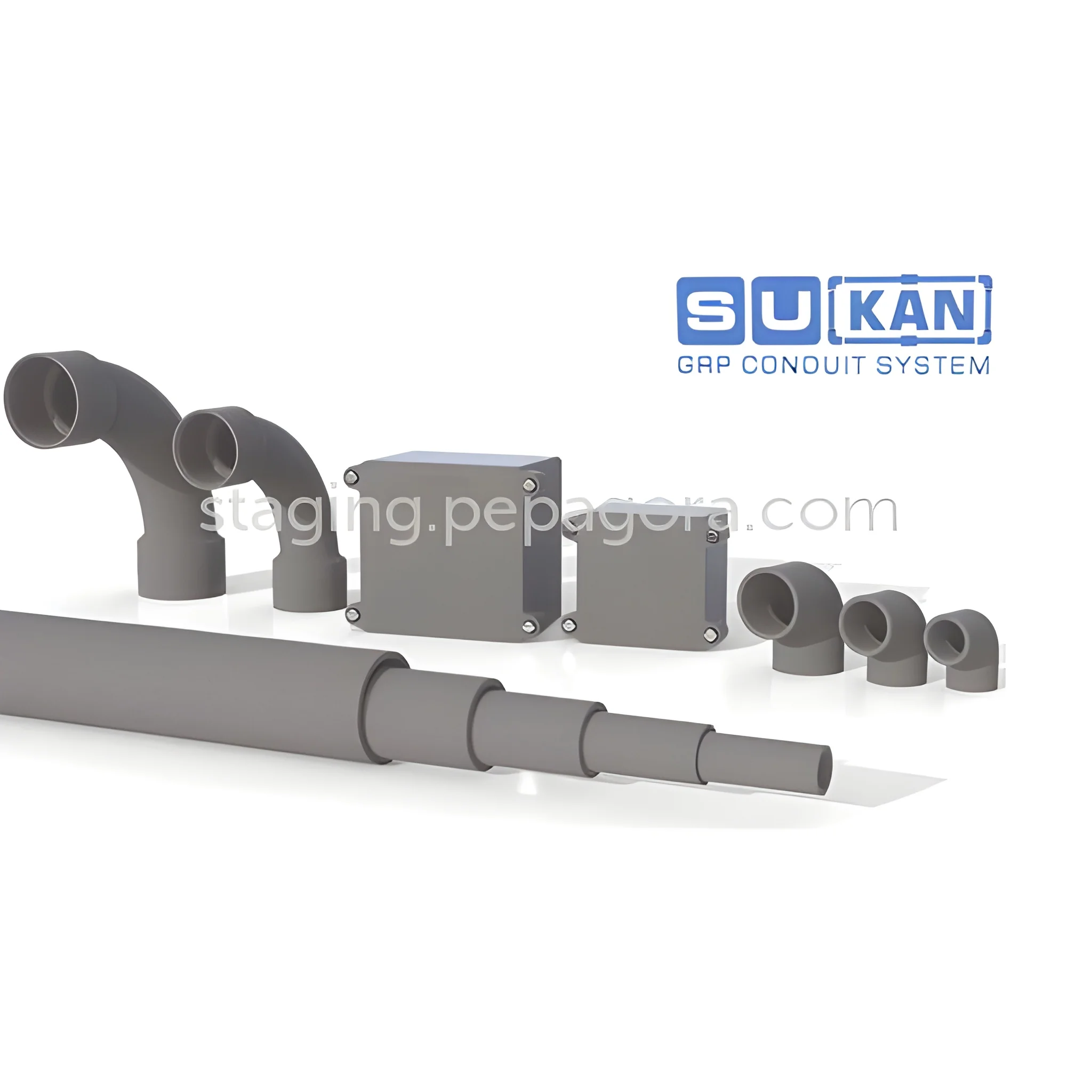
- Cable management systems including trays, ladders, and support channels in electrical installations
- Safety structures such as handrails, guardrails, and access platforms in marine environments
- Walkways, stair systems, and working platforms in corrosive industrial settings
- Reinforcement beams and structural components for bridges, water treatment plants, and infrastructure projects
Trade Details
| Available Stock | In Stock |
| Sample Availability | No |
Payment Terms
| Payment Terms |
|
Shipping & Logistics
| Shipping Internationally | - | |
| Methods | -- | |
| IncoTerms | -- | |
| Port of Dispatch | Chennai, India | |
| Packaging Type | -- | |
| Units per Package | -- | |
| Barcode / HSN / GTIN / UPC | -- | |
| Dispatch Lead time | -- |
Company Profile
Sumip Composite Pvt Ltd, Gujarat
 Gujarat, India
Gujarat, IndiaElectronics & Electrical•Manufacturer•Importer / Exporter
Factory Details
Factory SizeBelow 1000 sqm
SKU: GRP-PRO-001
Industrial GRP Profiles Corrosion Resistant Structural Components
GRP profiles are lightweight, corrosion-resistant structural components made from Glass Reinforced Plastic, offering superior strength and durability for construction, electrical, and industrial applications where reliability matters most.
Min. Order Quantity: 50 Unit
Shipping
Shipping fee and delivery date to be negotiated. Contact supplier now for more details.
Sumip Composite Pvt Ltd
 Gujarat, India
Gujarat, IndiaElectronics & ElectricalManufacturer