IN
IN₹
Apparel & Fashion
Loading subcategories...
View More
Description
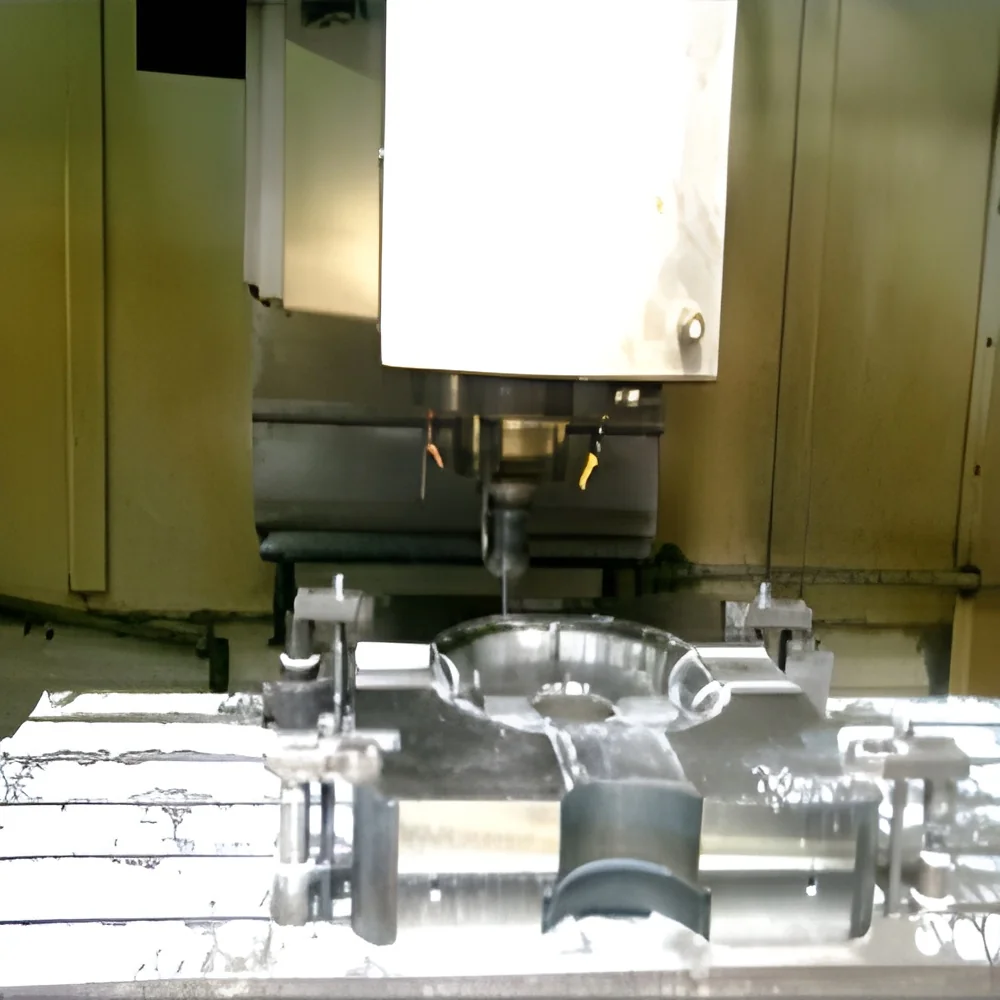
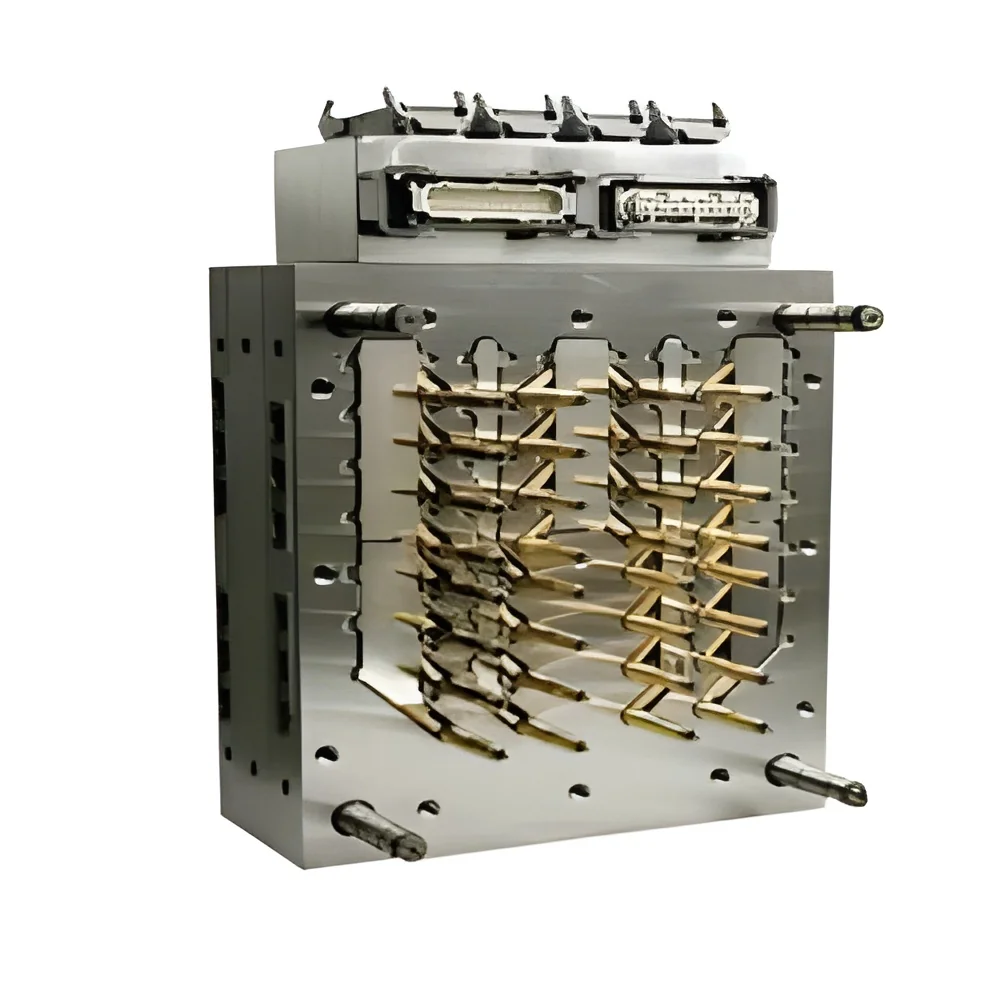
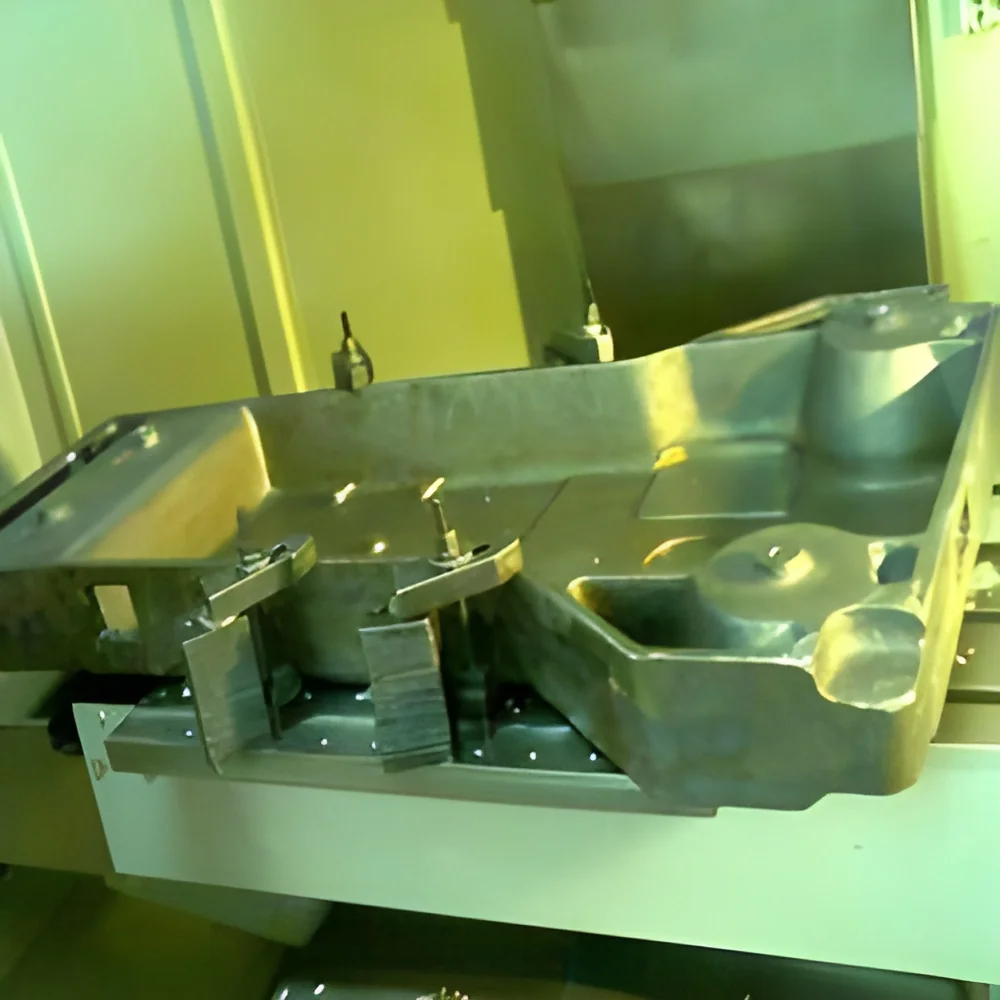
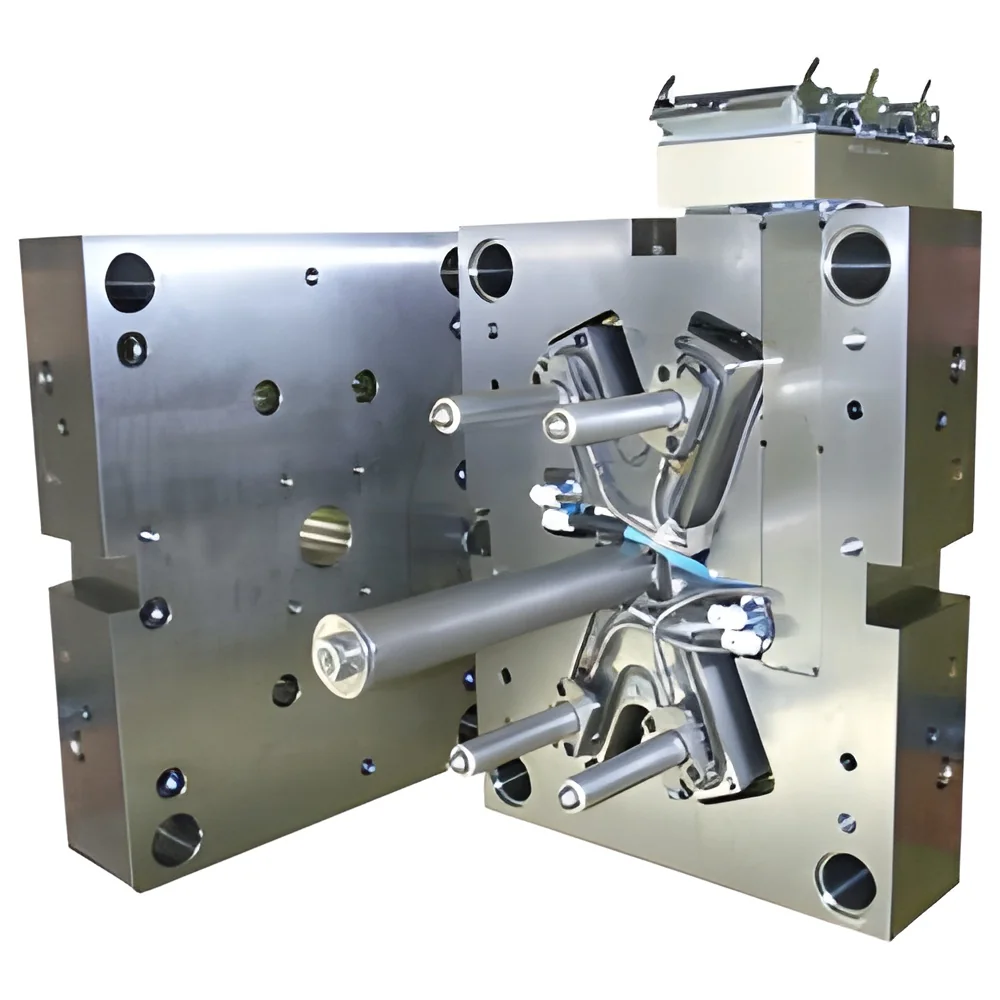
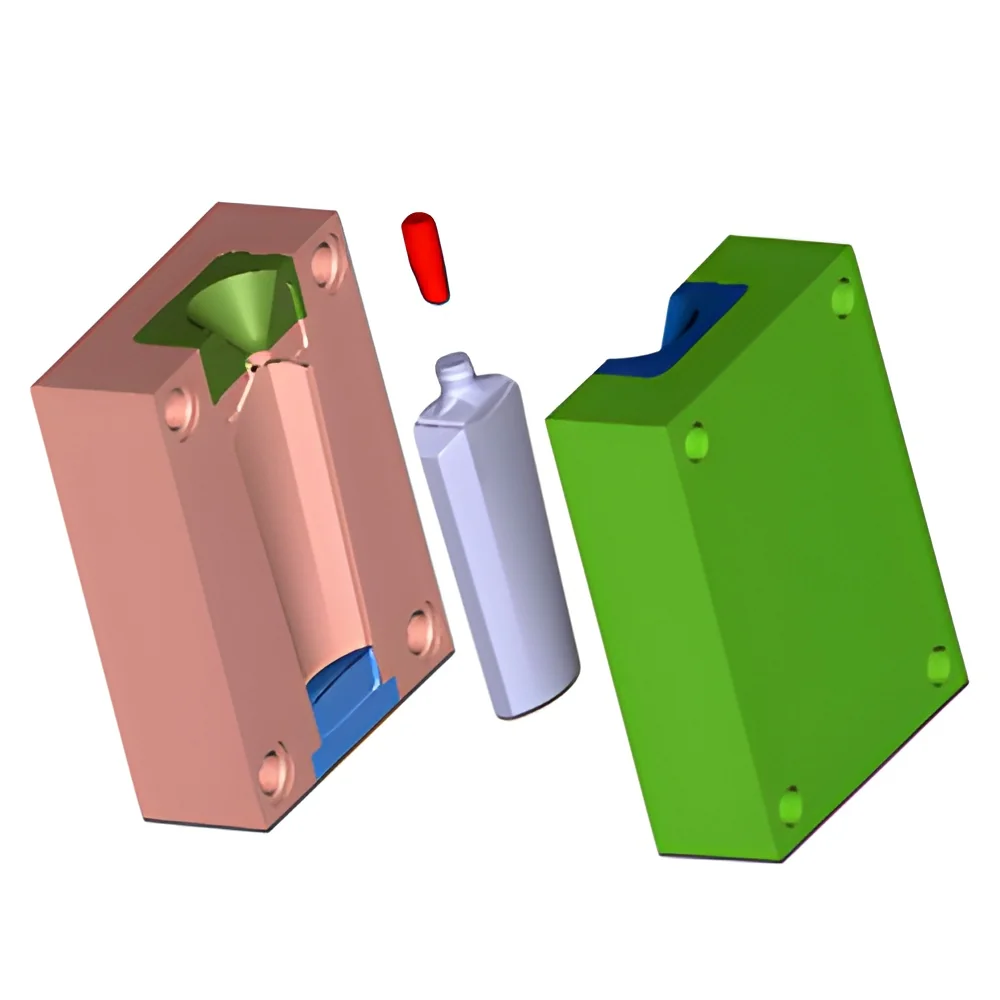
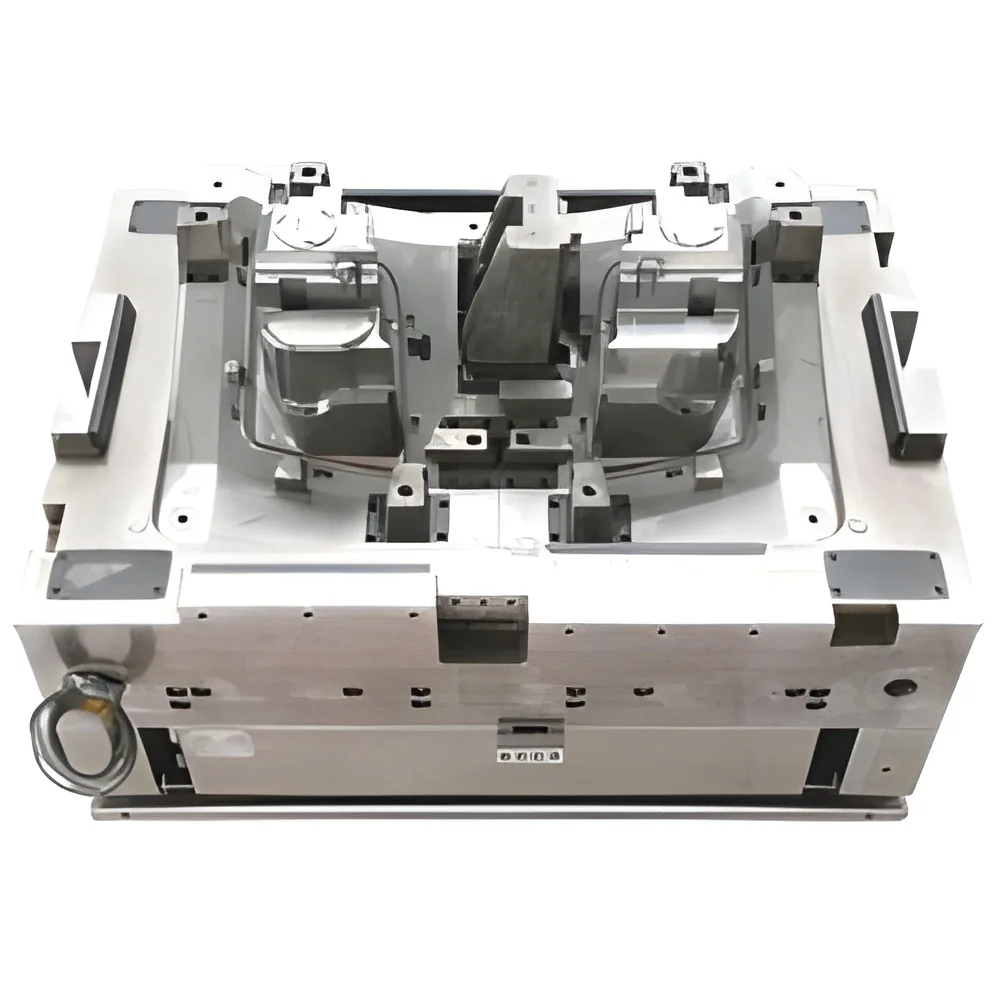
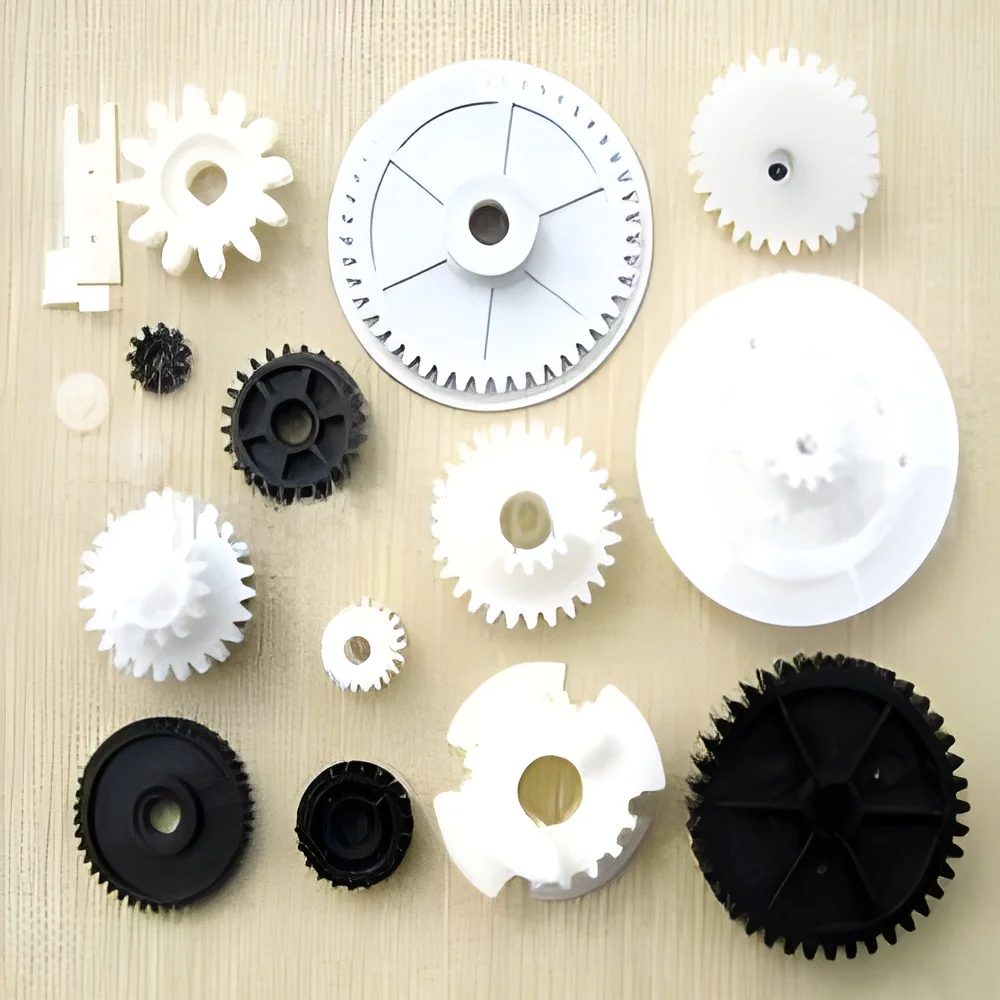
Precision Gear Molds are engineered to meet the exacting demands of modern manufacturing, where component accuracy directly correlates to system performance and longevity. These molds are crafted using advanced techniques and premium-grade materials to achieve superior dimensional stability, exceptional surface finish, and robust structural integrity. Every mold undergoes stringent quality verification to ensure it delivers consistent, repeatable results across extended production runs. This focus on precision and durability makes them a trusted foundation for producing reliable gear components that perform under stress, reduce noise, and minimize wear in the final application.

These molds serve as critical production assets across a spectrum of industries that depend on precise mechanical power transmission. In the automotive sector, they are used to create transmission and differential gears that must operate flawlessly for hundreds of thousands of kilometers. Industrial machinery m...
Precision Gear Molds are engineered to meet the exacting demands of modern manufacturing, where component accuracy directly correlates to system performance and longevity. These molds are crafted using advanced techniques and premium-grade materials to achieve superior dimensional stability, exceptional surface finish, and robust structural integrity. Every mold undergoes stringent quality verification to ensure it delivers consistent, repeatable results across extended production runs. This focus on precision and durability makes them a trusted foundation for producing reliable gear components that perform under stress, reduce noise, and minimize wear in the final application.

These molds serve as critical production assets across a spectrum of industries that depend on precise mechanical power transmission. In the automotive sector, they are used to create transmission and differential gears that must operate flawlessly for hundreds of thousands of kilometers. Industrial machinery manufacturers rely on them for gears within presses, pumps, and conveyors that drive factory operations. The renewable energy industry utilizes them for wind turbine gearboxes, while manufacturers of heavy equipment for agriculture, mining, and construction depend on the durability of components produced from these molds to withstand extreme operating conditions.

The business value delivered by these precision gear molds is substantial, centered on enhancing manufacturing efficiency and reducing total operational cost. They enable high-volume production with minimal variance, drastically lowering scrap rates and rework. Their exceptional durability translates to longer service life and reduced frequency of mold replacement or refurbishment, minimizing production downtime. The corrosion-resistant properties ensure consistent performance even in challenging environments, protecting your investment. By ensuring every gear produced meets exact specifications, these molds help build superior end-products, strengthen supply chain reliability, and protect brand reputation through consistent quality.

Key Features:
- Engineered for superior dimensional accuracy and tight tolerance control in every production cycle.
- Constructed from high-grade, durable materials for extended service life and resistance to wear.
- Features corrosion-resistant properties suitable for various manufacturing and operational environments.
- Designed to produce precise tooth profiles for spur, helical, bevel, and worm gear types.
- Subjected to rigorous quality control and testing protocols to ensure consistent performance and reliability.

Benefits:
- Enables high-volume production of precision gears with minimal defects, reducing waste and cost.
- Delivers long-lasting performance and durability, lowering long-term tooling and maintenance expenses.
- Provides reliable operation in diverse conditions, ensuring consistent production output.
- Supports the manufacturing of high-performance components that enhance end-product reliability.
- Offers a dependable foundation for production planning, minimizing unplanned downtime and delays.
Specifications
| Additional Information | |
|---|---|
| Country of Origin | India |
| Customisable | No |
Application
Precision gear molds are fundamental tools for manufacturing high-accuracy gear components across demanding sectors. They enable the production of spur, helical, bevel, and worm gears with exacting tooth profiles, ensuring smooth power transmission and extended service life in high-stress, high-volume manufacturing environments. This reliability is critical for maintaining consistent production flow and minimizing costly downtime.
Manufacturers invest in these molds to achieve mass production consistency with tight tolerances, directly impacting product quality and operational efficiency. The advanced engineering and robust materials ensure the molds withstand continuous cycling, delivering the same precision from the first part to the last. This capability is vital for industries where component failure is not an option, supporting the creation of durable, long-lasting machinery and vehicle systems.
- Automotive Manufacturing: Producing transmission gears, differential components, and steering system parts for passenger and commercial vehicles.
- Industrial Equipment: Fabricating durable gears for heavy machinery, conveyor systems, CNC machines, and automated production lines.
- Power Generation: Manufacturing critical gear components for wind turbine drivetrains, hydroelectric systems, and industrial gearboxes.
- Agricultural Machinery: Creating robust gears for tractors, harvesters, and irrigation systems that operate in tough environmental conditions.
- Material Handling: Enabling the production of gears for forklifts, cranes, and logistics automation systems requiring reliable power transmission.
Trade Details
| Available Stock | In Stock |
| Sample Availability | No |
Payment Terms
| Payment Terms |
|
Company Profile
Bharati Technologies, Maharashtra
 Maharashtra, India
Maharashtra, IndiaManufacturer•Distributor / Wholesaler
Factory Details
Factory SizeBelow 1000 sqm
Annual Production Capacity0
Precision Gear Molds For Automotive And Industrial Machinery
Precision Gear Molds deliver superior dimensional accuracy and durability for automotive transmissions and industrial machinery. Engineered for reliable high-performance production with exceptional corrosion resistance.
Min. Order Quantity: 1 unit
Shipping
Shipping fee and delivery date to be negotiated. Contact supplier now for more details.
Bharati Technologies
 Maharashtra, India
Maharashtra, IndiaManufacturer