IN
IN₹
Apparel & Fashion

Description
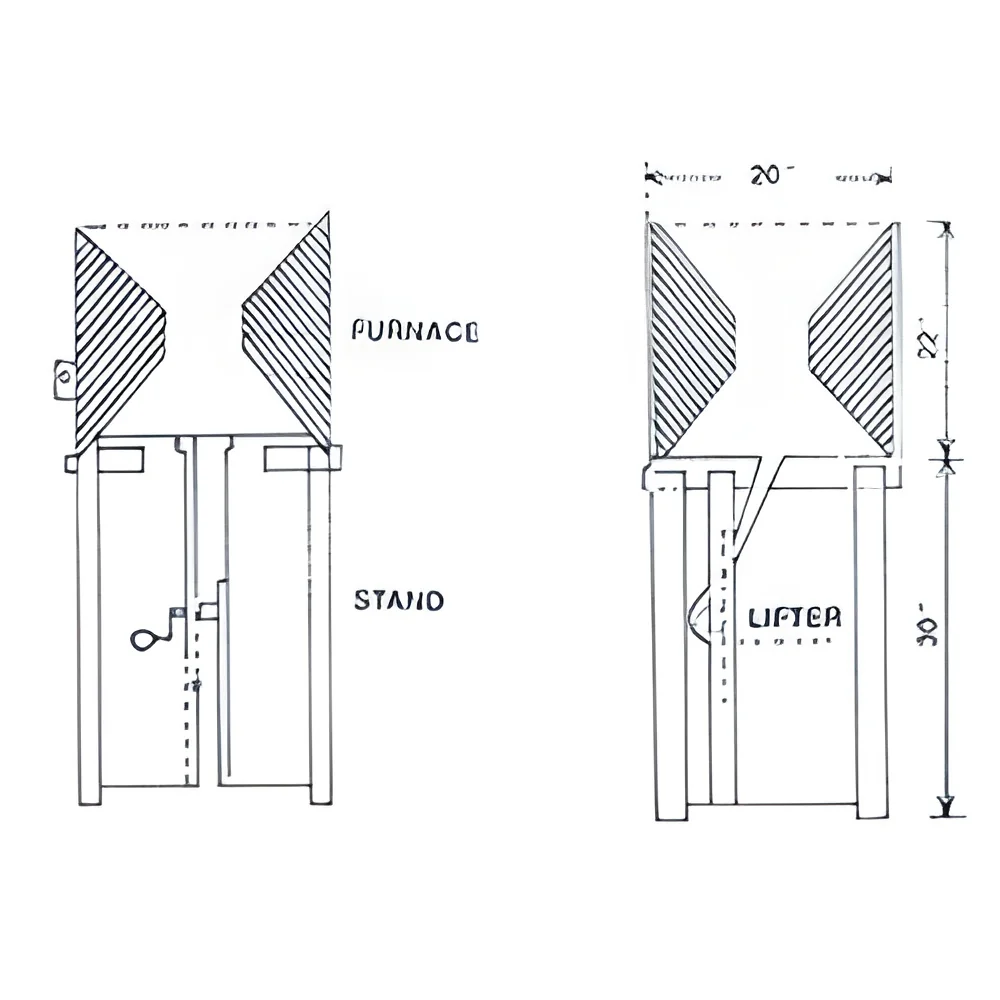
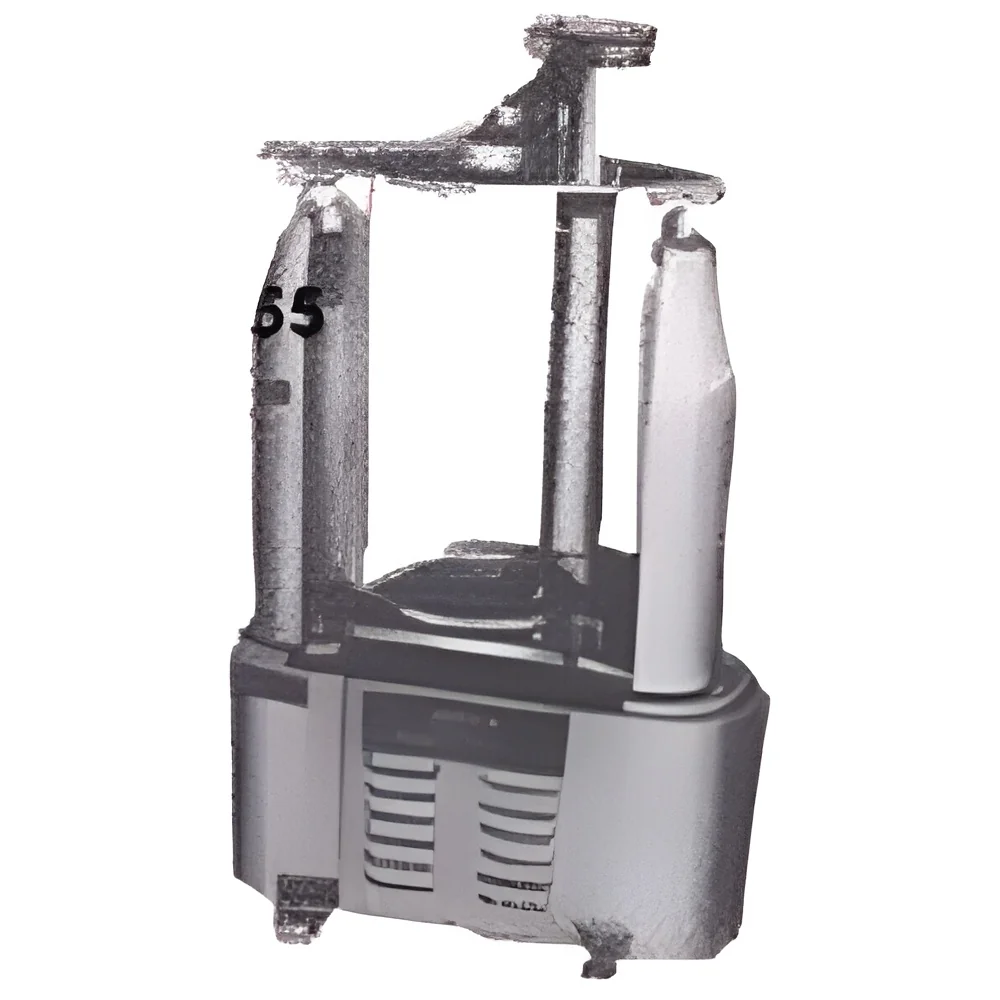
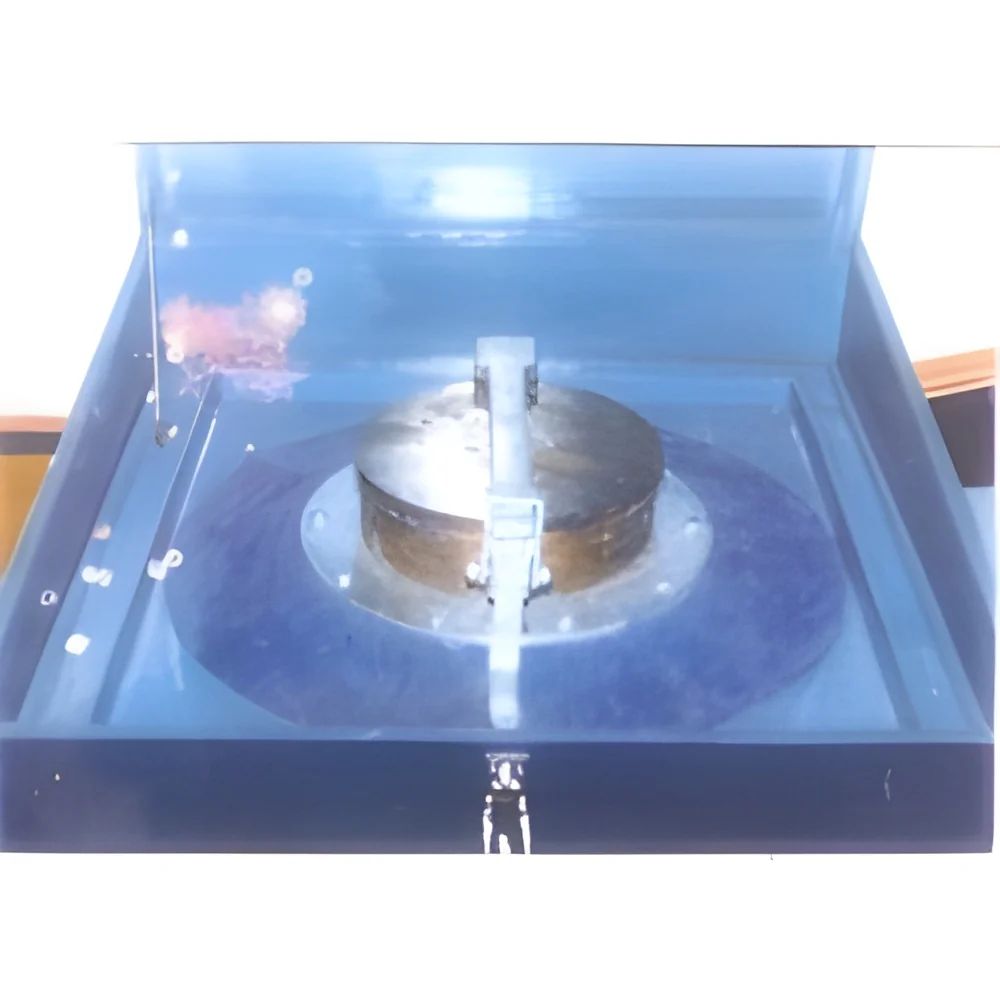
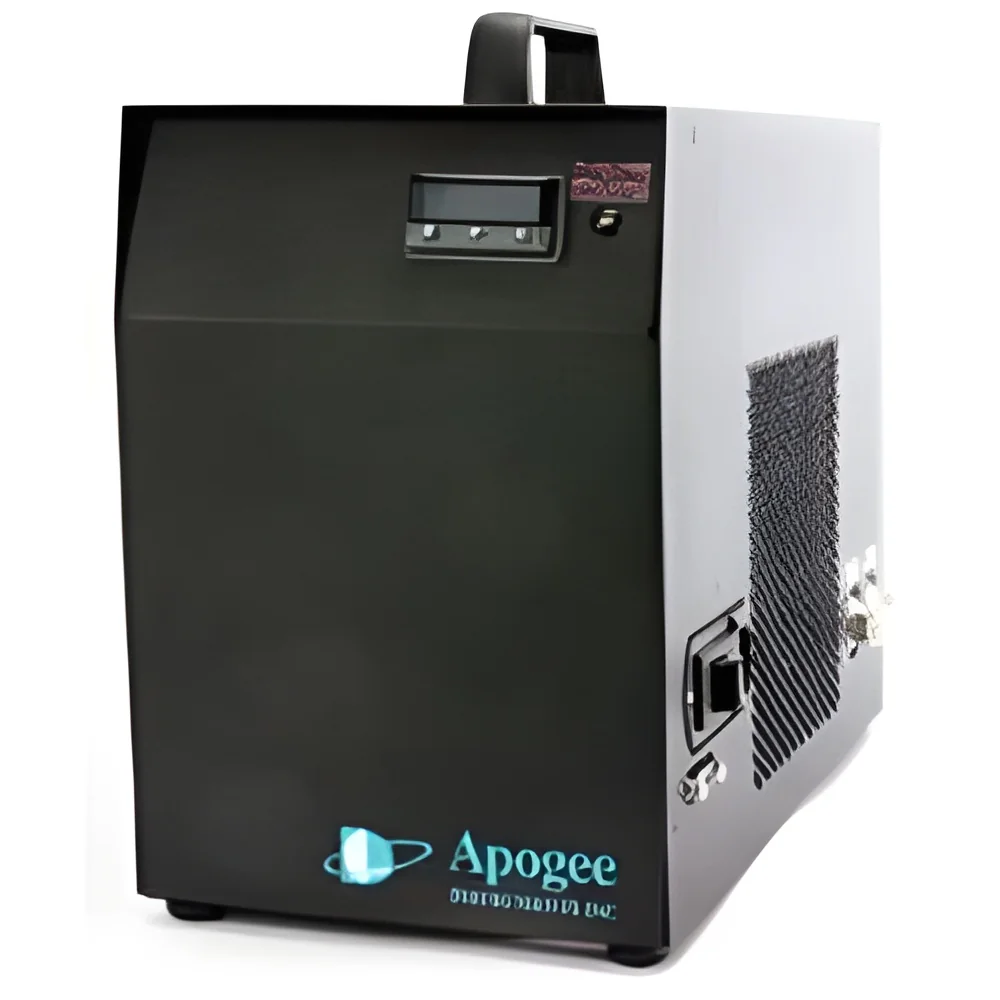
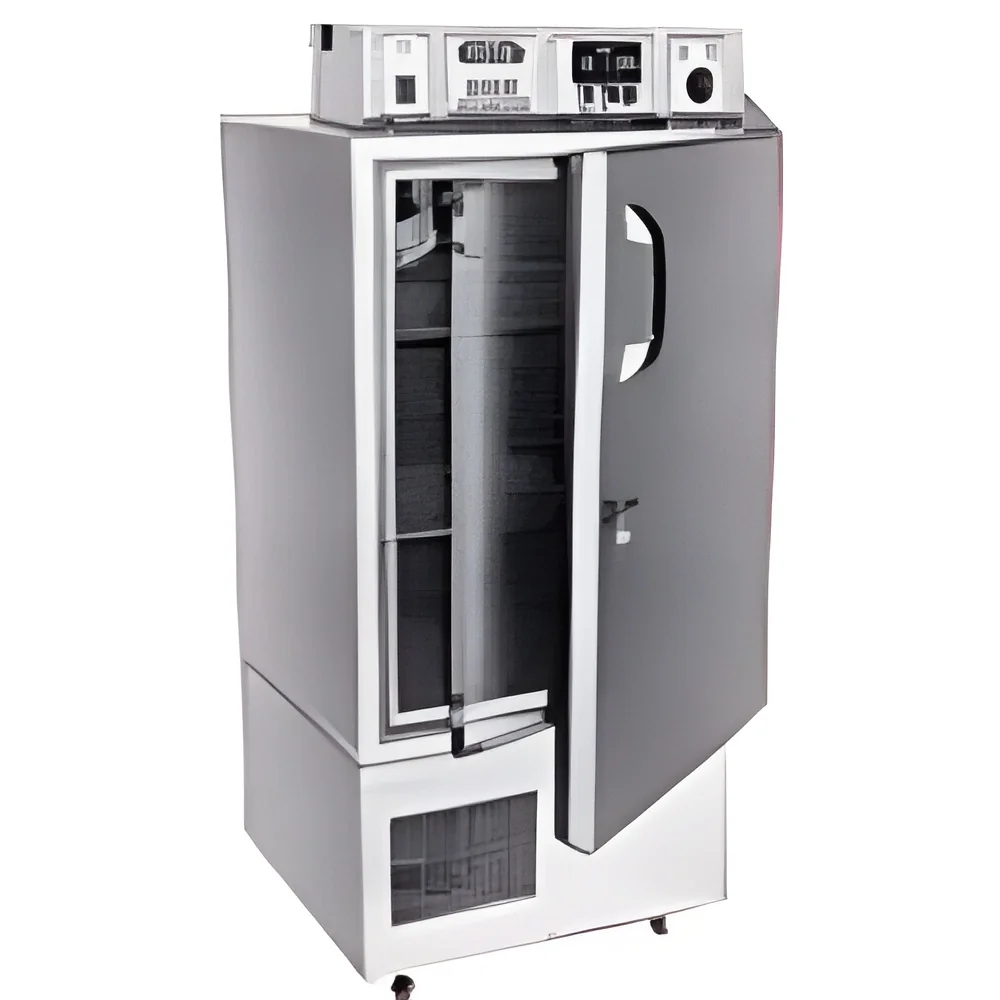
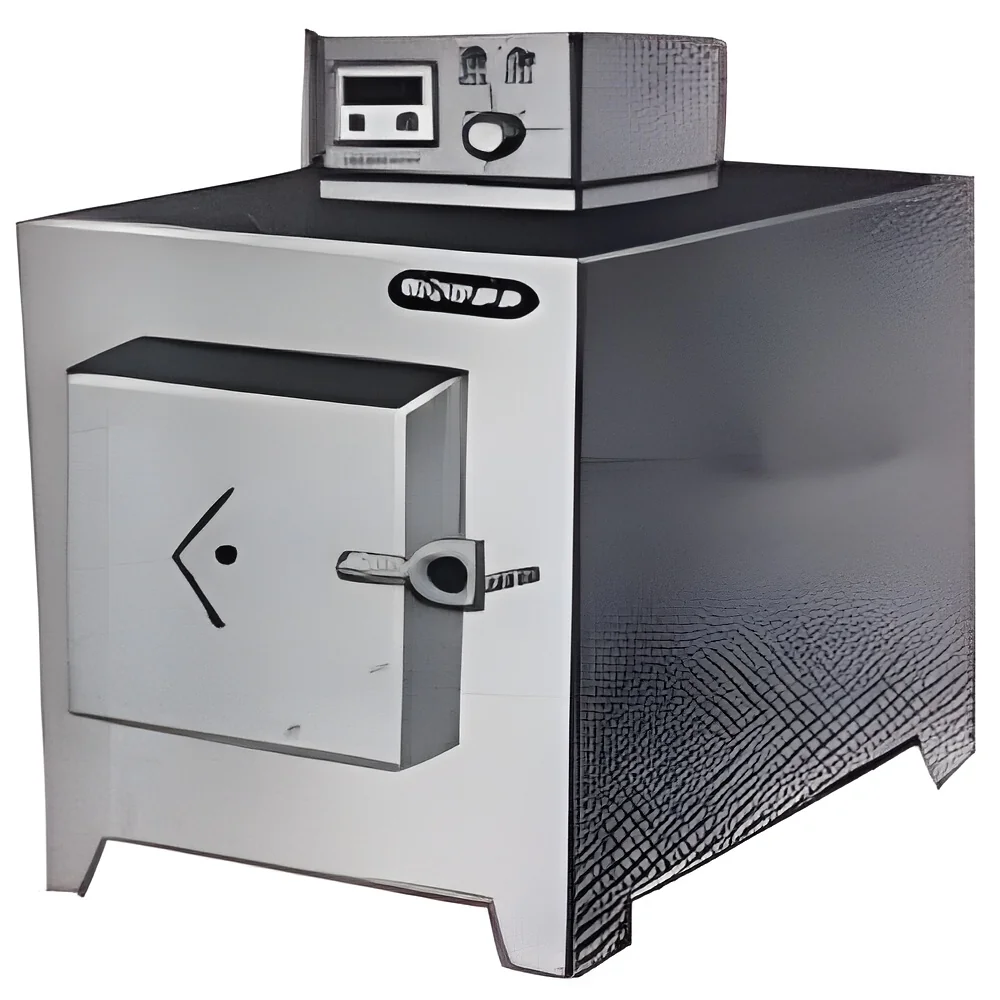
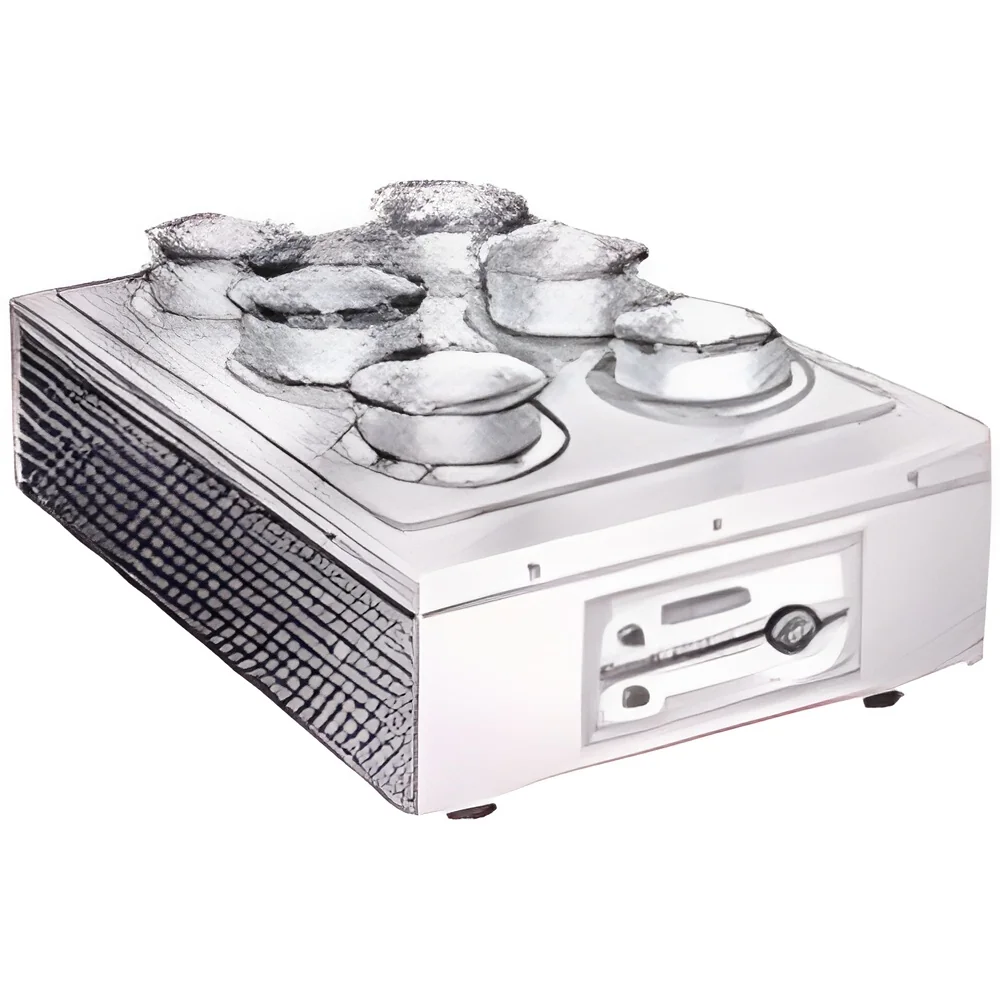
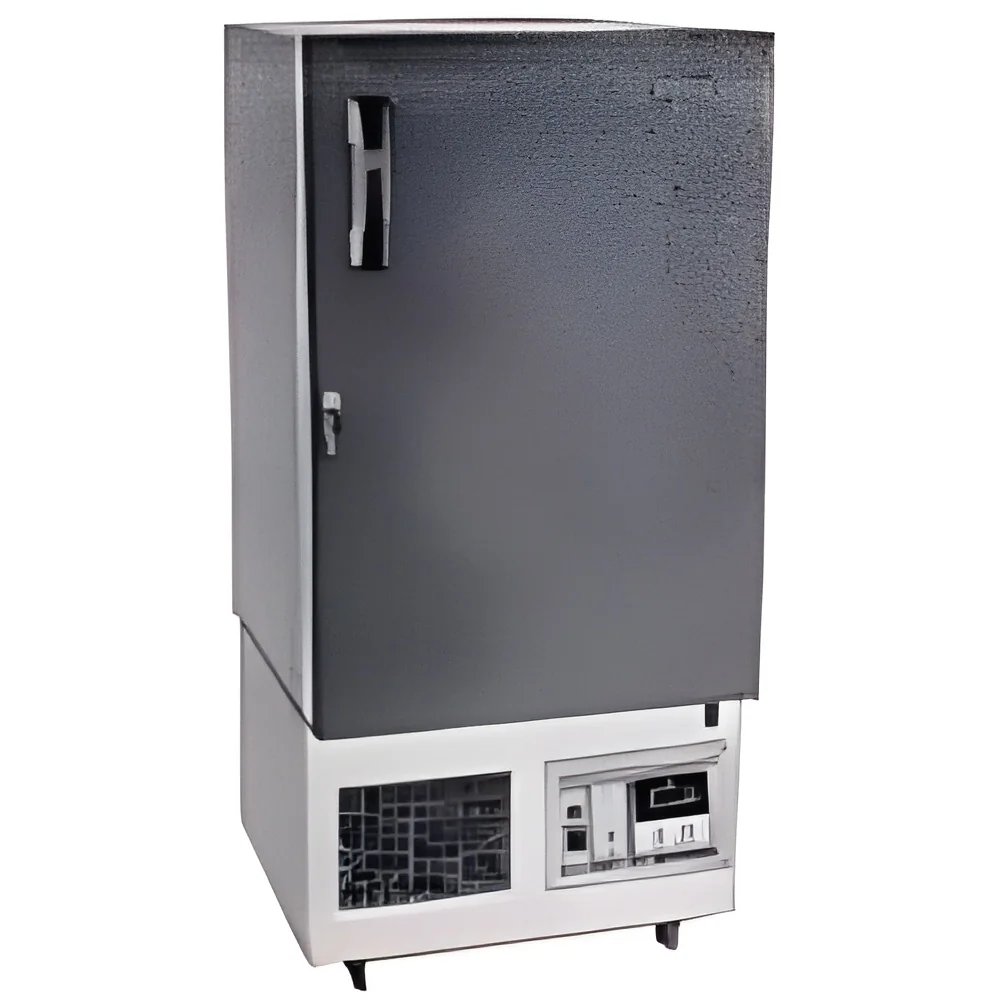
The PLCAR testing furnace represents specialized industrial equipment engineered specifically for evaluating the spalling resistance of refractory materials. This advanced testing system conducts rigorous thermal evaluations including the small prism test at 1000°C and water quench test at 1300°C, strictly adhering to IS:1528 (Part 3)-1983 and GOST:7875-56 international standards. The furnace ensures precise thermal cycling and controlled quenching procedures, delivering reliable data on how refractory materials withstand sudden temperature variations and thermal shocks. Built for exceptional durability, the unit features robust construction and sophisticated temperature control systems, establishing it as a trusted solution for testing laboratories and quality assurance teams focused on material performance validation under extreme thermal conditions.

This testing furnace serves as essential equipment across numerous industries that depend on high-temperature manufacturing processes,...
The PLCAR testing furnace represents specialized industrial equipment engineered specifically for evaluating the spalling resistance of refractory materials. This advanced testing system conducts rigorous thermal evaluations including the small prism test at 1000°C and water quench test at 1300°C, strictly adhering to IS:1528 (Part 3)-1983 and GOST:7875-56 international standards. The furnace ensures precise thermal cycling and controlled quenching procedures, delivering reliable data on how refractory materials withstand sudden temperature variations and thermal shocks. Built for exceptional durability, the unit features robust construction and sophisticated temperature control systems, establishing it as a trusted solution for testing laboratories and quality assurance teams focused on material performance validation under extreme thermal conditions.

This testing furnace serves as essential equipment across numerous industries that depend on high-temperature manufacturing processes, particularly metallurgy, ceramics, cement production, and glass manufacturing. Within steel production facilities, it rigorously tests refractory linings for blast furnaces and converters, while cement manufacturing operations utilize it to evaluate kiln lining materials resistance to thermal shock and degradation. Glass production manufacturers employ the furnace to assess refractory materials used in furnace construction, ensuring long-term durability and operational safety. Research institutions and advanced material testing laboratories also implement this equipment for developing innovative refractory formulations, supporting industrial innovation while maintaining strict compliance with international safety protocols and quality standards.

The PLCAR testing furnace delivers substantial business value by enhancing product reliability and minimizing operational downtime in high-temperature industrial environments. Its precision in spalling resistance testing helps prevent refractory failures that could lead to expensive repairs and production interruptions. The equipment's compliance with globally recognized standards including IS and GOST establishes confidence among procurement specialists, ensuring that materials meet rigorous safety and performance requirements. This testing capability ultimately supports more efficient operations and superior quality outputs in demanding industrial settings, providing a solid foundation for material selection and quality verification processes.

Key Features:
- Performs small prism test at 1000°C and water quench test at 1300°C
- Complies with IS:1528 (Part 3)-1983 and GOST:7875-56 standards
- Robust construction ensures durability and long-term operational reliability
- Advanced temperature control system enables precise thermal cycling
- Standardized testing protocols ensure consistent and repeatable results

Benefits:
- Enhances material reliability by accurately predicting refractory performance
- Reduces operational downtime through preventive quality testing
- Supports compliance with international testing standards and regulations
- Provides consistent, repeatable results for quality assurance programs
- Helps prevent costly refractory failures in high-temperature applications
Specifications
| Additional Information | |
|---|---|
| Country of Origin | India |
Application
The PLCAR testing furnace delivers precise spalling resistance evaluation for refractory materials under extreme thermal conditions. It performs both small prism tests at 1000°C and water quench tests at 1300°C while maintaining strict compliance with international standards including IS:1528 and GOST:7875-56. Industries depend on this equipment for accurate, repeatable results in quality assurance protocols and research development settings where material performance is critical.
This furnace serves multiple industrial sectors including metallurgy, ceramics, cement production, and glass manufacturing. It supports refractory producers, industrial testing laboratories, and construction material suppliers by verifying product durability against thermal shock and cyclic heating conditions. The equipment ensures materials can withstand the demanding thermal environments encountered in high-temperature industrial processes, helping maintain operational safety and material integrity.
- Quality control testing in refractory manufacturing plants to ensure product reliability and performance standards
- Research and development laboratories analyzing material behavior under extreme thermal stress conditions
- Cement production facilities evaluating kiln lining materials resistance to spalling and thermal degradation
- Steel manufacturing plants testing refractory bricks used in blast furnaces and ladle applications
- Glass production units assessing furnace lining durability and longevity under continuous operation
Trade Details
| Available Stock | In Stock |
| Sample Availability | No |
Payment Terms
| Payment Terms |
|
Company Profile
Bien Artium Natural Science Pvt. Ltd, West Bengal
 West Bengal, India
West Bengal, IndiaIndustrial Equipment & Machinery•Manufacturer•Distributor / Wholesaler
Factory Details
Factory SizeBelow 1000 sqm
Annual Production Capacity0
PLCAR Testing Furnace for Refractories Spalling Resistance Tests
PLCAR testing furnace for refractories spalling resistance tests performs thermal cycling at 1000°C and 1300°C, compliant with IS:1528 and GOST:7875-56 standards for industrial material testing laboratories.
Min. Order Quantity: 1 unit
Shipping
Shipping fee and delivery date to be negotiated. Contact supplier now for more details.
Bien Artium Natural Science Pvt. Ltd
 West Bengal, India
West Bengal, IndiaIndustrial Equipment & MachineryManufacturer