IN
IN₹
Apparel & Fashion
Description
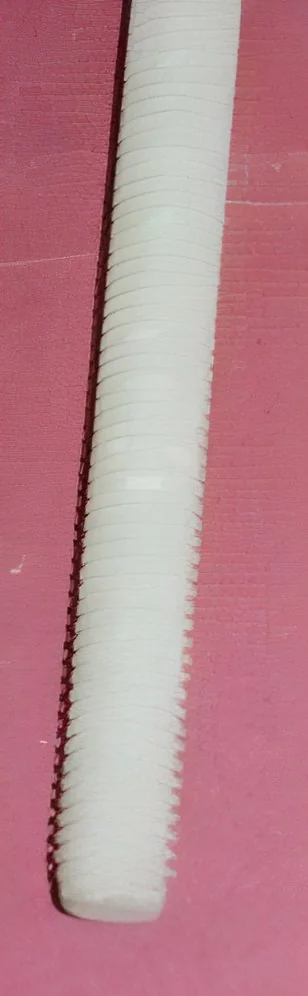
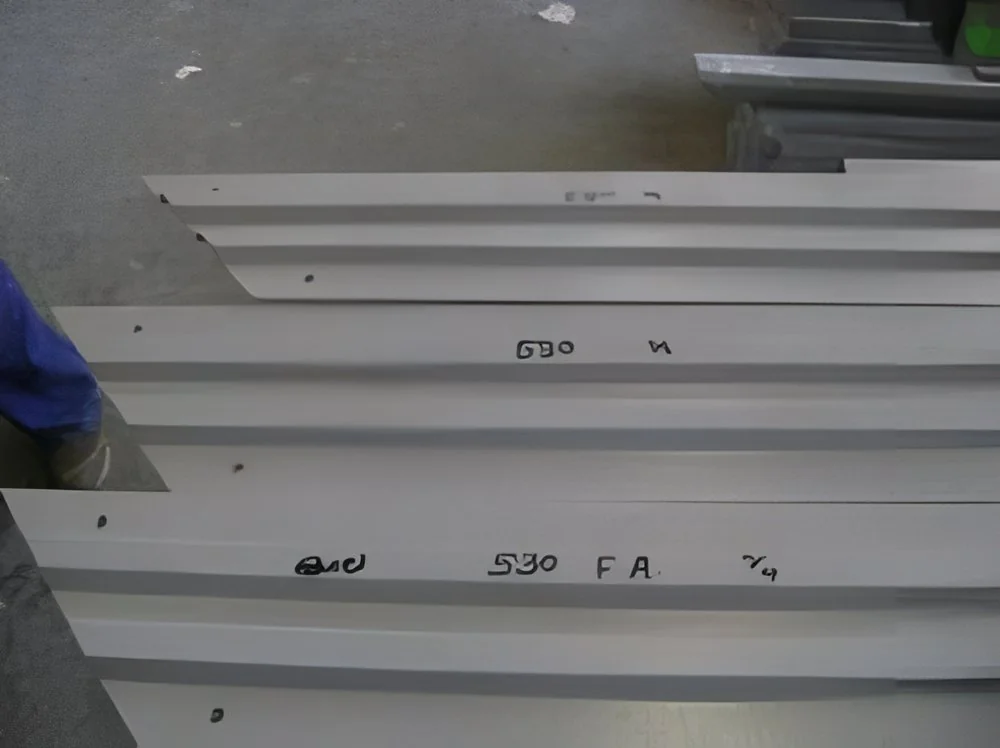
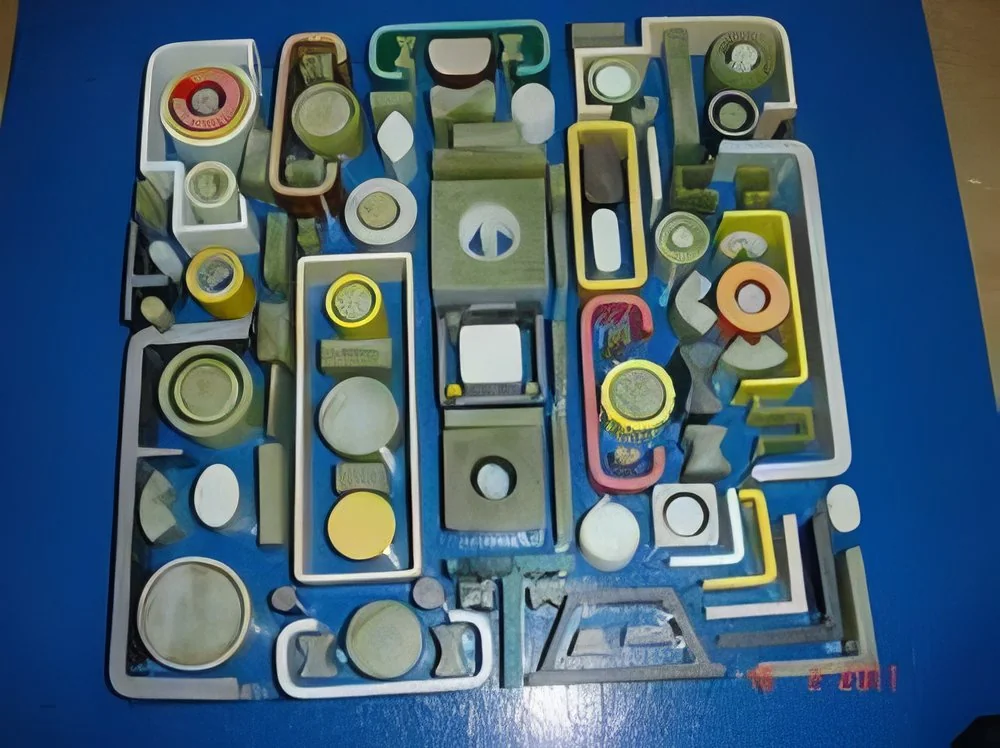
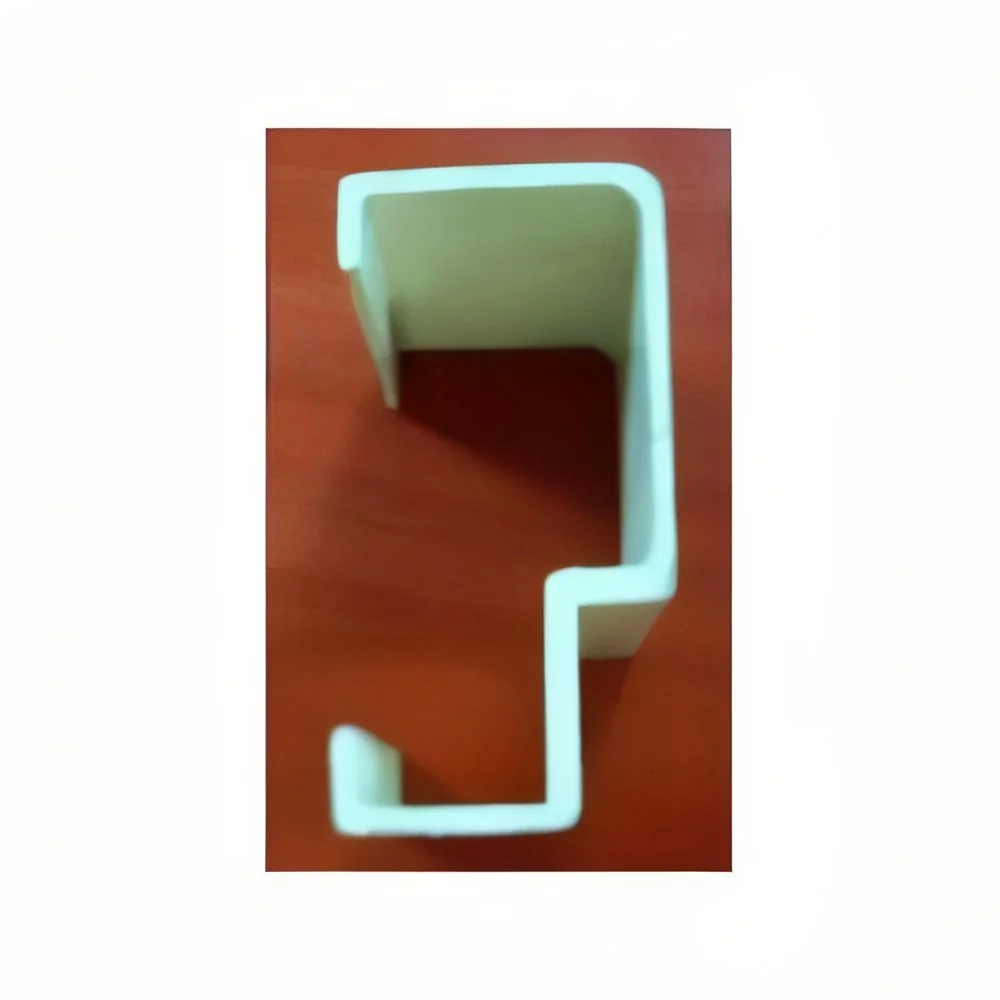
Industrial FRP pultruded gratings represent advanced flooring technology that combines fiberglass reinforcement with polyester resins through continuous pultrusion manufacturing. This sophisticated process creates gratings with exceptional strength-to-weight ratios, significantly outperforming traditional steel gratings in corrosion resistance while maintaining structural integrity. Unlike conventional molded gratings, pultruded versions deliver consistent cross-sectional properties and higher fiber content, resulting in superior mechanical performance across demanding applications. These gratings maintain their structural properties across extreme temperature ranges from -40°C to 120°C, making them suitable for both arctic conditions and hot industrial environments. The manufacturing methodology ensures precise control over resin content and fiber orientation, guaranteeing optimal performance characteristics for specific applications while maintaining consistent quality throughout pro...
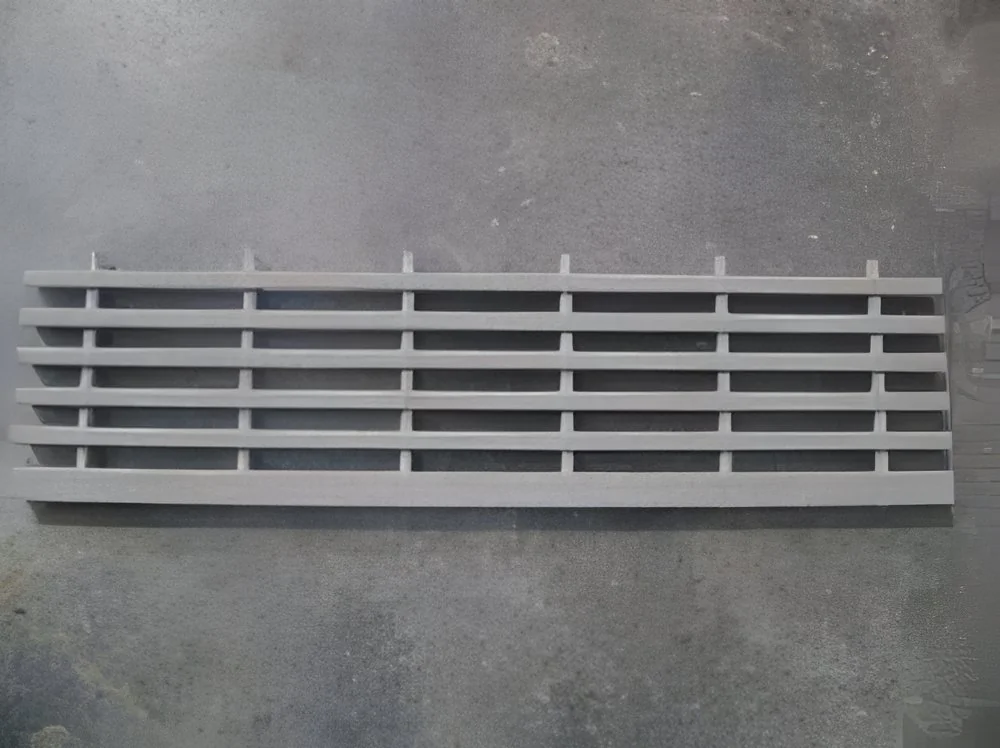
Industrial FRP pultruded gratings represent advanced flooring technology that combines fiberglass reinforcement with polyester resins through continuous pultrusion manufacturing. This sophisticated process creates gratings with exceptional strength-to-weight ratios, significantly outperforming traditional steel gratings in corrosion resistance while maintaining structural integrity. Unlike conventional molded gratings, pultruded versions deliver consistent cross-sectional properties and higher fiber content, resulting in superior mechanical performance across demanding applications. These gratings maintain their structural properties across extreme temperature ranges from -40°C to 120°C, making them suitable for both arctic conditions and hot industrial environments. The manufacturing methodology ensures precise control over resin content and fiber orientation, guaranteeing optimal performance characteristics for specific applications while maintaining consistent quality throughout production batches.

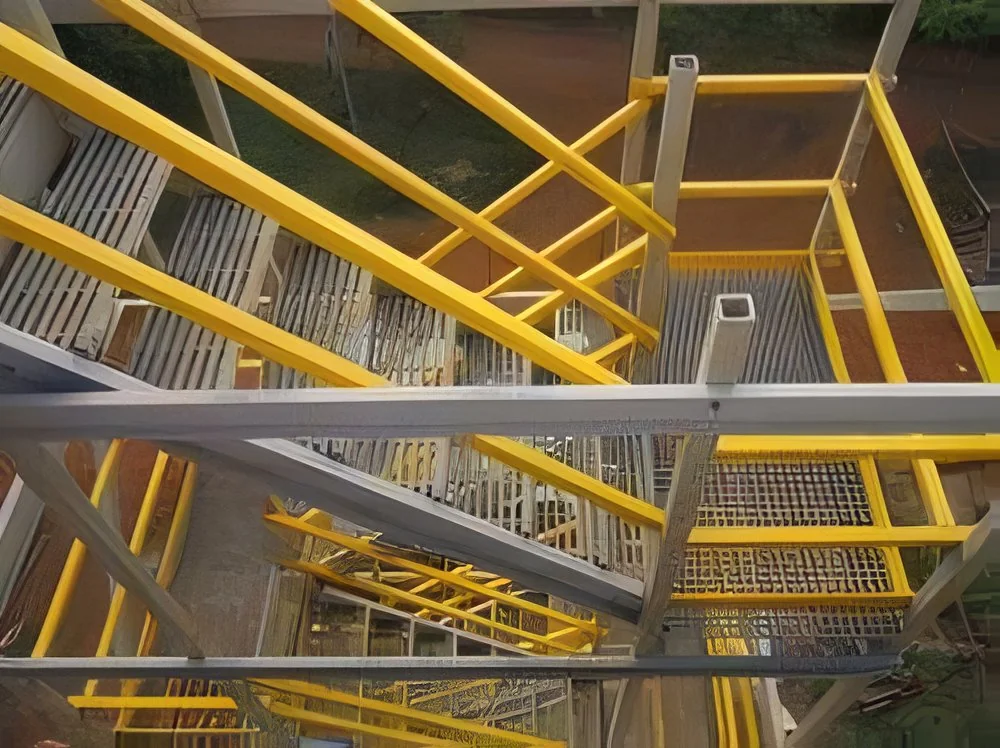
Across multiple industrial sectors, FRP pultruded gratings serve critical safety and operational functions in challenging environments. Chemical processing facilities utilize these gratings for safe walking surfaces that resist corrosive chemical spills and fumes that would rapidly deteriorate metal alternatives. Water treatment plants depend on FRP gratings for walkways, platforms, and tank covers where constant moisture and chemical exposure demand corrosion-resistant materials. The offshore industry relies on these gratings for marine platforms, stair treads, and decks where saltwater corrosion would compromise steel structures. Food processing operations benefit from their non-porous surfaces that meet strict hygiene standards while resisting aggressive cleaning chemicals. Electrical utilities specify these gratings for substation flooring and platforms where non-conductive properties prevent electrical hazards, ensuring worker safety around high-voltage equipment and transformers.

Organizations selecting FRP pultruded gratings achieve substantial operational advantages through reduced maintenance expenditures and extended service life. Unlike steel gratings requiring regular painting, coating applications, or replacement due to corrosion damage, FRP gratings maintain their structural and surface properties for decades with minimal maintenance intervention. The lightweight composition reduces installation time and costs while permitting simpler structural support systems. Available in various resin types, mesh configurations, and color options, these gratings enable precise matching to specific operational requirements and safety standards. They contribute to safer work environments through inherent slip resistance even when wet and fire-retardant properties meeting industry safety regulations. The comprehensive value proposition encompasses not only product longevity but also reduced operational downtime, potential insurance premium reductions through improved safety records, and compliance with increasingly stringent environmental and workplace safety regulations.

Key Features:
- Continuous pultrusion manufacturing ensuring consistent strength and quality
- High fiberglass content delivering superior mechanical properties
- Excellent corrosion resistance to acids, alkalis, and saltwater environments
- Non-conductive and non-magnetic characteristics for electrical safety
- Available in various resin formulations and mesh configurations

Benefits:
- Eliminates corrosion-related replacement costs and maintenance requirements
- Lightweight construction reduces installation time and structural support needs
- Slip-resistant surface enhances workplace safety in wet conditions
- Extended service life exceeding 20 years in harsh industrial environments
- Non-conductive properties prevent electrical hazards in utility applications
Specifications
| Additional Information | |
|---|---|
| Country of Origin | India |
Application
FRP pultruded gratings deliver exceptional performance in corrosive environments where traditional metal grating fails. Their non-conductive, non-corrosive properties make them ideal for chemical processing plants, offshore platforms, and food processing facilities. These gratings withstand harsh chemicals, saltwater exposure, and extreme weather conditions without rusting or structural degradation, ensuring long-term reliability and worker safety across demanding applications.
These versatile industrial gratings offer excellent load-bearing capacity while remaining lightweight for straightforward installation. Available in various resin formulations and mesh configurations, they provide reliable performance where electrical hazards, corrosion resistance, or slip prevention are primary concerns. From factory walkways to marine platforms, FRP gratings maintain structural integrity while reducing maintenance requirements and enhancing operational safety for facility managers and engineers.
- Chemical plant walkways and platforms resistant to acid and solvent exposure
- Water treatment facility flooring that withstands constant moisture and chemical contact
- Offshore oil rig stair treads and decks providing non-slip, corrosion-free surfaces
- Food processing plant flooring meeting hygiene standards while resisting cleaning chemicals
- Electrical substation flooring offering non-conductive safety around high-voltage equipment
Trade Details
| Available Stock | In Stock |
| Sample Availability | No |
Payment Terms
| Payment Terms |
|
Company Profile

Agni Fiber Boards Pvt Ltd, Gujarat
 Gujarat, India
Gujarat, IndiaConstruction•Manufacturer•Distributor / Wholesaler•Importer / Exporter
Factory Details
Factory SizeBelow 1000 sqm
Annual Production Capacity0
Main Markets
South Asia
Industrial FRP Pultruded Gratings Corrosion Slip Resistant Flooring
Industrial FRP pultruded gratings provide superior corrosion resistance and slip-resistant flooring for chemical plants, water treatment facilities, and harsh industrial environments where durability and safety are essential.
Min. Order Quantity: 1 piece
Shipping
Shipping fee and delivery date to be negotiated. Contact supplier now for more details.
Agni Fiber Boards Pvt Ltd
 Gujarat, India
Gujarat, IndiaConstructionManufacturer