IN
IN₹
Apparel & Fashion
Description
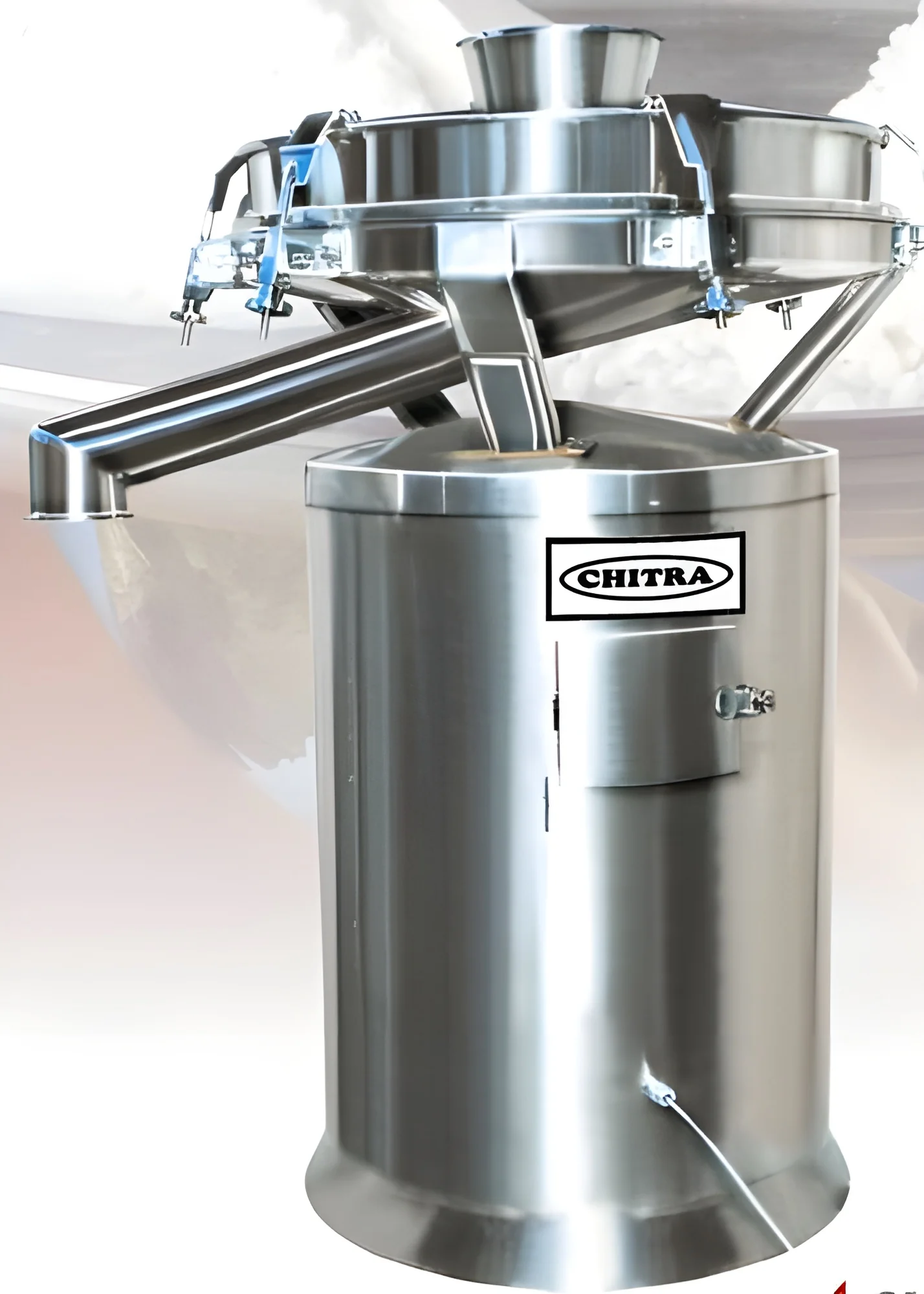
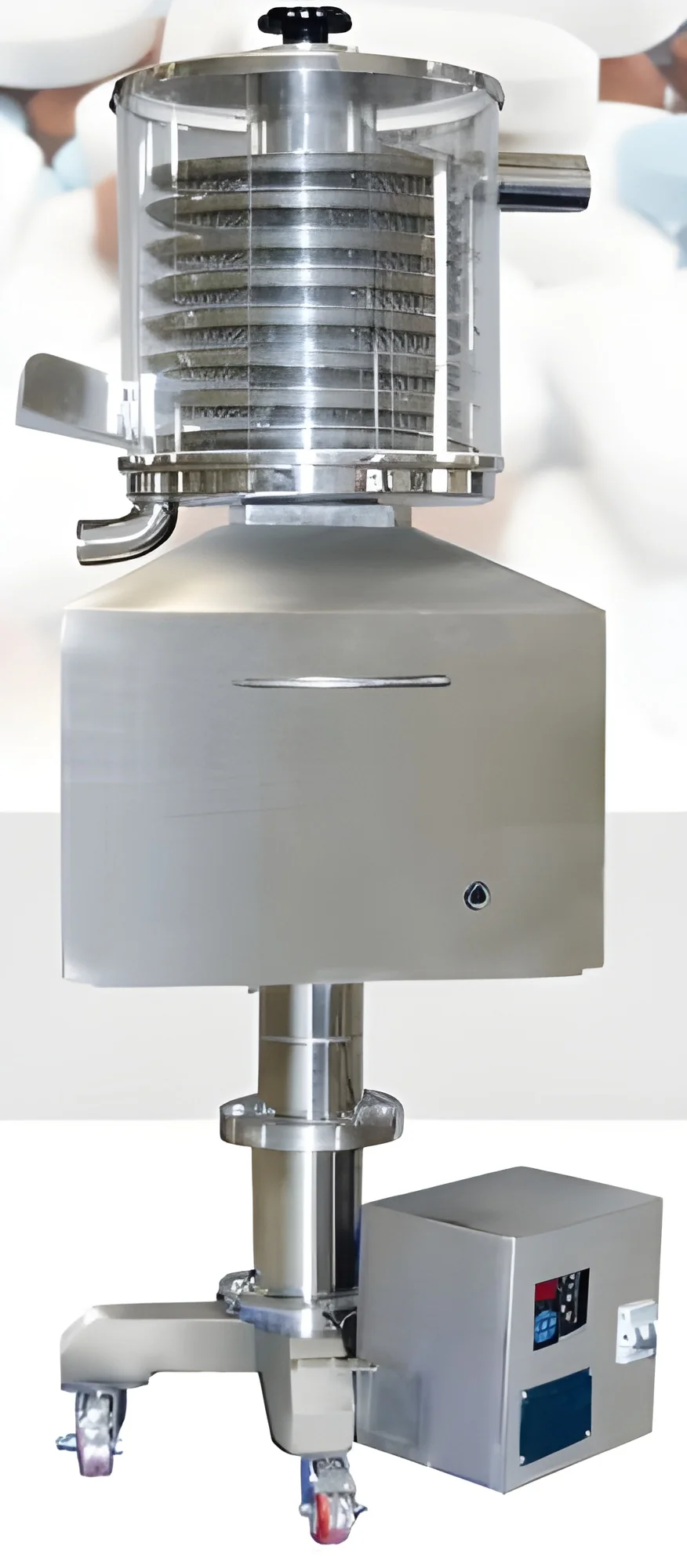
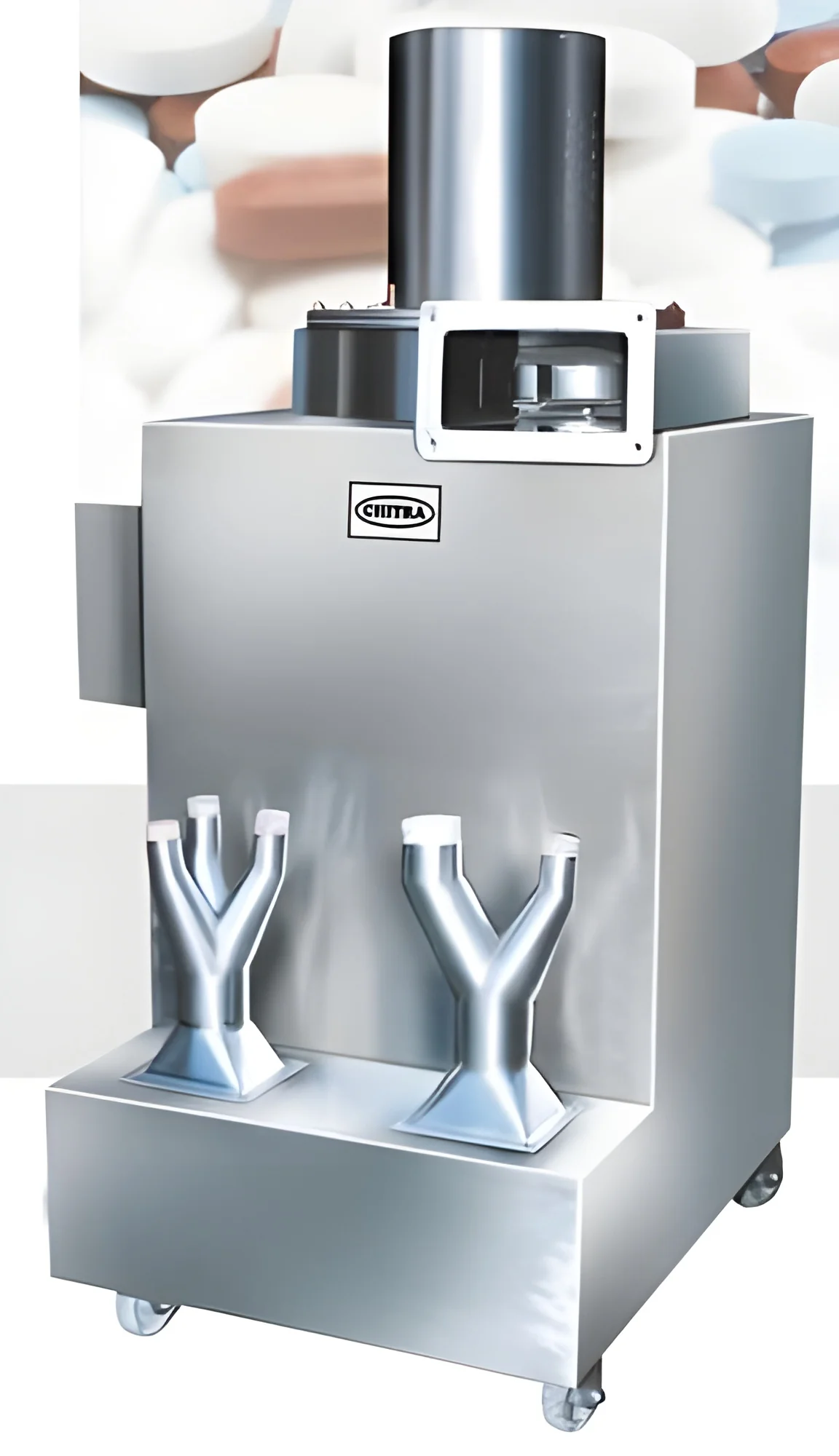
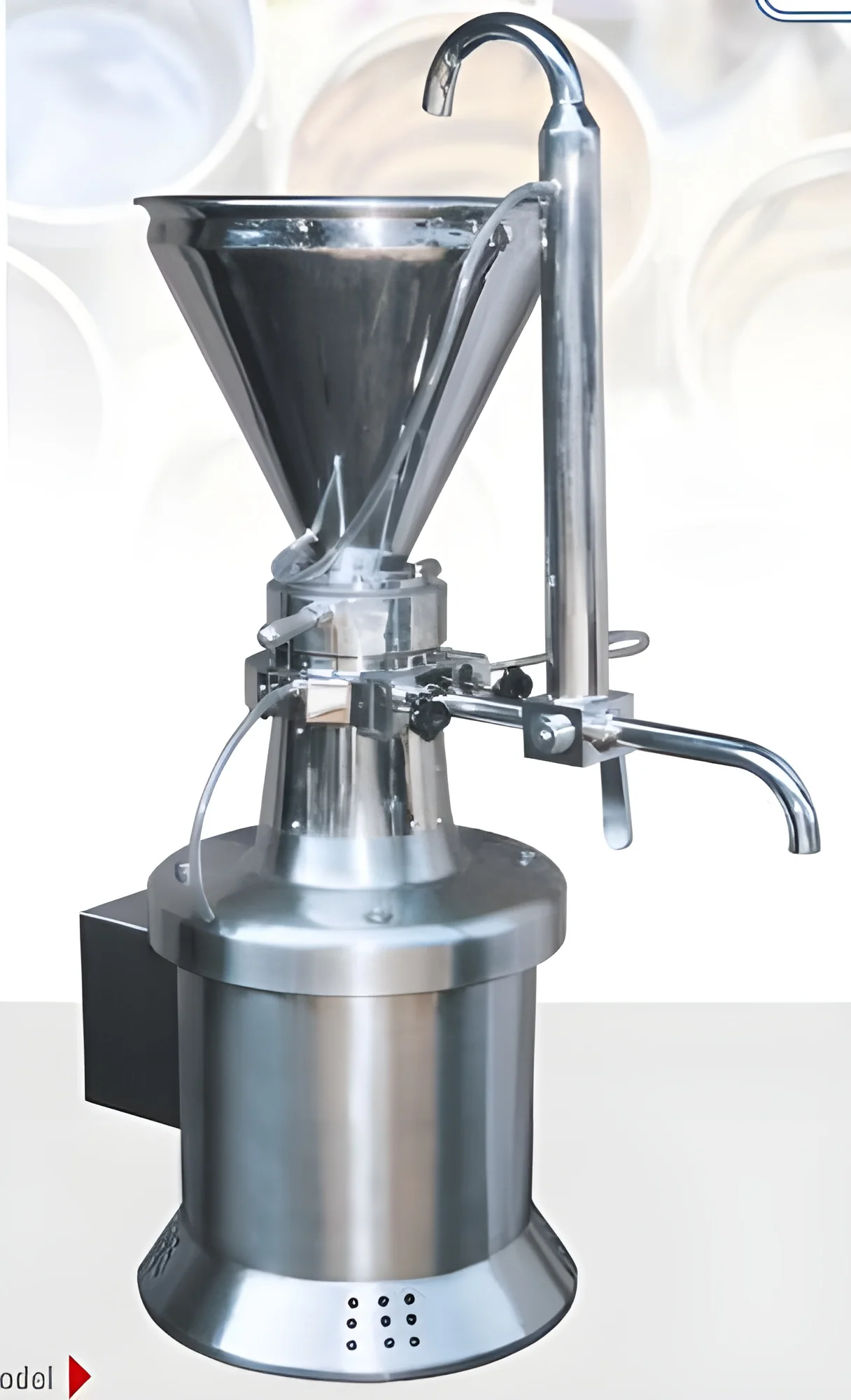
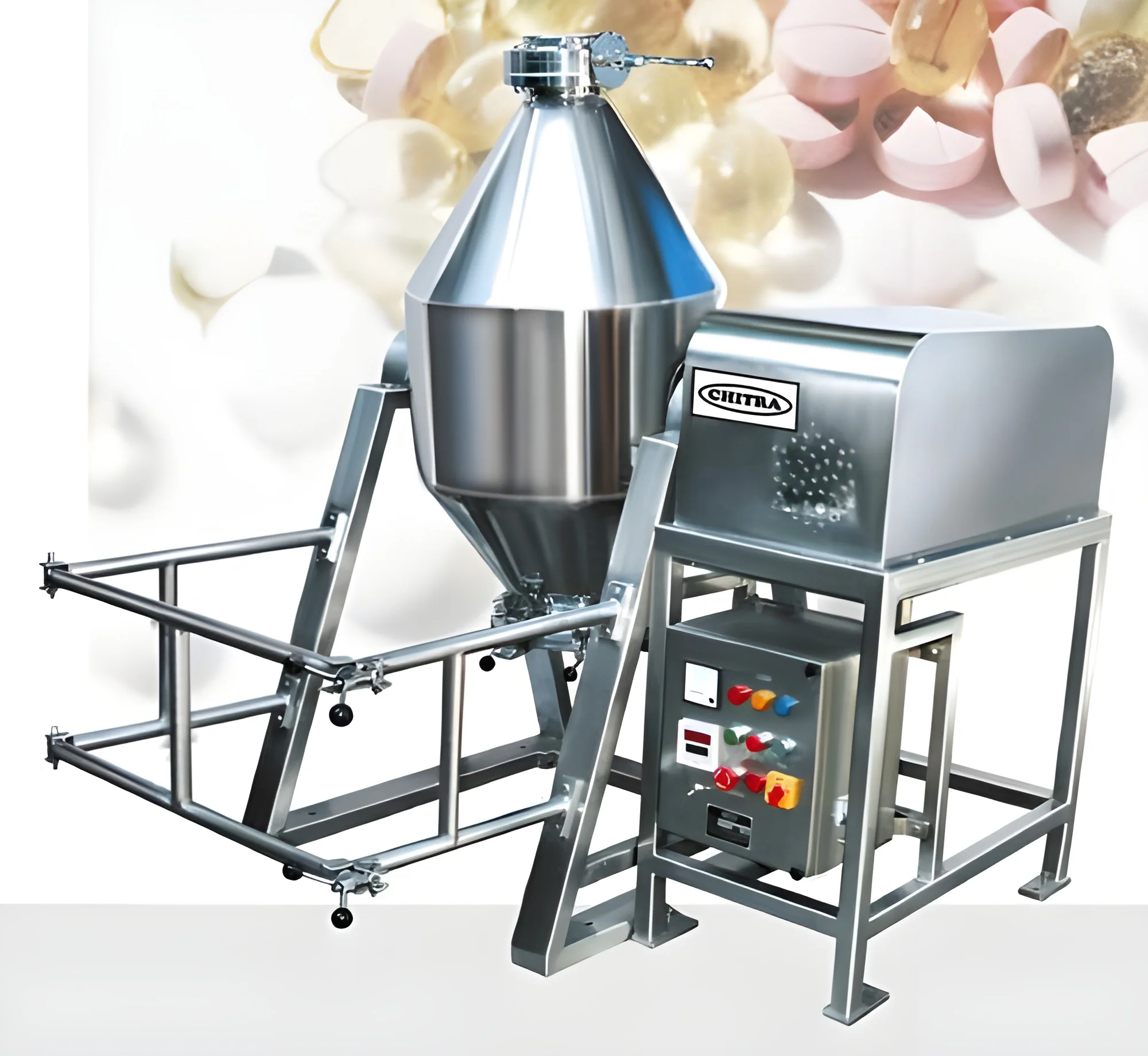
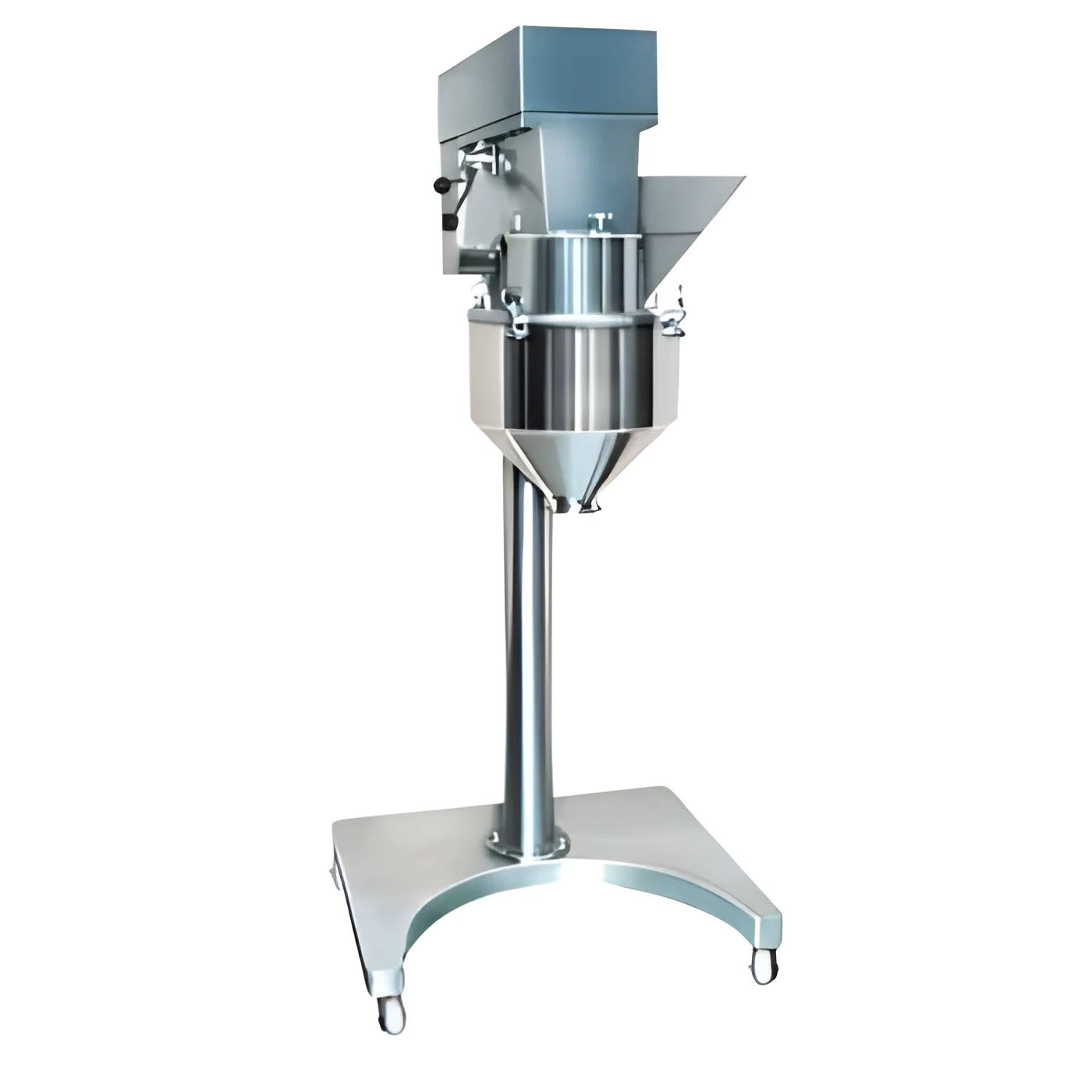
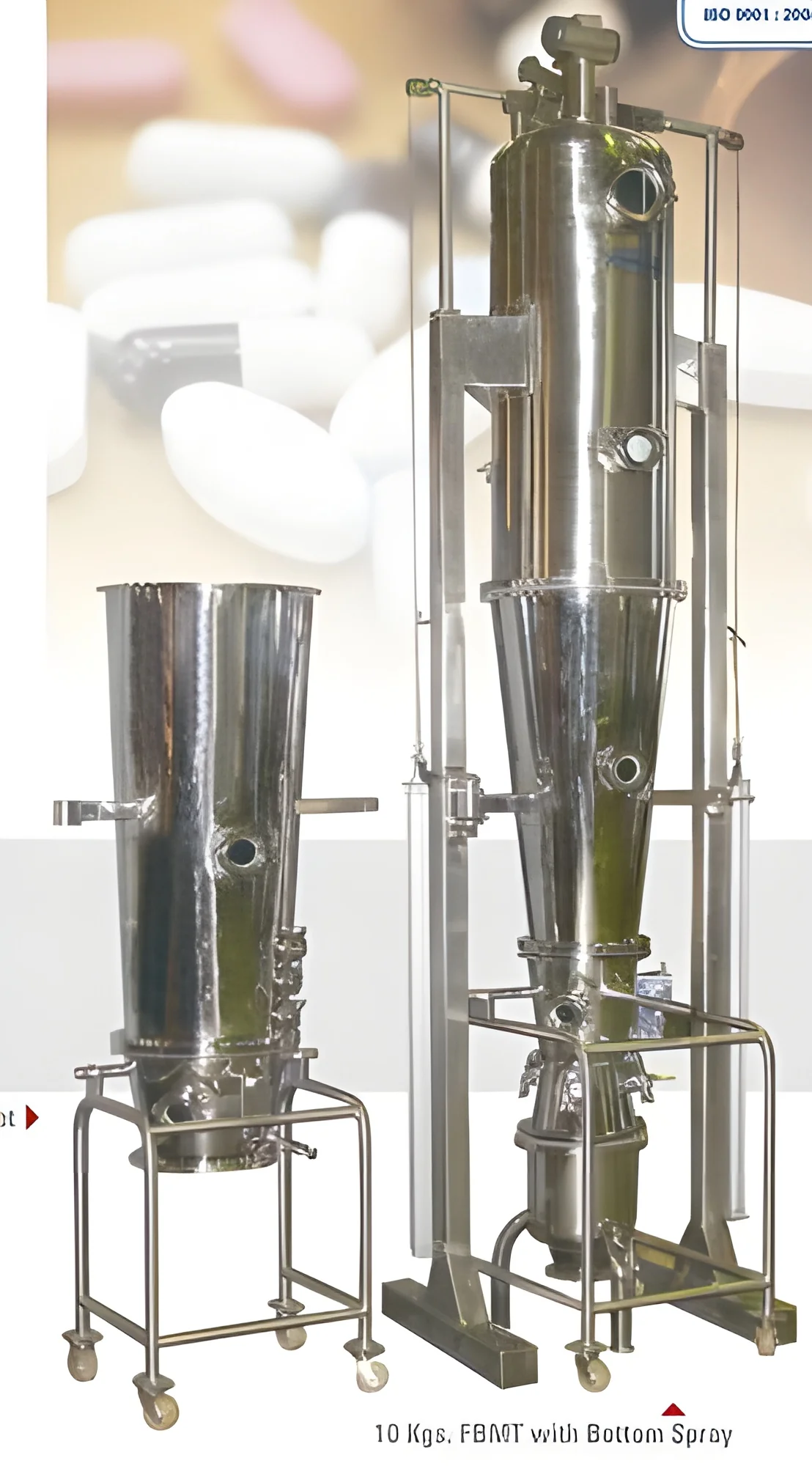
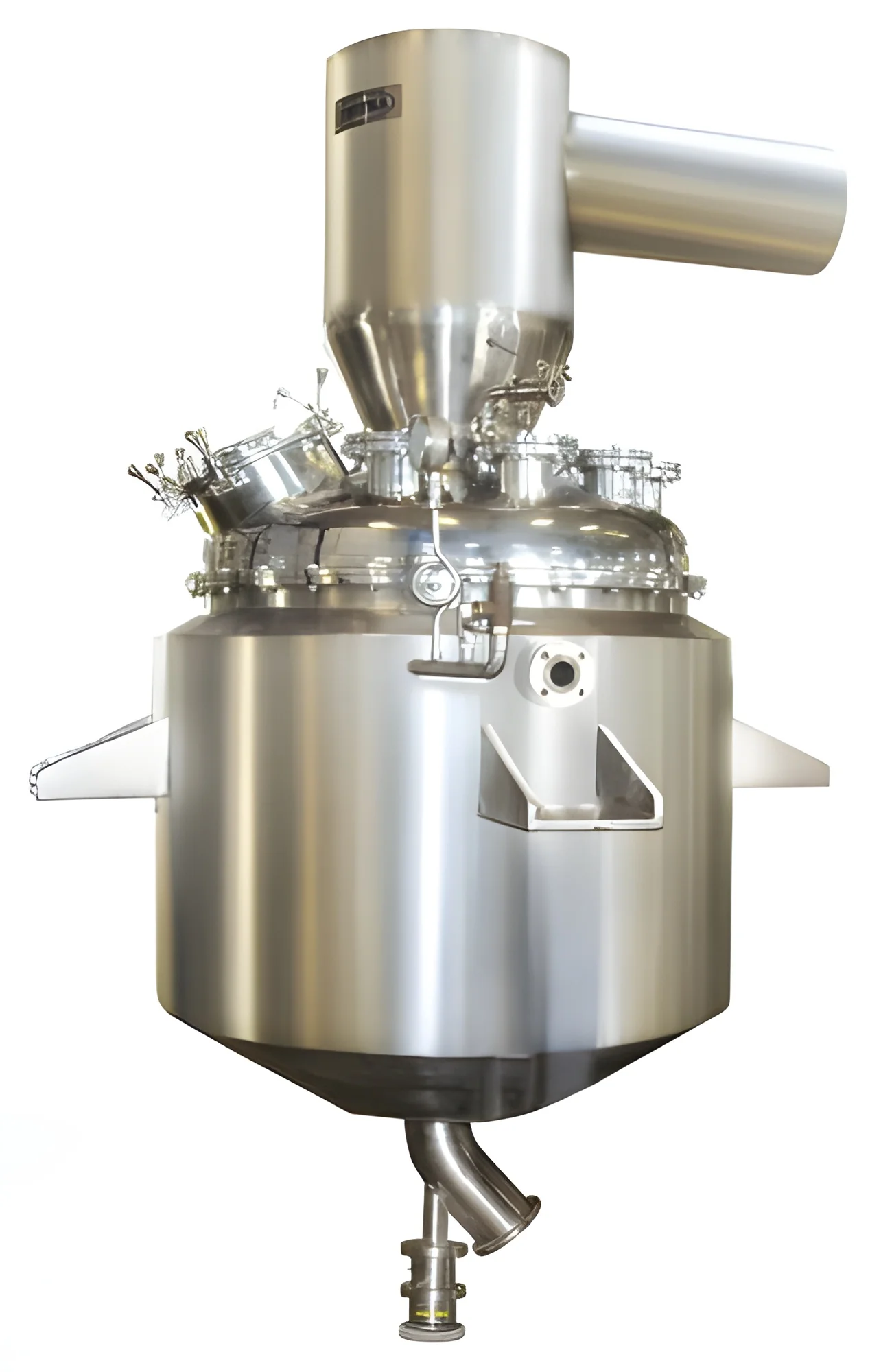
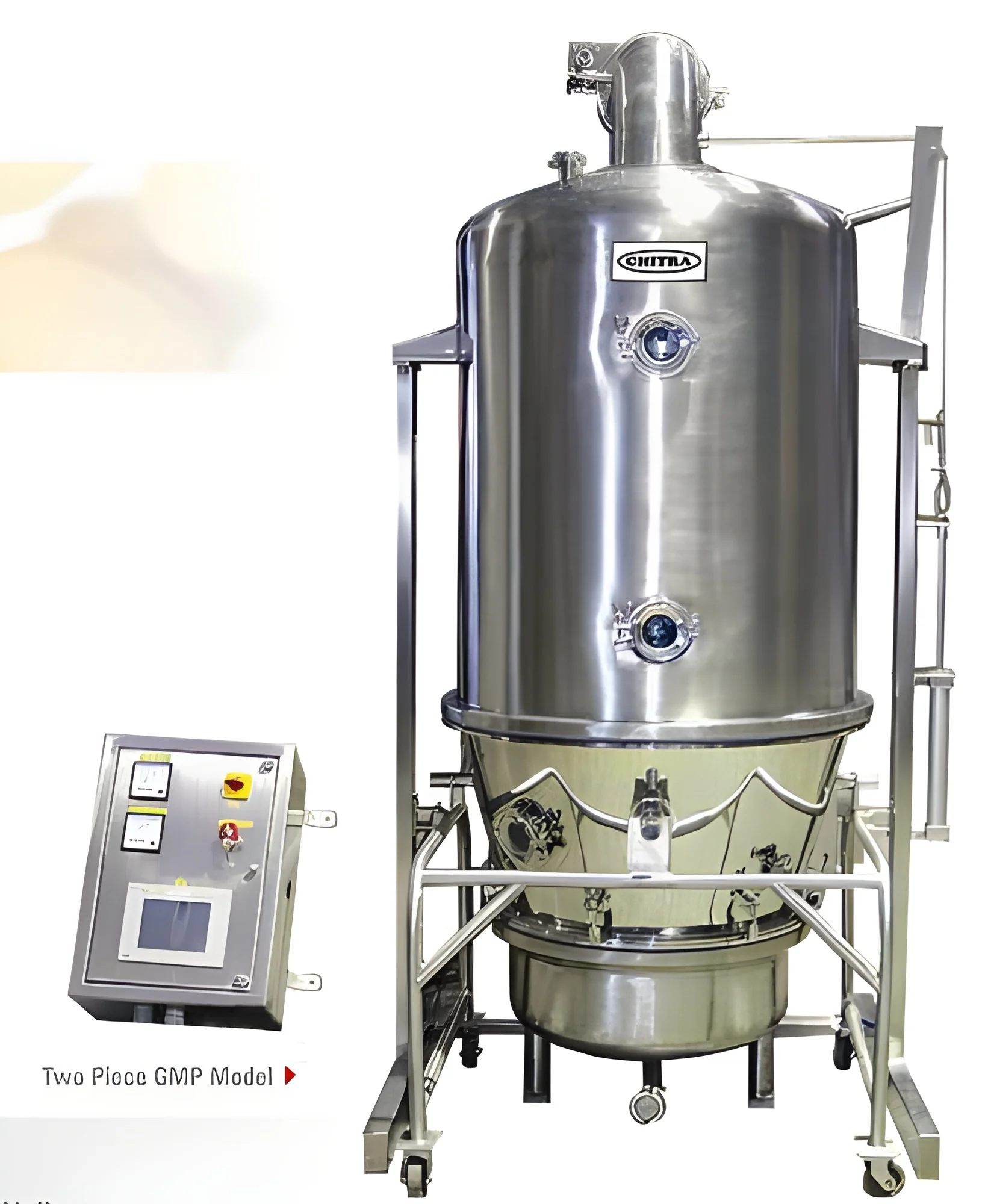
Industrial fluid bed dryers represent advanced drying technology that transforms bulk material processing through efficient fluidization. These systems use precisely controlled heated air streams to suspend and dry granular materials uniformly, eliminating moisture variations common in traditional drying methods. Engineered for industrial durability, they handle high initial moisture content materials while significantly reducing processing time compared to conventional tray or rotary dryers. Their design prioritizes operational simplicity with robust components that withstand continuous production demands, offering reliable performance shift after shift. The compact footprint maximizes facility space utilization without sacrificing drying capacity, making them practical solutions for growing operations.

These drying systems serve critical functions across regulated and quality-focused industries. Pharmaceutical manufacturers rely on them for drying granules and powder blends while ma...
Industrial fluid bed dryers represent advanced drying technology that transforms bulk material processing through efficient fluidization. These systems use precisely controlled heated air streams to suspend and dry granular materials uniformly, eliminating moisture variations common in traditional drying methods. Engineered for industrial durability, they handle high initial moisture content materials while significantly reducing processing time compared to conventional tray or rotary dryers. Their design prioritizes operational simplicity with robust components that withstand continuous production demands, offering reliable performance shift after shift. The compact footprint maximizes facility space utilization without sacrificing drying capacity, making them practical solutions for growing operations.

These drying systems serve critical functions across regulated and quality-focused industries. Pharmaceutical manufacturers rely on them for drying granules and powder blends while maintaining strict compliance with Good Manufacturing Practices. Chemical processing plants utilize fluid bed technology for hygroscopic materials where consistent moisture content determines product stability and performance. Food production facilities employ these dryers for items requiring precise moisture control like dairy powders and seasoning blends, where both hygiene and consistency are non-negotiable. The technology also supports agricultural sectors in drying seeds and specialty fertilizers, while industrial material processors apply it to ceramics, minerals, and various compounds requiring controlled dehydration parameters.

Businesses select fluid bed dryers for their proven return on investment through operational efficiency and product quality enhancement. The uniform drying process eliminates hot spots that cause material waste, directly improving yield percentages and batch consistency. Energy-efficient operation reduces power consumption compared to conventional drying methods, lowering production costs over the equipment lifecycle. Customizable configurations allow seamless integration into existing production lines with minimal disruption to ongoing operations. With durable construction requiring minimal maintenance, these systems deliver long-term reliability that supports continuous production schedules. Their efficiency translates to faster processing times, enabling businesses to meet demanding production targets and scale operations effectively.

Key Features:
- Advanced fluidization technology ensures uniform moisture reduction across entire material batches.
- Precise temperature and airflow controls adjustable for different material characteristics and requirements.
- Space-efficient design with compact footprint that optimizes facility floor space utilization.
- Industrial-grade construction using durable materials for reliable performance in demanding environments.
- User-friendly operation with intuitive controls and minimal maintenance requirements for continuous use.

Benefits:
- Consistent product quality through uniform drying that eliminates moisture variations and hot spots.
- Reduced processing time compared to traditional drying methods increases overall production throughput.
- Lower energy consumption decreases operational costs while maintaining high drying efficiency.
- Flexible operation adapts to various materials including heat-sensitive compounds without degradation.
- Reliable performance with durable components ensures continuous operation and minimal downtime.
Specifications
| Additional Information | |
|---|---|
| Country of Origin | India |
Application
Fluid bed dryers deliver precise moisture control for granular materials across demanding production environments. Their fluidization technology ensures uniform drying without overheating, protecting sensitive ingredients while maintaining consistent batch quality. These systems handle powders, crystals, and granules with exceptional efficiency, making them ideal for continuous high-volume operations where reliability directly impacts output.
Industries value the adaptability of fluid bed drying systems to specific material requirements. Operators can fine-tune temperature, airflow, and processing parameters to match exact product specifications. This flexibility, combined with hygienic design options, makes these dryers superior to traditional methods for heat-sensitive compounds and strict quality-controlled environments where product integrity cannot be compromised.
- Drying pharmaceutical granules and active ingredients while preserving potency and stability.
- Removing moisture from chemical powders and crystalline compounds without thermal degradation.
- Processing food products including instant beverages, spices, and cereal grains for extended shelf life.
- Handling agricultural materials like coated seeds and fertilizer blends for uniform drying.
- Dehydrating industrial materials including mineral concentrates and ceramic powders efficiently.
Trade Details
| Available Stock | In Stock |
| Sample Availability | No |
Payment Terms
| Payment Terms |
|
Company Profile
Chitra Machineries Private Limited, Gujarat
 Gujarat, India
Gujarat, IndiaIndustrial Equipment & Machinery•Manufacturer•Distributor / Wholesaler•Importer / Exporter
Factory Details
Factory SizeBelow 1000 sqm
Annual Production Capacity0
Main Markets
Eastern Asia
Southeast Asia
Central America
Domestic
Industrial Fluid Bed Dryers For Pharmaceuticals Chemicals Food Processing
Industrial fluid bed dryers provide efficient, uniform moisture reduction for bulk materials in pharmaceuticals, chemicals, and food processing. These reliable systems offer customizable drying solutions with space-saving designs for consistent industrial performance.
Min. Order Quantity: 1 unit
Shipping
Shipping fee and delivery date to be negotiated. Contact supplier now for more details.
Chitra Machineries Private Limited
 Gujarat, India
Gujarat, IndiaIndustrial Equipment & MachineryManufacturer