IN
₹
Apparel & Fashion
Description
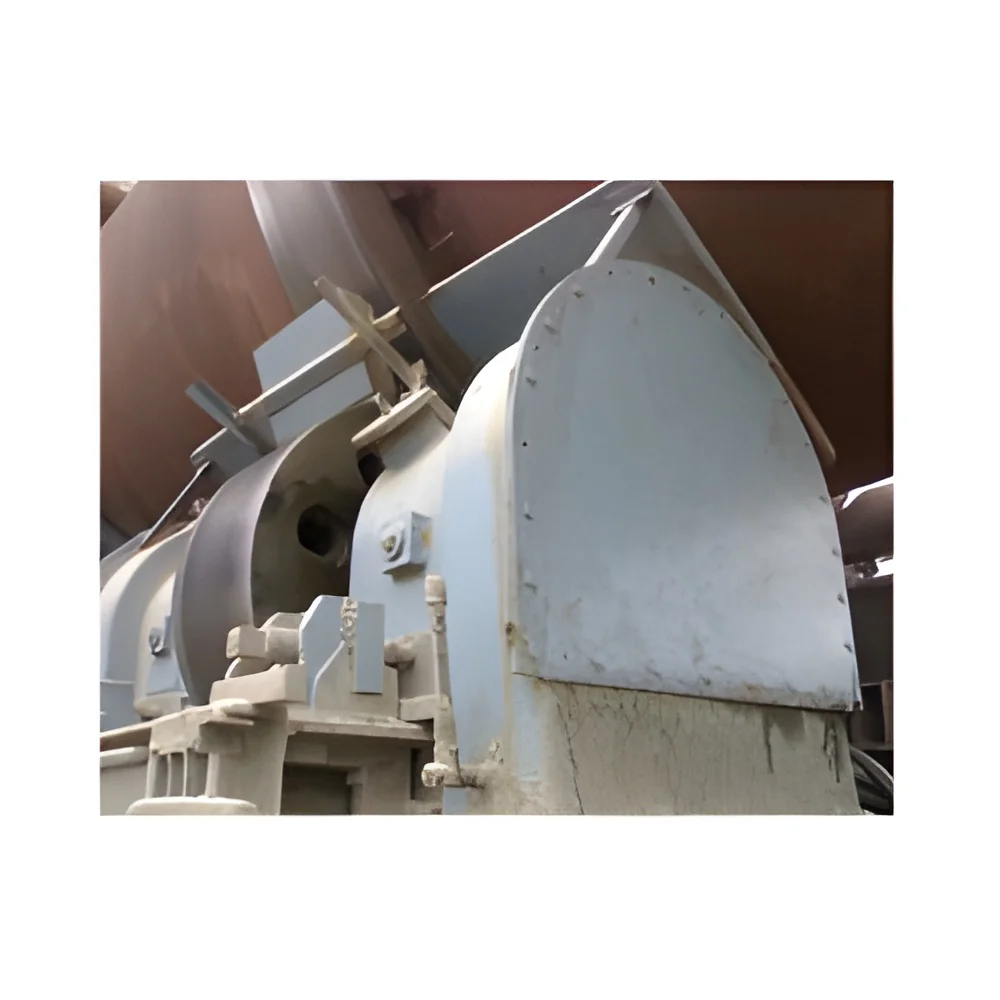
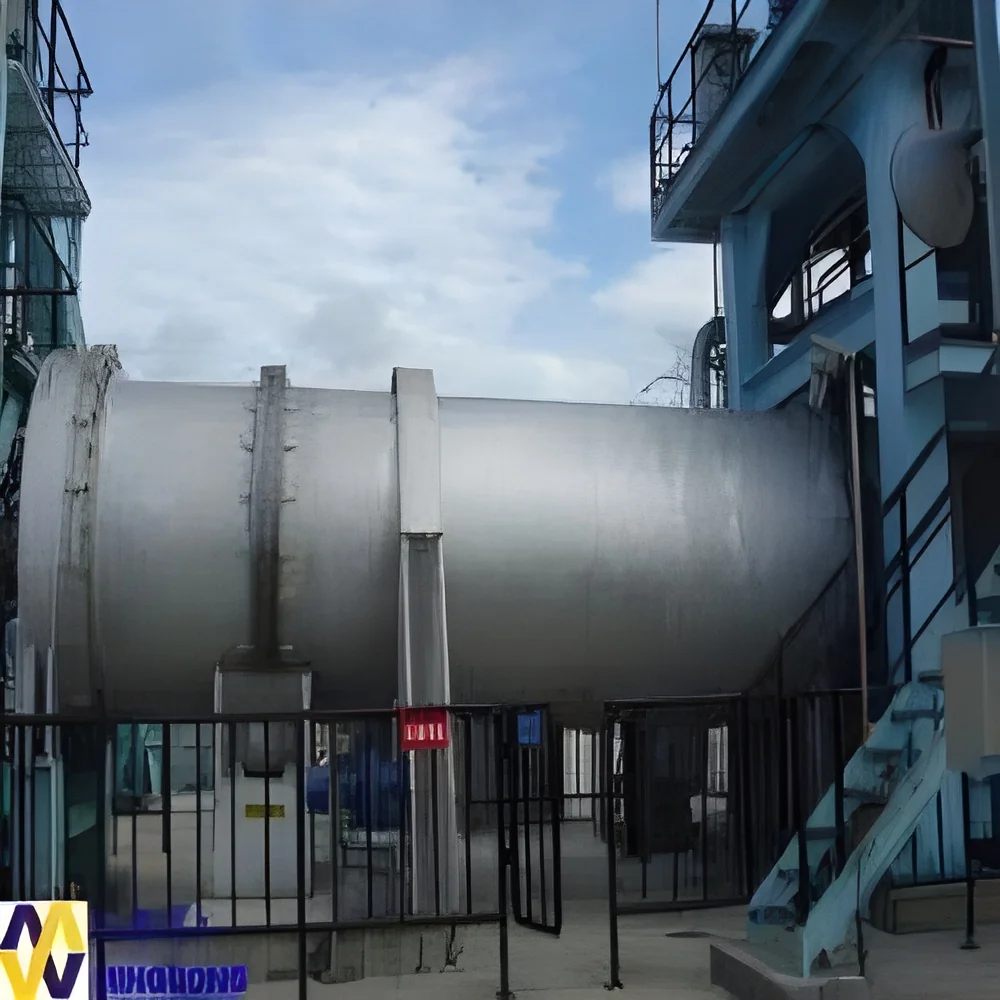
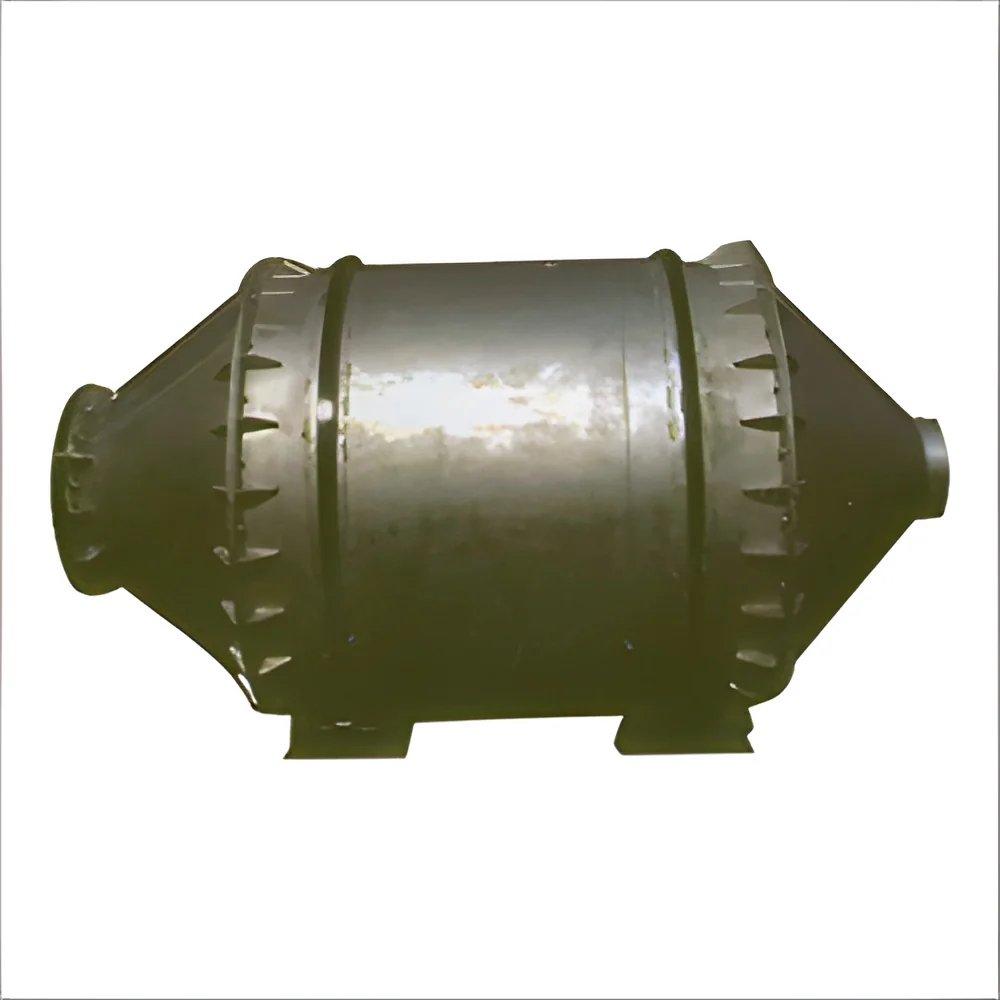
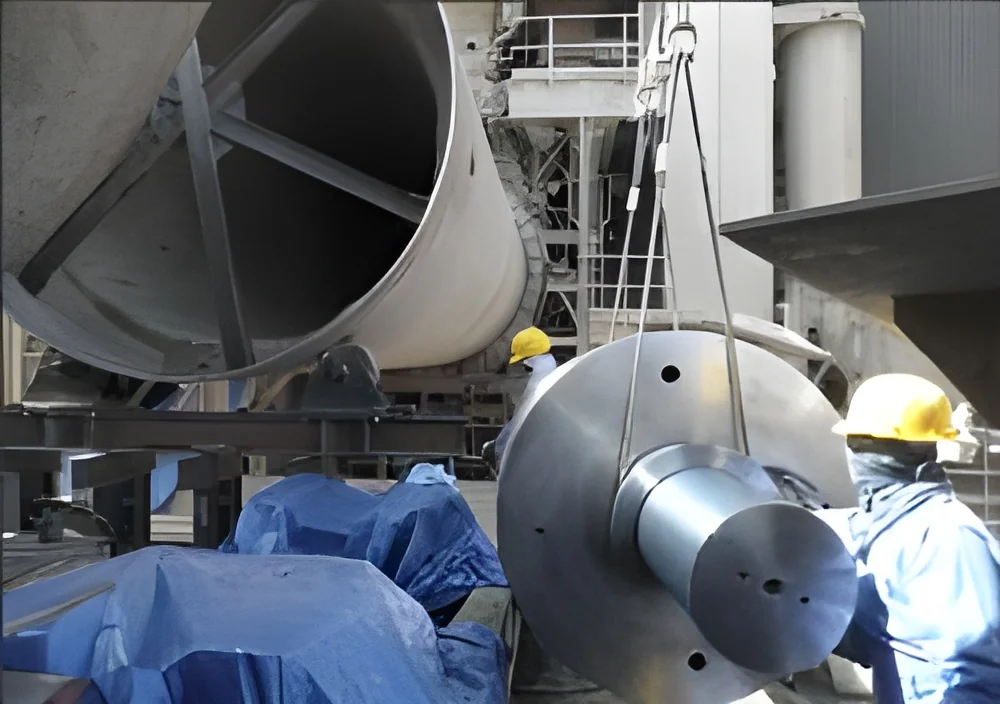
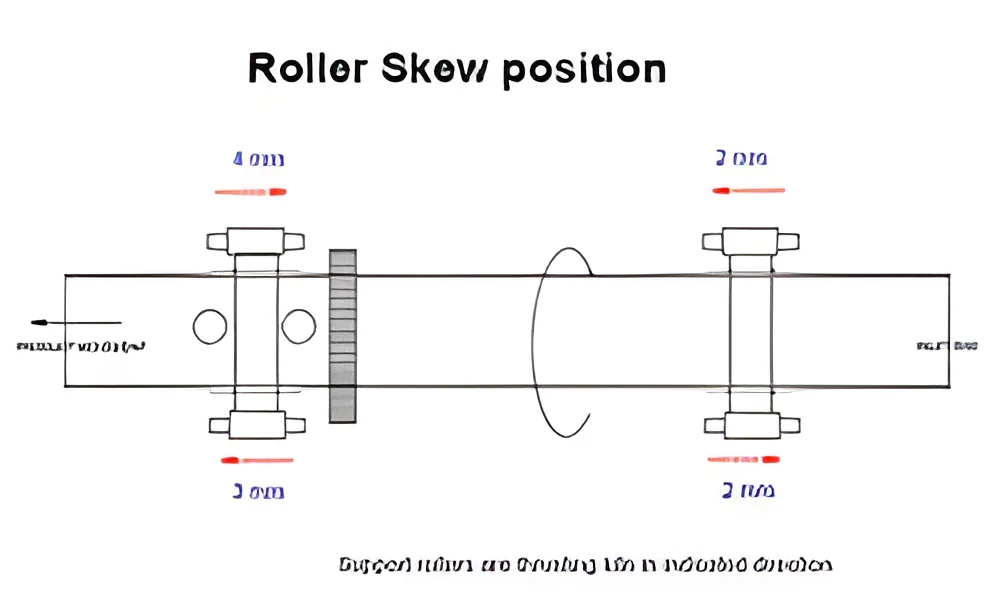
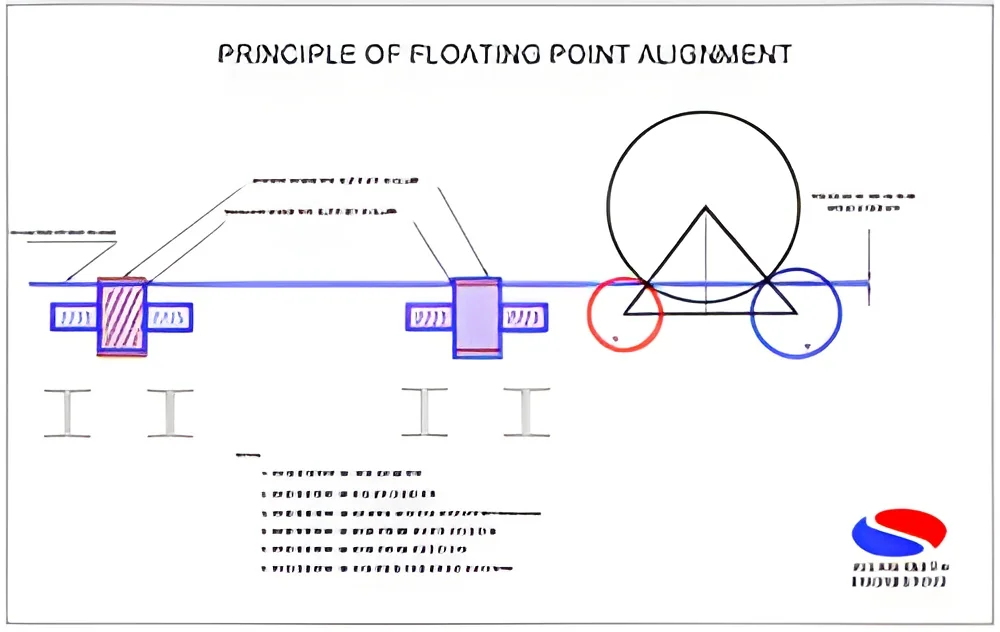
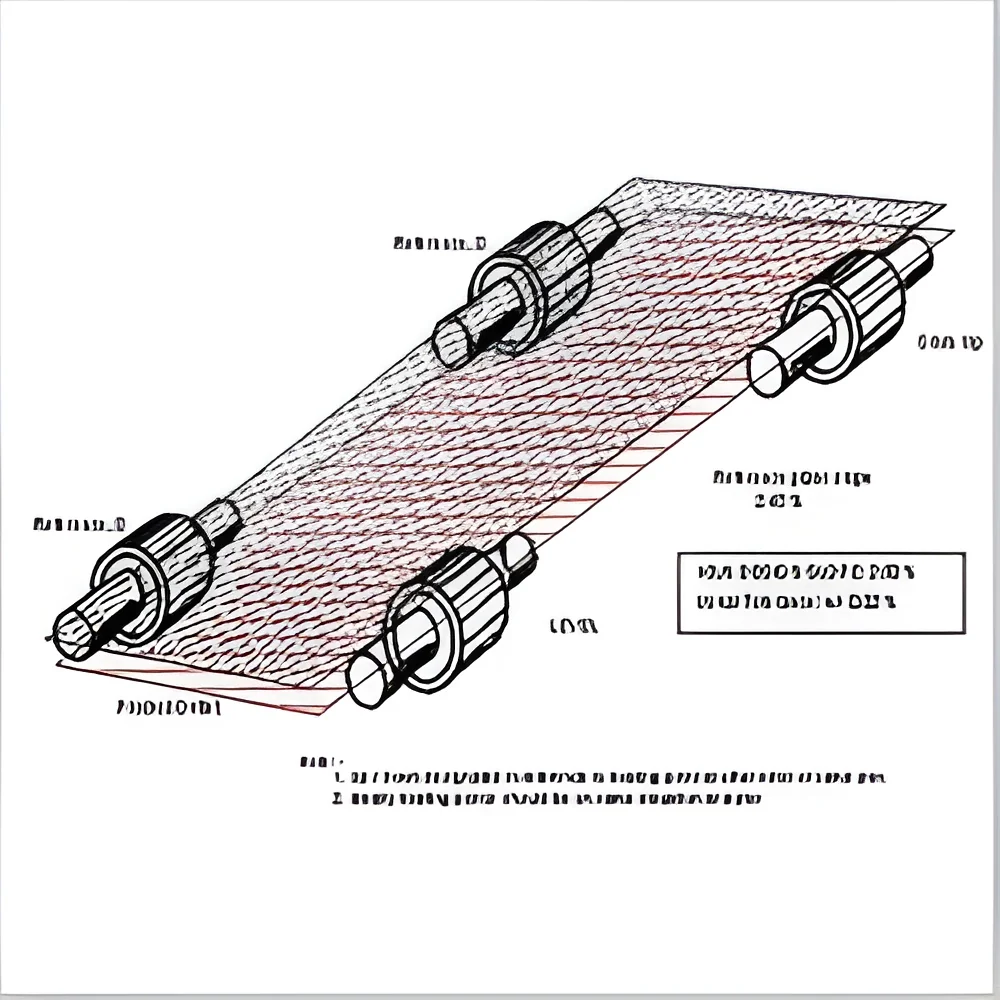
The Allan Smith Floating Point Alignment method represents a specialized engineering solution designed specifically for slow-speed rotary machinery requiring precise mechanical stabilization. This innovative approach focuses exclusively on two pier-supported systems, addressing the unique challenges presented by heavy industrial equipment operating at reduced rotational speeds. Developed through extensive study of industrial alignment challenges, this technique brings all four floating points onto a single reference plane, ensuring uniform load distribution across support rollers and significantly enhancing mechanical stability for long-term operational reliability in demanding industrial environments.

This alignment method finds critical application across numerous heavy industries where precision machinery alignment directly impacts productivity and equipment lifespan. In cement manufacturing, it ensures proper alignment of massive rotary kilns, while in paper production facilities,...
The Allan Smith Floating Point Alignment method represents a specialized engineering solution designed specifically for slow-speed rotary machinery requiring precise mechanical stabilization. This innovative approach focuses exclusively on two pier-supported systems, addressing the unique challenges presented by heavy industrial equipment operating at reduced rotational speeds. Developed through extensive study of industrial alignment challenges, this technique brings all four floating points onto a single reference plane, ensuring uniform load distribution across support rollers and significantly enhancing mechanical stability for long-term operational reliability in demanding industrial environments.

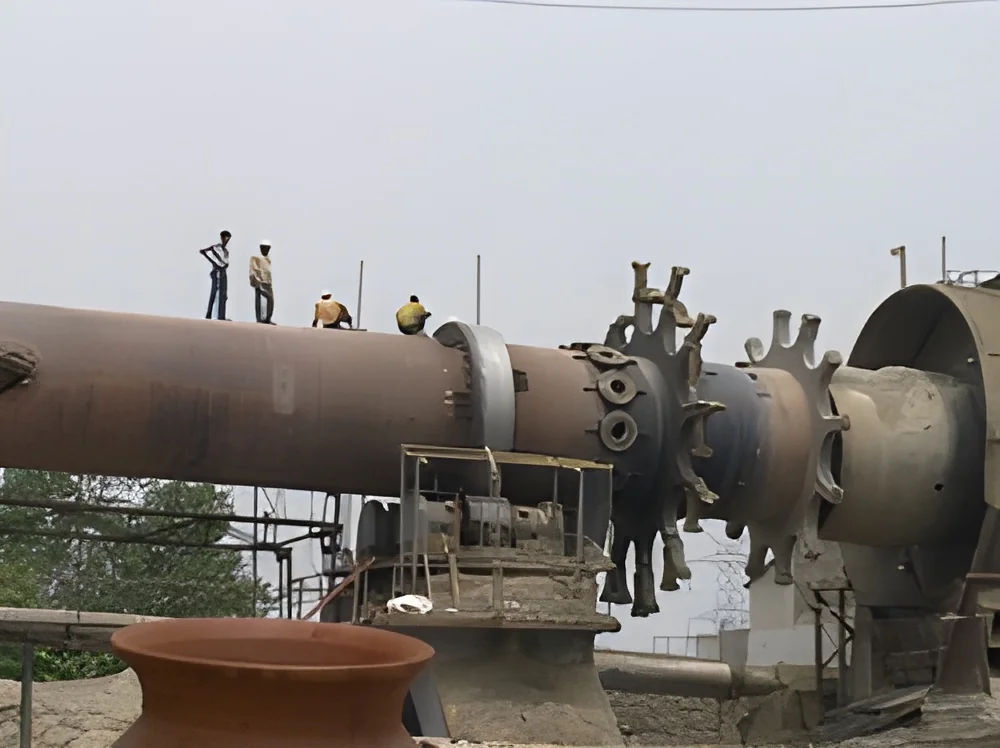
This alignment method finds critical application across numerous heavy industries where precision machinery alignment directly impacts productivity and equipment lifespan. In cement manufacturing, it ensures proper alignment of massive rotary kilns, while in paper production facilities, it maintains the precise positioning of dryer sections and rollers. The oil and gas sector relies on this method for stabilizing large compressors, and marine industries use it for propulsion system alignment. Power generation plants and heavy manufacturing facilities benefit from its ability to maintain mechanical integrity where vibration and mechanical stress present constant operational challenges.

The business value of implementing the Floating Point Alignment method extends beyond mechanical improvements to deliver substantial operational and financial benefits. Companies experience reduced maintenance costs, extended equipment lifespan, and decreased downtime due to mechanical failures. The method's reliability stems from its targeted design approach, which addresses specific pain points in two pier-supported systems. This focused solution differentiates itself through proven performance in real-world industrial applications, offering consistent results across different industrial environments while maintaining precision alignment standards.

Key Features:
- Specifically engineered for slow-speed rotary machinery applications
- Exclusive compatibility with two pier-supported equipment systems
- Four-point floating reference plane technology for precision alignment
- Advanced mechanical stabilization for heavy industrial equipment
- Proven performance across various industrial environments

Benefits:
- Ensures uniform load distribution across support points
- Reduces mechanical stress and equipment wear significantly
- Extends machinery lifespan and operational reliability
- Decreases maintenance costs and operational downtime
- Provides consistent performance in demanding industrial conditions
Specifications
| Additional Information | |
|---|---|
| Country of Origin | India |
Application
The Floating Point Alignment method provides essential mechanical stabilization for two pier-supported systems in heavy industrial environments. This specialized approach creates a stable reference plane that ensures optimal load distribution across support points, significantly reducing mechanical stress and wear while maintaining precise alignment for slow-speed rotary equipment operating under demanding conditions.
This alignment solution proves critical in industries where precision directly impacts operational efficiency and equipment lifespan. It effectively addresses common alignment challenges in heavy machinery applications, offering reliable performance where traditional methods often fall short. The method's design specifically targets the unique requirements of two pier systems, delivering consistent results across various industrial settings.
- Alignment of large rotary kilns in cement manufacturing facilities
- Precision positioning of paper mill dryer sections and rollers
- Stabilization of heavy compressors in oil and gas installations
- Mechanical alignment of industrial fans and blower systems
- Foundation alignment for marine propulsion systems and large pumps
Trade Details
| Available Stock | In Stock |
| Sample Availability | No |
Payment Terms
| Payment Terms |
|
Company Profile
Allan Smith Engineering, Maharashtra
 Maharashtra, India
Factory Details
Factory SizeBelow 1000 sqm
Annual Production Capacity0
Industrial Machinery Floating Point Alignment For Two Pier Systems
Allan Smith Floating Point Alignment delivers precise mechanical stabilization for slow-speed rotary machinery on two pier systems, ensuring uniform load sharing and reliable industrial performance with enhanced equipment longevity.
Min. Order Quantity: 1 unit
Shipping
Shipping fee and delivery date to be negotiated. Contact supplier now for more details.
Allan Smith Engineering
 Maharashtra, India