IN
IN₹
Apparel & Fashion
Loading subcategories...
View More
Description
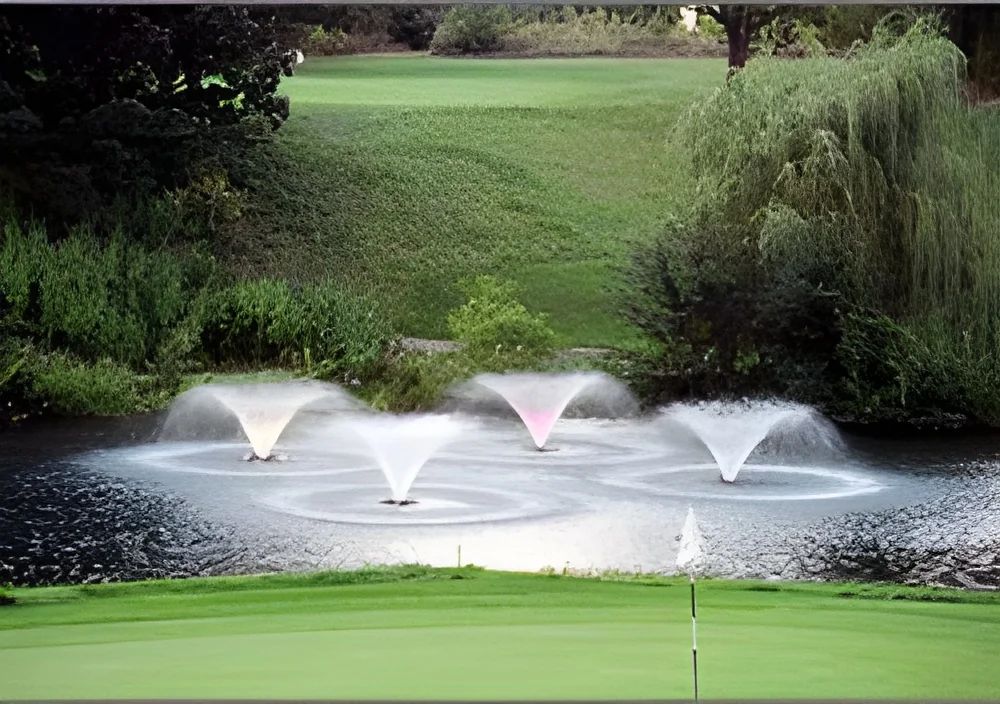
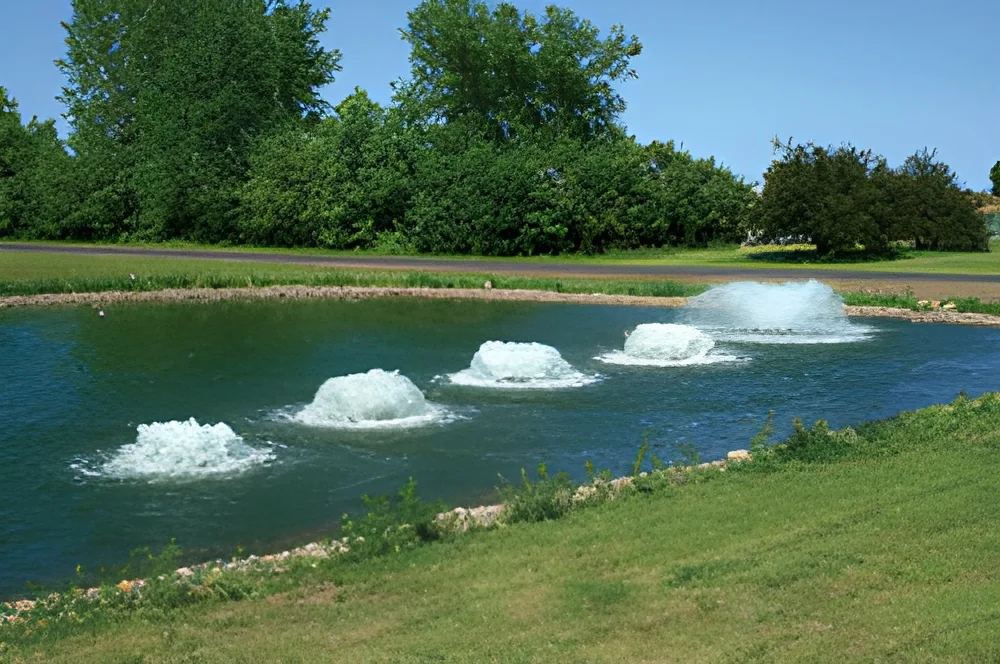
Industrial floating aerators are engineered to maximize oxygen transfer efficiency in water treatment processes. These systems feature a floating platform with an electric motor and specialized impeller that draws water from below and disperses it into fine droplets, significantly increasing oxygen absorption. Built for harsh environments, they utilize corrosion-resistant materials like stainless steel and HDPE to ensure long-term durability. The straightforward installation process and minimal maintenance requirements make these aerators suitable for applications ranging from small ponds to large-scale treatment facilities, providing reliable aeration where it's needed most.

Multiple industries depend on floating aerators for effective water management solutions. Municipal wastewater treatment plants utilize them in oxidation ponds and lagoons to reduce biochemical oxygen demand and chemical oxygen demand, ensuring compliance with discharge regulations. Aquaculture operations rely on...
Industrial floating aerators are engineered to maximize oxygen transfer efficiency in water treatment processes. These systems feature a floating platform with an electric motor and specialized impeller that draws water from below and disperses it into fine droplets, significantly increasing oxygen absorption. Built for harsh environments, they utilize corrosion-resistant materials like stainless steel and HDPE to ensure long-term durability. The straightforward installation process and minimal maintenance requirements make these aerators suitable for applications ranging from small ponds to large-scale treatment facilities, providing reliable aeration where it's needed most.

Multiple industries depend on floating aerators for effective water management solutions. Municipal wastewater treatment plants utilize them in oxidation ponds and lagoons to reduce biochemical oxygen demand and chemical oxygen demand, ensuring compliance with discharge regulations. Aquaculture operations rely on these systems to maintain critical dissolved oxygen levels that prevent fish mortality in high-density environments. Industrial sectors including food processing, textiles, and chemicals employ floating aerators to treat effluent containing organic pollutants and contaminants, supporting sustainable operations and regulatory adherence across production cycles.

The business value of floating aerators centers on their operational reliability, energy efficiency, and substantial long-term cost savings. These systems reduce operational expenses through optimized energy consumption and minimal maintenance downtime, thanks to robust construction and quality components. Their ability to enhance treatment efficiency results in faster process cycles and superior output quality, ultimately boosting overall productivity. The scalable nature of floating aerators allows businesses to expand treatment capabilities without major infrastructure investments, while their proven performance delivers consistent return on investment through reliable operation.

Key Features:
- Corrosion-resistant construction using stainless steel and HDPE materials
- High-efficiency impeller design for optimal oxygen transfer and mixing
- Floating mechanism that automatically adjusts to water level changes
- Electric motor equipped with thermal overload protection
- Durable components engineered for long service life in harsh conditions

Benefits:
- Reduced operational costs through energy-efficient performance
- Minimal maintenance requirements and downtime
- Enhanced treatment efficiency with improved oxygen transfer
- Reliable operation in demanding industrial environments
- Long-term durability providing consistent return on investment
Specifications
| Additional Information | |
|---|---|
| Country of Origin | India |
| Customisable | No |
Application
Floating aerators maintain optimal dissolved oxygen levels in water bodies, making them essential for municipal and industrial wastewater treatment. They effectively reduce organic load, control odors, and enhance microbial activity in oxidation ponds and lagoons. These systems are widely used in aquaculture to support fish health by preventing oxygen depletion and ensuring uniform water quality throughout ponds.
In industrial environments, floating aerators help meet environmental compliance by treating effluent before discharge. They serve industries like food processing, pharmaceuticals, and textiles where stable aeration is critical for process control. The floating design allows easy installation and adapts to changing water levels, delivering consistent performance across diverse operational conditions.
- Municipal wastewater treatment plants for sewage oxidation and nutrient removal
- Aquaculture farms to maintain oxygen levels for healthy fish growth
- Industrial effluent treatment in textile and pharmaceutical manufacturing
- Lakes and reservoirs managing eutrophication and water quality
- Oxidation ponds in rural areas providing decentralized sewage treatment
Trade Details
| Available Stock | In Stock |
| Sample Availability | No |
Payment Terms
| Payment Terms |
|
Company Profile

Colors Fountain, New Delhi
 New Delhi, India
New Delhi, IndiaOffice Supplies & Equipment•Manufacturer•Retailer•Importer / Exporter
Factory Details
Factory SizeBelow 1000 sqm
Annual Production Capacity0
Main Markets
Mid East
Eastern Asia
South Asia
Western Europe
Domestic
Industrial Floating Aerators For Wastewater Treatment And Aquaculture
Industrial floating aerators deliver high-efficiency oxygen transfer for wastewater treatment and aquaculture. Robust design ensures reliable BOD/COD reduction and prevents water stagnation in industrial ponds.
Min. Order Quantity: 1 unit
Shipping
Shipping fee and delivery date to be negotiated. Contact supplier now for more details.
Colors Fountain
 New Delhi, India
New Delhi, IndiaOffice Supplies & EquipmentManufacturer