IN
IN₹
Apparel & Fashion
Description
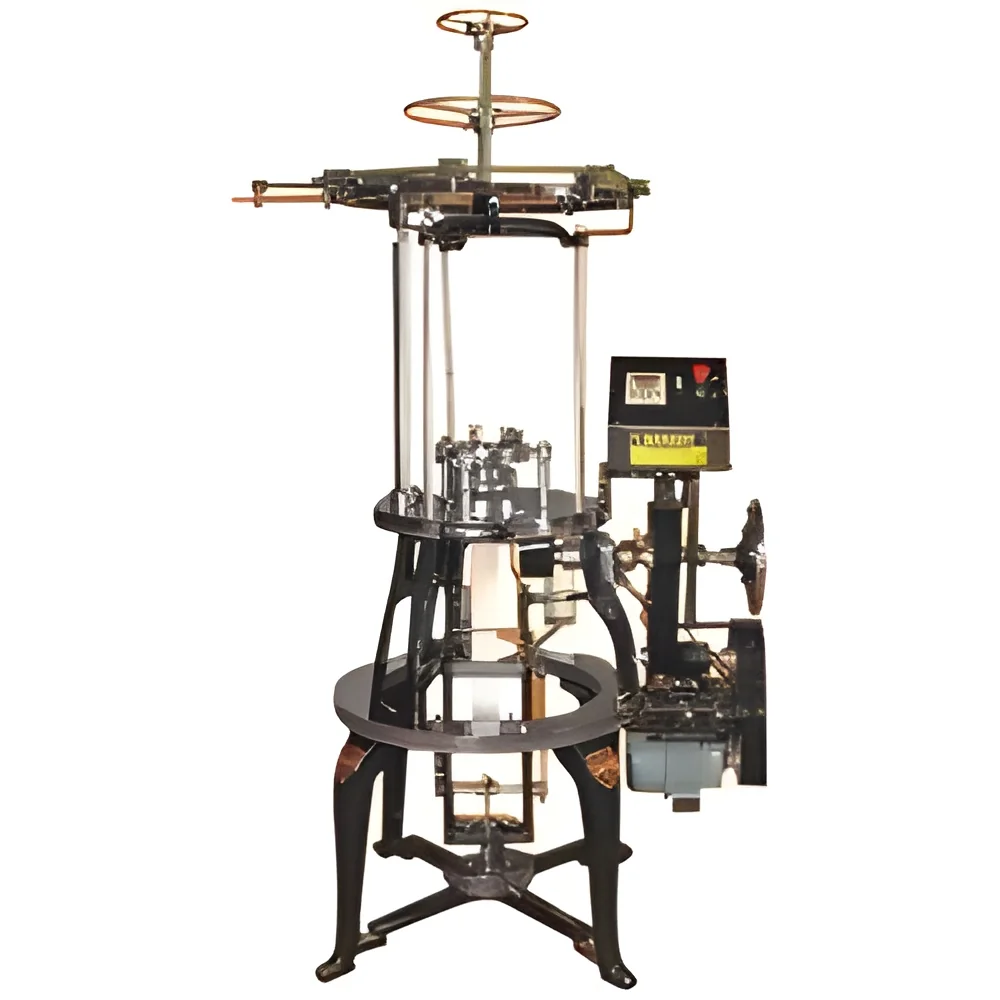
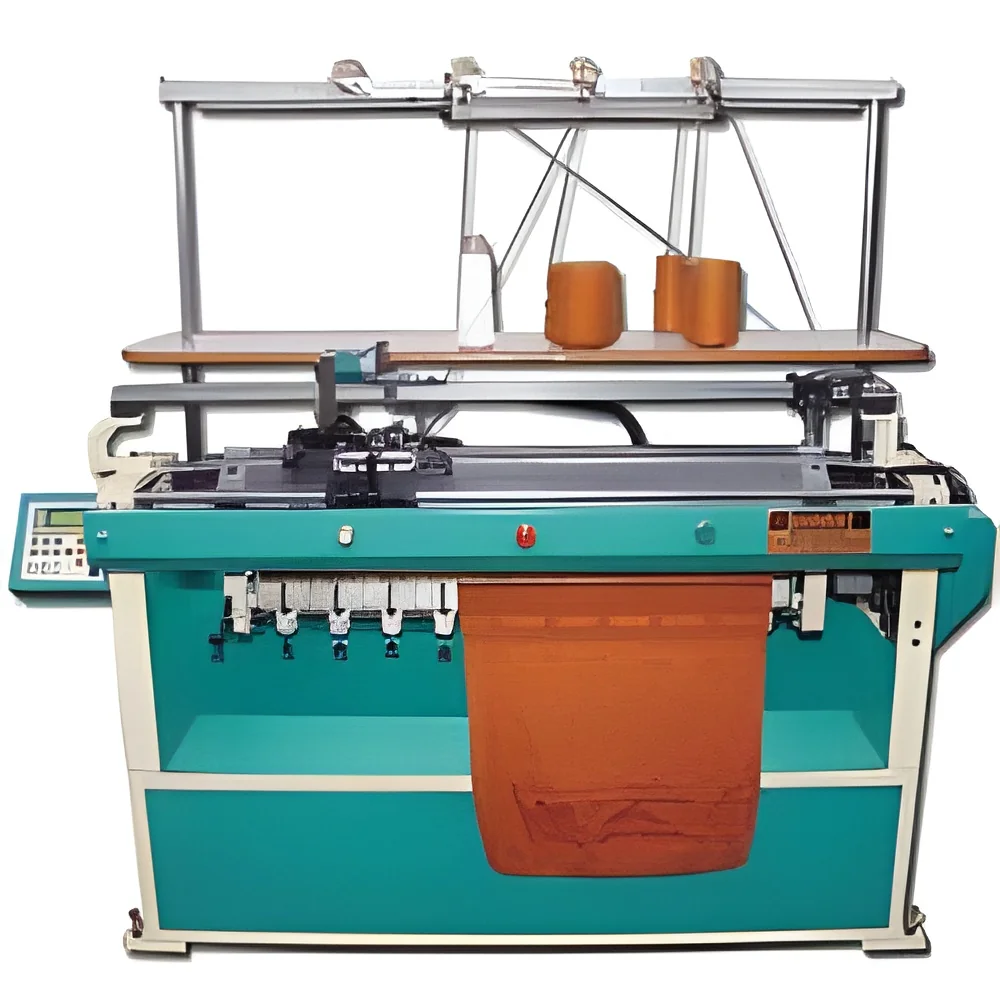
Industrial computerized flat knitting machines represent precision textile manufacturing technology designed for serious production operations. These advanced systems automate the knitting process for wool, acrylic, rayon, and blended yarns, delivering consistent fabric quality with minimal manual intervention. The machines perform complex operations including pattern execution, color changes, and fabric transport automatically, ensuring higher production efficiency while maintaining uniform output across all manufactured textiles. Their robust industrial construction provides the durability needed for continuous operation in manufacturing facilities.

These machines serve as essential equipment for sweater manufacturers, garment producers, and textile specialists who require precision and versatility. The apparel industry relies on them for complete sweater production and intricate garment components, while accessory manufacturers use them for knitted items requiring detailed patterns...
Industrial computerized flat knitting machines represent precision textile manufacturing technology designed for serious production operations. These advanced systems automate the knitting process for wool, acrylic, rayon, and blended yarns, delivering consistent fabric quality with minimal manual intervention. The machines perform complex operations including pattern execution, color changes, and fabric transport automatically, ensuring higher production efficiency while maintaining uniform output across all manufactured textiles. Their robust industrial construction provides the durability needed for continuous operation in manufacturing facilities.

These machines serve as essential equipment for sweater manufacturers, garment producers, and textile specialists who require precision and versatility. The apparel industry relies on them for complete sweater production and intricate garment components, while accessory manufacturers use them for knitted items requiring detailed patterns. Technical textile producers utilize these systems for specialized fabrics where consistent knit structure is critical. The footwear industry incorporates them for shoe-top fabrics and other knitted components, demonstrating broad applicability across sectors that demand reliable, high-quality knitting capabilities.

The investment in these computerized systems delivers significant operational value through enhanced production efficiency and consistent output quality. Their reliability minimizes downtime and maximizes productivity in industrial settings, translating to long-term operational savings and competitive advantage. The precision engineering ensures fabrics meet exact specifications batch after batch, reducing material waste and improving overall manufacturing yield. These machines provide the technological foundation for businesses to scale production while maintaining quality standards and adapting to evolving material and design requirements.

Key Features:
- Computerized control system for automated pattern execution and color changes
- Dual-bed knitting capability with knit, tuck, and miss cam systems for versatile stitching
- Multiple feeder configurations supporting complex multi-color designs
- Adjustable stitch density control on both front and rear beds for precise fabric tension
- Racking mechanism for pattern versatility and design flexibility

Benefits:
- Increased production efficiency through complete automation of complex knitting operations
- Consistent fabric quality and uniform output across all production batches
- Versatility in handling various yarn types including wool, acrylic, rayon, and blends
- Reduced labor requirements and operational costs through automated processes
- Enhanced design capabilities supporting intricate patterns and multi-color textiles
Specifications
| Additional Information | |
|---|---|
| Country of Origin | India |
Application
These computerized flat knitting machines are engineered for high-volume textile production, automating complex patterns with consistent quality. They efficiently process diverse yarns including wool, acrylic, rayon, and blended fibers, making them indispensable for operations that demand both speed and intricate design capability. Their robust construction ensures reliable performance in demanding industrial environments, supporting continuous manufacturing cycles.
Manufacturers across multiple sectors utilize these machines for their versatility and precision. The technology supports the creation of everything from basic knit fabrics to sophisticated patterned textiles, adapting to various material requirements and design specifications. This flexibility allows businesses to respond quickly to market trends while maintaining high standards of production quality and operational efficiency.
- Full sweater manufacturing with automated pattern integration
- Production of garment components like collars, cuffs, and trims
- Knitted accessories including hats, scarves, and shawls
- Leggings, hosiery, and specialized intimate apparel items
- Technical and industrial fabrics requiring precise knit structures
Trade Details
| Available Stock | In Stock |
| Sample Availability | No |
Payment Terms
| Payment Terms |
|
Company Profile
A. B. K. Overseas Private Limited, Punjab
 Punjab, India
Punjab, IndiaIndustrial Equipment & Machinery•Manufacturer•Distributor / Wholesaler•Importer / Exporter
Factory Details
Factory SizeBelow 1000 sqm
Annual Production Capacity0
Industrial Computerized Flat Knitting Machines for Sweater and Garment Production
Industrial computerized flat knitting machines for sweater and garment production. These reliable machines handle wool, acrylic, rayon, and blended yarns with precision, delivering efficient and consistent fabric manufacturing for industrial operations.
Min. Order Quantity: 1 unit
Shipping
Shipping fee and delivery date to be negotiated. Contact supplier now for more details.
A. B. K. Overseas Private Limited
 Punjab, India
Punjab, IndiaIndustrial Equipment & MachineryManufacturer