IN
INundefined
Similar Products



Description
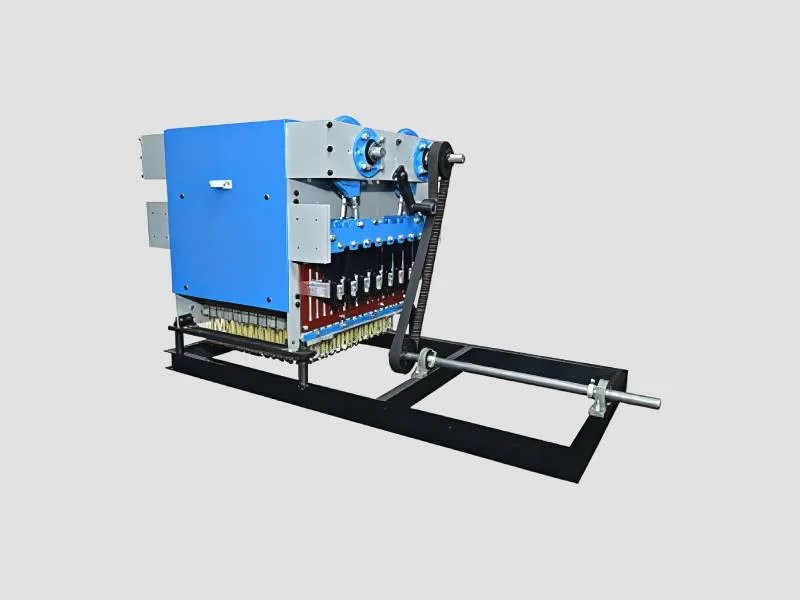
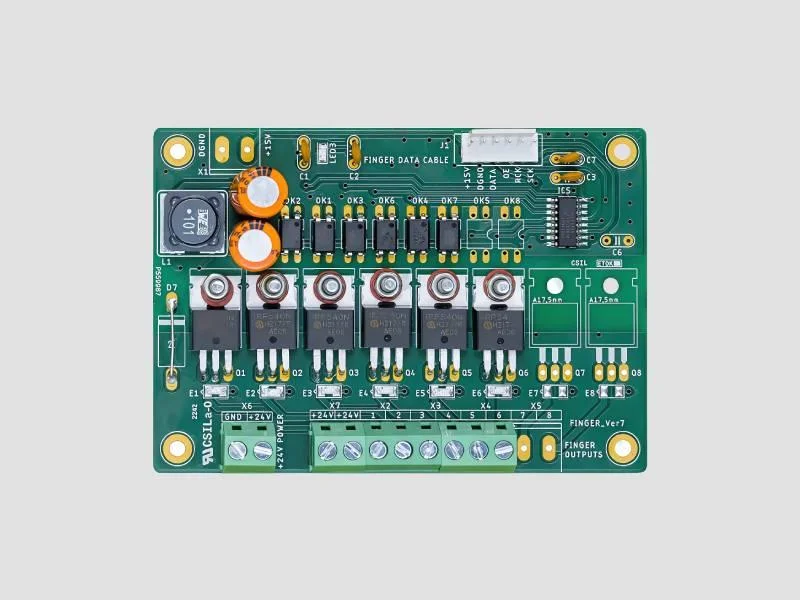
The Finger Board represents a fundamental electrical component engineered for precision and safety in power distribution systems. This specialized board provides multiple organized...
The Finger Board represents a fundamental electrical component engineered for precision and safety in power distribution systems. This specialized board provides multiple organized terminal points for secure wire connections, serving as the critical interface between incoming power sources and outgoing circuit branches. Constructed from high-grade conductive materials like copper or metal with protective insulating coatings, it ensures reliable electrical continuity while preventing accidental contact with live components. The design incorporates robust bolt or screw connections for firm wire termination, creating stable electrical joints that maintain integrity under varying load conditions. This component forms the backbone of organized electrical systems, transforming chaotic wiring into structured, manageable circuits that professionals can install, maintain, and modify with confidence.

Across industrial sectors, finger boards find essential application in environments where electrical reliability cannot be compromised. Manufacturing facilities utilize them within machine control panels to distribute power to motors, sensors, and programmable logic controllers. Energy generation plants incorporate these boards into switchgear assemblies for safe power routing between generators, transformers, and distribution networks. Commercial building contractors install them in electrical rooms to organize circuits for lighting, HVAC systems, and emergency power. Automation engineers depend on finger boards within control cabinets to create logical wiring schemes for complex production equipment. Telecommunications infrastructure relies on these components to manage power distribution to network equipment racks and server installations.

The business value of implementing quality finger boards extends beyond basic electrical functionality to encompass operational efficiency and risk reduction. These components deliver tangible reliability through corrosion-resistant materials and durable construction suitable for harsh industrial environments with temperature fluctuations from -40°C to 85°C. Their organized layout reduces installation time by up to 30% compared to point-to-point wiring methods, while the standardized connection points minimize wiring errors during assembly. The safety features, including protective covers and insulation barriers, significantly reduce workplace electrical hazards and potential downtime from short circuits. Long-term maintenance costs decrease because clearly labeled, accessible terminals allow technicians to quickly isolate and repair specific circuits without disrupting entire systems.

Key Features:
- Constructed from high-grade conductive metals like copper with insulating coatings for safety
- Provides multiple organized terminal points with bolt or screw connections for secure wire termination
- Rated to withstand temperature extremes from -40°C to 85°C for reliable operation in varied environments
- Incorporates protective covers and insulation barriers to prevent accidental contact with live electrical parts
- Features corrosion-resistant materials and durable construction suitable for harsh industrial applications

Benefits:
- Creates organized, accessible wiring layouts that reduce installation time and minimize errors
- Enhances electrical safety through insulated barriers that protect personnel from accidental contact
- Enables efficient maintenance with clearly labeled terminals for quick circuit identification and isolation
- Provides reliable long-term performance with materials resistant to corrosion and mechanical wear
- Supports system scalability with standardized connection points that accommodate future modifications
Specifications
| productDetailPage.specification.attribute | productDetailPage.specification.value |
|---|---|
| MaterialCurrent RatingSize and DimensionsSafety FeaturesConnection TypeTemperature ResistanceInsulation TypeDurability |
| Additional Information | |
|---|---|
| Country of Origin | 106 |
| Customisable | No |
Application
The Finger Board serves as the central nervous system for organized electrical connections in industrial environments. Its primary function is to consolidate multiple circuit terminations into a single, secure interface, eliminating messy wiring and reducing installation time. This component ensures that every electrical connection has a designated, safe point of contact, which is critical for maintaining system integrity and facilitating future maintenance or modifications.

Engineers and electricians rely on finger boards to create logical, accessible wiring layouts within control panels and distribution cabinets. The standardized connection points allow for consistent wiring practices across different projects and teams. By providing a structured framework for electrical terminations, these boards prevent accidental short circuits, reduce electromagnetic interference between circuits, and enable clear labeling for easy identification of individual circuits during troubleshooting operations.
- Industrial control panel manufacturing for machinery automation and process control systems
- Electrical distribution board assembly in commercial buildings and industrial facilities
- Power generation and transmission equipment including switchgear and transformer connections
- Manufacturing plant electrical systems for production line power distribution
- Building management systems integrating lighting, HVAC, and security electrical circuits
Trade Details
| Available Stock | In stock |
| Sample Availability | No |
Payment Terms
| Payment Terms |
|
Company Profile

KFTRONICS Electronic Jacquard, Tamil Nadu Tamil Nadu, India
Tamil Nadu, IndiaManufacturer
Factory Details
Factory SizeBelow 1000 sqm
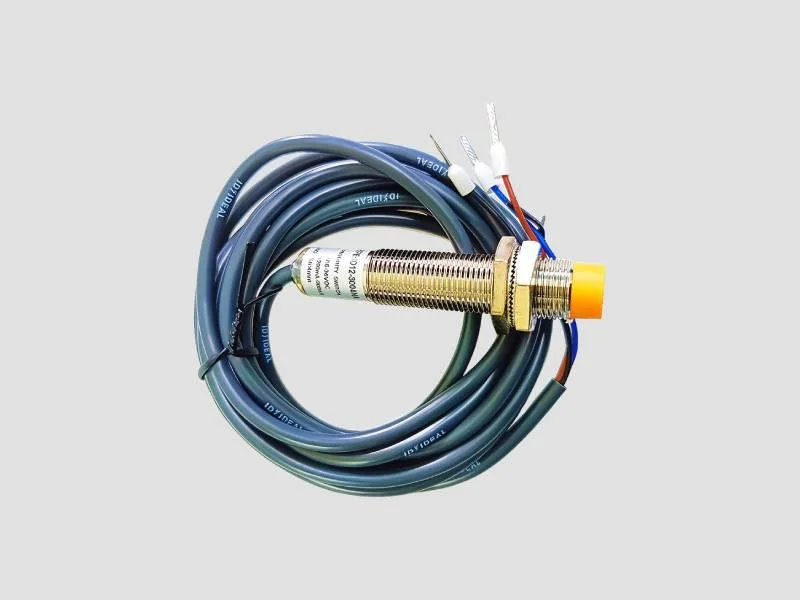
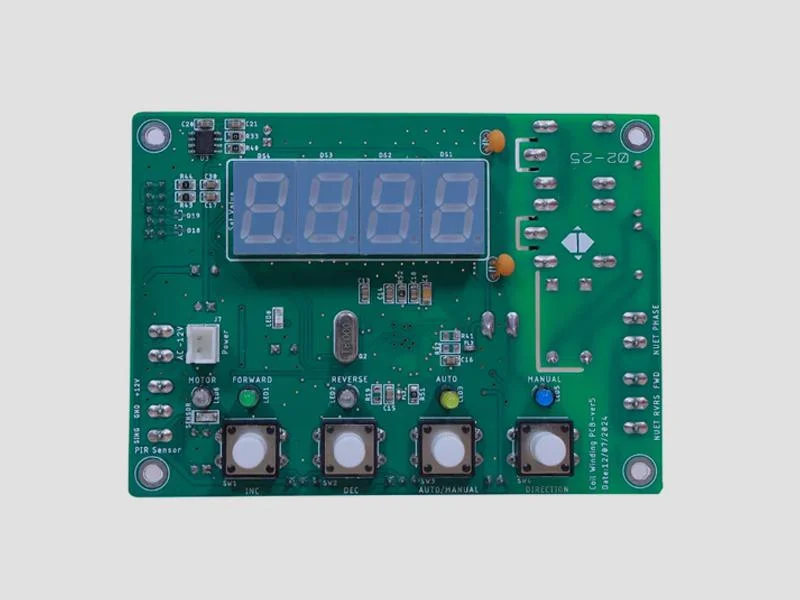
Industrial Control Panel Finger Board For Electrical Distribution Systems
Finger Board electrical distribution component provides safe, organized connection points for industrial control panels and power systems, featuring durable metal/copper construction with insulating coatings for reliable circuit management.
Min. Order Quantity: 1 Pieces
Shipping
Shipping fee and delivery date to be negotiated. Contact supplier now for more details.
KFTRONICS Electronic Jacquard
 Tamil Nadu, India
Tamil Nadu, IndiaManufacturer