IN
IN₹
Apparel & Fashion
Description
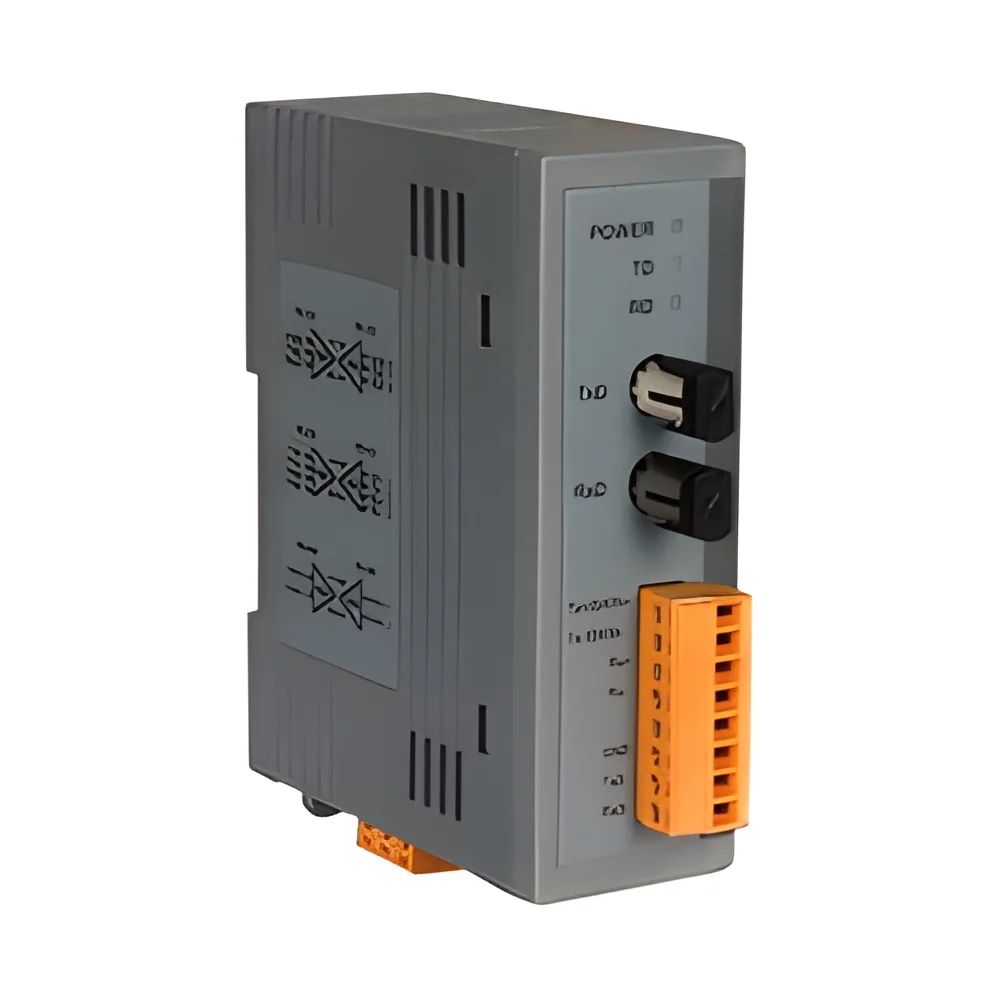
The I-2541 industrial fiber optic converter represents advanced data transmission technology that securely converts RS-232, RS-422, and RS-485 electrical signals to optical transmission over fiber cables. This conversion process eliminates the vulnerabilities inherent in traditional copper cabling by leveraging fiber optics' natural immunity to electromagnetic interference, radio frequency interference, and electrical surges. With a robust transmission capability extending to 2 kilometers, the converter ensures data integrity across substantial distances without signal degradation or loss. The unit supports versatile deployment through both point-to-point connections for dedicated communication links and multi-drop configurations for networked applications. Engineered for challenging operational environments, its design prioritizes stability where electrical noise, voltage fluctuations, or corrosive elements would typically compromise conventional copper-based systems.

This fiber opti...
The I-2541 industrial fiber optic converter represents advanced data transmission technology that securely converts RS-232, RS-422, and RS-485 electrical signals to optical transmission over fiber cables. This conversion process eliminates the vulnerabilities inherent in traditional copper cabling by leveraging fiber optics' natural immunity to electromagnetic interference, radio frequency interference, and electrical surges. With a robust transmission capability extending to 2 kilometers, the converter ensures data integrity across substantial distances without signal degradation or loss. The unit supports versatile deployment through both point-to-point connections for dedicated communication links and multi-drop configurations for networked applications. Engineered for challenging operational environments, its design prioritizes stability where electrical noise, voltage fluctuations, or corrosive elements would typically compromise conventional copper-based systems.

This fiber optic converter serves critical functions across multiple industries where data reliability cannot be compromised. Manufacturing facilities extensively utilize the I-2541 to connect programmable logic controllers, industrial sensors, and robotic systems across electrically noisy production floors where interference would disrupt operations. The energy sector deploys these converters in power generation plants and electrical substations where high voltages and surge risks demand completely isolated communication channels. Transportation infrastructure relies on these units for signaling systems, traffic management networks, and railway communications where system failure carries significant consequences. Water and wastewater treatment facilities benefit from the converter's corrosion resistance in constantly humid, chemical-exposed environments. Telecommunications networks employ these devices for extending serial communications between equipment racks and remote locations without electromagnetic compatibility concerns.

The I-2541 delivers substantial business value through operational reliability that significantly reduces downtime and maintenance expenses. Its fiber optic technology provides inherent security advantages since fiber cables don't radiate signals that can be easily intercepted or tapped. The converter's complete electrical isolation properties protect connected equipment from damage caused by ground potential differences and power surges, thereby extending the operational lifespan of valuable industrial assets. Organizations benefit from reduced installation costs as fiber optic cables are typically lighter, thinner, and more economical than properly shielded copper alternatives over long distances. The unit's compliance with international standards ensures seamless interoperability with existing equipment while its rugged construction minimizes failure rates in continuous operation environments. This combination of technical advantages translates to lower total cost of ownership and superior return on investment for businesses prioritizing network reliability and data security.

Key Features:
- Converts RS-232, RS-422, and RS-485 signals to fiber optic transmission
- Provides complete immunity to EMI/RFI interference and electrical surges
- Supports transmission distances up to 2 kilometers (6600 feet)
- Enables both point-to-point and multi-drop network configurations
- Built with robust components for reliable operation in harsh environments

Benefits:
- Ensures zero data loss across long-distance industrial communications
- Protects equipment from electrical damage through complete isolation
- Reduces maintenance costs with reliable performance in challenging conditions
- Offers deployment flexibility for various industrial networking needs
- Provides secure data transmission immune to interception or tapping
Specifications
| Additional Information | |
|---|---|
| Country of Origin | India |
Application
The I-2541 fiber optic converter solves critical data transmission challenges in electrically hostile environments where conventional copper cables fail. It converts RS-232, RS-422, and RS-485 electrical signals to optical transmission, enabling secure communication across distances up to 2 kilometers while eliminating electromagnetic interference risks and ground loop issues that plague metal-based cabling systems.
This robust converter delivers reliable performance where electrical noise, voltage surges, or corrosive conditions threaten data integrity. Its fiber optic technology provides complete electrical isolation, protecting connected equipment from damage while maintaining zero data loss transmission. The unit supports both point-to-point and multi-drop configurations, offering deployment flexibility for various industrial networking requirements across manufacturing, utilities, and infrastructure applications.
- Industrial automation systems connecting PLCs across electrically noisy factory floors
- Power substations and utility grids requiring surge-protected data communication
- Transportation networks for railway signaling and traffic management systems
- Water treatment facilities operating in corrosive and humid environments
- Building management systems integrating security and environmental controls
Trade Details
| Available Stock | In Stock |
| Sample Availability | No |
Payment Terms
| Payment Terms |
|
Company Profile
Adaptek Automation Technology, Tamil Nadu
 Tamil Nadu, India
Tamil Nadu, India26 yrs
Trading Company•Distributor•Wholesaler•Retailer•Manufacturer•Importer•Exporter•Service Provider
Factory Details
Factory SizeBelow 1000 sqm
Annual Production Capacity0
Main Markets
Domestic
Industrial Fiber Optic Converter RS 232/422/485 2km EMI Immunity
I-2541 industrial fiber optic converter transmits RS-232/422/485 data up to 2km with complete EMI immunity and surge protection for reliable industrial communication networks.
Min. Order Quantity: 1 unit
Shipping
Shipping fee and delivery date to be negotiated. Contact supplier now for more details.
Adaptek Automation Technology Tamil Nadu, India
Tamil Nadu, IndiaTrading Company