IN
INundefined
Similar Products
Description
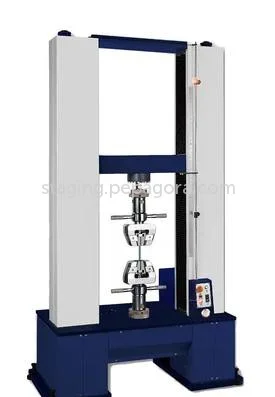
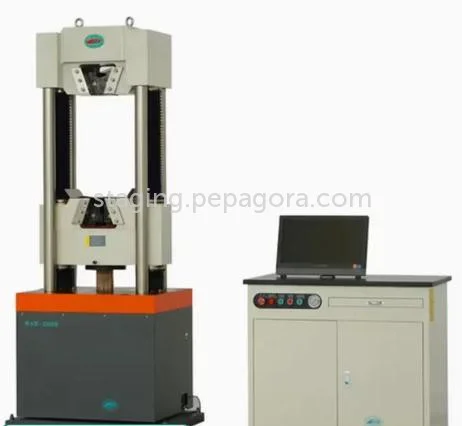
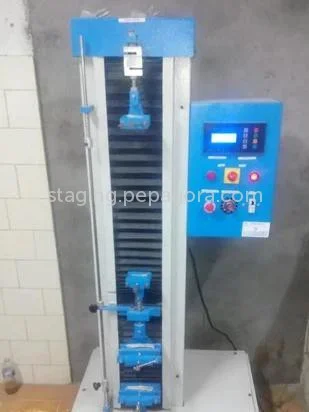
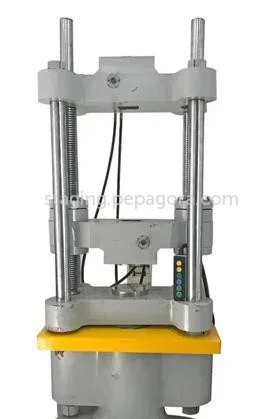
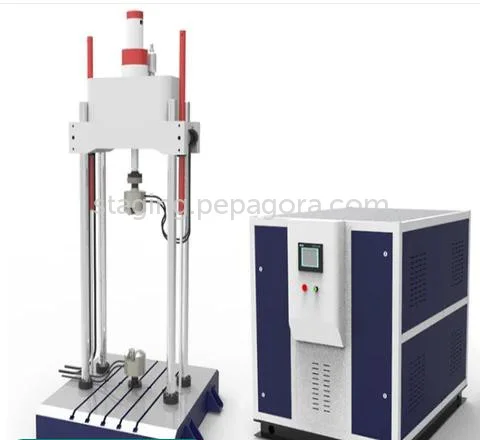
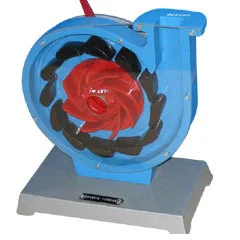
The Fatigue Testing Machine represents advanced engineering for material durability assessment under cyclic loading conditions. This precision equipment determines fatigue life and...
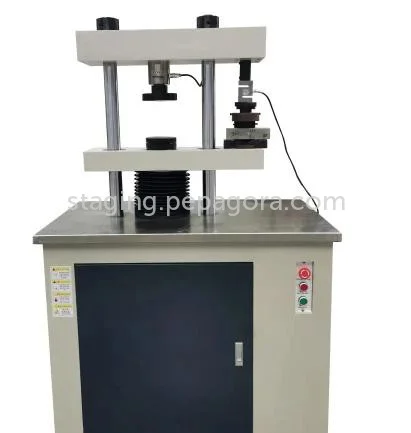
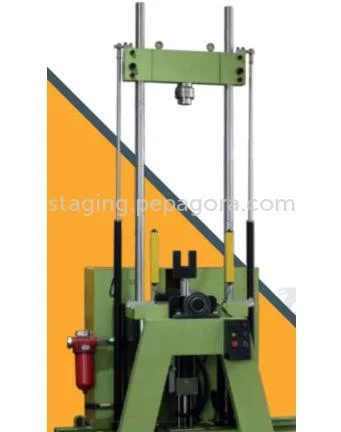
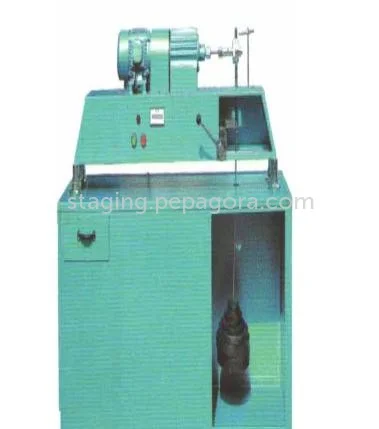
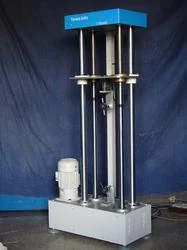
The Fatigue Testing Machine represents advanced engineering for material durability assessment under cyclic loading conditions. This precision equipment determines fatigue life and endurance limits through controlled simulation of real-world stress patterns. Featuring servo-controlled actuators and digital data acquisition systems, it delivers accurate performance evaluation for rotating, axial, bending, and torsional fatigue tests. The machine's robust construction ensures consistent operation while maintaining precise load control throughout extended testing cycles. Designed to meet international testing standards, it provides reliable data for material selection, product development, and quality validation across diverse industrial applications.

Multiple industries depend on fatigue testing for product reliability and safety compliance. Automotive manufacturers utilize these machines to test engine components, transmission parts, and suspension systems under simulated road conditions. Aerospace companies validate critical aircraft components including turbine blades, landing gear, and structural frames. Construction and infrastructure sectors assess steel beams, fasteners, and welding joints for long-term structural integrity. Manufacturing facilities employ fatigue testing for quality control of consumer goods, industrial equipment, and precision components. The medical device industry relies on these tests for implant materials and surgical instruments.

Businesses investing in fatigue testing equipment gain significant competitive advantages through enhanced product reliability and reduced failure rates. The machine's precision engineering minimizes testing variability, delivering consistent results that support data-driven decision making. Customization options allow adaptation to specific industry requirements and testing protocols. With robust construction and reliable performance, this equipment represents a long-term asset that pays dividends through improved product quality, reduced warranty claims, and strengthened market reputation. The machine's compliance with international standards ensures test results are recognized globally, facilitating market expansion and regulatory approval processes.

Key Features:
- Servo-controlled actuators for precise load application
- Digital data acquisition system for accurate measurement recording
- Multiple testing configurations including rotating, axial, bending, and torsional
- Compliance with national and international testing standards
- Customizable specifications to meet specific user requirements

Benefits:
- Enhanced product reliability through comprehensive durability testing
- Reduced failure rates and warranty claims via proactive quality assessment
- Data-driven design improvements based on accurate fatigue life predictions
- Global market acceptance through standardized testing protocols
- Long-term cost savings from early detection of material weaknesses
Specifications
| Additional Information | |
|---|---|
| Country of Origin | 106 |
| Customisable | No |
Application
This fatigue testing machine serves critical quality assurance roles across multiple industrial sectors. It accurately measures how materials withstand repeated stress cycles, helping manufacturers predict product lifespan and prevent field failures. The equipment simulates real-world operational conditions to validate component reliability before mass production.

Industries including automotive, aerospace, and construction rely on these tests for safety-critical components. From engine parts to structural elements, the machine provides data-driven insights into material performance under dynamic loads. This enables engineers to optimize designs and select appropriate materials for specific applications and environmental conditions. Real-world applications:
Real-world applications:
- Testing automotive suspension components and engine parts for durability under road conditions
- Validating aerospace turbine blades and structural frames for flight safety standards
- Evaluating construction steel beams and fasteners for building integrity and seismic resistance
- Assessing medical implant materials for long-term biocompatibility and structural integrity
- Verifying consumer electronics casings and connectors for repeated use and impact resistance
Trade Details
| Available Stock | In stock |
| Sample Availability | No |
Payment Terms
| Payment Terms |
|
Company Profile

Enkay Enterprises, New Delhi New Delhi, India
New Delhi, IndiaIndustrial Equipment & Machinery
Factory Details
Factory SizeBelow 1000 sqm
Industrial Fatigue Testing Machine For Material Endurance Evaluation
Professional fatigue testing machine for evaluating material endurance under cyclic loading. Ideal for metals, polymers, composites in automotive, aerospace, and manufacturing industries with precise digital control.
Min. Order Quantity: 1 Unit
Shipping
Shipping fee and delivery date to be negotiated. Contact supplier now for more details.
Enkay Enterprises
 New Delhi, India
New Delhi, IndiaIndustrial Equipment & Machinery