IN
IN₹
Apparel & Fashion
Description
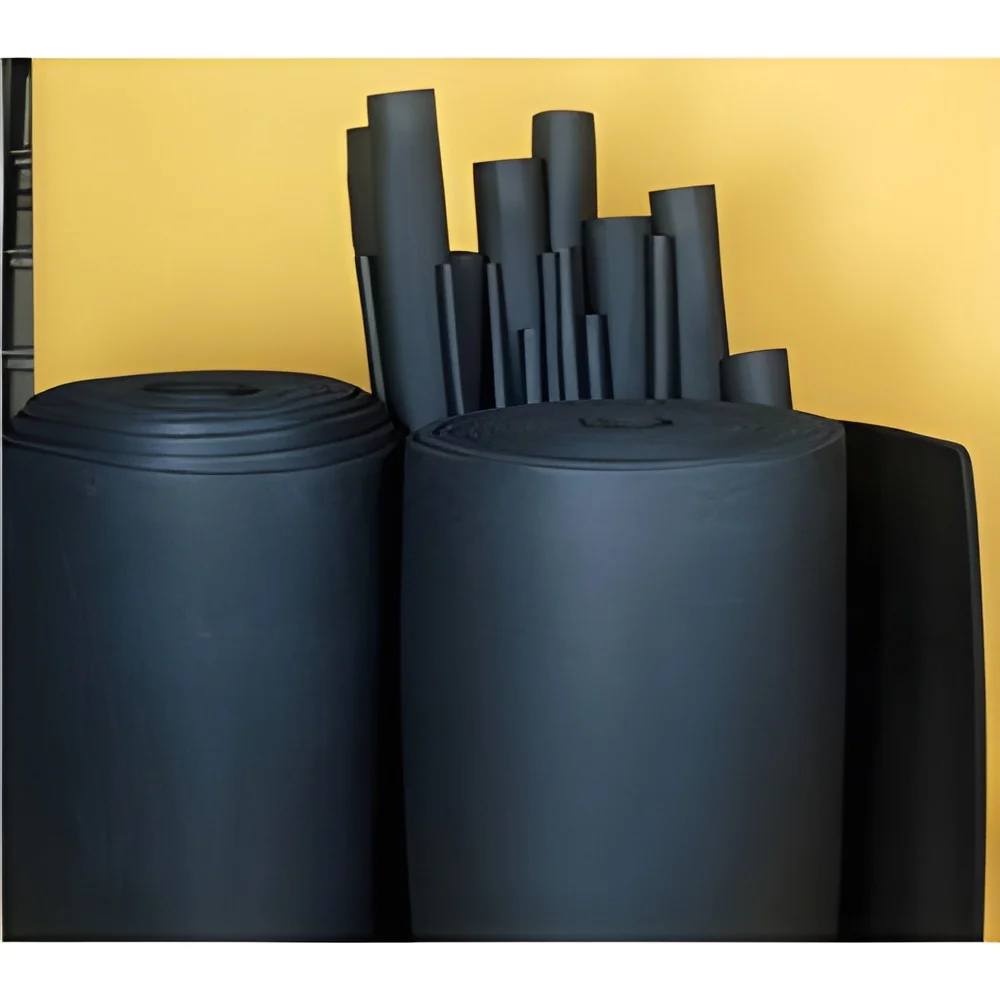
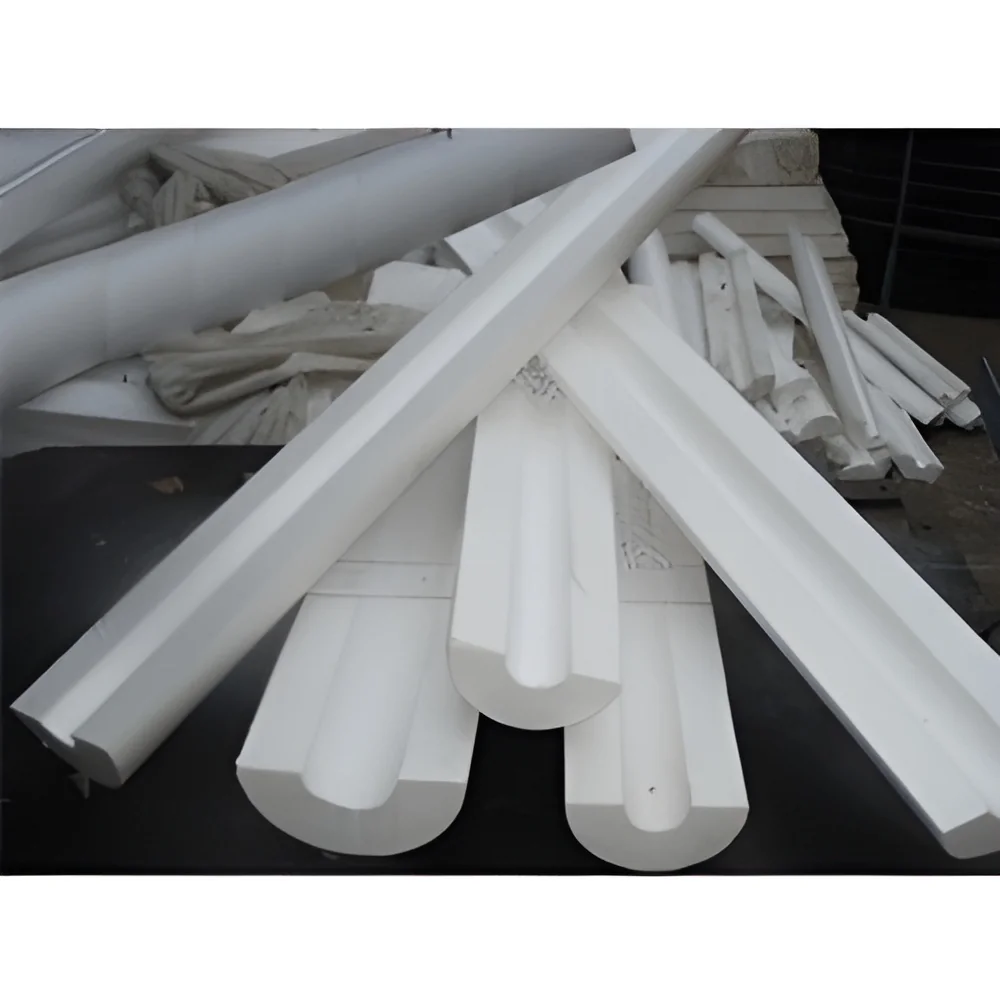
EPS pipe sections represent advanced protective solutions engineered for safeguarding critical underground infrastructure across various applications. Manufactured from expanded polystyrene foam, these sections offer exceptional compressive strength, lightweight properties, and superior thermal insulation capabilities. Unlike traditional protective materials, EPS pipe sections provide excellent impact resistance while maintaining flexibility during installation. The material's closed-cell structure ensures moisture resistance and long-term durability, making it an ideal choice for both buried and above-ground applications where reliability cannot be compromised. These sections are specifically designed to create protective casings around pipelines, cables, and conduits, shielding them from external pressures, soil movements, and temperature variations.

These protective sections find extensive usage across multiple industrial sectors including construction, municipal infrastructure, te...
EPS pipe sections represent advanced protective solutions engineered for safeguarding critical underground infrastructure across various applications. Manufactured from expanded polystyrene foam, these sections offer exceptional compressive strength, lightweight properties, and superior thermal insulation capabilities. Unlike traditional protective materials, EPS pipe sections provide excellent impact resistance while maintaining flexibility during installation. The material's closed-cell structure ensures moisture resistance and long-term durability, making it an ideal choice for both buried and above-ground applications where reliability cannot be compromised. These sections are specifically designed to create protective casings around pipelines, cables, and conduits, shielding them from external pressures, soil movements, and temperature variations.

These protective sections find extensive usage across multiple industrial sectors including construction, municipal infrastructure, telecommunications, and energy distribution. In the construction industry, they are essential for protecting utility lines during building projects and urban development. Municipal authorities utilize them for water supply networks, sewage systems, and public works projects where durable underground protection is required. Telecommunications companies rely on EPS pipe sections to safeguard fiber optic and copper cables from environmental damage and excavation risks. The energy sector employs them for protecting oil, gas, and district heating pipelines where both physical protection and thermal insulation are critical operational requirements.

The business value of EPS pipe sections lies in their ability to reduce maintenance costs, extend infrastructure lifespan, and prevent service disruptions through reliable protection. Their lightweight nature significantly reduces transportation and installation expenses compared to traditional concrete or metal protections. The consistent quality through rigorous testing procedures provides businesses with certified products that meet international standards for compressive strength, thermal resistance, and durability. This reliability translates into reduced project risks and enhanced operational efficiency for businesses investing in long-term infrastructure solutions, ensuring continuous service delivery and minimal downtime.

Key Features:
- High compressive strength capable of withstanding significant external pressure
- Excellent thermal insulation properties maintaining temperature stability
- Lightweight construction enabling easy handling and installation
- Moisture-resistant closed-cell structure preventing water absorption
- Customizable dimensions to meet specific project requirements

Benefits:
- Extends infrastructure lifespan through reliable protection
- Reduces maintenance costs and prevents service disruptions
- Lowers transportation and installation expenses
- Ensures consistent performance in various environmental conditions
- Provides versatile solutions for multiple industrial applications
Specifications
| Additional Information | |
|---|---|
| Country of Origin | India |
Application
EPS pipe sections deliver essential protection for underground utilities across multiple industries where reliable infrastructure safeguarding is critical. These engineered sections create protective casings around pipelines, cables, and conduits, shielding them from soil pressure, environmental damage, and temperature fluctuations while maintaining excellent thermal insulation properties for sensitive applications.
Construction companies, municipal authorities, and industrial contractors depend on EPS pipe sections for infrastructure projects requiring durable, cost-effective protection systems. Their versatility makes them ideal for water supply networks, telecommunications cabling, electrical conduits, and drainage systems where impact resistance and insulation ensure operational safety and extended service life.
- Protecting underground electrical and fiber optic cables from soil pressure and excavation damage
- Insulating hot water pipelines in district heating systems for temperature efficiency
- Safeguarding water and sewage pipes in municipal infrastructure projects
- Providing conduit protection for telecommunications networks in urban installations
- Shielding gas pipelines and oil conduits in industrial zones from environmental stress
Trade Details
| Available Stock | In Stock |
| Sample Availability | No |
Payment Terms
| Payment Terms |
|
Company Profile
Dhruva Associates, New Delhi
 New Delhi, India
New Delhi, IndiaRaw Materials & Chemicals
Factory Details
Factory SizeBelow 1000 sqm
Annual Production Capacity0
Underground Utility Protection EPS Pipe Sections Durable Insulation
High-quality EPS pipe sections provide durable underground utility protection and thermal insulation for construction and industrial applications. These reliable pipe protection systems feature customizable dimensions and superior impact resistance for long-term infrastructure safeguarding.
Min. Order Quantity: 1 unit
Shipping
Shipping fee and delivery date to be negotiated. Contact supplier now for more details.
Dhruva Associates
 New Delhi, India
New Delhi, IndiaRaw Materials & Chemicals