IN
IN₹
Apparel & Fashion
Loading subcategories...
View More
Description
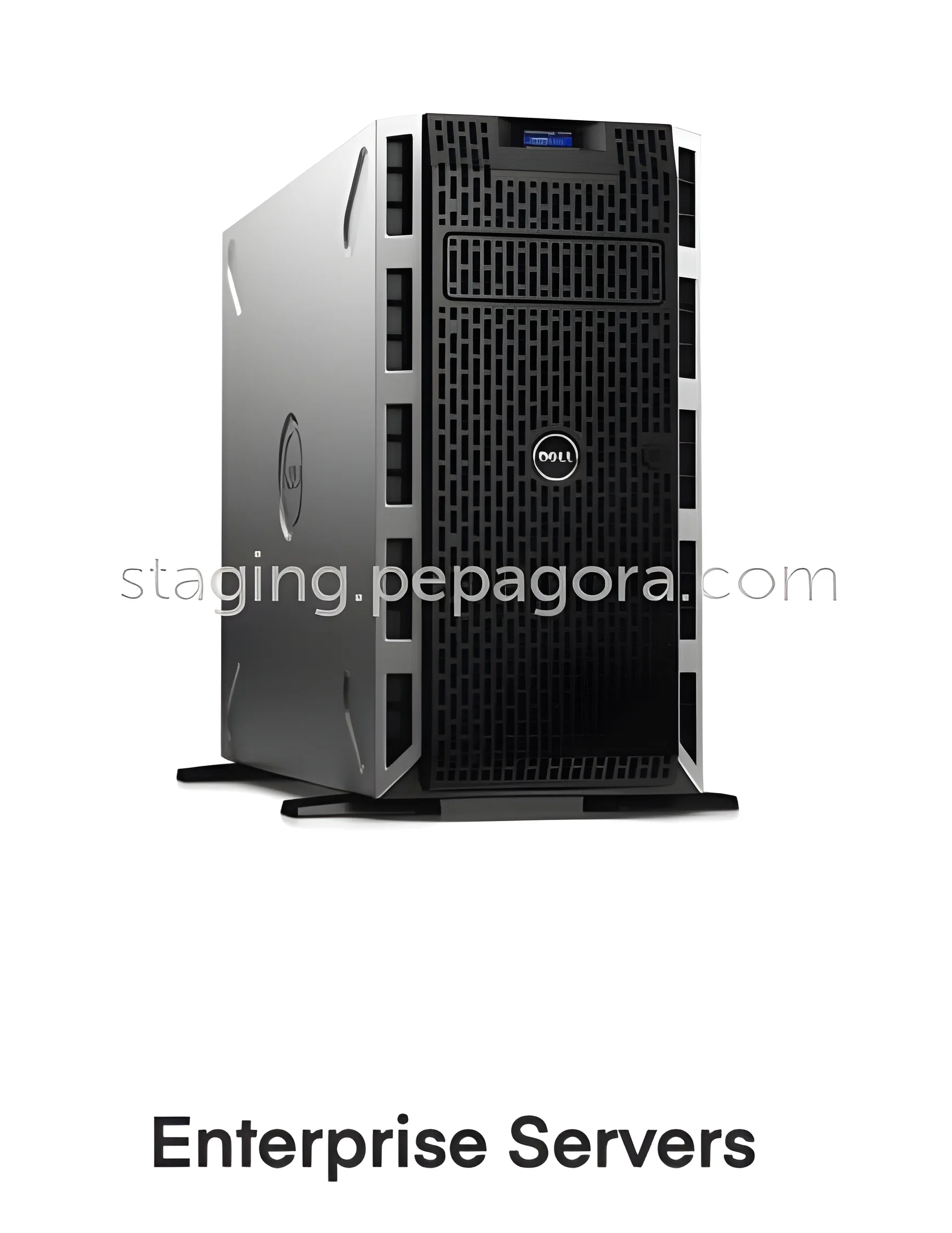
Enterprise servers are high-performance computing systems specifically designed to meet the rigorous demands of modern business operations. They provide exceptional processing power, extensive memory capacity, and advanced storage solutions to handle large-scale data workloads, complex applications, and mission-critical tasks. Built with redundancy and fault-tolerant components, these servers ensure maximum uptime and data integrity, making them a dependable foundation for any organization's IT infrastructure. Their scalable architecture allows businesses to expand computing resources as needed, supporting growth without compromising on performance or reliability.

These servers are widely utilized across various industries due to their versatility and robust capabilities. In the finance sector, they power transaction processing systems and risk analysis platforms, where speed and accuracy are paramount. Healthcare organizations rely on them for managing electronic health records and s...
Enterprise servers are high-performance computing systems specifically designed to meet the rigorous demands of modern business operations. They provide exceptional processing power, extensive memory capacity, and advanced storage solutions to handle large-scale data workloads, complex applications, and mission-critical tasks. Built with redundancy and fault-tolerant components, these servers ensure maximum uptime and data integrity, making them a dependable foundation for any organization's IT infrastructure. Their scalable architecture allows businesses to expand computing resources as needed, supporting growth without compromising on performance or reliability.

These servers are widely utilized across various industries due to their versatility and robust capabilities. In the finance sector, they power transaction processing systems and risk analysis platforms, where speed and accuracy are paramount. Healthcare organizations rely on them for managing electronic health records and supporting telemedicine applications, ensuring patient data is secure and accessible. E-commerce and retail businesses use enterprise servers to handle high volumes of online traffic, process orders, and manage inventory databases. Additionally, manufacturing and logistics companies employ these systems for supply chain management, real-time tracking, and automation processes, enhancing operational efficiency and decision-making.

The business value of enterprise servers lies in their ability to deliver consistent performance, reduce downtime, and lower total cost of ownership through energy-efficient designs and long-term reliability. By investing in these servers, companies gain a competitive edge through faster data processing, improved scalability, and enhanced security features that protect sensitive information. Their customization options allow businesses to tailor hardware configurations to specific needs, optimizing resource allocation and operational workflows. This reliability translates into increased productivity, customer satisfaction, and the ability to adapt to evolving technological demands, ensuring that organizations can focus on growth rather than IT challenges.

Key Features:
- High-performance processors for rapid data computation and multitasking.
- Redundant power supplies and cooling systems to ensure continuous operation.
- Scalable architecture supporting memory and storage expansion as needed.
- Advanced security protocols including encryption and secure boot capabilities.
- Customizable hardware configurations to meet specific business requirements.

Benefits:
- Enhanced operational efficiency through reliable, high-uptime performance.
- Cost savings from reduced downtime and energy-efficient components.
- Scalability to support business growth without major infrastructure changes.
- Improved data security and compliance with industry regulations.
- Flexibility to adapt to diverse workloads and application demands.
Specifications
| Additional Information | |
|---|---|
| Country of Origin | India |
| Customisable | No |
Application
Enterprise servers are engineered to handle intensive data processing, virtualization, and large-scale application hosting, making them ideal for businesses that require uninterrupted performance and secure data management. These systems support a wide range of industries by providing the computational power needed for real-time analytics, database management, and cloud services, ensuring that critical operations run smoothly and efficiently.
Real-world applications:
Real-world applications:
- Hosting and managing enterprise-level databases for financial and retail sectors.
- Running virtualized environments to consolidate IT infrastructure and reduce costs.
- Supporting e-commerce platforms with high-traffic web and application servers.
- Enabling big data analytics and AI processing for research and business intelligence.
- Providing reliable backend infrastructure for healthcare data management and telemedicine services.
Trade Details
| Available Stock | In Stock |
| Sample Availability | No |
Payment Terms
| Payment Terms |
|
Company Profile


 Canada
Electronics & Electrical•Trading Company•Importer / Exporter
Factory Details
Factory SizeBelow 1000 sqm
Enterprise Servers For Data Centers High Performance Scalability Reliability
Enterprise servers deliver robust performance, scalability, and reliability for data centers and business-critical workloads, ensuring seamless operations and high uptime for demanding enterprise environments.
Min. Order Quantity: 1
Shipping
Shipping fee and delivery date to be negotiated. Contact supplier now for more details.
AZ Green Tech
 , Canada
, CanadaElectronics & ElectricalTrading Company