IN
IN₹
Apparel & Fashion
Description
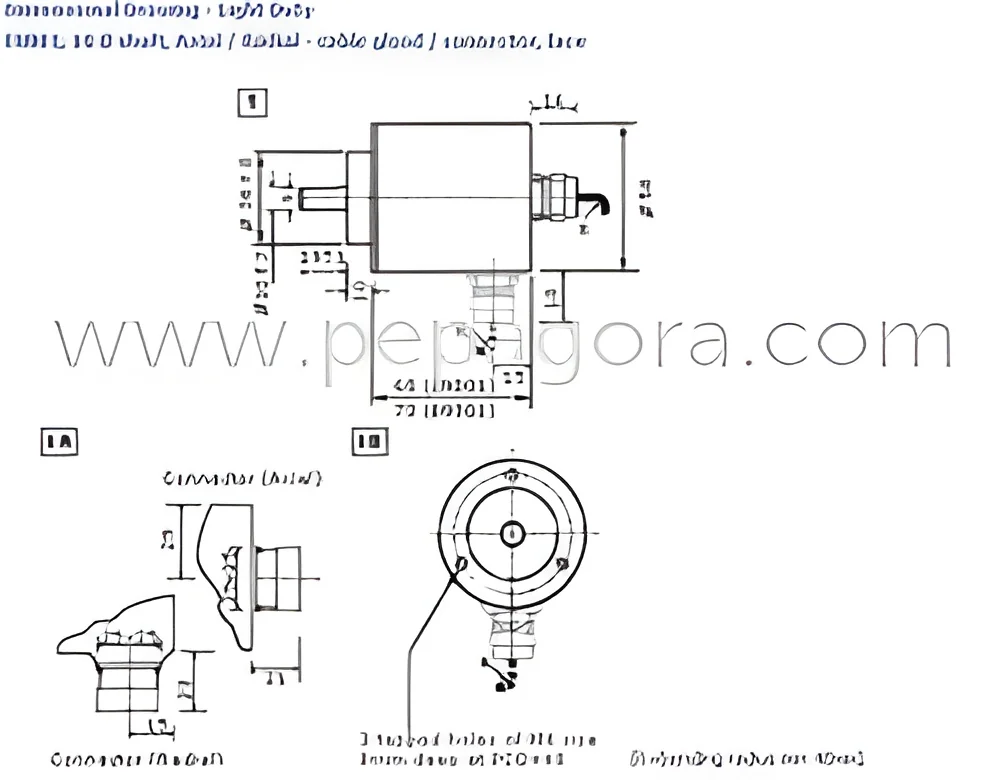
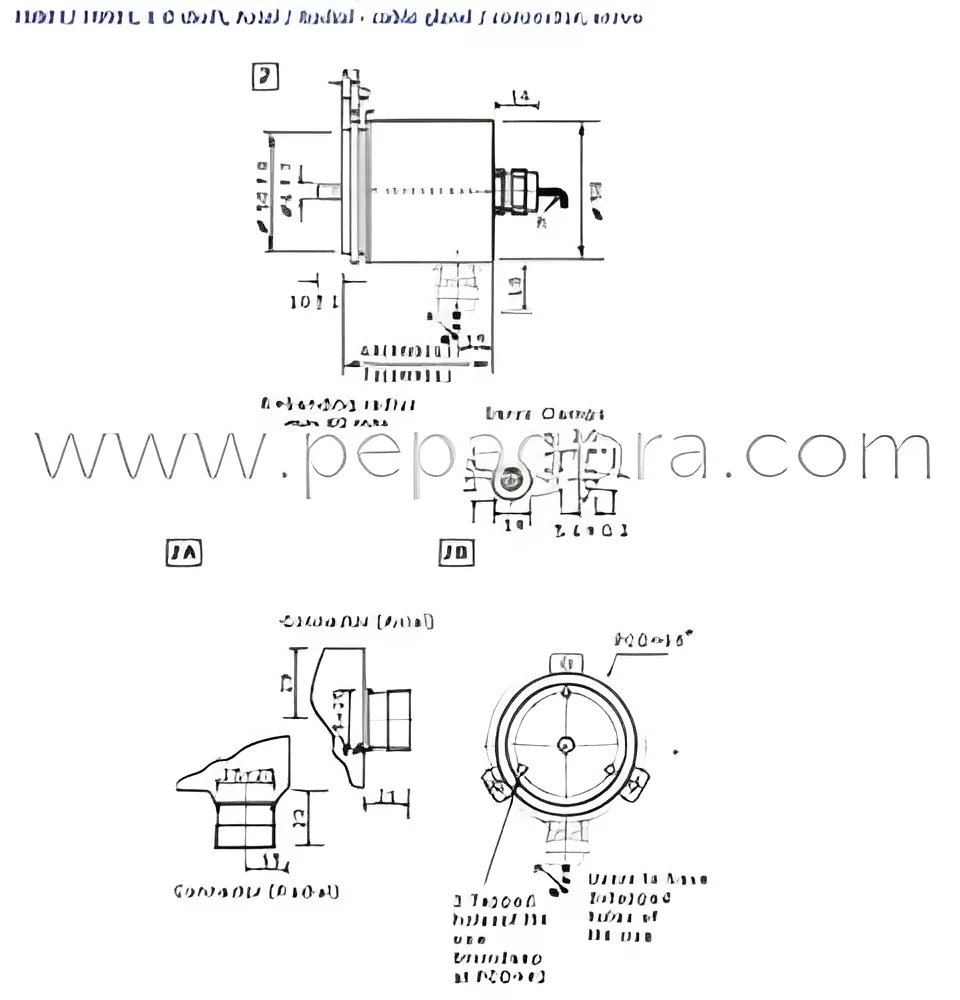
Incremental encoder shaft dimensional drawings deliver precise technical specifications for integrating rotational measurement devices into industrial automation systems. These comprehensive engineering drawings contain critical dimensions including shaft diameter, length, keyway specifications, tolerance ranges, and mounting requirements. They serve as essential reference documents for maintenance teams, design engineers, and procurement specialists who need to ensure perfect compatibility between encoders and driven equipment. The accuracy of these drawings directly impacts system performance, as even minor dimensional variances can affect measurement precision and operational reliability in demanding industrial environments.

These technical drawings find extensive application across multiple industries where precise motion control is essential. In machine tool manufacturing, they ensure spindle encoders provide accurate positional feedback for CNC operations and precision machining...
Incremental encoder shaft dimensional drawings deliver precise technical specifications for integrating rotational measurement devices into industrial automation systems. These comprehensive engineering drawings contain critical dimensions including shaft diameter, length, keyway specifications, tolerance ranges, and mounting requirements. They serve as essential reference documents for maintenance teams, design engineers, and procurement specialists who need to ensure perfect compatibility between encoders and driven equipment. The accuracy of these drawings directly impacts system performance, as even minor dimensional variances can affect measurement precision and operational reliability in demanding industrial environments.

These technical drawings find extensive application across multiple industries where precise motion control is essential. In machine tool manufacturing, they ensure spindle encoders provide accurate positional feedback for CNC operations and precision machining. Packaging industries rely on them for synchronizing filling, capping, and sealing machinery to maintain production efficiency. Pharmaceutical companies utilize these drawings in precision dosing equipment and automated packaging lines where measurement accuracy is paramount. Textile manufacturers depend on them for loom and spinning machine encoders that maintain consistent fabric quality and tension control throughout production processes.

The business value of accurate encoder shaft dimensional drawings lies in their ability to reduce operational downtime and prevent costly integration errors. By providing clear, precise specifications, these documents enable faster maintenance cycles and simplify replacement part procurement processes. They support specialized application requirements while maintaining compatibility with industry standards and existing equipment. Reliability is ensured through detailed tolerance specifications and material recommendations that help prevent premature failure in high-vibration industrial environments. These drawings serve as trusted technical references that enhance operational efficiency, reduce integration risks, and lower total cost of ownership for motion control systems across various industrial applications.

Key Features:
- Comprehensive dimensional data including shaft diameter, length, and tolerance specifications
- Detailed keyway dimensions and mounting configuration requirements for proper installation
- Material specifications and surface finish recommendations ensuring long-term durability
- Compatibility information with standard industrial encoder models and systems
- Technical support for specialized application requirements and custom configurations

Benefits:
- Reduced installation errors and minimized system downtime during maintenance
- Faster replacement part identification and simplified procurement processes
- Enhanced system reliability through precise dimensional compatibility
- Improved motion control accuracy in demanding industrial environments
- Lower total cost of ownership through extended equipment lifespan
Specifications
| Additional Information | |
|---|---|
| Country of Origin | India |
Application
Incremental encoder shaft dimensional drawings provide essential technical references for engineers integrating precise motion control systems. These detailed schematics ensure proper compatibility with industrial encoder models, reducing installation errors and minimizing downtime during maintenance or system upgrades. Accurate drawings help maintenance teams quickly identify replacement parts and verify dimensional tolerances before procurement.
These technical drawings are extensively used across automation industries where precise rotational measurement is critical. Manufacturing facilities rely on these specifications for CNC machines, robotic arms, and conveyor systems requiring exact positioning data. The drawings enable seamless integration with existing machinery while supporting specialized industrial applications needing specific shaft dimensions and mounting configurations.
- CNC machining centers requiring precise spindle position feedback for automated tool changing
- Packaging machinery where encoder synchronization ensures accurate filling and sealing operations
- Pharmaceutical manufacturing equipment demanding exact measurement for dosage control systems
- Textile machinery needing precise speed regulation for consistent fabric quality production
- Automated assembly lines utilizing position feedback for robotic placement and component alignment
Trade Details
| Available Stock | In Stock |
| Sample Availability | No |
Payment Terms
| Payment Terms |
|
Company Profile
Excella Electronics, Maharashtra
 Maharashtra, India
Maharashtra, IndiaElectronics & Electrical•Manufacturer•Distributor / Wholesaler•Importer / Exporter
Factory Details
Factory SizeBelow 1000 sqm
Annual Production Capacity0
Industrial Automation Incremental Encoder Shaft Dimensional Drawings
High-precision incremental encoder shaft dimensional drawings for accurate speed and position measurement in industrial automation systems. Ideal for machine tools, packaging, pharmaceuticals, and textile machinery applications requiring reliable motion control.
Min. Order Quantity: 1 unit
Shipping
Shipping fee and delivery date to be negotiated. Contact supplier now for more details.
Excella Electronics
 Maharashtra, India
Maharashtra, IndiaElectronics & ElectricalManufacturer