IN
IN₹
Apparel & Fashion
Description
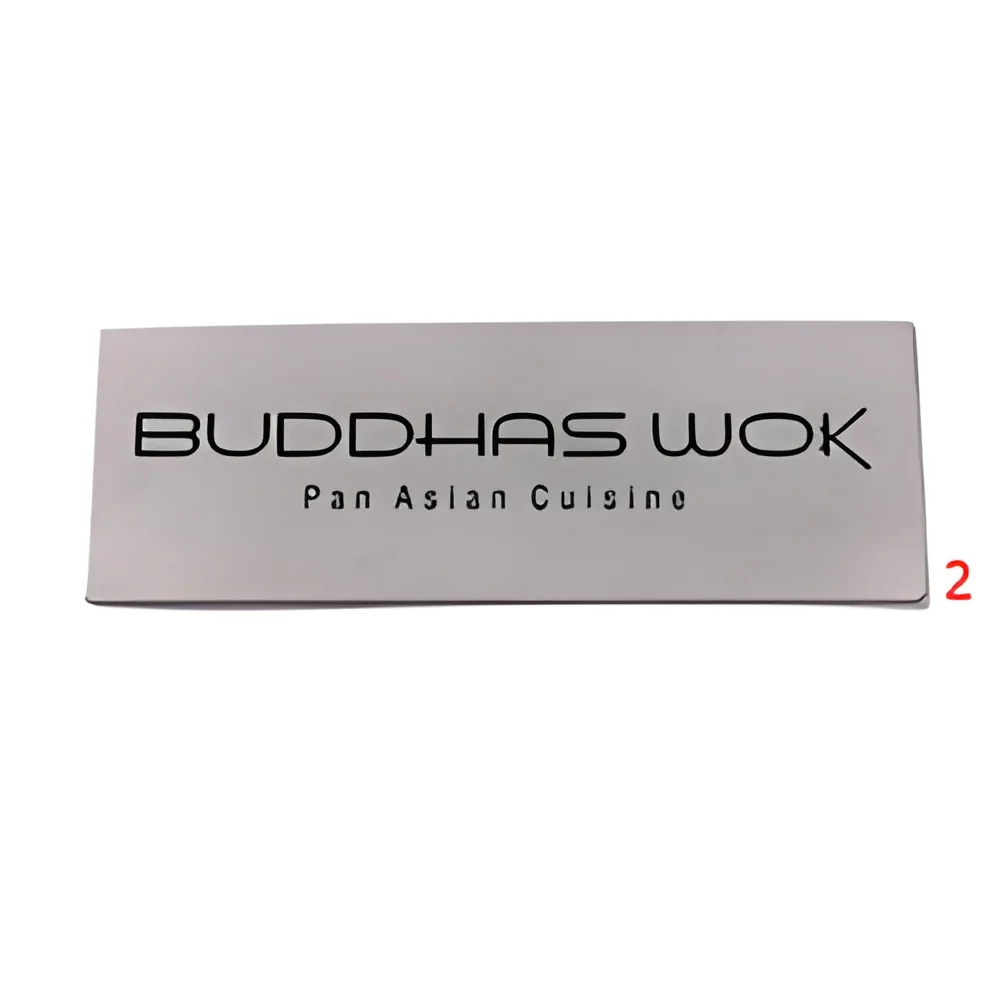
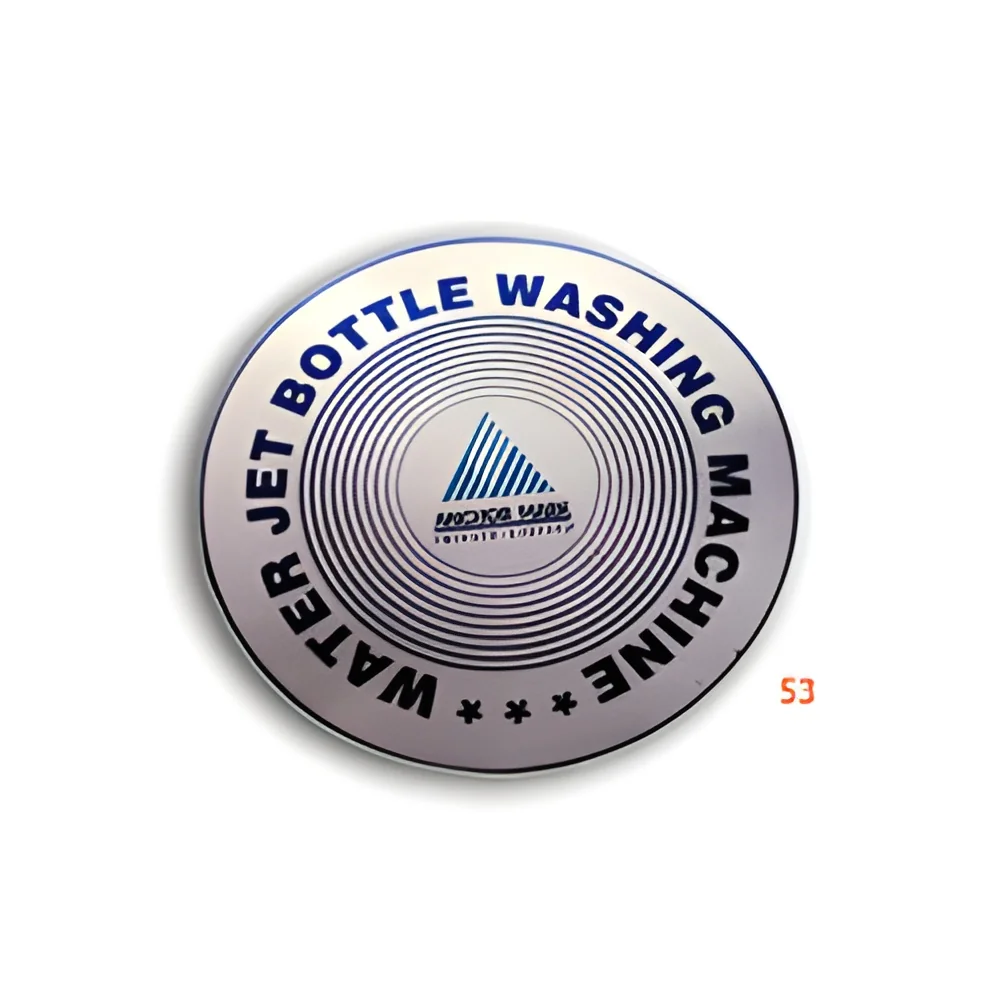
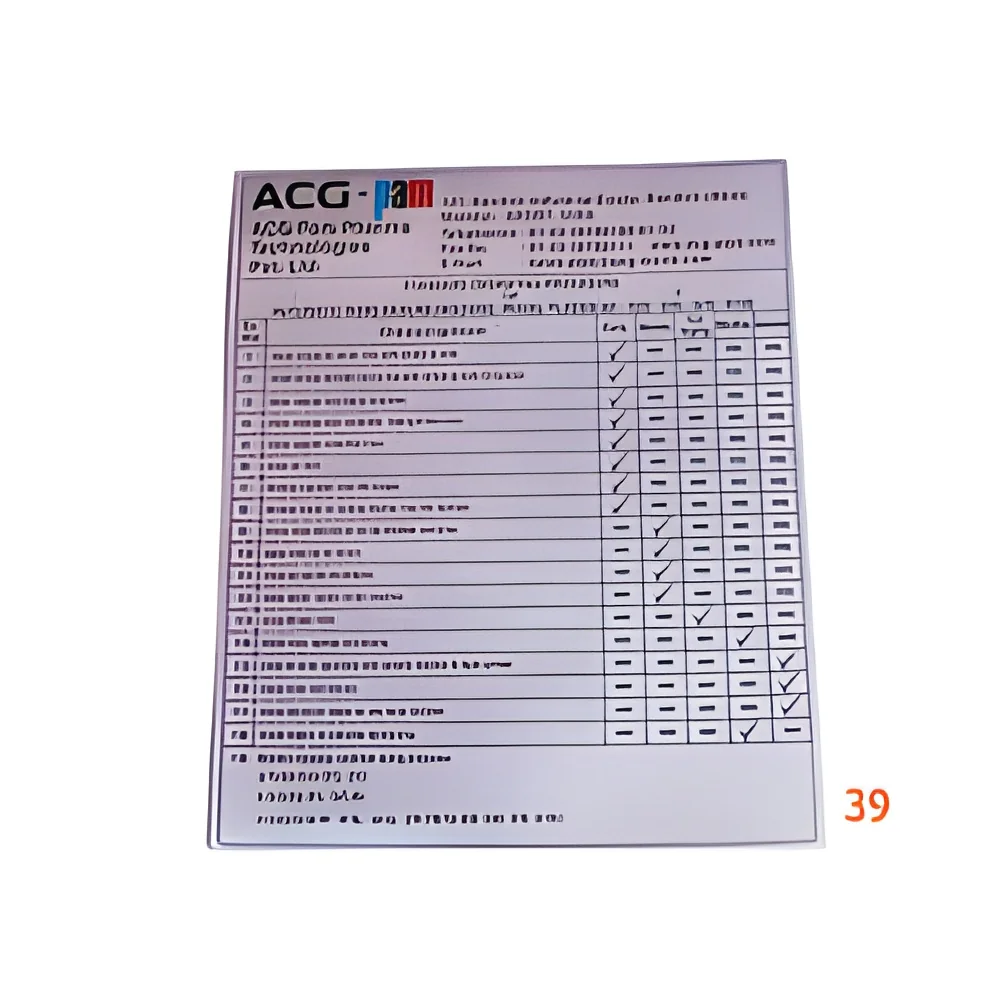
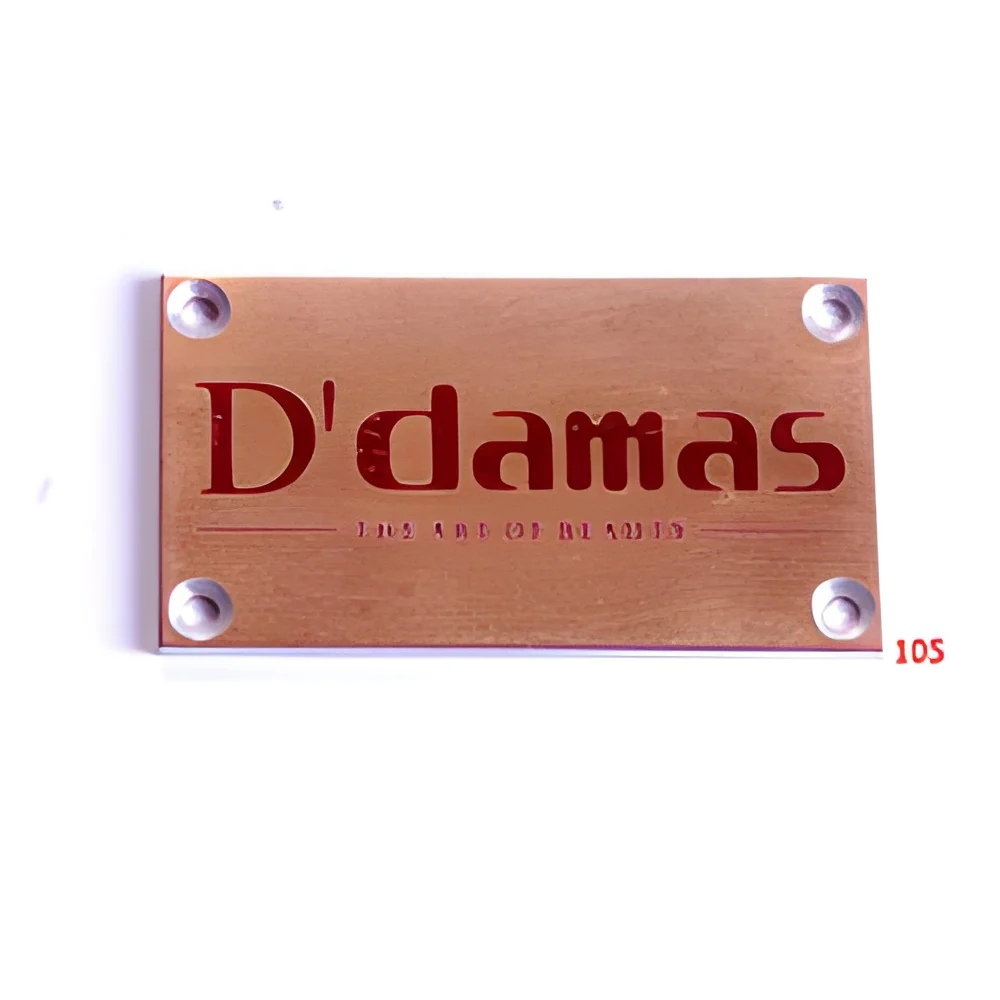
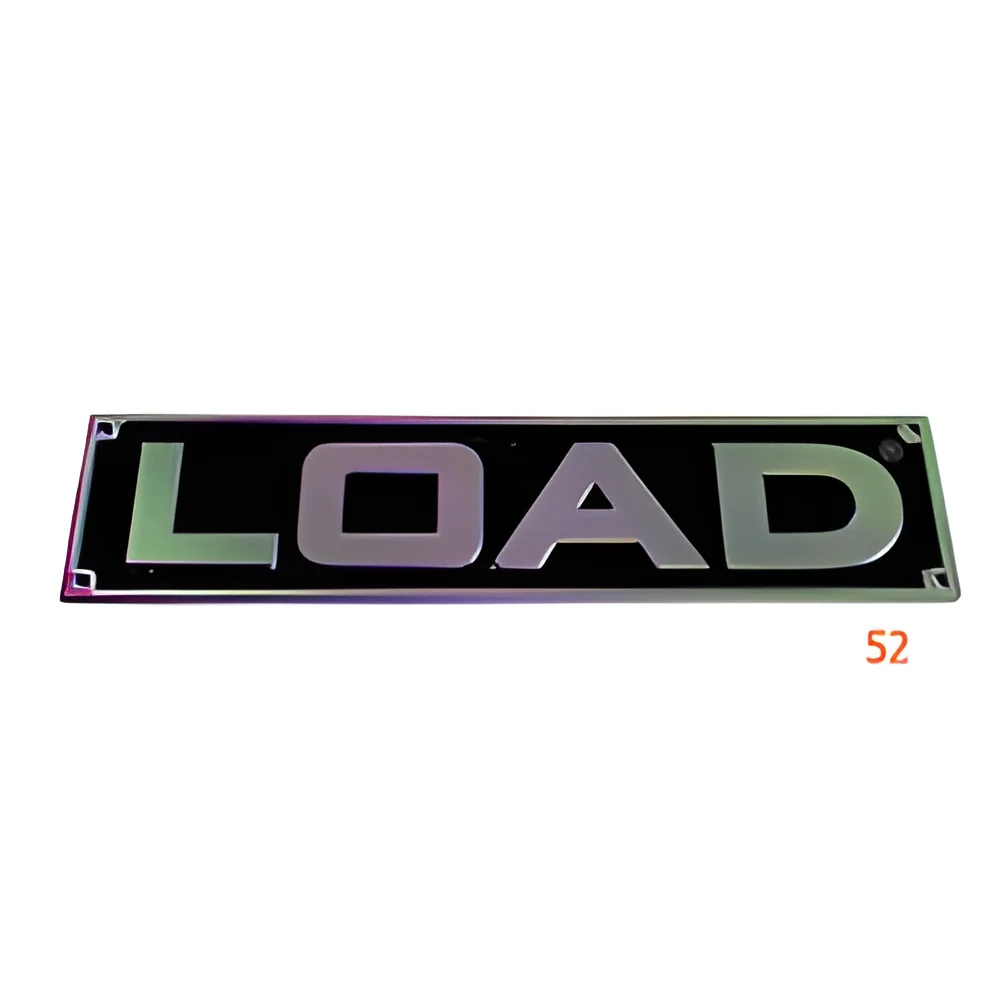
Industrial embossed metal tags represent the ultimate solution for permanent identification needs across demanding environments. These tags are manufactured through precision embossing that creates raised characters and designs on metal surfaces, resulting in tactile markings that remain intact for decades. Available in various metals including aluminum, stainless steel, and brass, these tags provide exceptional resistance to environmental factors, chemicals, and physical damage. The embossing process produces clear, high-contrast text and symbols that stay readable even when exposed to dirt, grease, or low-light conditions. This reliability makes them ideal for applications where accurate identification is crucial for safety protocols, maintenance schedules, and operational efficiency.

Multiple industries depend on embossed metal tags for their most critical identification requirements. Manufacturing facilities utilize them for equipment serialization, maintenance tracking, and safet...
Industrial embossed metal tags represent the ultimate solution for permanent identification needs across demanding environments. These tags are manufactured through precision embossing that creates raised characters and designs on metal surfaces, resulting in tactile markings that remain intact for decades. Available in various metals including aluminum, stainless steel, and brass, these tags provide exceptional resistance to environmental factors, chemicals, and physical damage. The embossing process produces clear, high-contrast text and symbols that stay readable even when exposed to dirt, grease, or low-light conditions. This reliability makes them ideal for applications where accurate identification is crucial for safety protocols, maintenance schedules, and operational efficiency.

Multiple industries depend on embossed metal tags for their most critical identification requirements. Manufacturing facilities utilize them for equipment serialization, maintenance tracking, and safety compliance labeling systems. The oil and gas industry relies on them for pipeline markers, valve identification, and hazardous area labeling where failure is not an option. Logistics and shipping companies implement these tags for container identification, pallet tracking, and warehouse management operations. Aerospace and automotive manufacturers employ them for part identification, quality control procedures, and supply chain traceability. Utility and telecommunications providers use them for infrastructure labeling, cable identification, and network component tracking in outdoor installations.

The business value of embossed metal tags lies in their exceptional reliability and long-term cost efficiency. Unlike printed labels or plastic tags that deteriorate over time, metal embossed tags provide permanent identification that lasts the entire lifespan of equipment or assets. This eliminates frequent replacement cycles and reduces maintenance expenses associated with faded or damaged identification systems. The tactile nature of embossed characters enables identification even when visual reading becomes impossible, such as in dark conditions or when tags accumulate industrial grime. The durable construction ensures information remains accessible throughout the asset's operational life, supporting compliance requirements and operational continuity across multiple facilities and applications.

Key Features:
- Precision embossed characters create permanent tactile identification
- Multiple metal material options including aluminum and stainless steel
- Exceptional resistance to chemicals moisture and extreme temperatures
- Various size and shape configurations for different applications
- High-contrast finishes ensure optimal readability in all conditions

Benefits:
- Permanent identification reduces replacement and maintenance costs
- Withstands harsh industrial environments for long-term reliability
- Tactile markings remain readable even when visually obscured
- Supports compliance and safety requirements across industries
- Enhances asset tracking efficiency throughout equipment lifecycle
Specifications
| Additional Information | |
|---|---|
| Country of Origin | India |
Application
Embossed metal tags deliver permanent identification solutions where durability and readability are essential. They resist harsh environments including extreme temperatures, chemicals, moisture, and physical wear, ensuring information remains intact throughout the asset lifecycle. These tags outperform standard labels by maintaining legibility in challenging industrial settings, reducing replacement needs and maintenance costs significantly.
Manufacturing, oil and gas, logistics, aerospace, and utility industries rely on these robust identification tags for critical operations. They enable precise tracking of valuable equipment, support safety compliance requirements, and manage inventory in demanding conditions. The permanent nature of embossed markings ensures long-term reliability while supporting operational efficiency across diverse industrial applications and environments.
- Asset tracking and management for industrial machinery and equipment
- Shipping labels for containers and pallets during transportation
- Safety compliance tags for electrical systems and hazardous areas
- Inventory control systems in warehouses and distribution centers
- Permanent identification plates for automotive and aerospace parts
Trade Details
| Available Stock | In Stock |
| Sample Availability | No |
Payment Terms
| Payment Terms |
|
Company Profile

Allwin Process, Maharashtra
 Maharashtra, India
Maharashtra, IndiaManufacturer•Trading Company•Importer / Exporter
Factory Details
Factory SizeBelow 1000 sqm
Annual Production Capacity0
Main Markets
North America
South America
Africa
Central America
Domestic
Industrial Embossed Metal Tags For Asset Identification And Shipping
Industrial embossed metal tags provide permanent asset identification and shipping labels that withstand extreme conditions. These durable tags offer reliable tracking for equipment and inventory with clear, long-lasting markings.
Min. Order Quantity: 1 unit
Shipping
Shipping fee and delivery date to be negotiated. Contact supplier now for more details.
Allwin Process
 Maharashtra, India
Maharashtra, IndiaManufacturer