IN
IN₹
Apparel & Fashion

Description
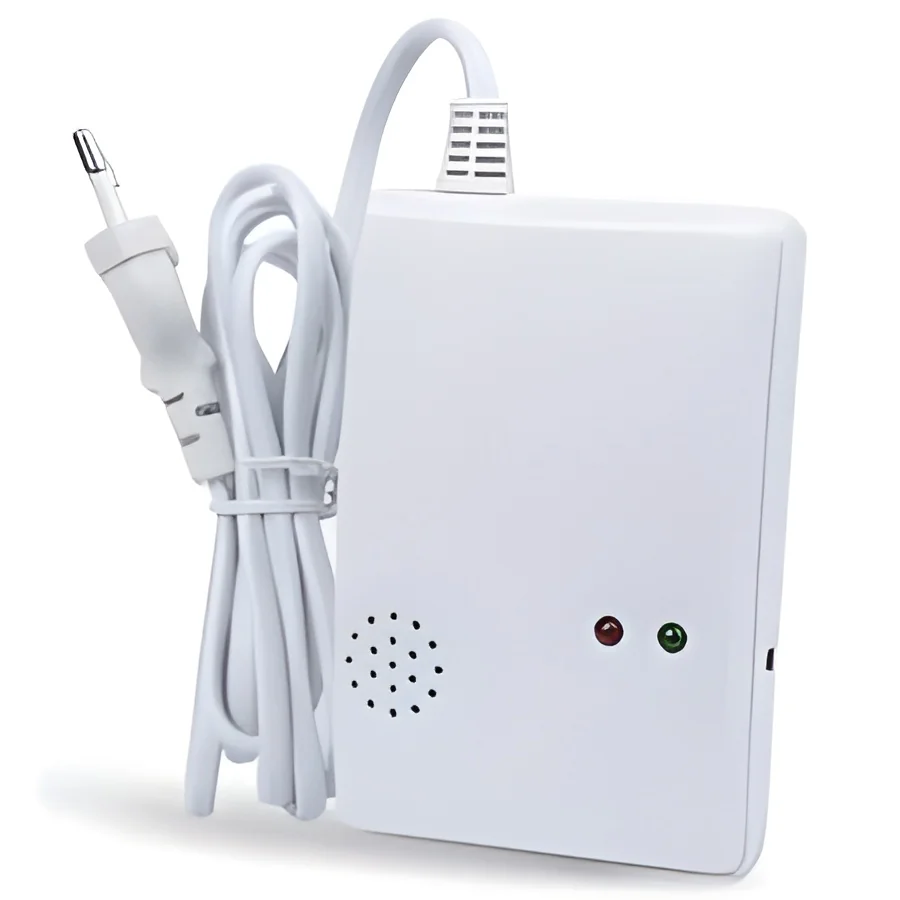
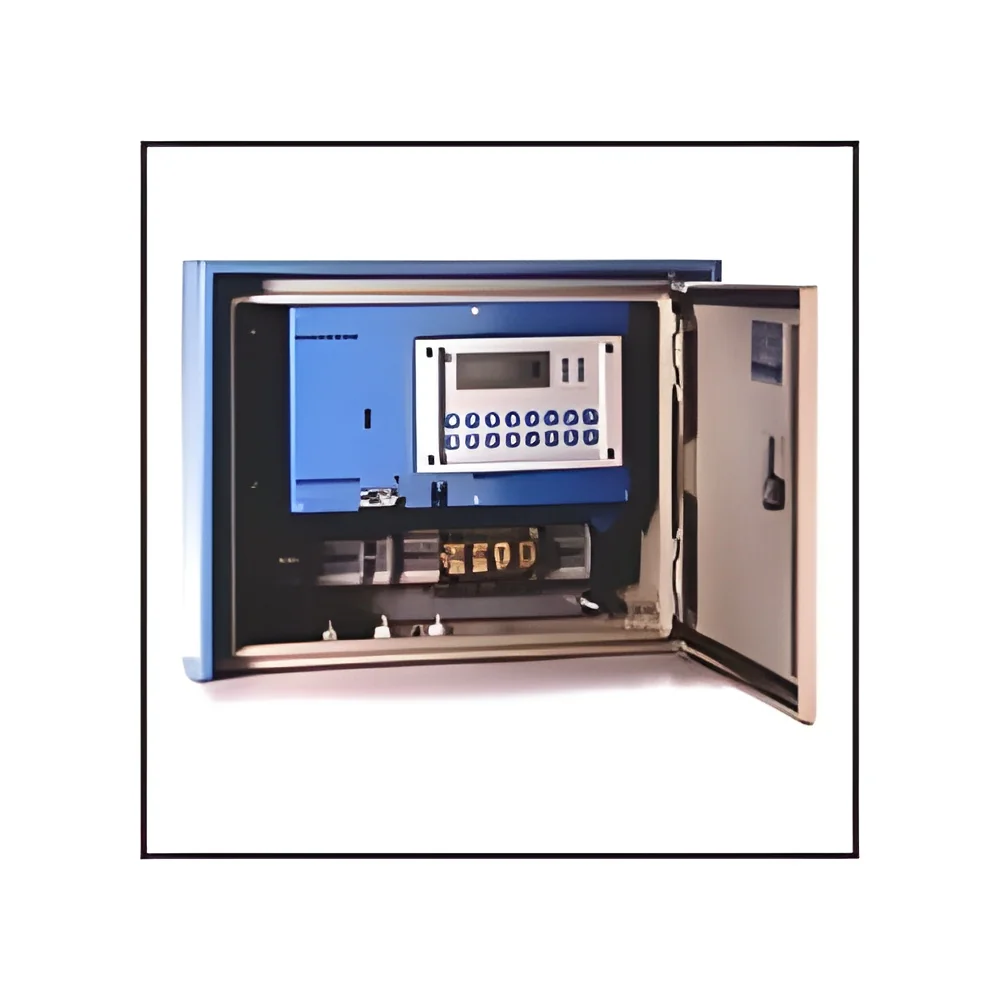
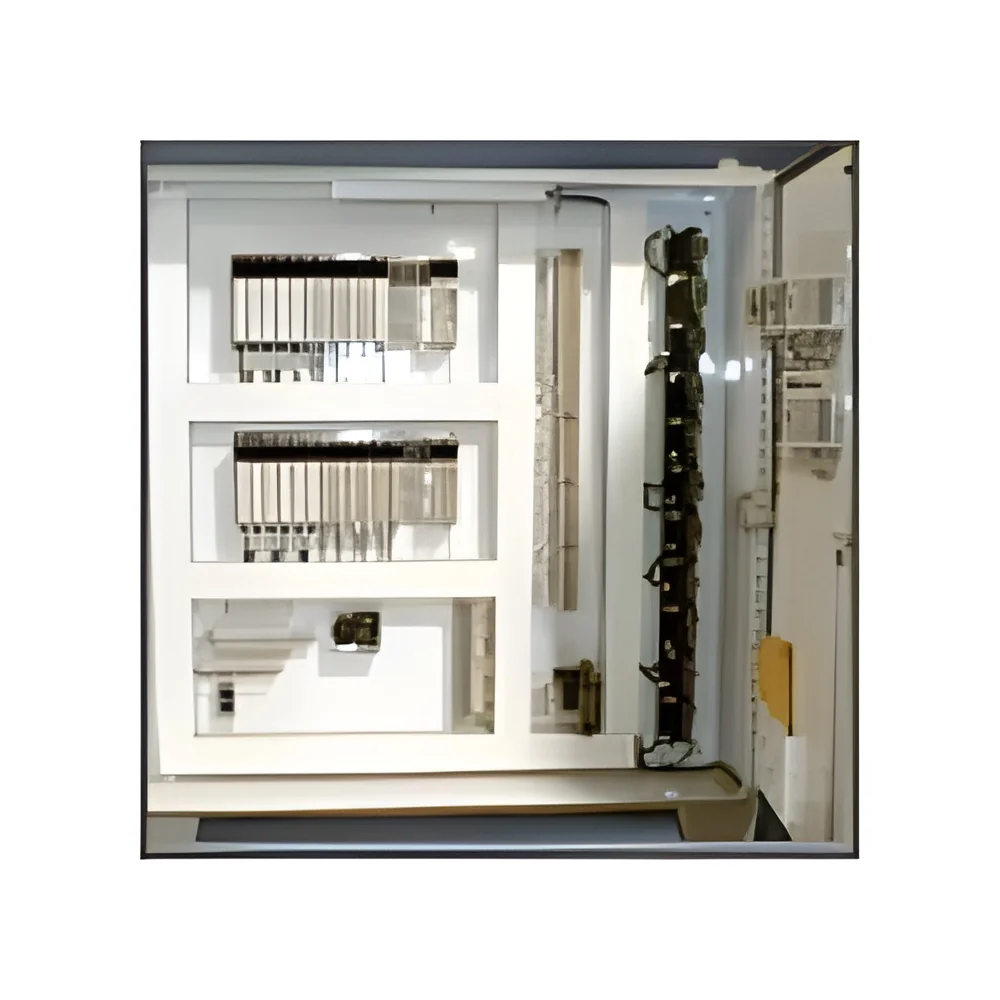
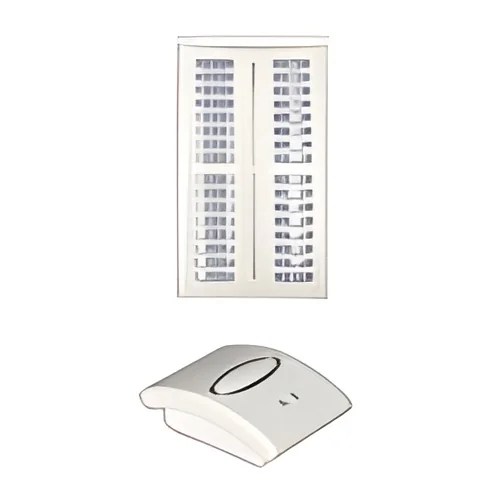
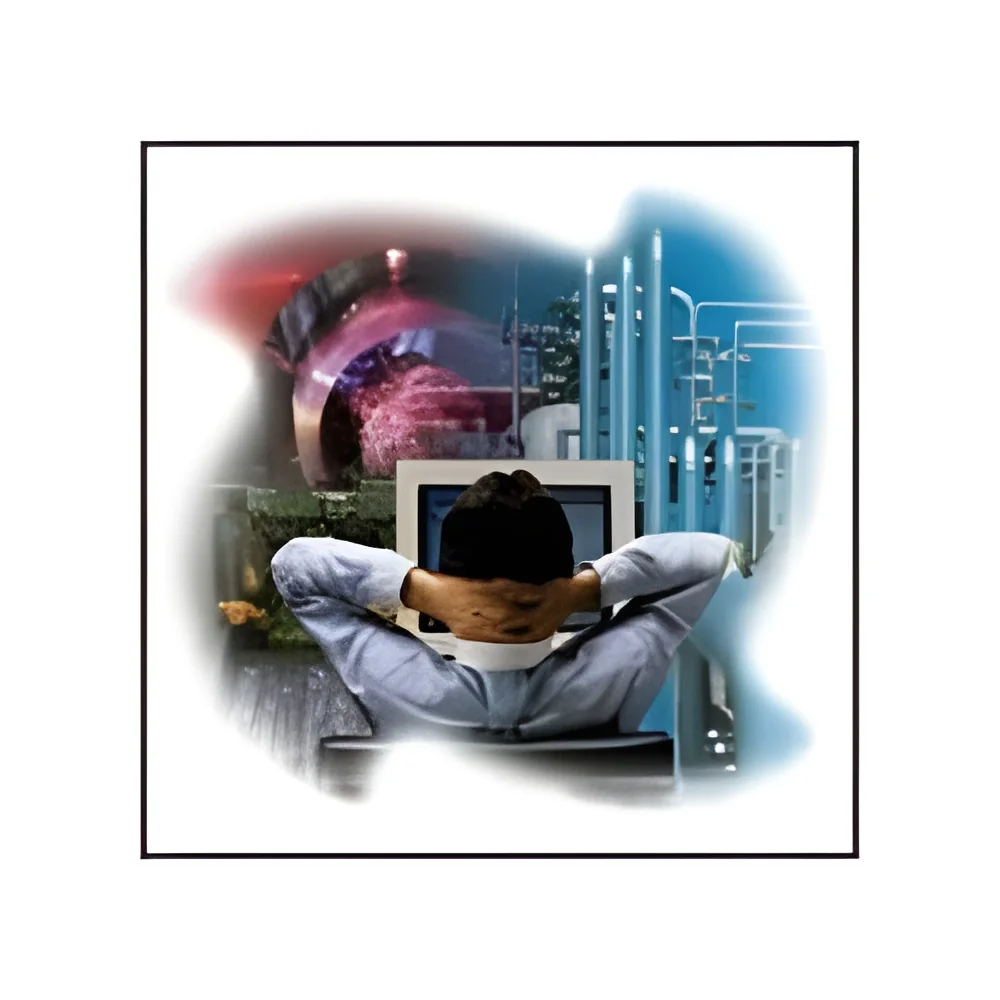
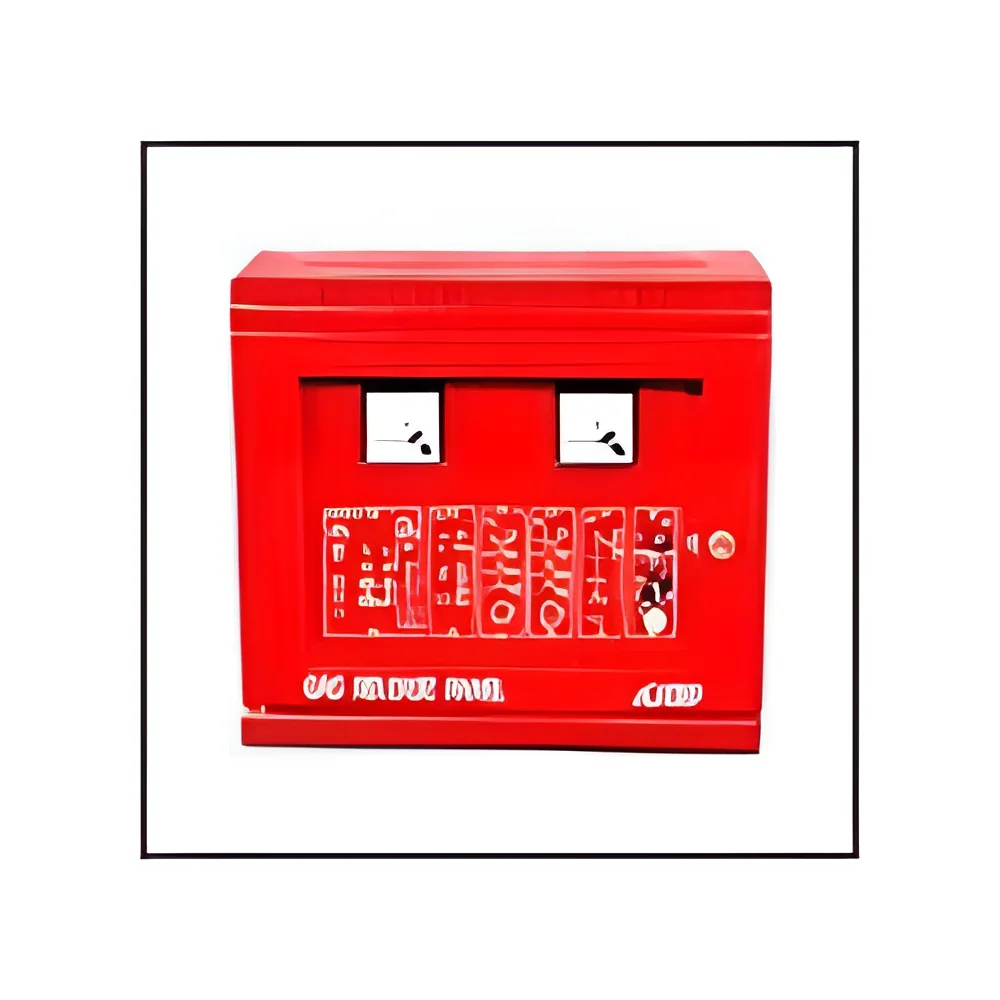
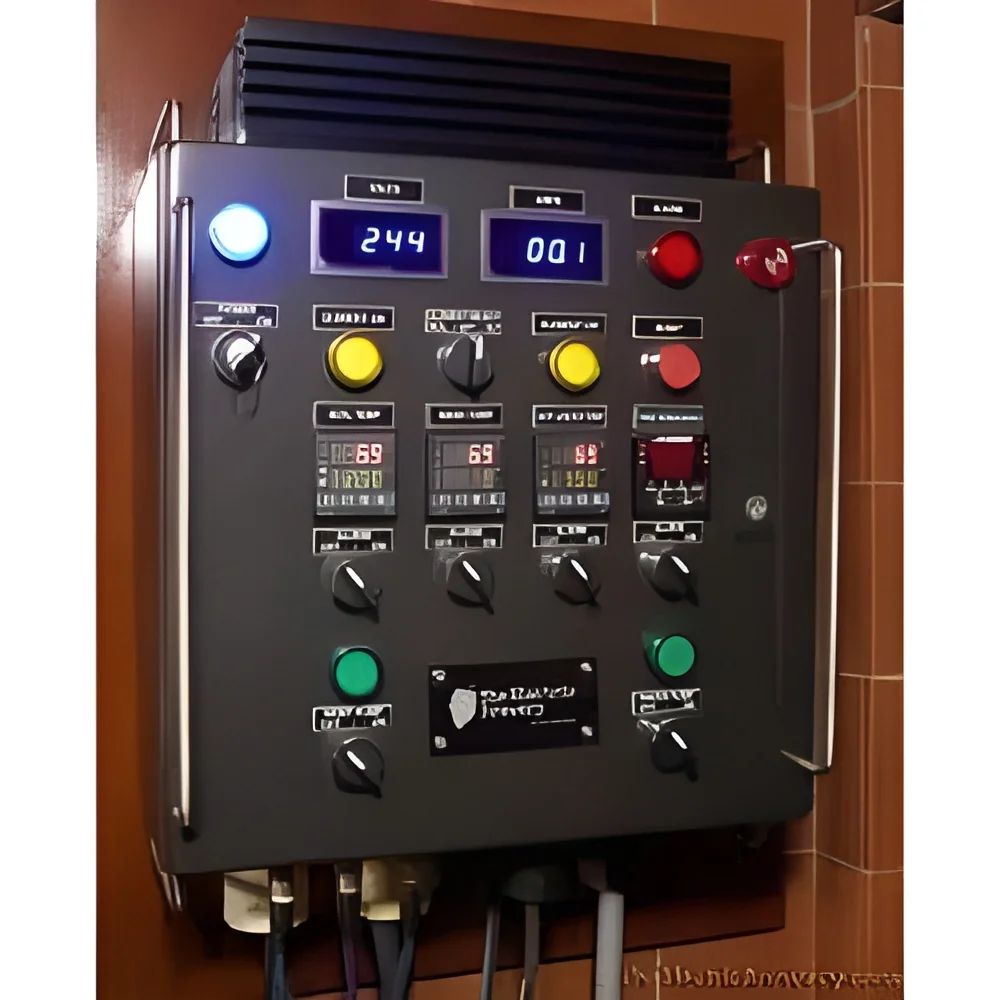
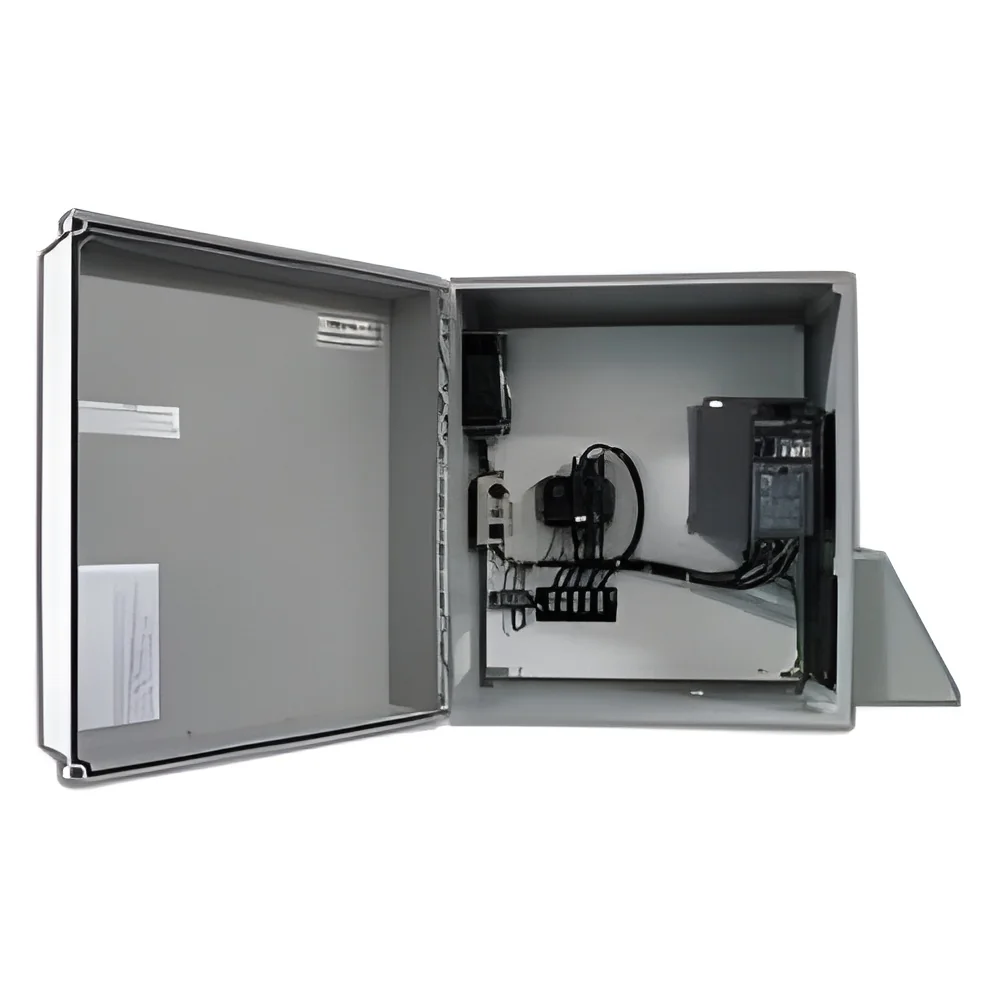
Industrial automation embedded systems represent specialized computing units engineered for dedicated functions within larger industrial setups and building management frameworks. Unlike general-purpose computers, these systems are optimized for specific operational tasks, combining microcontrollers, hardware interfaces, and mechanical components into cohesive, reliable solutions. This focused approach enables enhanced performance characteristics, reduced physical footprint, and superior cost efficiency, making them essential components in modern automated operations. These systems deliver consistent performance across diverse applications while maintaining operational integrity in challenging industrial environments.

These embedded systems find extensive application across multiple industrial sectors including manufacturing, facility management, and process control. In industrial settings, they control machinery operations, monitor production line efficiency, and manage critical safe...
Industrial automation embedded systems represent specialized computing units engineered for dedicated functions within larger industrial setups and building management frameworks. Unlike general-purpose computers, these systems are optimized for specific operational tasks, combining microcontrollers, hardware interfaces, and mechanical components into cohesive, reliable solutions. This focused approach enables enhanced performance characteristics, reduced physical footprint, and superior cost efficiency, making them essential components in modern automated operations. These systems deliver consistent performance across diverse applications while maintaining operational integrity in challenging industrial environments.

These embedded systems find extensive application across multiple industrial sectors including manufacturing, facility management, and process control. In industrial settings, they control machinery operations, monitor production line efficiency, and manage critical safety systems including emergency shutdown protocols. Building Management Systems leverage embedded technology to automate environmental controls, security systems, and energy management functions. The automotive and processing industries utilize similar systems for equipment monitoring and process optimization, demonstrating the technology's versatility across different operational requirements and industry standards.

The business value of industrial automation embedded systems manifests through their exceptional durability, extended service life, and reliable performance characteristics. These systems significantly reduce operational expenditures by streamlining processes, minimizing equipment downtime, and optimizing energy consumption. Their robust construction ensures consistent operation in demanding environments, from factory production floors to critical infrastructure facilities. The systems' reliability builds operational confidence among facility managers, plant operators, and technical professionals who depend on uninterrupted automation performance for their daily operations and long-term planning.

Key Features:
- Dedicated function optimization for enhanced operational performance
- Seamless integration with microcontrollers and hardware interfaces
- Robust construction for demanding industrial environments
- Compact design reducing physical footprint and installation costs
- Extended service life with minimal maintenance requirements

Benefits:
- Improved operational efficiency through dedicated function optimization
- Reduced system complexity with integrated hardware solutions
- Enhanced reliability in demanding operational conditions
- Cost-effective implementation and maintenance
- Long-term operational stability and performance consistency
Specifications
| Additional Information | |
|---|---|
| Country of Origin | India |
Application
Industrial automation embedded systems serve as the intelligent core controlling machinery, production lines, and safety mechanisms with precision. These systems manage critical operations in manufacturing environments, ensuring consistent performance and operational safety through dedicated function optimization and real-time monitoring capabilities. Their robust design withstands demanding industrial conditions while maintaining reliable operation across extended service periods.
Building Management Systems utilize these embedded solutions to regulate HVAC, lighting, access control, and energy management. The systems provide seamless integration between different building subsystems, enabling centralized control and monitoring. This integration results in improved energy efficiency, enhanced security protocols, and optimized operational costs for commercial and industrial facilities requiring sophisticated automation solutions.
- Industrial machinery control and production line automation
- Building Management Systems for HVAC and energy optimization
- Access control and security system integration
- Environmental monitoring and safety systems
- Process control and equipment monitoring systems
Trade Details
| Available Stock | In Stock |
| Sample Availability | No |
Payment Terms
| Payment Terms |
|
Company Profile
Alpha Pacific Systems, New Delhi
 New Delhi, India
New Delhi, IndiaManufacturer•Distributor / Wholesaler•Importer / Exporter
Factory Details
Factory SizeBelow 1000 sqm
Annual Production Capacity0
Main Markets
Southern Europe
South Asia
Southeast Asia
Domestic
Industrial Automation Embedded Systems For BMS And Custom Applications
Industrial automation embedded systems for BMS and custom applications deliver reliable performance, durability, and cost-efficiency for machinery control and building management solutions.
Min. Order Quantity: 1 unit
Shipping
Shipping fee and delivery date to be negotiated. Contact supplier now for more details.
Alpha Pacific Systems
 New Delhi, India
New Delhi, IndiaManufacturer