IN
IN₹
Apparel & Fashion
Loading subcategories...
View More

Description
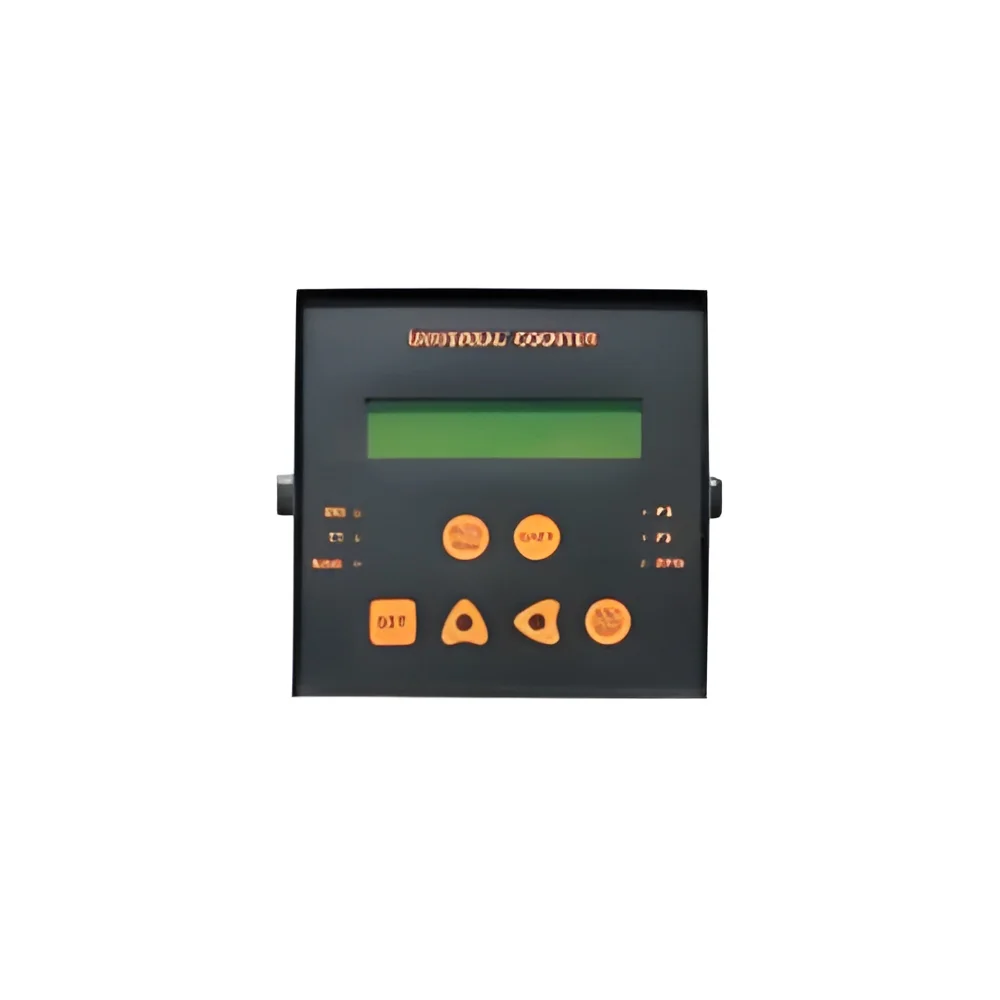
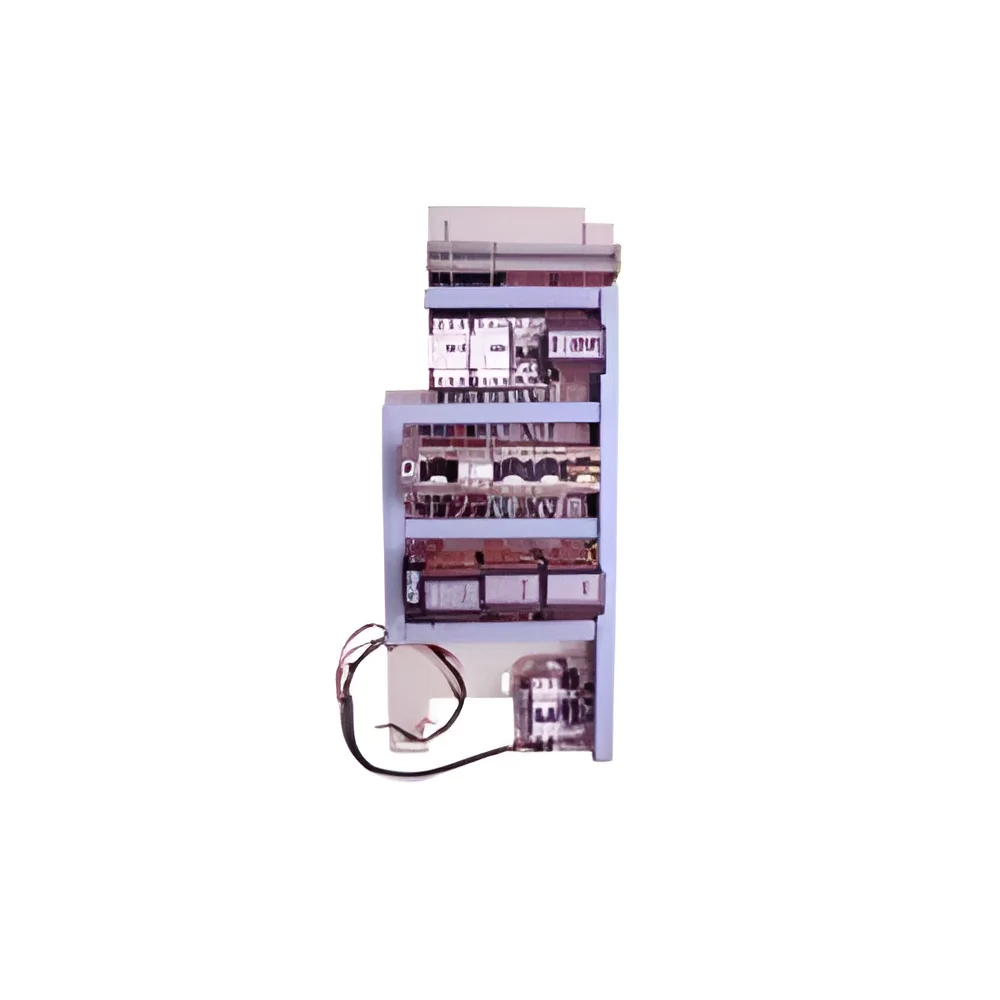
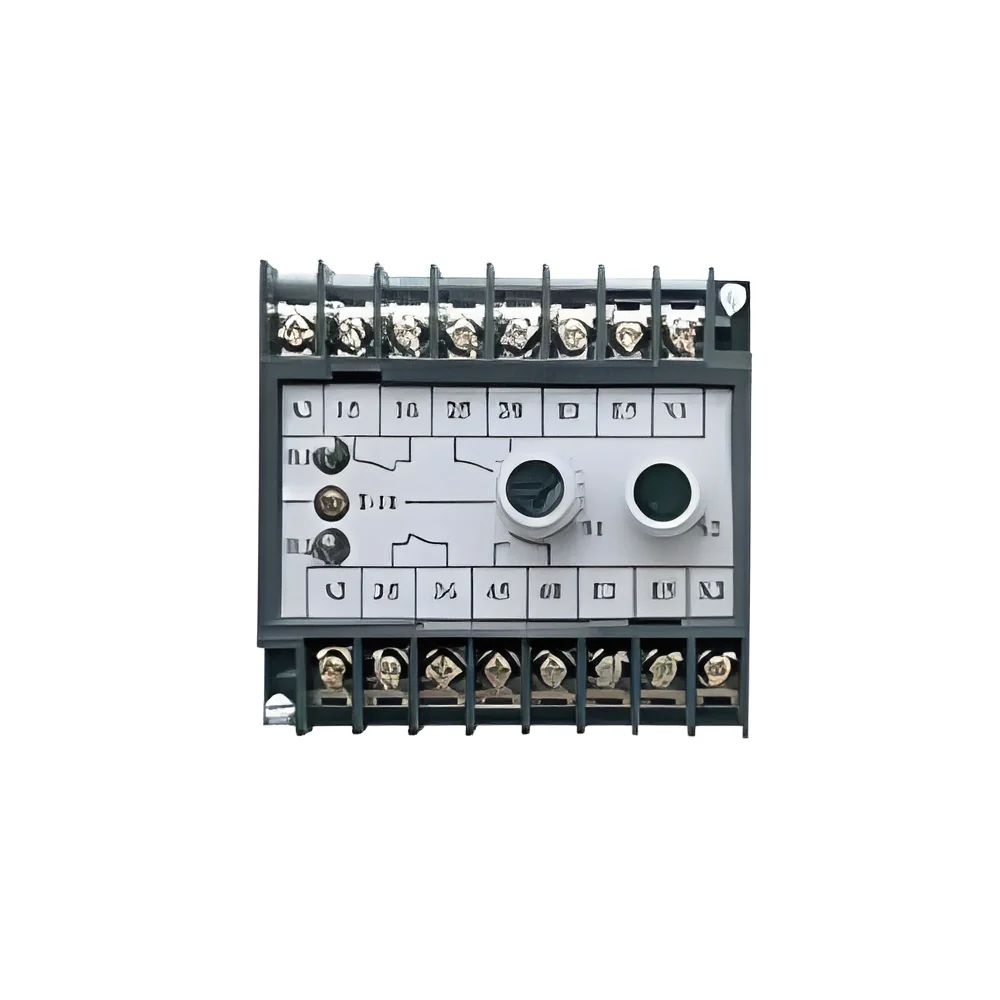
Our industrial feed roll motor controller provides exceptional precision and reliability for speed control in demanding manufacturing environments. Engineered with high-quality components, this controller ensures smooth operation of motors driving feed rollers across various industrial machinery. It delivers stable performance, reduces motor wear through advanced protection features, and supports multiple input signals for seamless system integration. Designed for straightforward installation and compatibility with different motor types, this versatile solution meets the rigorous demands of equipment manufacturers and industrial operators. The unit incorporates overload protection, adjustable operational parameters, and durable construction to withstand challenging industrial conditions while maintaining consistent material feed rates crucial for product quality and operational efficiency.

This controller serves critical functions across multiple industries requiring precise material ...
Our industrial feed roll motor controller provides exceptional precision and reliability for speed control in demanding manufacturing environments. Engineered with high-quality components, this controller ensures smooth operation of motors driving feed rollers across various industrial machinery. It delivers stable performance, reduces motor wear through advanced protection features, and supports multiple input signals for seamless system integration. Designed for straightforward installation and compatibility with different motor types, this versatile solution meets the rigorous demands of equipment manufacturers and industrial operators. The unit incorporates overload protection, adjustable operational parameters, and durable construction to withstand challenging industrial conditions while maintaining consistent material feed rates crucial for product quality and operational efficiency.

This controller serves critical functions across multiple industries requiring precise material handling and processing capabilities. In printing operations, it regulates paper and substrate feeding in presses to prevent misalignment and production jams. Packaging lines utilize its accuracy for controlled feeding of films, labels, and cartons to maintain perfect synchronization throughout the packaging process. Textile manufacturers depend on it for precise fabric feed control in weaving, dyeing, and finishing machinery. The controller also proves essential in converting equipment processing paper, plastic films, and nonwoven materials. Its adaptability makes it suitable for food processing conveyors, automotive assembly systems, and numerous other applications where consistent motor speed directly influences productivity and quality assurance.

The business value of this electronic controller centers on enhancing operational reliability while minimizing production downtime. Through precise speed control, it significantly reduces material waste and improves output consistency across manufacturing cycles. Its robust design and comprehensive overload protection extend motor lifespan, substantially lowering maintenance expenses and replacement frequency. The controller accommodates specific operational requirements, offering flexibility for diverse industrial applications. Companies implementing this solution experience increased production efficiency, superior product quality, and enhanced customer satisfaction through reliable performance. Its proven reliability and consistent operation make it a trusted component for industrial buyers seeking to optimize machinery performance and strengthen their competitive position in the market.

Key Features:
- Precise speed control technology for consistent feed roll operation
- Industrial-grade construction designed for demanding environments
- Comprehensive overload and overcurrent protection systems
- Adjustable operational parameters for application-specific needs
- Broad compatibility with various motor types and voltage requirements

Benefits:
- Enhanced production consistency through reliable speed regulation
- Reduced maintenance costs with extended equipment lifespan
- Minimized material waste and improved product quality
- Increased operational efficiency with reduced downtime
- Flexible integration capabilities for diverse industrial systems
Specifications
| Additional Information | |
|---|---|
| Country of Origin | India |
| Customisable | No |
Application
This industrial feed roll motor controller maintains precise speed regulation for motors driving rollers in printing presses, packaging equipment, and textile machinery. Its robust construction handles continuous operation while reducing downtime and maintenance costs across manufacturing facilities. The controller ensures consistent material feeding and web handling where accuracy directly impacts production quality and operational efficiency.
Engineered for seamless integration with various feed roll systems, this controller supports specific voltage, torque, and RPM requirements. It excels in converting and finishing machinery where precision motion control determines output consistency. Manufacturing plants in printing, packaging, and textile sectors depend on its stability to enhance production throughput and maintain quality standards across diverse industrial environments.
- Speed regulation for feed rollers in flexographic and offset printing presses
- Material feed control in automated packaging and labeling systems
- Precision web handling in textile manufacturing and fabric processing
- Conveyor feed management in food processing and packaging operations
- Integration into converting equipment for paper, film, and nonwoven materials
Trade Details
| Available Stock | In Stock |
| Sample Availability | No |
Payment Terms
| Payment Terms |
|
Company Profile
Krish Engineers, Gujarat
 Gujarat, India
Gujarat, IndiaOffice Supplies & Equipment•Manufacturer•Distributor / Wholesaler•Importer / Exporter
Factory Details
Factory SizeBelow 1000 sqm
Annual Production Capacity0
Industrial Feed Roll Motor Controller For Printing Packaging Textile
Industrial feed roll motor controller delivers precise speed control for printing, packaging, and textile machinery. Trusted by OEMs for reliability and durability in demanding industrial applications.
Min. Order Quantity: 1 unit
Shipping
Shipping fee and delivery date to be negotiated. Contact supplier now for more details.
Krish Engineers
 Gujarat, India
Gujarat, IndiaOffice Supplies & EquipmentManufacturer