IN
₹
Apparel & Fashion
Description
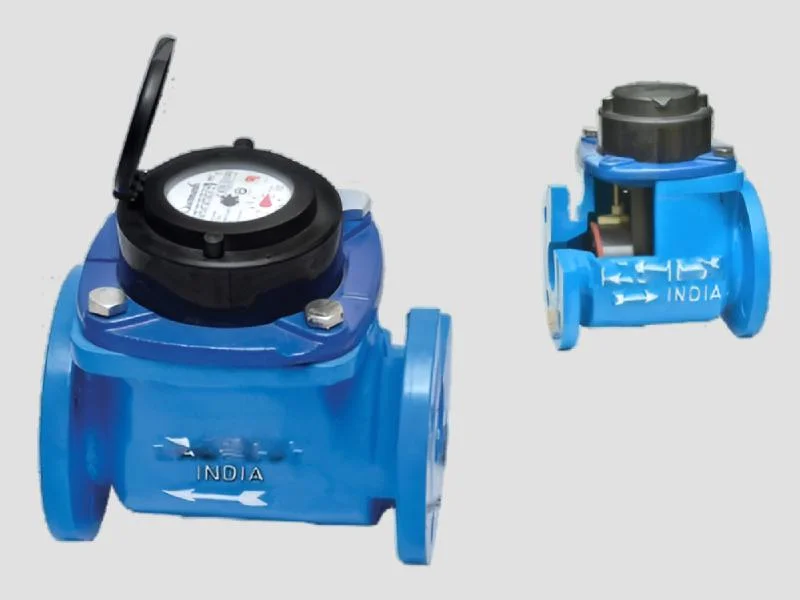
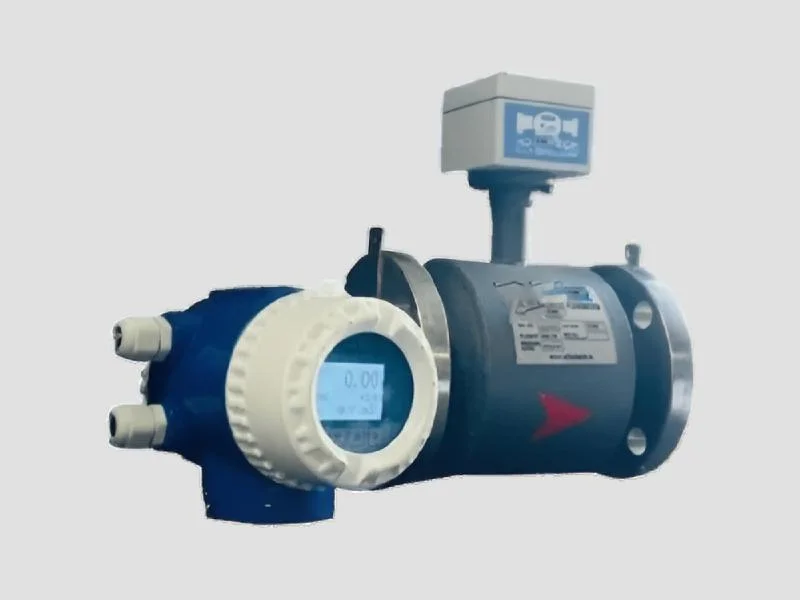
Electromagnetic Flow Meters represent the gold standard in liquid flow measurement technology for conductive fluids. Operating on Faraday's Law of Electromagnetic Induction, these advanced instruments provide obstruction-free flow measurement with exceptional accuracy of ±0.2% of reading or better. Unlike mechanical flow meters, they contain no moving parts that contact the fluid, eliminating mechanical wear and ensuring long-term reliability. The meters feature robust construction with IP68-rated sensors and IP65/IP67 transmitter protection, making them suitable for demanding industrial environments. With multiple output options including pulse and 4-20 mA analog signals, they integrate seamlessly with existing control systems while supporting remote monitoring through GSM/GPRS telemetry for comprehensive flow management solutions.

These flow meters serve critical roles across multiple industries where precise liquid measurement is essential. In municipal water management, they ensur...
Electromagnetic Flow Meters represent the gold standard in liquid flow measurement technology for conductive fluids. Operating on Faraday's Law of Electromagnetic Induction, these advanced instruments provide obstruction-free flow measurement with exceptional accuracy of ±0.2% of reading or better. Unlike mechanical flow meters, they contain no moving parts that contact the fluid, eliminating mechanical wear and ensuring long-term reliability. The meters feature robust construction with IP68-rated sensors and IP65/IP67 transmitter protection, making them suitable for demanding industrial environments. With multiple output options including pulse and 4-20 mA analog signals, they integrate seamlessly with existing control systems while supporting remote monitoring through GSM/GPRS telemetry for comprehensive flow management solutions.

These flow meters serve critical roles across multiple industries where precise liquid measurement is essential. In municipal water management, they ensure accurate monitoring of water distribution networks, helping utilities reduce non-revenue water losses and improve billing accuracy. Industrial applications span chemical processing, pharmaceuticals, food and beverage production, and mining operations where they monitor process flows, batch operations, and effluent discharge. The compatibility with PTFE/Teflon or rubber linings allows customization for different fluid characteristics, from clean water to corrosive chemicals and abrasive slurries. TWAD Board approval makes them particularly valuable for government water supply schemes and infrastructure projects requiring certified measurement equipment.

The business value of electromagnetic flow meters extends beyond accurate measurement to deliver tangible operational benefits and cost savings. Their maintenance-free operation significantly reduces downtime and service costs compared to mechanical alternatives, while the high accuracy ensures precise billing and process control. The remote monitoring capabilities through SCADA, AMR, and GSM/GPRS systems enable proactive maintenance and real-time decision making without physical site visits. Reliability is further enhanced by the obstruction-free design that prevents clogging and pressure loss, ensuring consistent performance even with fluids containing suspended solids. These meters represent a smart investment that pays dividends through improved efficiency, reduced operational costs, and enhanced regulatory compliance across various applications.

Key Features:
- High measurement accuracy of ±0.2% of reading or better
- IP68 sensor protection and IP65/IP67 transmitter protection ratings
- Multiple output options including pulse and 4-20 mA analog signals
- Choice of PTFE/Teflon or rubber lining materials for different applications
- Remote monitoring compatibility with SCADA, AMR, and GSM/GPRS telemetry

Benefits:
- Maintenance-free operation with no moving parts contacting the fluid
- Long-term reliability and stability in harsh industrial environments
- Reduced operational costs through minimal maintenance requirements
- Enhanced process control and billing accuracy through precise measurement
- Flexible integration with existing control and monitoring systems
Specifications
| Key Attributes | |
|---|---|
| Type | Electromagnetic Flow Meter (Magmeter), SCADA, AMR |
| Accuracy | ±0.2% of reading or better |
| Output | Pulse / 4–20 mA analog |
| Sensor Protection | IP68 |
| Transmitter Protection | IP65 / IP67 |
| Lining Options | PTFE/Teflon or Rubber |
| Remote Monitoring | Compatible with GSM/GPRS telemetry |
| Additional Information | |
|---|---|
| Country of Origin | India |
Application
Electromagnetic flow meters deliver exceptional performance across water management and industrial processing applications. Their robust construction and high accuracy make them ideal for municipal water distribution, sewage treatment plants, and industrial facilities requiring precise flow measurement of conductive liquids. The IP68 sensor protection ensures reliable operation even in challenging environments where moisture and dust are concerns.
These versatile meters support multiple output options including pulse and 4-20 mA analog signals, enabling seamless integration with existing control systems. Compatibility with SCADA, AMR, and GSM/GPRS telemetry systems allows for comprehensive remote monitoring capabilities. With lining options including PTFE/Teflon and rubber, these meters handle various fluid types from clean water to aggressive industrial chemicals without compromising measurement accuracy. Real-world applications:
Real-world applications:
- Municipal water supply and distribution networks for accurate billing and leak detection
- Wastewater treatment plants monitoring influent, effluent, and process flows
- Industrial process control in chemical, pharmaceutical, and food processing plants
- Irrigation systems managing water distribution and consumption tracking
- Remote monitoring stations using GSM/GPRS telemetry for real-time flow data
Trade Details
| Available Stock | In Stock |
| Sample Availability | No |
Payment Terms
| Payment Terms |
|
Company Profile

Preetam Ferroworks Private Limited, Tamil Nadu
 Tamil Nadu, India
64 yrs
Manufacturer
Turn Over
Above ₹10 Crore
Factory Details
Factory Size1000-5000 sqm
Electromagnetic Flow Meters
High-precision electromagnetic flow meters for industrial and municipal conductive liquid measurement. Features ±0.2% accuracy, IP68 protection, and remote monitoring compatibility for reliable, maintenance-free operation.
Min. Order Quantity: 1
Shipping
Shipping fee and delivery date to be negotiated. Contact supplier now for more details.
Preetam Ferroworks Private Limited Tamil Nadu, India
Manufacturer