IN
INundefined
Similar Products


Description
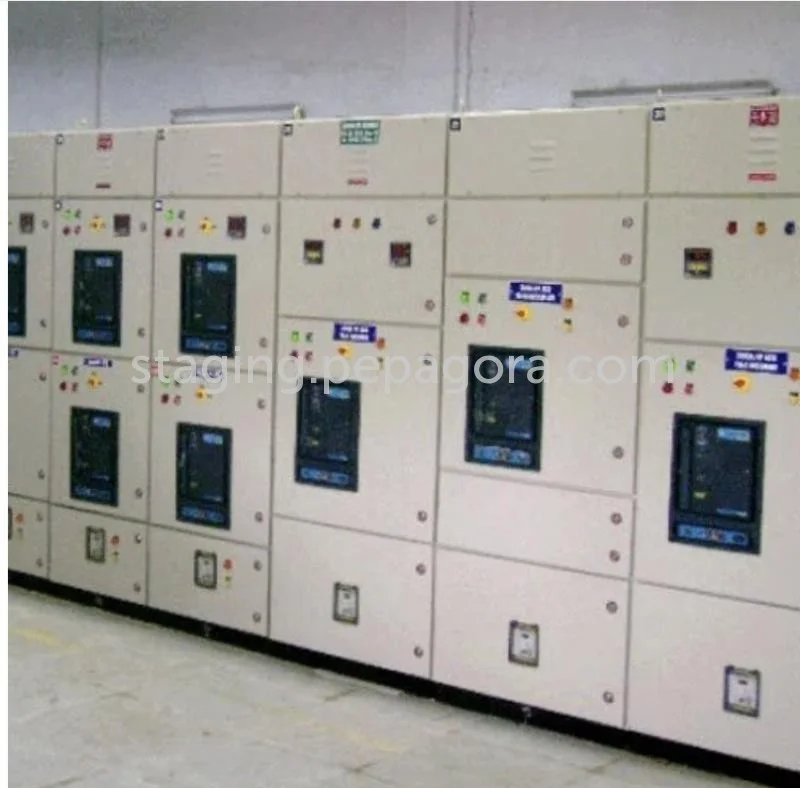
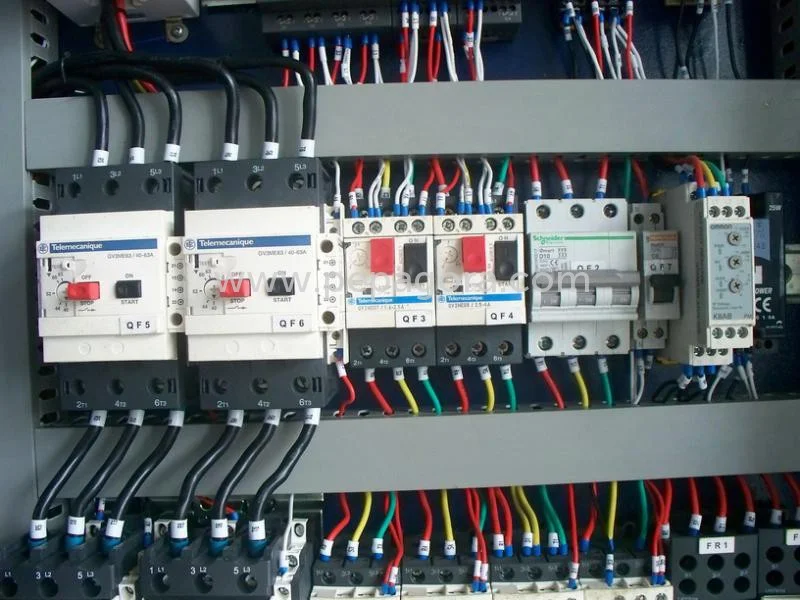
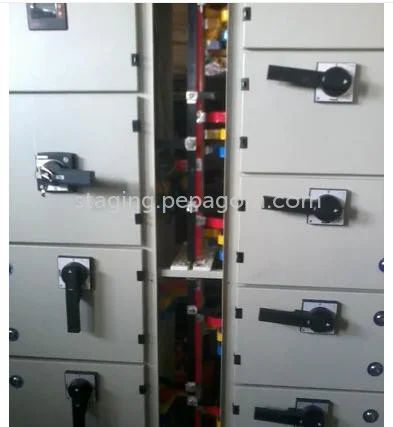
Electric control panels represent the central nervous system of modern electrical infrastructure, integrating protective devices, control components, and monitoring equipment withi...
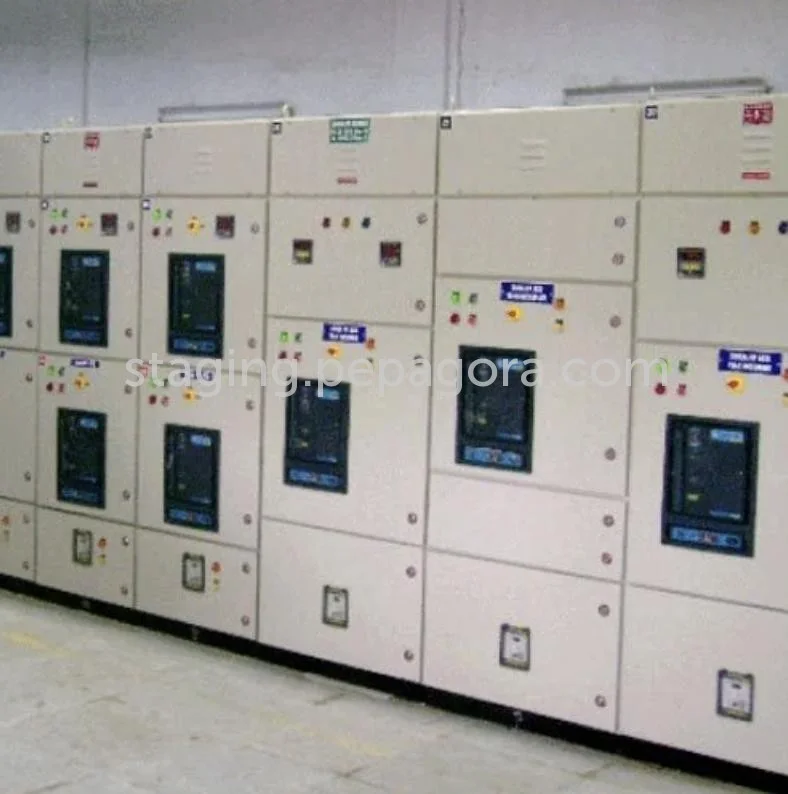
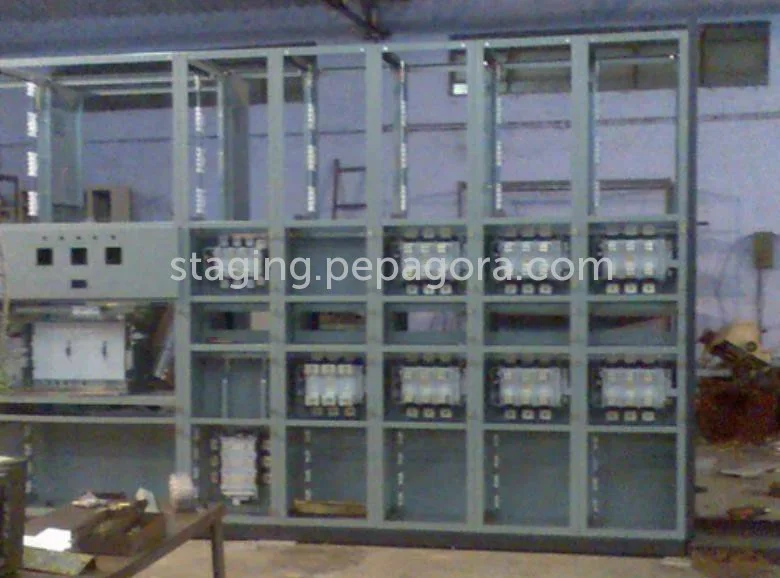
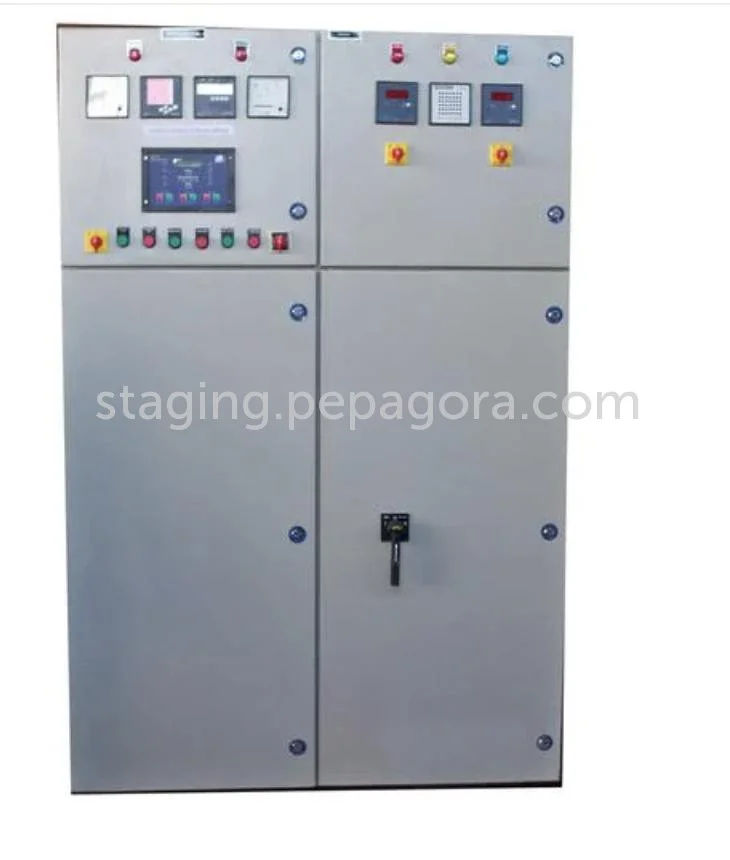
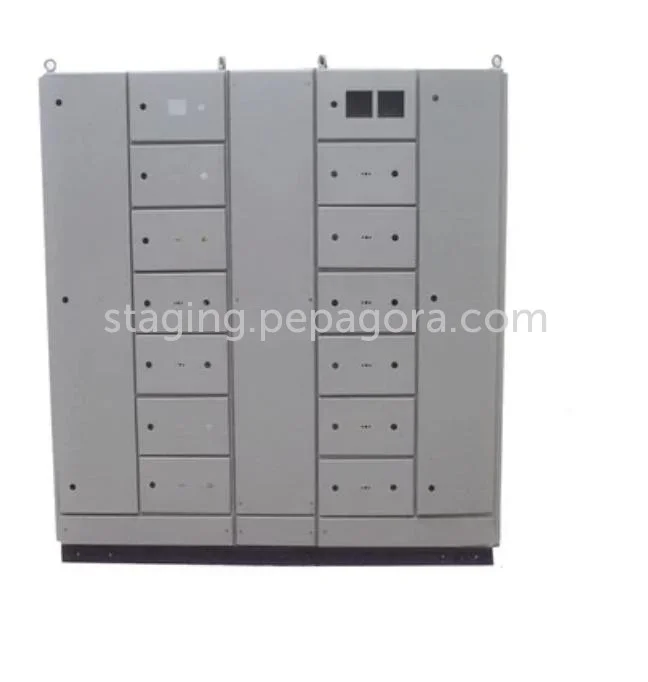
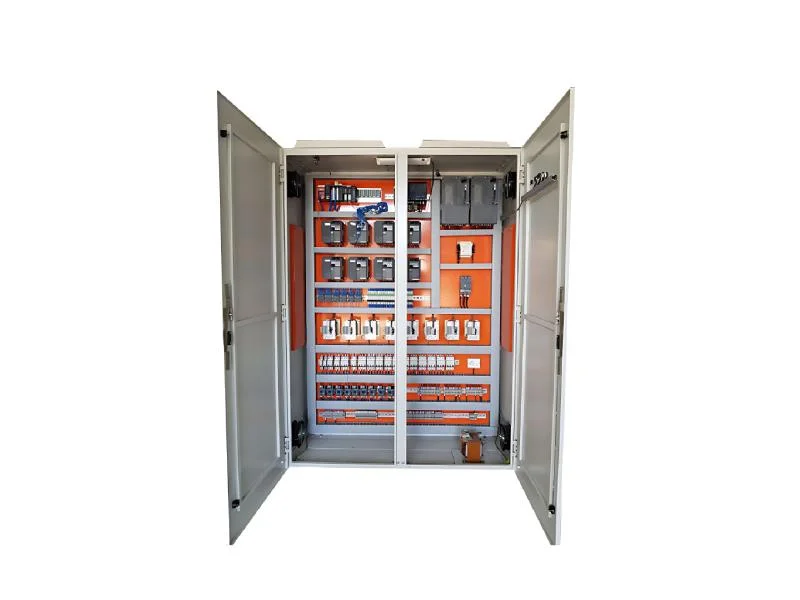
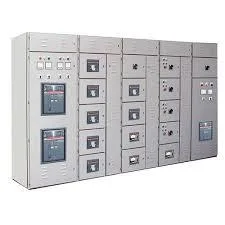
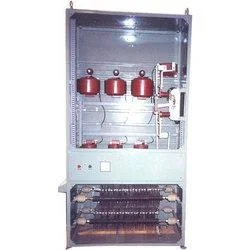
Electric control panels represent the central nervous system of modern electrical infrastructure, integrating protective devices, control components, and monitoring equipment within secure, organized enclosures. These systems simplify complex power management by providing centralized oversight, automated control functions, and real-time operational data. Engineered for durability, they withstand challenging environmental conditions while ensuring user safety through comprehensive protection mechanisms including overload prevention and fault isolation. Their design accommodates various electrical configurations and compliance requirements, making them suitable for diverse installation scenarios and operational demands.

Manufacturing industries utilize these panels to regulate production machinery, ensuring synchronized operation and minimizing downtime in textile plants, automotive facilities, and food processing operations. Commercial sectors implement them in office towers, retail centers, and hospitality venues to manage energy distribution, lighting controls, and HVAC systems efficiently. Infrastructure projects including transportation hubs, educational campuses, and healthcare facilities rely on these panels for safe, reliable power distribution across extensive networks. Residential developments incorporate them in apartment complexes and community buildings for organized electrical management that enhances safety and simplifies maintenance procedures.

Organizations benefit from reduced operational interruptions, optimized energy consumption, and compliance with electrical safety regulations. These panels are constructed for long-term reliability using quality materials and modular designs that facilitate future expansions or modifications. Their dependable performance minimizes maintenance requirements and repair costs while building confidence among facility managers and operators. The inherent reliability ensures continuous operation of critical systems, supporting productivity and operational continuity across various applications and environments.

Key Features:
- Durable enclosure construction with protection ratings for environmental resistance.
- Organized layout design for clear component arrangement and accessibility.
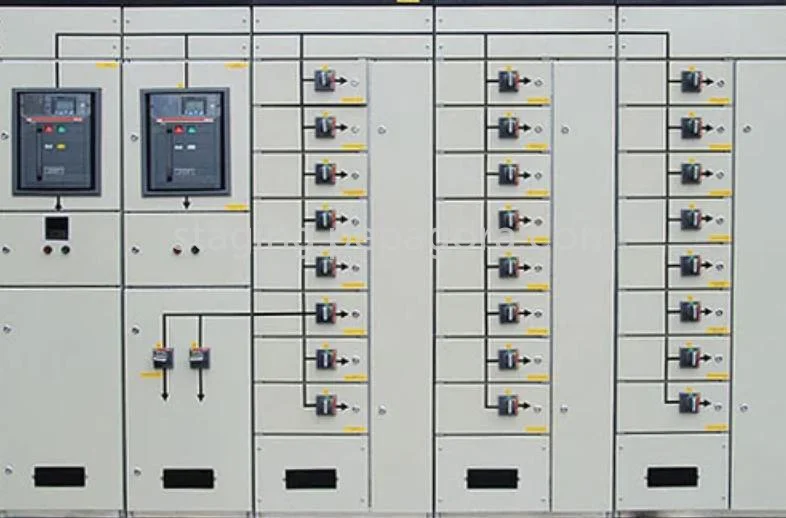
- Integrated protective devices including circuit breakers and relays for electrical safety.
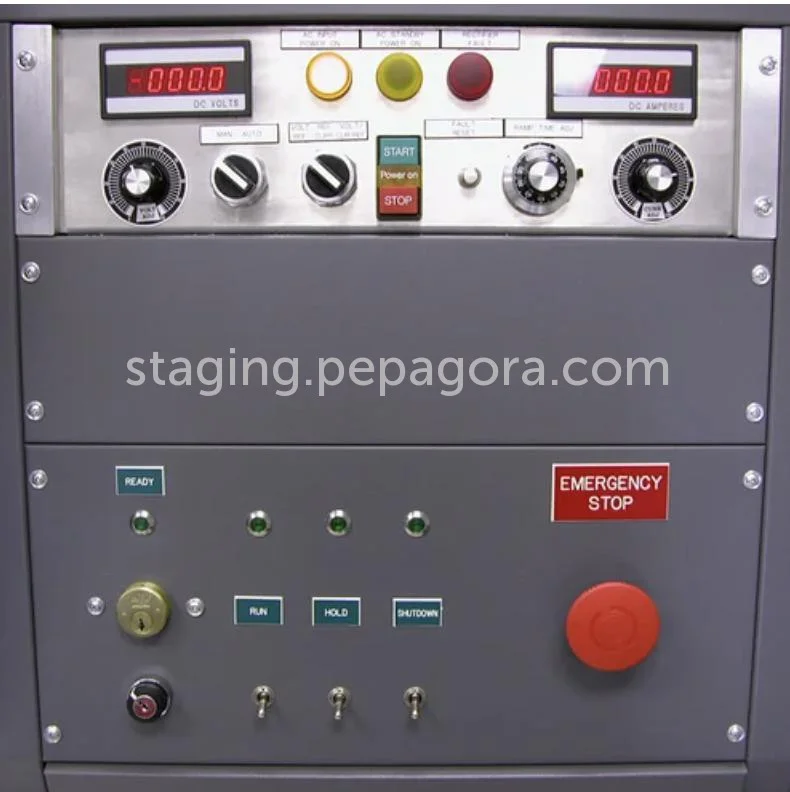
- Monitoring capabilities through indicators and measurement instruments for operational oversight.
- Compatibility with automation and control systems for enhanced functionality.

Benefits:
- Improves operational efficiency through centralized control and reduced manual intervention.
- Enhances safety with systematic fault protection and emergency response capabilities.
- Optimizes energy usage through efficient power distribution and load management.
- Supports future expansion with adaptable designs that accommodate system growth.
- Ensures reliable performance with durable components that minimize maintenance needs.
Specifications
| Additional Information | |
|---|---|
| Country of Origin | India |
| Customisable | No |
Application
These electric control panels serve as centralized command hubs for managing complex electrical systems across various environments. They provide precise control over machinery operation, power distribution networks, and automated processes, ensuring consistent performance while maintaining safety standards and operational efficiency in demanding settings.

From manufacturing facilities requiring synchronized equipment control to large buildings managing extensive electrical loads, these panels deliver reliable operation. They support critical infrastructure in utilities, commercial developments, and production plants, offering robust performance that meets specific voltage requirements and spatial considerations while adhering to industry standards for electrical safety and reliability.
- Regulating production equipment and assembly lines in manufacturing plants for consistent operational output.
- Managing electrical distribution and safety systems in commercial buildings and shopping complexes.
- Controlling power distribution and load balancing in residential towers and housing developments.
- Operating pumps, motors, and treatment systems in water management and utility facilities.
- Monitoring and protecting electrical networks in institutional buildings and critical infrastructure projects.
Trade Details
| Available Stock | In stock |
| Sample Availability | No |
Payment Terms
| Payment Terms |
|
Company Profile

H.B Power Controls, Tamil Nadu Tamil Nadu, India
Tamil Nadu, IndiaElectronics & Electrical•ManufacturerTrading CompanyImporter / Exporter
Factory Details
Factory SizeBelow 1000 sqm
Annual Production Capacity0
Industrial Commercial Residential Electric Control Panels For Automation Power Distribution
Industrial Commercial Residential Electric Control Panels provide reliable power distribution, motor control, and system monitoring for automation applications. These panels deliver trusted performance across diverse environments with quality construction.
Min. Order Quantity: 1 Pieces
Shipping
Shipping fee and delivery date to be negotiated. Contact supplier now for more details.
H.B Power Controls
 Tamil Nadu, India
Tamil Nadu, IndiaElectronics & ElectricalManufacturer