IN
INundefined
Similar Products
Description
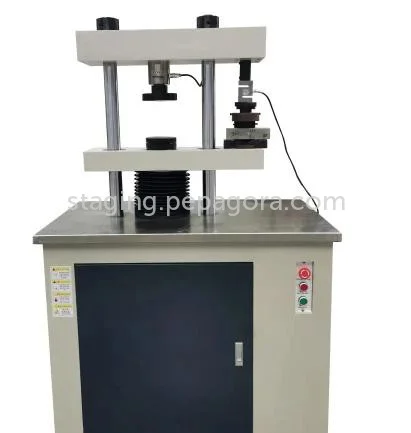
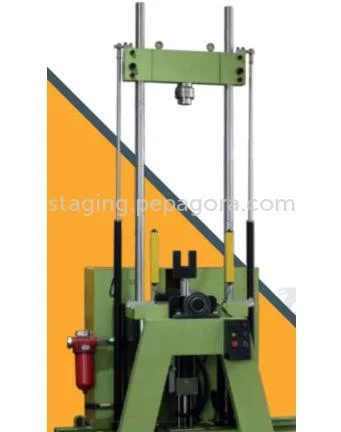
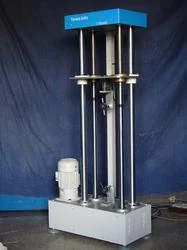
The Dynamic Testing Machine is a precision-engineered system designed to evaluate material and component behavior under cyclic loading conditions, accurately simulating real-world ...
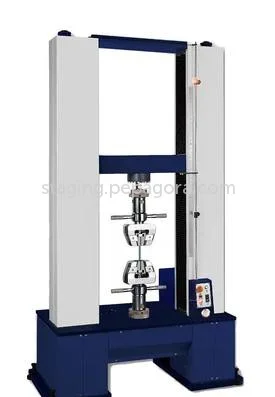
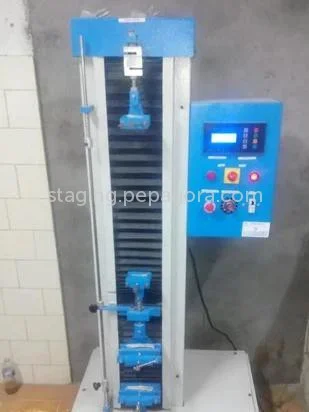
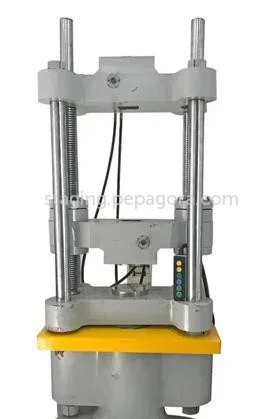
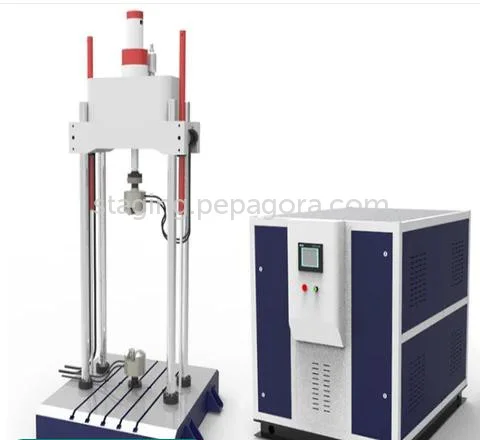
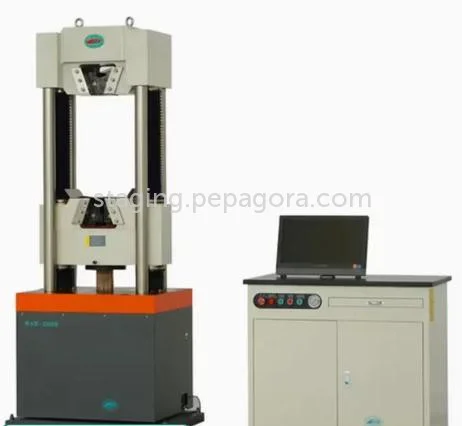
The Dynamic Testing Machine is a precision-engineered system designed to evaluate material and component behavior under cyclic loading conditions, accurately simulating real-world operational stresses. It employs advanced servo-hydraulic or electrodynamic actuators to apply controlled, repetitive force patterns, replicating the dynamic environments encountered in demanding applications. This machine specializes in measuring fatigue life, crack growth rates, and overall durability, providing critical data on how materials like metals, alloys, and composites withstand repeated use. Equipped with sophisticated data acquisition software, it offers real-time monitoring of load, displacement, and waveform parameters, ensuring tests are both consistent and highly accurate for reliable performance predictions.

In industrial settings, this testing machine is vital across sectors where component failure is not an option. The aerospace industry relies on it to validate the integrity of turbine blades, landing gear, and airframe structures under simulated flight cycles. Automotive manufacturers use it to test engine components, suspension systems, and chassis parts against road-induced fatigue. Similarly, the defense sector applies it to armored vehicle and weapon system evaluations, while railways depend on it for axle and wheel durability. Research laboratories and structural engineering firms also utilize it to assess bridges and building materials, ensuring compliance with safety standards and extending product lifecycles.

The business value of the Dynamic Testing Machine lies in its ability to enhance product reliability, reduce warranty claims, and support compliance with international quality standards. By identifying potential failure points early, it helps manufacturers avoid costly recalls and reinforces brand reputation for durability. Its customization options allow tailoring to specific operational needs, providing a competitive edge in markets demanding proven performance. Built for precision and long-term use, this machine delivers trusted results that engineers and procurement teams depend on for critical material decisions, making it a sound investment for any serious B2B buyer focused on quality and risk mitigation.

Key Features:
- Servo-hydraulic or electrodynamic actuator for precise cyclic load application.
- Real-time data acquisition software monitoring load, displacement, and waveforms.
- Capability for high-cycle and low-cycle fatigue testing protocols.
- Crack growth analysis and durability assessment under controlled conditions.
- Customizable configurations to meet specific material and component testing requirements.

Benefits:
- Accurately predicts product lifespan and prevents unexpected material failures.
- Enhances quality assurance by validating component durability under real-world simulations.
- Supports compliance with international safety and performance standards.
- Reduces long-term costs by identifying weaknesses before mass production.
- Builds customer trust through demonstrated reliability and rigorous testing evidence.
Specifications
| Additional Information | |
|---|---|
| Country of Origin | 106 |
| Customisable | No |
Application
The Dynamic Testing Machine is essential for industries requiring rigorous material and component validation under repeated stress conditions. It accurately simulates real-world operational loads to predict product lifespan and prevent unexpected failures, making it indispensable for quality assurance and research. This machine supports comprehensive testing protocols including high-cycle fatigue, low-cycle fatigue, crack propagation studies, and durability assessments. Its versatility across materials like metals, alloys, and composites ensures broad applicability in sectors where reliability and safety are non-negotiable.

Real-world applications:
Real-world applications:
- Aerospace component testing for landing gear, turbine blades, and structural airframe parts under flight cycle simulations.
- Automotive durability validation for engine parts, suspension systems, and chassis components subjected to road load data.
- Railway industry testing of axles, wheels, and bogies to ensure integrity under repetitive track-induced stresses.
- Defense and military equipment evaluation for armored vehicle components and weapon systems reliability in extreme conditions.
- Structural engineering assessment of bridges, building elements, and industrial machinery parts to verify long-term performance and safety.
Trade Details
| Available Stock | In stock |
| Sample Availability | No |
Payment Terms
| Payment Terms |
|
Company Profile

Enkay Enterprises, New Delhi New Delhi, India
New Delhi, IndiaIndustrial Equipment & Machinery
Factory Details
Factory SizeBelow 1000 sqm
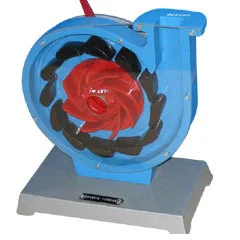
Dynamic Testing Machine For Fatigue Life Crack Growth Durability Testing
Dynamic Testing Machine for precision fatigue life, crack growth, and durability testing of metals, alloys, composites, and engineered components under cyclic loading conditions.
Min. Order Quantity: 1
Shipping
Shipping fee and delivery date to be negotiated. Contact supplier now for more details.
Enkay Enterprises
 New Delhi, India
New Delhi, IndiaIndustrial Equipment & Machinery