IN
IN₹
Apparel & Fashion
Loading subcategories...
View More
Description
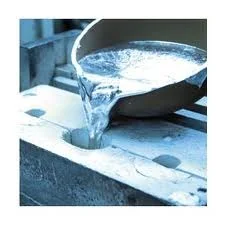
Precision die casting represents an advanced metal manufacturing process where molten metal is injected under high pressure into precision-engineered steel molds, creating complex,...
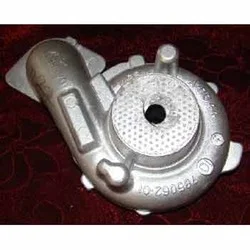
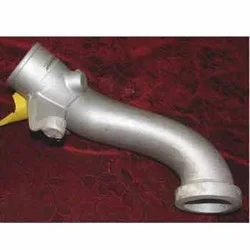
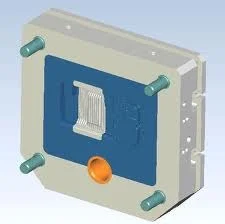
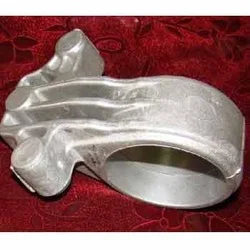
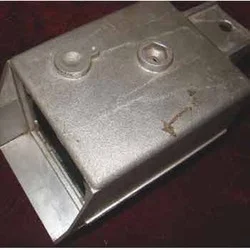
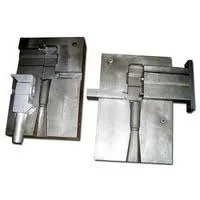
Precision die casting represents an advanced metal manufacturing process where molten metal is injected under high pressure into precision-engineered steel molds, creating complex, net-shape components with exceptional dimensional accuracy and surface finish. This high-pressure technique ensures complete mold cavity filling, resulting in parts that maintain consistent quality across production runs while minimizing material waste. The process utilizes either hot-chamber machines for low-melting-point alloys like zinc and magnesium or cold-chamber systems for aluminum and copper alloys, with cycle times optimized for production efficiency. Modern die casting incorporates advanced technologies including real-time monitoring, automated systems, and precision temperature controls to maintain process stability and output consistency, delivering parts that meet exact specifications with minimal variation.

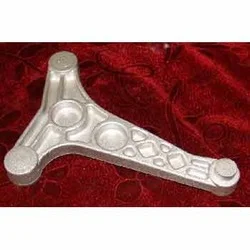
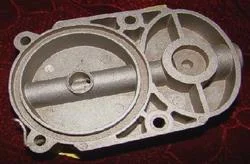
Industries worldwide rely on precision die casting for critical components that form essential parts of their products and systems. The automotive sector utilizes die cast parts for engine components, transmission cases, and structural elements where strength-to-weight ratio significantly impacts performance and efficiency. Industrial equipment manufacturers depend on die casting for machinery components, pump housings, and valve bodies that endure demanding operational conditions. Electrical and electronics manufacturers use die cast enclosures for devices requiring electromagnetic shielding, heat dissipation, and robust protection. The aerospace and defense industries benefit from lightweight magnesium and aluminum castings that meet rigorous performance standards, while specialized equipment manufacturers across multiple sectors use die cast parts for applications requiring precision, durability, and reliability.

Choosing precision die casting delivers tangible value through production efficiency, cost-effectiveness, and component quality that enhances product performance throughout its lifecycle. The process enables high-volume manufacturing with minimal per-unit cost, making it economically viable for large production runs while maintaining consistent quality standards. Die cast components require minimal secondary operations, reducing overall manufacturing time and costs while ensuring dimensional stability and part-to-part consistency. The inherent reliability of die cast parts translates to reduced failure rates in end products, enhancing operational efficiency and user satisfaction. Manufacturers benefit from the ability to produce complex geometries with tight tolerances that would be cost-prohibitive using other manufacturing methods, providing competitive advantages in markets where precision, performance, and reliability are critical differentiators.

Key Features:
- High-pressure injection ensures complete mold filling and dimensional accuracy for consistent part quality
- Reusable steel molds enable cost-effective high-volume production with rapid cycle times
- Accommodates various non-ferrous metals including aluminum, zinc, magnesium, and copper alloys
- Produces complex geometries with thin walls, intricate details, and minimal draft angles
- Delivers excellent surface finish reducing need for secondary machining operations

Benefits:
- High production efficiency with minimal per-unit cost for large volume manufacturing
- Consistent part quality and dimensional accuracy across production runs
- Reduced material waste and minimal secondary machining requirements
- Ability to create complex shapes and thin-walled structures not feasible with other methods
- Enhanced component strength and durability for demanding applications
Specifications
| Additional Information | |
|---|---|
| Country of Origin | India |
| Customisable | No |
Application
Precision die casting serves industries requiring high-volume production of metal components with complex geometries and tight tolerances. This manufacturing method creates parts with excellent surface finish, dimensional stability, and structural integrity, making it ideal for applications where consistency and reliability are critical across large production runs. The process accommodates various non-ferrous metals including aluminum, zinc, magnesium, and copper alloys, selected based on specific requirements for strength, weight, corrosion resistance, and thermal properties. Industries leverage die casting for components that must withstand rigorous operational conditions while maintaining precise specifications, from automotive systems to industrial machinery and specialized equipment.

Real-world applications:
- Automotive components including transmission housings, engine blocks, brackets, and structural parts
- Industrial machinery parts such as pump housings, valve bodies, gearbox cases, and hydraulic components
- Electrical and electronic enclosures requiring EMI shielding, heat dissipation, and durability
- Aerospace and defense components demanding lightweight yet strong metal parts with precision tolerances
- Specialized equipment parts for medical devices, agricultural machinery, and material handling systems
Trade Details
| Available Stock | In Stock |
| Sample Availability | No |
Payment Terms
| Payment Terms |
|
Company Profile
Asian Automation, Tamil Nadu
 Tamil Nadu, India
Tamil Nadu, IndiaManufacturerDistributor / Wholesaler
Factory Details
Factory SizeBelow 1000 sqm
Annual Production Capacity0
Main Markets
South Asia
Precision Die Casting Services For Automotive And Industrial Applications
Precision Die Casting Services deliver high-volume, complex metal parts with excellent dimensional accuracy for automotive and industrial applications using high-pressure injection into reusable steel molds.
Min. Order Quantity: 1 units
Shipping
Shipping fee and delivery date to be negotiated. Contact supplier now for more details.
Asian Automation Tamil Nadu, India
Tamil Nadu, IndiaManufacturer