IN
INundefined
Similar Products


Description
The Concrete Penetrometer is a precision-engineered testing instrument designed to determine the setting characteristics of cement, concrete, and mortar mixtures through controlled...
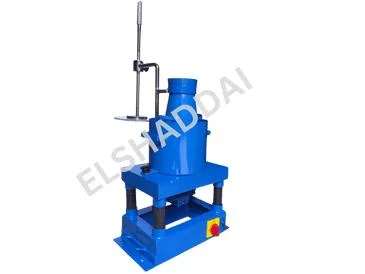
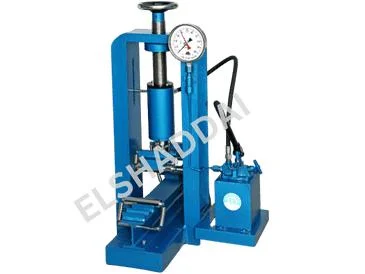
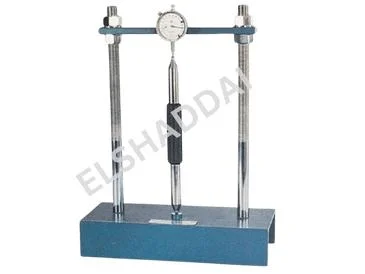
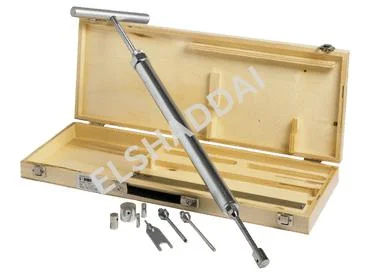
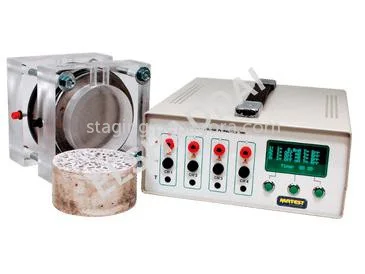
The Concrete Penetrometer is a precision-engineered testing instrument designed to determine the setting characteristics of cement, concrete, and mortar mixtures through controlled penetration resistance measurement. Operating on the fundamental principle that material stiffness increases as hydration progresses, this device provides quantitative data on both initial and final setting times with exceptional accuracy. Manufactured to comply with international standards including ASTM C403 and IS 8142, it features a robust spring-loaded mechanism, calibrated plunger assembly, and clear graduated scale for straightforward operation. The penetrometer delivers reliable performance in diverse environments from controlled laboratories to challenging construction sites, making it an essential tool for professionals who require definitive setting time data for critical decision-making in concrete applications. In industrial applications, the Concrete Penetrometer serves multiple sectors including commercial construction, civil infrastructure development, and cement manufacturing. Construction companies rely on it to determine optimal concrete placement windows for foundations, columns, and slabs, preventing premature finishing or delayed operations. Ready-mix concrete producers utilize it for quality assurance of batch consistency before dispatch to job sites. Precast concrete manufacturers depend on it to verify setting behavior in pipe production, block manufacturing, and structural element fabrication. Civil engineering laboratories employ it for research into new concrete formulations and additives, while infrastructure projects including bridges, dams, and tunnels use it to ensure proper concrete performance under specific environmental conditions. The business value of the Concrete Penetrometer extends beyond basic testing to deliver tangible reliability and operational advantages. Its precision engineering minimizes measurement variability, reducing the risk of costly construction errors and material waste. The durable construction ensures long-term performance with minimal maintenance, providing excellent return on investment through years of dependable service. Customization options allow businesses to tailor the instrument to specific operational requirements, while standardized operation simplifies staff training and ensures consistent results across multiple users. By delivering accurate setting time data, this instrument helps businesses optimize labor scheduling, prevent construction defects, and maintain compliance with project specifications and regulatory standards.

Key Features:


Benefits:
Specifications
| Additional Information | |
|---|---|
| Country of Origin | 106 |
| Customisable | No |
Application
The Concrete Penetrometer is indispensable for construction and material testing sectors, providing precise measurement of concrete and cement setting characteristics. It ensures compliance with international standards like ASTM and IS, making it a trusted tool for quality assurance teams and engineering professionals who require consistent, repeatable results in both laboratory and field environments. This device plays a critical role in preventing construction delays by accurately determining optimal concrete placement and finishing times, supporting projects from initial mix design through final structural implementation. Its applications span across ready-mix plants, precast manufacturing, and

major infrastructure developments where concrete performance directly impacts project safety, timelines, and regulatory compliance. Real-world applications: Used by construction companies to determine optimal concrete placement timing for slabs, columns, and foundations. Essential for ready-mix concrete suppliers to verify mixture workability before delivery to construction sites. Utilized in civil engineering laboratories for research and development of new concrete formulations. Critical for quality control in precast concrete manufacturing of pipes, blocks, and structural elements. Employed by infrastructure projects including bridges, dams, and tunnels to ensure proper concrete setting behavior.
Real-world applications:
Trade Details
| Available Stock | In stock |
| Sample Availability | No |
Payment Terms
| Payment Terms |
|
Shipping & Logistics
| Shipping Internationally | No | |
| Methods | -- | |
| IncoTerms | -- | |
| Port of Dispatch | Chennai | |
| Packaging Type | -- | |
| Units per Package | -- | |
| Barcode / HSN / GTIN / UPC | -- | |
| Dispatch Lead time | -- |
Company Profile

Elshaddai Engineering Equipments, Tamil Nadu Tamil Nadu, India
Tamil Nadu, IndiaIndustrial Equipment & Machinery•ManufacturerImporter / Exporter
Factory Details
Factory SizeBelow 1000 sqm
Professional Concrete Penetrometer for Cement Setting Time Testing
Professional Concrete Penetrometer for accurate setting time and workability testing of cement, concrete, and mortar. Essential for construction quality control, R&D labs, and civil engineering projects with reliable, standardized results.
Min. Order Quantity: 1 Unit
Shipping
Shipping fee and delivery date to be negotiated. Contact supplier now for more details.
Elshaddai Engineering Equipments
 Tamil Nadu, India
Tamil Nadu, IndiaIndustrial Equipment & MachineryManufacturer