IN
IN₹
Apparel & Fashion
Description
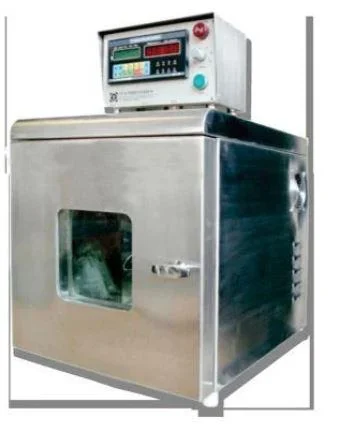
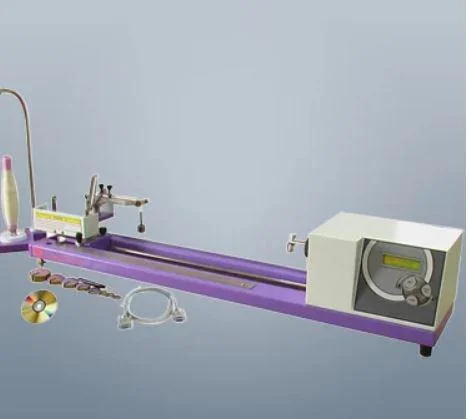
The Computwist Yarn Testing Machine represents advanced precision engineering for textile quality analysis, designed to measure twist parameters including TPI (twists per inch), TPM (twists per meter), and TT (total twist) with exceptional accuracy. This digital instrument utilizes microcomputer technology to automate testing procedures for single, plied, and OE (open-end) yarns, eliminating the subjectivity and errors associated with manual methods. Through direct counting and sophisticated untwist-retwist methodologies, the machine accommodates diverse yarn types via an intelligent tension mechanism that adapts to material characteristics. Results display clearly on digital interfaces while computer connectivity enables parameter customization, database integration, and comprehensive post-analysis capabilities.

Across textile manufacturing operations, this testing instrument serves multiple critical functions. Spinning mills implement it for routine quality checks during yarn produc...
The Computwist Yarn Testing Machine represents advanced precision engineering for textile quality analysis, designed to measure twist parameters including TPI (twists per inch), TPM (twists per meter), and TT (total twist) with exceptional accuracy. This digital instrument utilizes microcomputer technology to automate testing procedures for single, plied, and OE (open-end) yarns, eliminating the subjectivity and errors associated with manual methods. Through direct counting and sophisticated untwist-retwist methodologies, the machine accommodates diverse yarn types via an intelligent tension mechanism that adapts to material characteristics. Results display clearly on digital interfaces while computer connectivity enables parameter customization, database integration, and comprehensive post-analysis capabilities.

Across textile manufacturing operations, this testing instrument serves multiple critical functions. Spinning mills implement it for routine quality checks during yarn production, ensuring consistent twist levels meet exact specifications. Fabric manufacturers utilize it for incoming material verification, confirming yarn quality before weaving or knitting processes. Textile laboratories employ the machine for research and development, analyzing yarn behavior under different conditions. Quality assurance departments depend on its precise measurements for compliance documentation and supplier evaluation. The system's ability to handle various yarn types makes it versatile for facilities processing natural fibers, synthetics, or blended materials.

The operational value of the Computwist Yarn Testing Machine lies in its reliability and efficiency, delivering consistent results that support quality management systems and process optimization. Its microcomputer-based operation reduces operator dependency while minimizing human error, ensuring test repeatability across different users and shifts. The database connectivity allows historical tracking of quality metrics, facilitating trend analysis and preventive quality measures. Statistical and graphical reporting transforms raw data into actionable insights, helping identify production variations before they affect final products. This instrument represents a sound investment in quality infrastructure, providing measurable returns through reduced material waste, improved product consistency, and enhanced customer satisfaction.

Key Features:
- Measures TPI, TPM, and TT parameters for single, plied, and OE yarns
- Microcomputer operation with digital display for precise control
- Selectable testing parameters adaptable to different yarn specifications
- Database connectivity for data storage and historical analysis
- Post-analysis capabilities in statistical and graphical formats

Benefits:
- Eliminates manual calculation errors through automated digital operation
- Supports quality consistency across production batches and yarn types
- Enables data-driven decisions with comprehensive analysis and reporting
- Reduces testing time while improving measurement accuracy
- Facilitates compliance with industry standards through reliable documentation
Specifications
| Additional Information | |
|---|---|
| Country of Origin | India |
Application
The Computwist Yarn Testing Machine delivers precise twist measurements for single, plied, and OE yarns, eliminating manual errors with its digital microcomputer system. This ensures consistent quality across production batches, making it essential for maintaining strict industry standards and specifications in textile operations.
In manufacturing and laboratory settings, this machine supports comprehensive quality monitoring from raw material evaluation to final product verification. Its statistical reporting and graphical analysis capabilities help identify trends, optimize processes, and document compliance, enabling data-driven decisions that enhance production efficiency and product uniformity.
Real-world applications:
- Quality control verification during yarn production in spinning mills
- Laboratory testing of yarn specimens for research and development
- Incoming material inspection for textile and fabric manufacturers
- Process optimization through consistent twist monitoring across production runs
- Compliance testing to meet international yarn quality standards
Trade Details
| Available Stock | In Stock |
| Sample Availability | No |
Payment Terms
| Payment Terms |
|
| Payment Methods |
|
Company Profile

MAG Solvics Pvt Ltd, Tamil Nadu
 Tamil Nadu, India
Tamil Nadu, IndiaIndustrial Equipment & Machinery•Manufacturer
Factory Details
Factory SizeBelow 1000 sqm
Textile Manufacturing Computwist Yarn Testing Machine TPI TPM TT Measurement
Computwist Yarn Testing Machine precisely measures TPI, TPM, and TT for single, plied, and OE yarns with microcomputer operation, selectable parameters, and database connectivity for reliable quality control in textile manufacturing.
Min. Order Quantity: 1 piece
Shipping
Shipping fee and delivery date to be negotiated. Contact supplier now for more details.
MAG Solvics Pvt Ltd
 Tamil Nadu, India
Tamil Nadu, IndiaIndustrial Equipment & MachineryManufacturer