IN
IN₹
Apparel & Fashion
Description
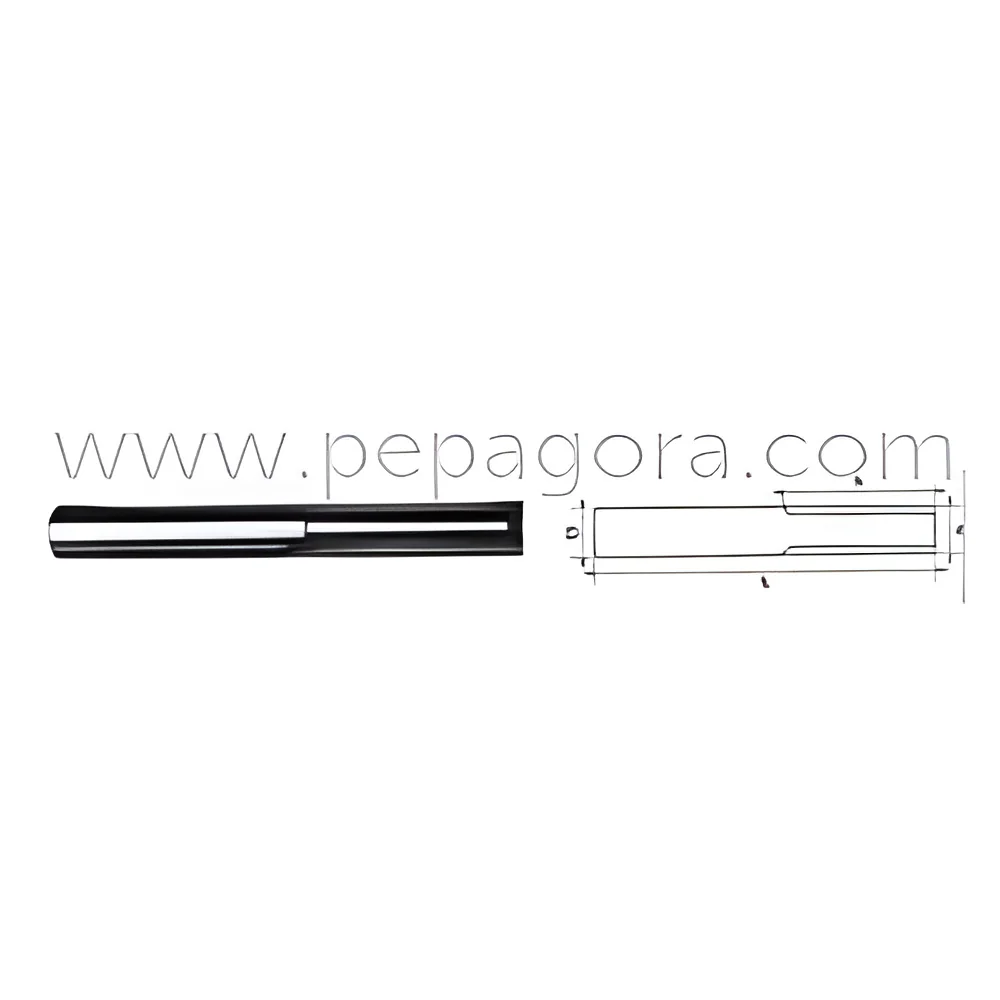
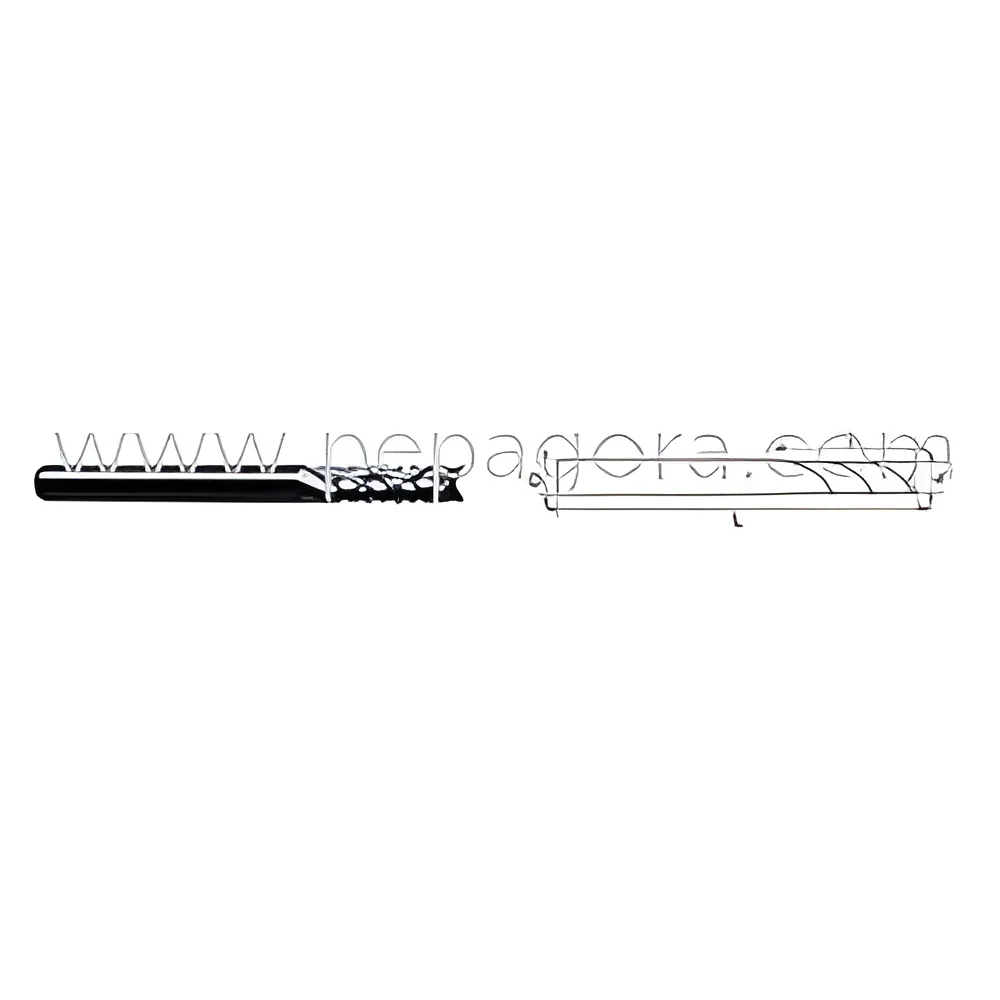
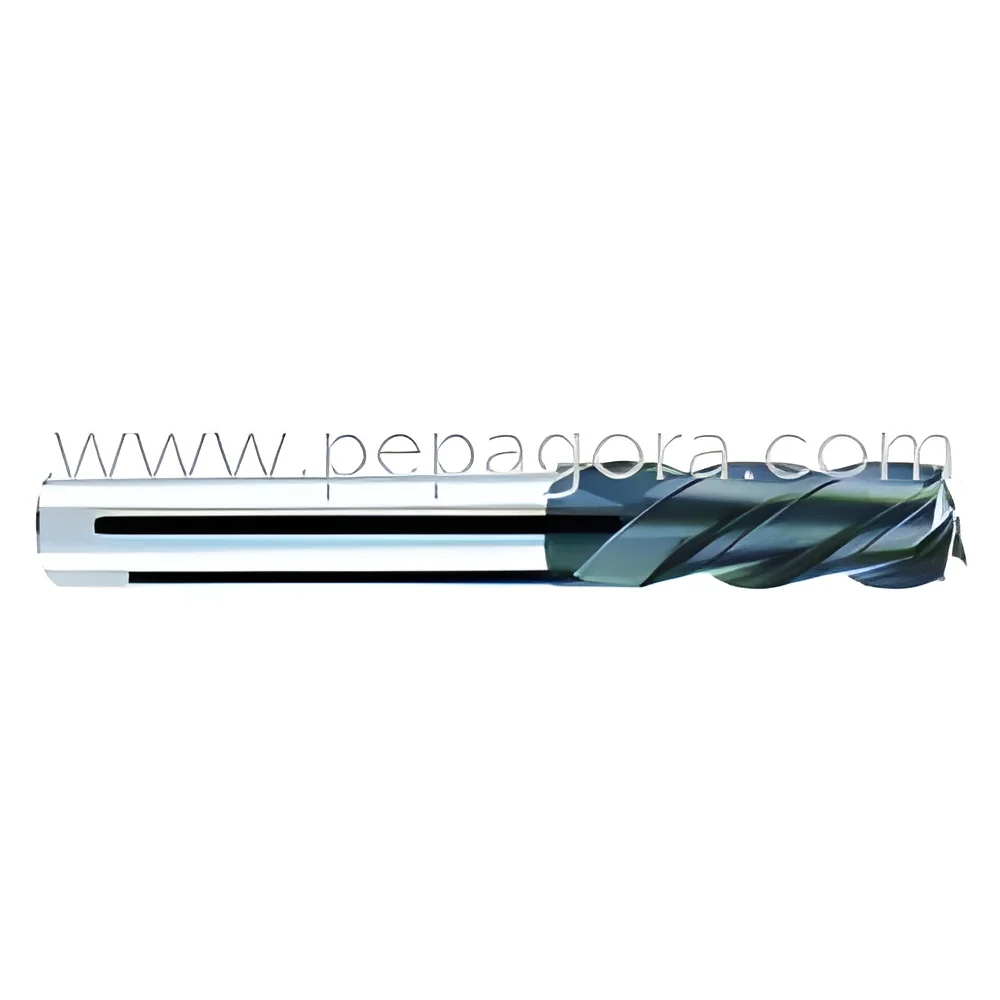
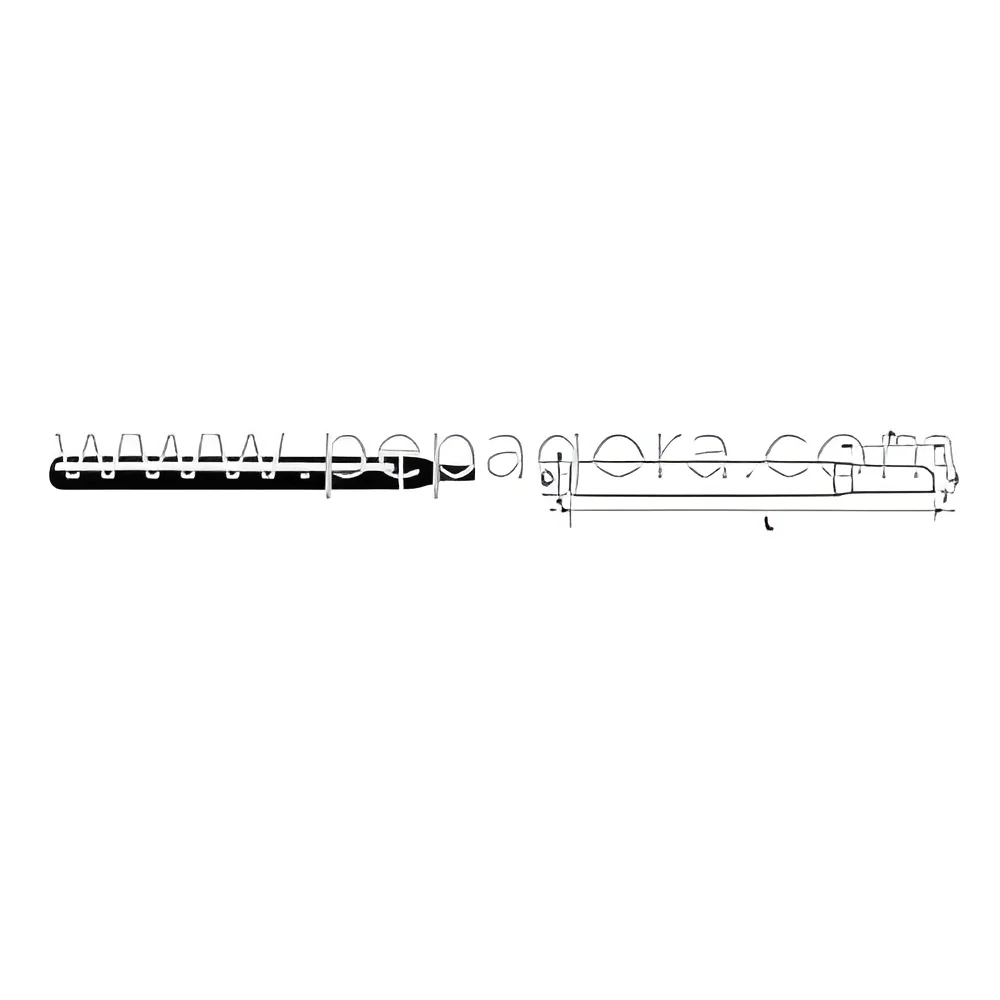
Engineered specifically for acrylic machining, these industrial solid carbide CNC tools deliver precision performance that meets the exacting demands of professional fabrication. Made from premium solid carbide, they offer superior hardness and wear resistance compared to standard tools, maintaining sharp cutting edges through prolonged use. The precision-ground geometry is optimized to prevent acrylic chipping, melting, or stress marks, producing clean, polished edges that often eliminate the need for secondary finishing. This specialized design ensures consistent results across various acrylic grades and thicknesses, from cast to extruded materials, providing reliable performance that manufacturers can depend on for both production runs and custom one-off projects.

These tools serve critical roles across multiple precision industries. Sign manufacturers utilize them for creating intricate lettering, logos, and dimensional signage with flawless edges. Display and exhibit producers re...
Engineered specifically for acrylic machining, these industrial solid carbide CNC tools deliver precision performance that meets the exacting demands of professional fabrication. Made from premium solid carbide, they offer superior hardness and wear resistance compared to standard tools, maintaining sharp cutting edges through prolonged use. The precision-ground geometry is optimized to prevent acrylic chipping, melting, or stress marks, producing clean, polished edges that often eliminate the need for secondary finishing. This specialized design ensures consistent results across various acrylic grades and thicknesses, from cast to extruded materials, providing reliable performance that manufacturers can depend on for both production runs and custom one-off projects.

These tools serve critical roles across multiple precision industries. Sign manufacturers utilize them for creating intricate lettering, logos, and dimensional signage with flawless edges. Display and exhibit producers rely on them for fabricating clear acrylic components that form the backbone of modern retail environments. The architectural and model-making sectors benefit from their ability to produce detailed scale models with transparent elements. Additionally, manufacturers of lighting fixtures, furniture components, and decorative elements depend on these tools for creating acrylic parts where optical clarity and edge quality are non-negotiable requirements for end-product success.

The business value of these solid carbide CNC tools extends beyond immediate cutting performance to long-term operational efficiency. Their exceptional durability significantly reduces tool replacement frequency, lowering consumable costs and minimizing machine downtime for tool changes. Consistent performance ensures uniform quality across production batches, enhancing your reputation for delivering precision-made products. The reliable operation reduces material waste from rejected parts, while the clean cutting action decreases post-processing labor. This combination of reliability, precision, and cost-effectiveness makes these tools a strategic investment for businesses seeking to optimize their machining operations and deliver superior quality to their clients.

Key Features:
- Manufactured from premium solid carbide for maximum hardness and wear resistance
- Precision-engineered cutting geometry specifically optimized for acrylic materials
- Specialized flute design that prevents acrylic chipping and melting during machining
- Maintains sharp cutting edges through extended production runs for consistent quality
- Available in various sizes and configurations to match specific machining requirements

Benefits:
- Produces clean, polished edges on acrylic that often eliminate secondary finishing
- Extended tool life reduces replacement frequency and lowers operational costs
- Consistent performance ensures uniform quality across production batches
- Reduced machine downtime from fewer tool changes increases production efficiency
- Specialized design minimizes material waste from chipping or melting defects
Specifications
| Additional Information | |
|---|---|
| Country of Origin | India |
Application
These solid carbide CNC tools excel in precision machining of acrylic materials, delivering clean cuts and smooth finishes essential for high-visibility products. Their exceptional durability maintains sharp cutting edges through extended production runs, reducing tool changes and maximizing machine uptime for continuous manufacturing operations.
Specialized for industries requiring flawless acrylic work, these tools serve sign manufacturers, display producers, and custom fabricators. The consistent performance ensures uniform quality across batches, making them ideal for businesses where precision and finish quality directly impact product value and customer satisfaction in competitive markets.
- Precision cutting and shaping of acrylic sheets for illuminated signage and channel letters
- Detailed 3D carving and engraving for custom acrylic awards, trophies, and decorative items
- Production of clear acrylic components for retail displays, product stands, and exhibition materials
- Fabrication of architectural models, scale prototypes, and interior design elements from acrylic
- Manufacturing of lighting diffusers, lenses, and decorative panels with polished edges
Trade Details
| Available Stock | In Stock |
| Sample Availability | No |
Payment Terms
| Payment Terms |
|
Company Profile
Goldprint Technologies Pvt Ltd, Maharashtra
 Maharashtra, India
Maharashtra, IndiaIndustrial Equipment & Machinery•Manufacturer•Importer / Exporter
Factory Details
Factory SizeBelow 1000 sqm
Annual Production Capacity0
Industrial Solid Carbide CNC Tools For Acrylic Cutting And Carving
Industrial solid carbide CNC tools for precise acrylic cutting and carving. Premium quality tools deliver clean finishes, durability, and reliable performance for sign making, display manufacturing, and custom fabrication.
Min. Order Quantity: 1 unit
Shipping
Shipping fee and delivery date to be negotiated. Contact supplier now for more details.
Goldprint Technologies Pvt Ltd
 Maharashtra, India
Maharashtra, IndiaIndustrial Equipment & MachineryManufacturer