IN
IN₹
Apparel & Fashion
Loading subcategories...
View More
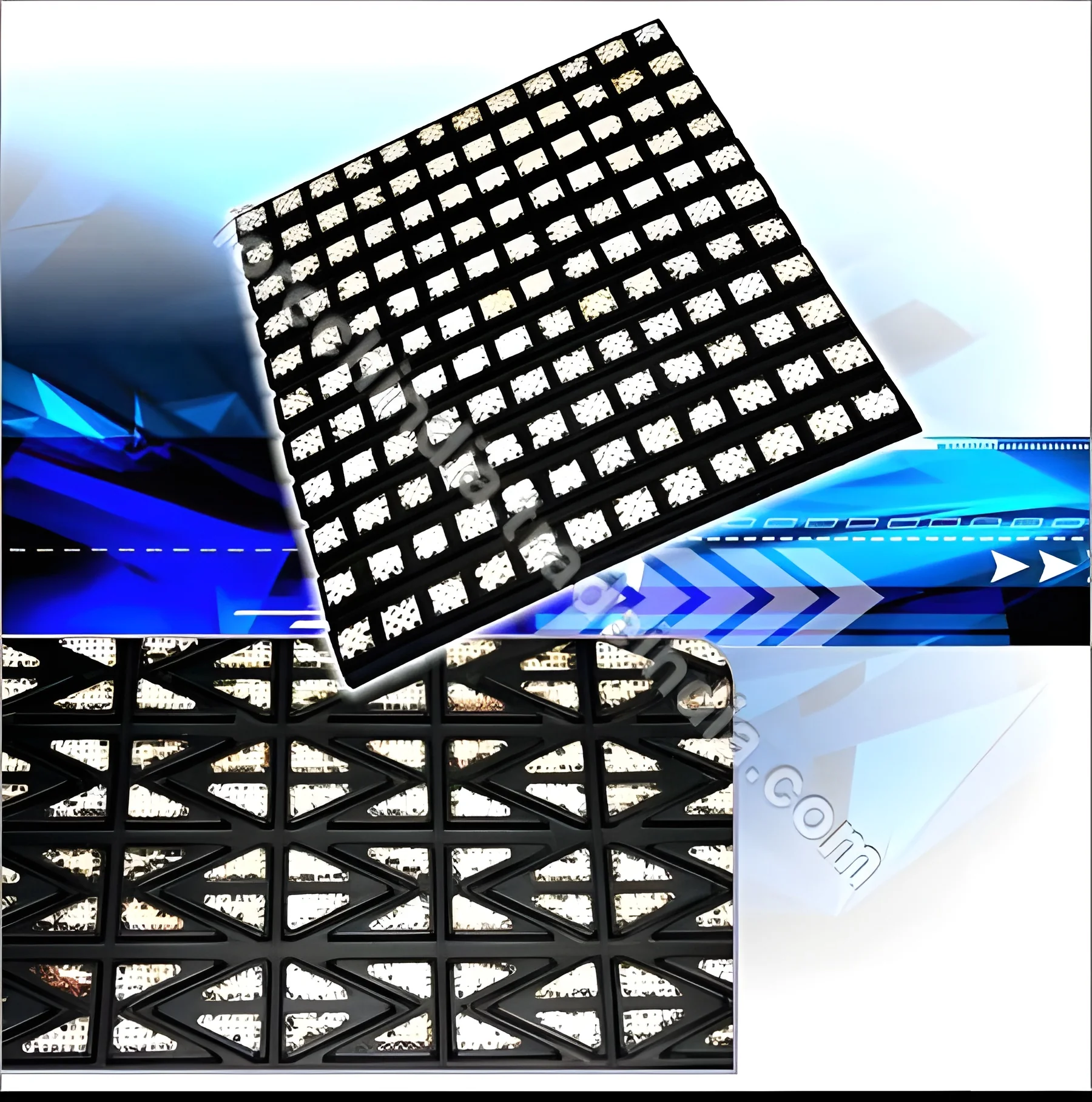
Description
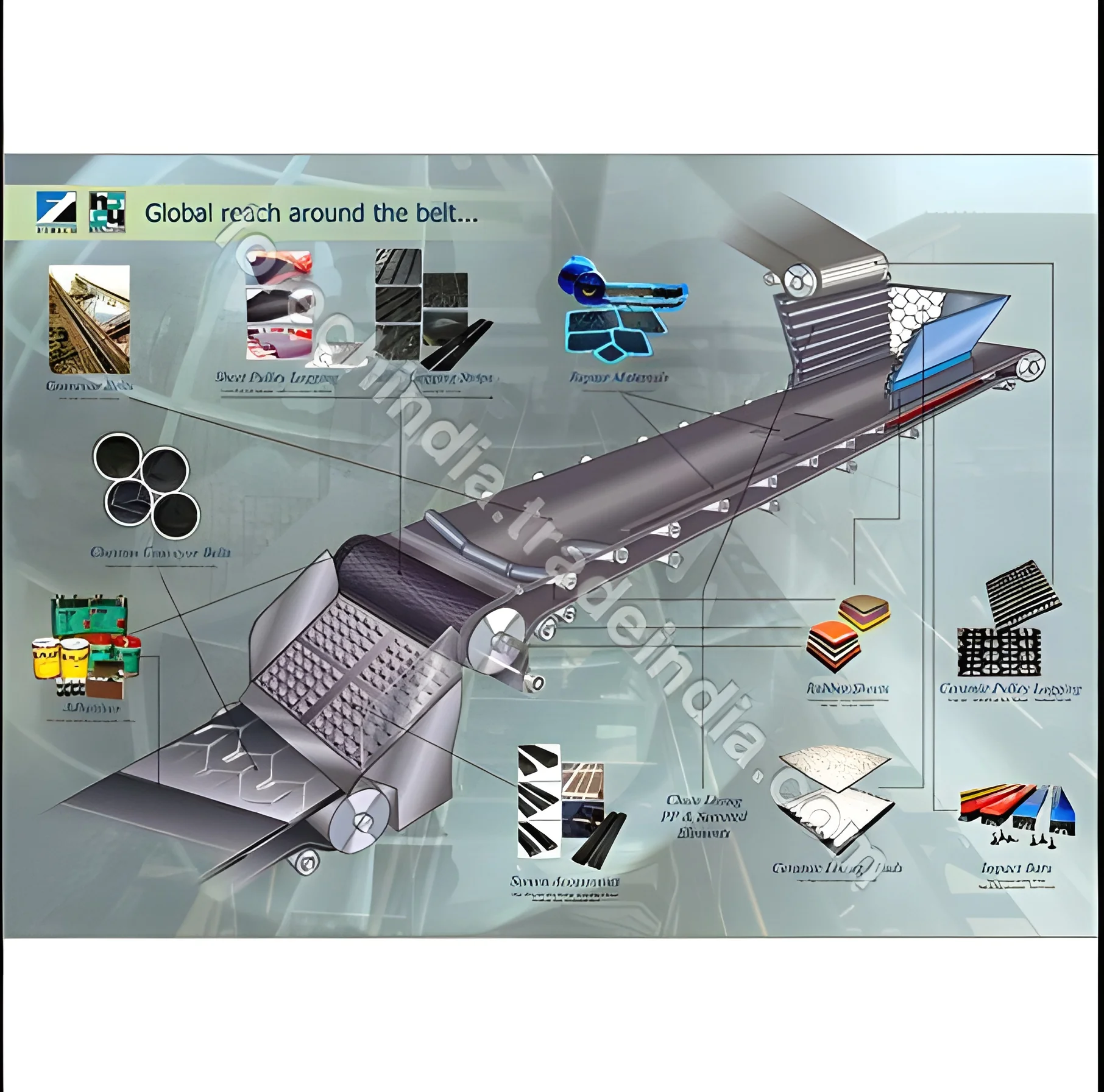
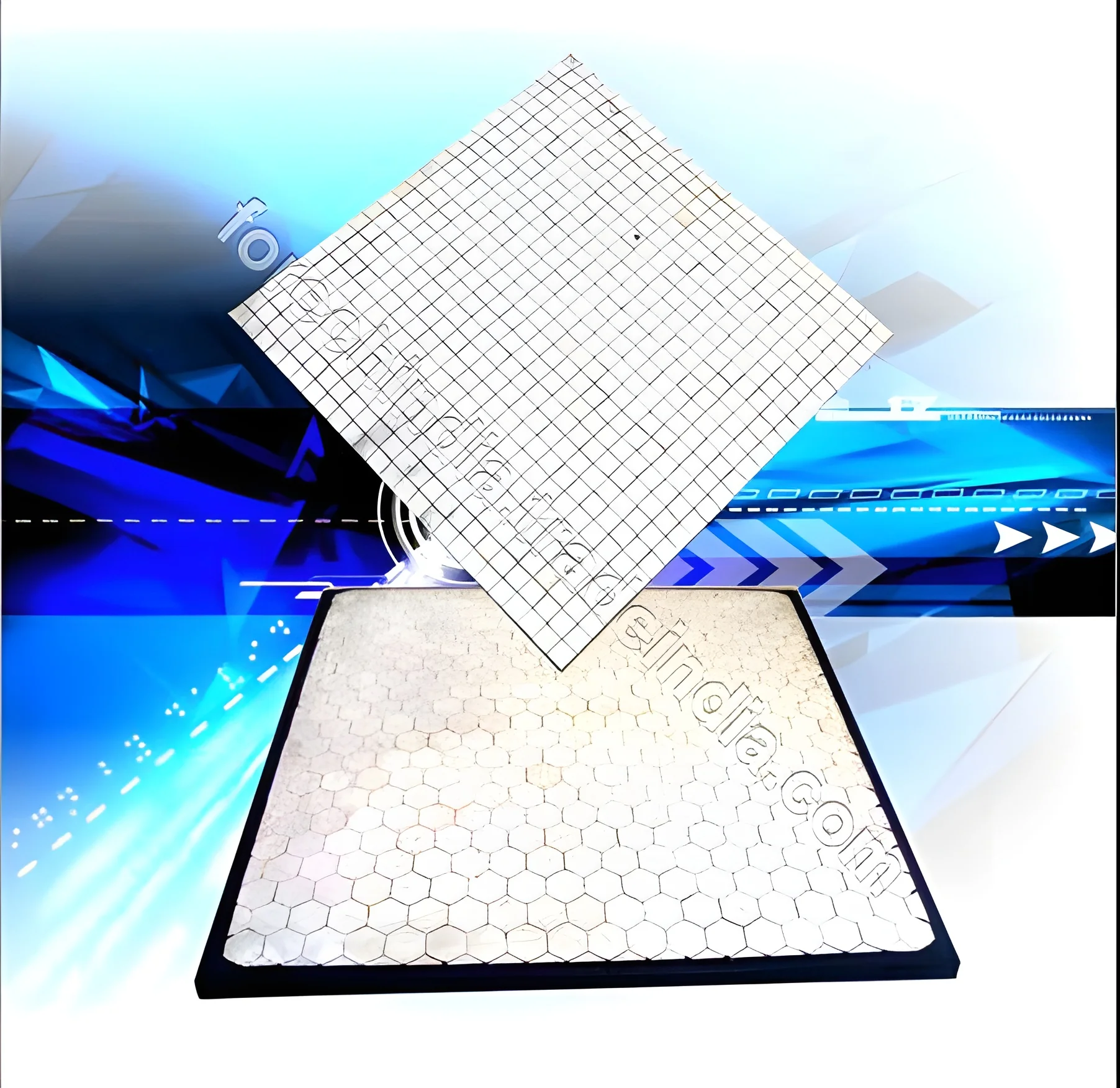
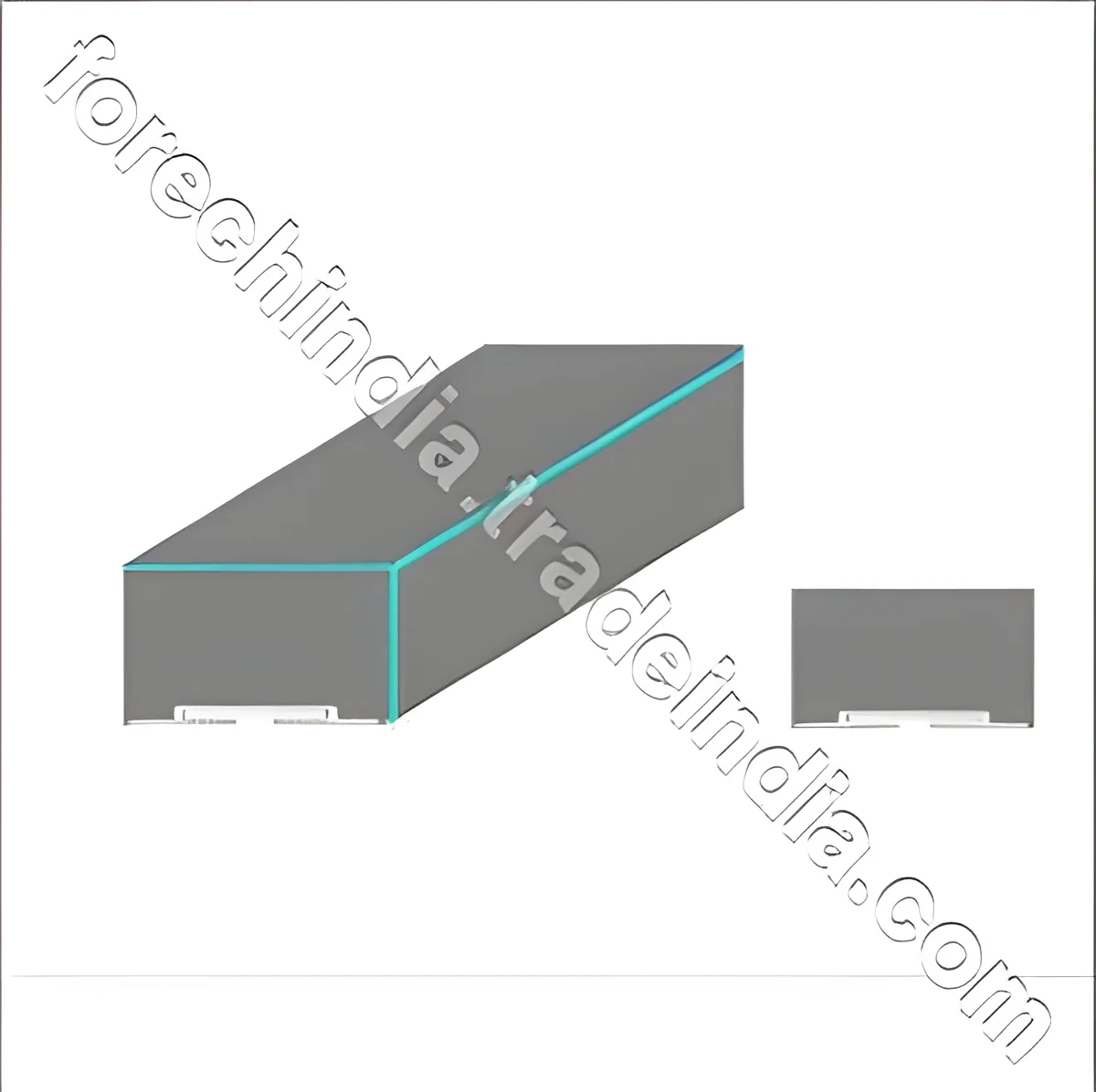
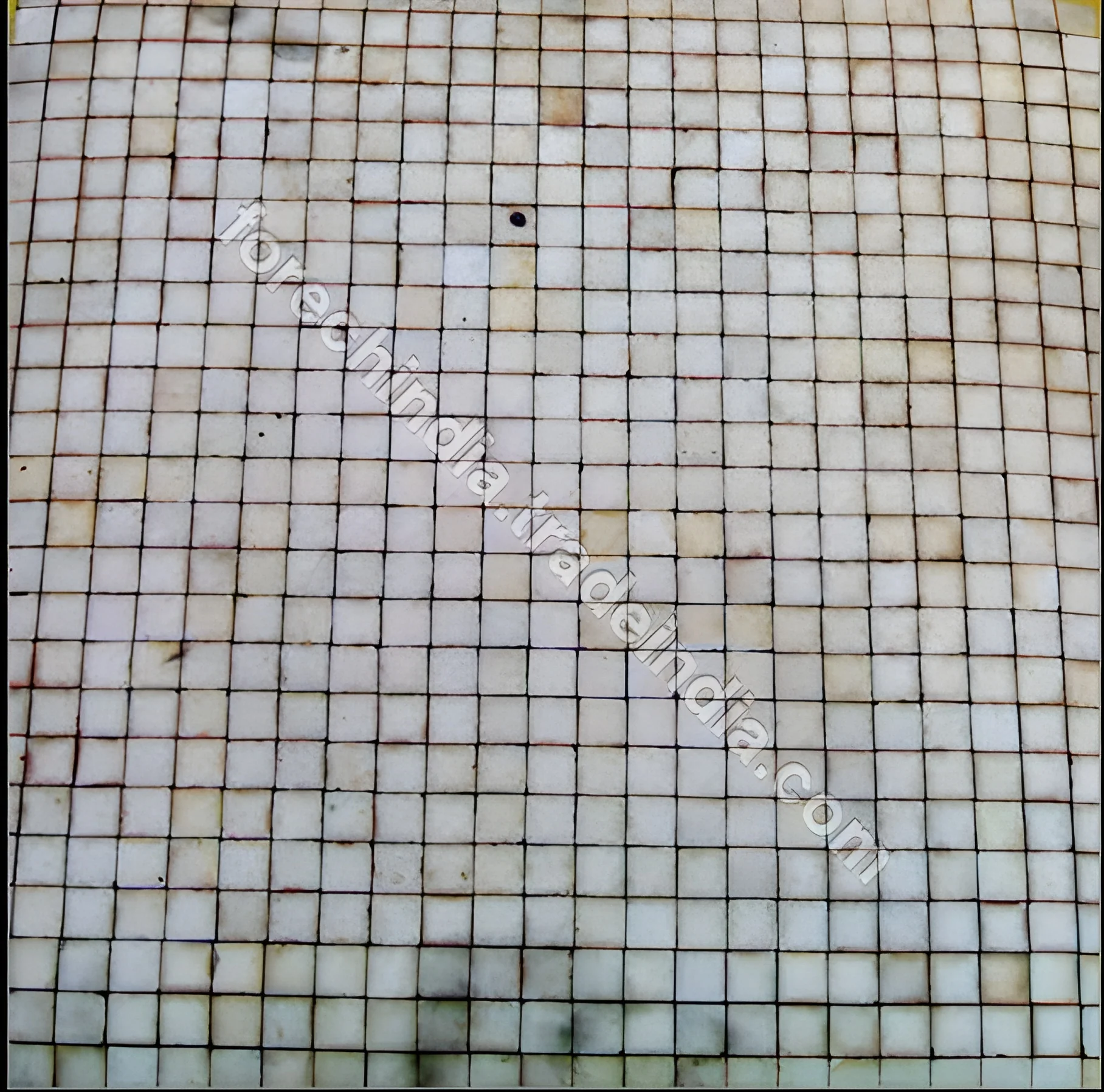
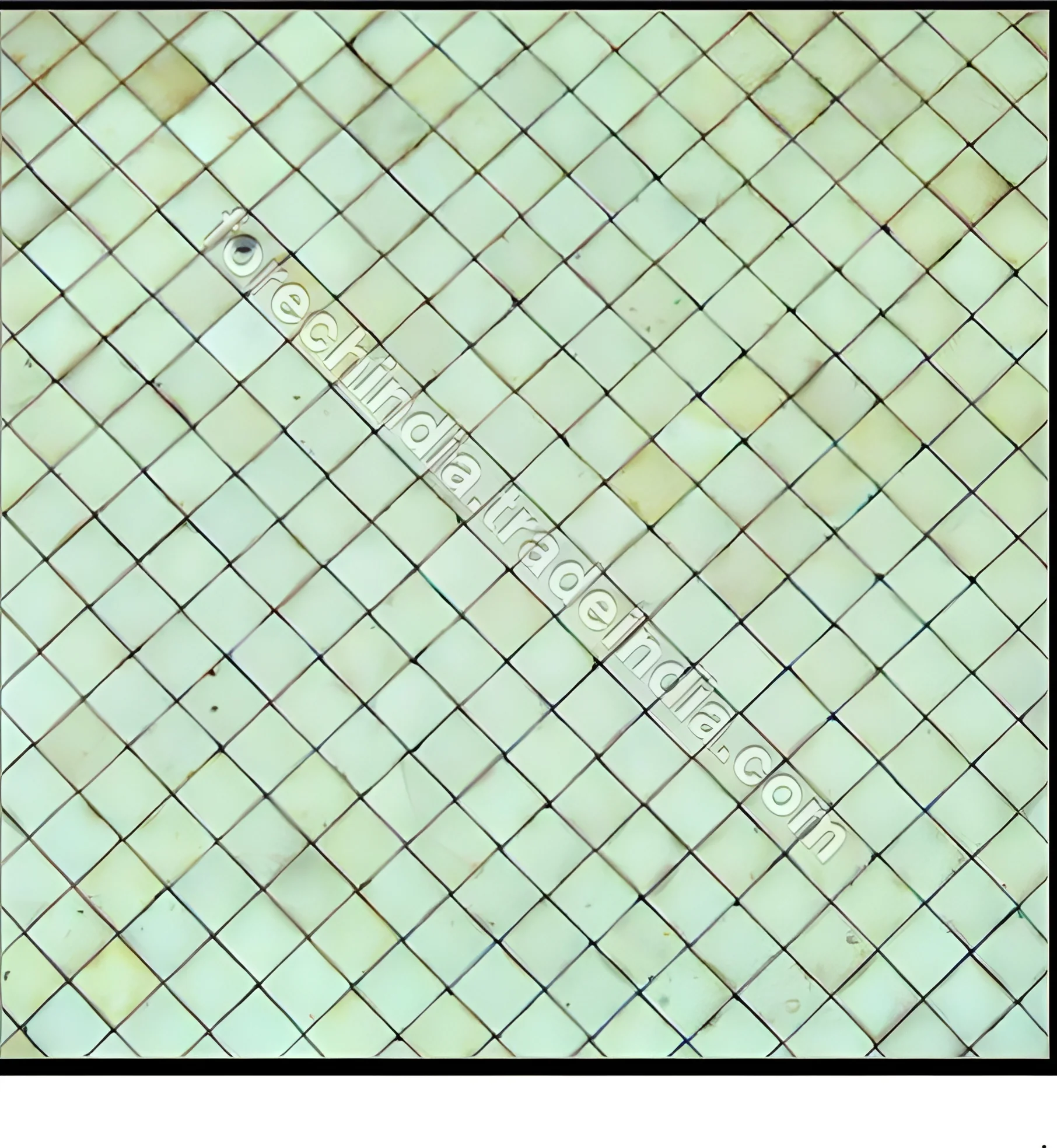
Industrial ceramic pulley lagging sheets represent a specialized solution for enhancing conveyor system reliability and performance. These engineered components feature a durable ceramic surface bonded to a flexible backing, creating an optimal interface between drive pulleys and conveyor belts. Unlike traditional rubber lagging, the ceramic tiles provide significantly higher coefficient of friction, ensuring positive traction even when handling wet, muddy, or fine-grained materials. The product is available in both plain and grooved configurations, with customization options for different pulley diameters and operational requirements. This adaptability makes it suitable for retrofitting existing systems or specifying for new installations across diverse industrial applications where conveyor reliability directly impacts production output and operational costs.

These ceramic lagging sheets find extensive application in industries where material handling is continuous and demanding. In...
Industrial ceramic pulley lagging sheets represent a specialized solution for enhancing conveyor system reliability and performance. These engineered components feature a durable ceramic surface bonded to a flexible backing, creating an optimal interface between drive pulleys and conveyor belts. Unlike traditional rubber lagging, the ceramic tiles provide significantly higher coefficient of friction, ensuring positive traction even when handling wet, muddy, or fine-grained materials. The product is available in both plain and grooved configurations, with customization options for different pulley diameters and operational requirements. This adaptability makes it suitable for retrofitting existing systems or specifying for new installations across diverse industrial applications where conveyor reliability directly impacts production output and operational costs.

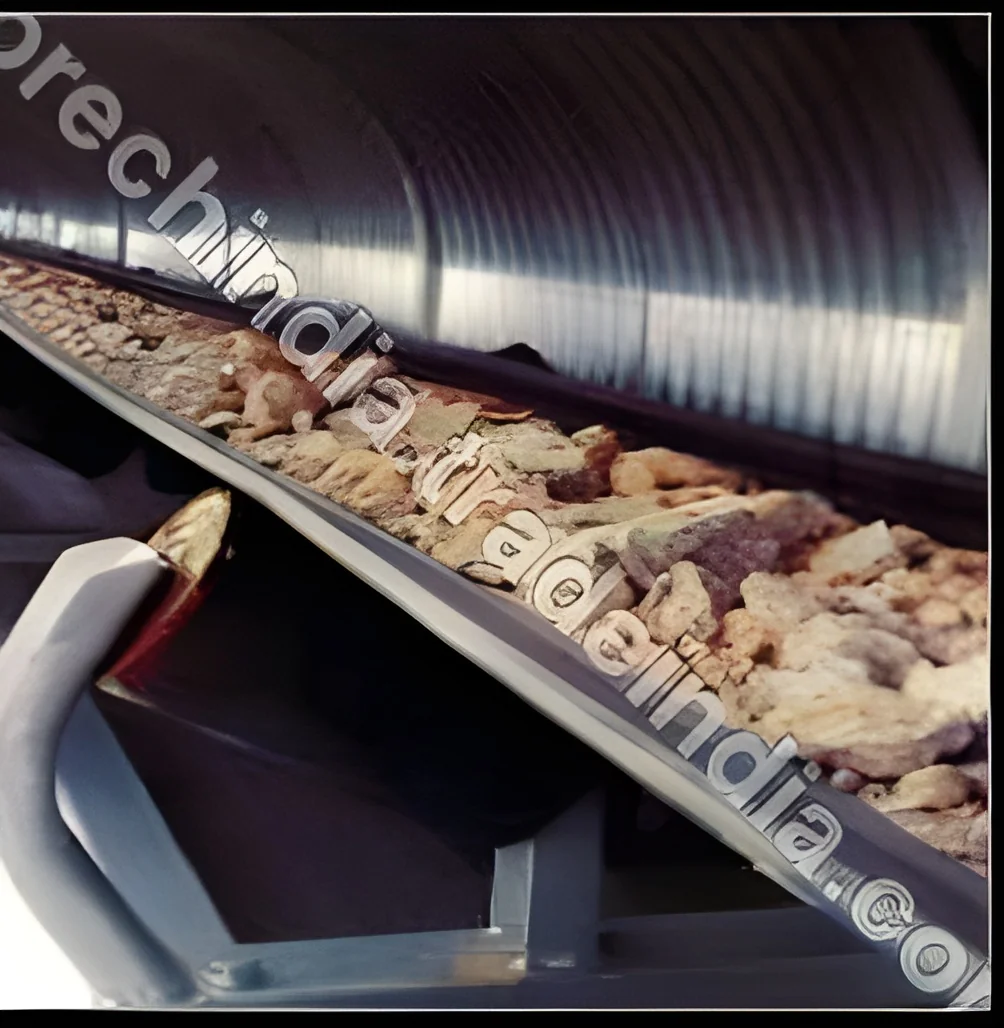
These ceramic lagging sheets find extensive application in industries where material handling is continuous and demanding. In mining operations, they handle abrasive materials like iron ore and copper concentrate while maintaining traction in wet processing environments. Cement plants utilize them for transporting raw mix and clinker, where high temperatures and abrasive wear challenge conventional lagging. Bulk shipping terminals rely on these sheets for loading/unloading operations where consistent belt movement is critical for throughput. The quarrying and aggregates industry benefits from their resistance to impact from large rocks and crushed stone. Additionally, recycling facilities, steel plants, and fertilizer production operations employ ceramic lagging to maintain reliable conveyor performance despite challenging material characteristics and environmental conditions.

Investing in quality ceramic pulley lagging delivers measurable business value through reduced operational downtime and lower maintenance costs. The superior grip minimizes belt slippage, which directly translates to consistent material flow and predictable production rates. This reliability prevents costly stoppages that disrupt entire processing lines. The exceptional wear resistance extends service intervals, reducing replacement frequency and associated labor costs. Customizable configurations ensure optimal performance for specific applications, providing better value than generic solutions. The durable construction withstands harsh industrial environments, offering long-term performance that protects your conveyor investment. These factors combine to deliver a strong return on investment through improved operational efficiency and reduced total cost of ownership.

Key Features:
- High-friction ceramic surface tiles for superior traction and slip prevention
- Available in both plain and grooved configurations to match operational requirements
- Exceptional resistance to abrasion, impact, and wear from harsh materials
- Customizable to fit various pulley diameters and conveyor specifications
- Durable construction with flexible backing for reliable performance and easy installation

Benefits:
- Reduces belt slippage significantly, ensuring consistent material flow and production rates
- Extends conveyor belt life by minimizing wear from pulley interaction
- Lowers maintenance frequency and costs through exceptional durability and wear resistance
- Improves operational safety by preventing unexpected belt movement and related hazards
- Enhances system reliability in wet, muddy, or challenging environmental conditions
Specifications
| Additional Information | |
|---|---|
| Country of Origin | India |
| Customisable | No |
Application
Ceramic pulley lagging sheets are engineered to solve critical traction problems in conveyor systems. They create a high-friction interface between the pulley and belt, preventing slippage even under heavy loads, wet conditions, or steep inclines. This ensures consistent power transmission and reliable material flow, which is essential for maintaining production schedules and operational efficiency in continuous process industries.
These lagging sheets are specifically designed for high-tension applications where standard rubber lagging fails prematurely. The ceramic surface offers exceptional durability against abrasion from materials like ore, aggregates, and minerals. Available in customizable configurations to match specific pulley diameters and operational requirements, they provide a tailored solution that integrates seamlessly with existing conveyor infrastructure across various industrial settings.
- Mining operations for transporting iron ore, coal, and minerals with maximum traction and minimal belt wear
- Cement manufacturing plants handling abrasive raw materials and clinker in high-temperature environments
- Bulk material terminals at ports for efficient loading and unloading of cargo like grains and fertilizers
- Quarrying and aggregate industries moving crushed stone and sand with reduced slippage
- Power generation facilities for coal handling systems requiring reliable, low-maintenance conveyor performance
Trade Details
| Available Stock | In Stock |
| Sample Availability | No |
Payment Terms
| Payment Terms |
|
Company Profile

Forech India Ltd, New Delhi
 New Delhi, India
New Delhi, IndiaIndustrial Equipment & Machinery•Manufacturer•Distributor / Wholesaler•Importer / Exporter
Factory Details
Factory SizeBelow 1000 sqm
Annual Production Capacity0
Main Markets
South Asia
Industrial Ceramic Pulley Lagging Sheets For Conveyor Belt Grip
Industrial ceramic pulley lagging sheets provide superior conveyor belt grip, reduce slippage, and extend belt life. Available in plain or grooved designs for reliable performance in demanding material handling applications.
Min. Order Quantity: 1 unit
Shipping
Shipping fee and delivery date to be negotiated. Contact supplier now for more details.
Forech India Ltd
 New Delhi, India
New Delhi, IndiaIndustrial Equipment & MachineryManufacturer