IN
IN₹
Apparel & Fashion

Description
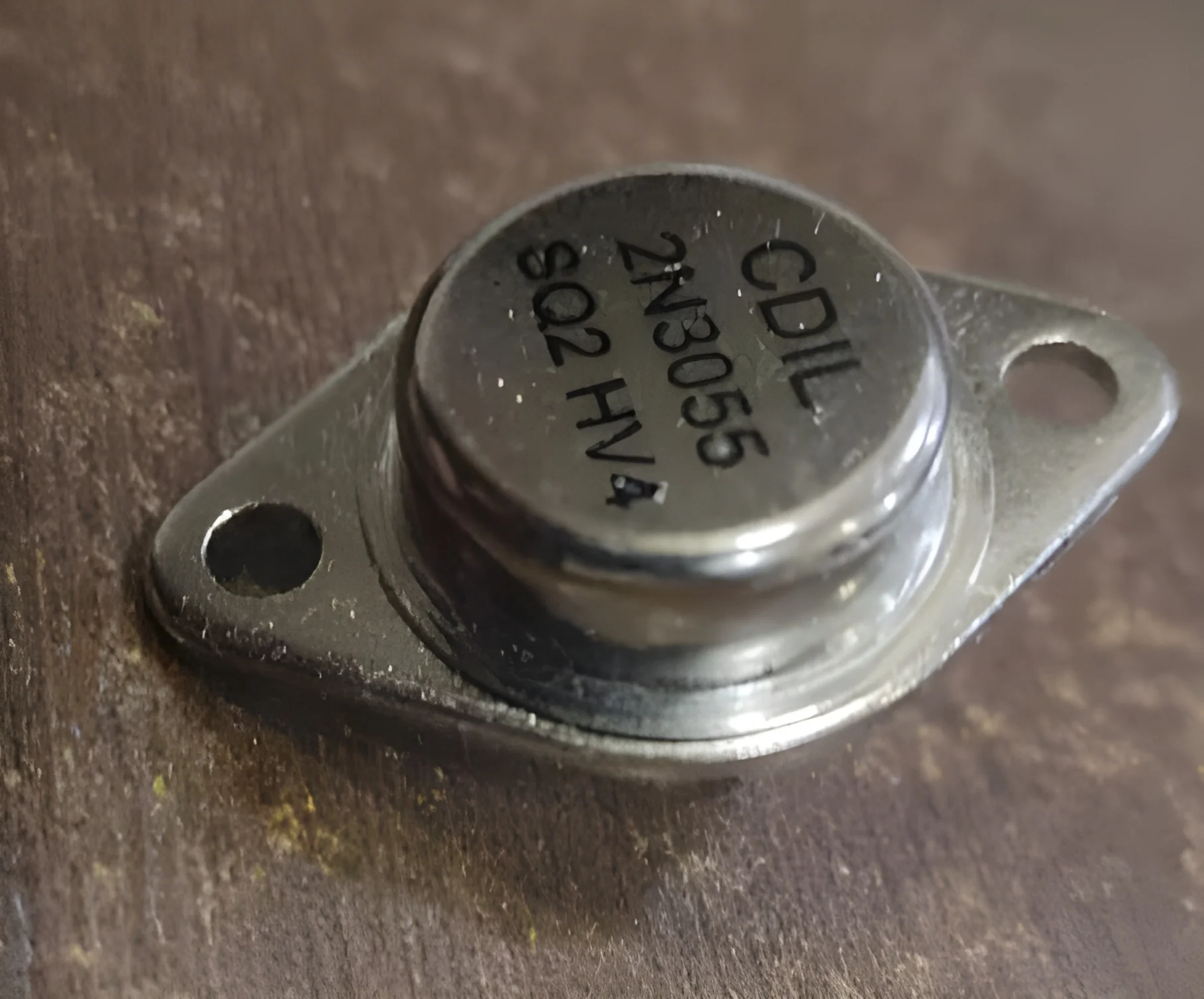
The CDIL CIL 188 is a high-reliability NPN bipolar junction transistor (BJT) designed for power control and amplification. With a continuous collector current rating of 2 Amperes, it handles significant power loads while maintaining stable performance. Its classic 3-pin Dual In-line Package (DIP) ensures straightforward through-hole mounting on printed circuit boards (PCBs), facilitating both prototyping and mass production. Engineered for efficiency, this component minimizes switching losses and provides consistent gain, making it a dependable choice for engineers who require predictable electrical behavior in their circuit designs. It is a fundamental semiconductor device for constructing robust electronic systems.

This transistor finds extensive use across diverse industries due to its robustness and versatility. In the industrial sector, it is integral to motor control circuits, programmable logic controller (PLC) interfaces, and power supply units for machinery. Consumer electron...
The CDIL CIL 188 is a high-reliability NPN bipolar junction transistor (BJT) designed for power control and amplification. With a continuous collector current rating of 2 Amperes, it handles significant power loads while maintaining stable performance. Its classic 3-pin Dual In-line Package (DIP) ensures straightforward through-hole mounting on printed circuit boards (PCBs), facilitating both prototyping and mass production. Engineered for efficiency, this component minimizes switching losses and provides consistent gain, making it a dependable choice for engineers who require predictable electrical behavior in their circuit designs. It is a fundamental semiconductor device for constructing robust electronic systems.

This transistor finds extensive use across diverse industries due to its robustness and versatility. In the industrial sector, it is integral to motor control circuits, programmable logic controller (PLC) interfaces, and power supply units for machinery. Consumer electronics manufacturers utilize it in audio amplifiers, voltage regulators for home appliances, and control circuits for power tools. The telecommunications and automotive electronics sectors also employ it in various driver and switching modules. Its ability to perform reliably in both switching and linear amplification modes makes it a staple in the bill of materials for countless electronic products requiring precise current handling.

For businesses, the CDIL CIL 188 delivers tangible value through operational reliability and design simplification. Its proven performance reduces the risk of field failures, protecting brand reputation and minimizing warranty costs. The standardized DIP package accelerates assembly times and is compatible with automated insertion equipment, lowering production costs for high-volume orders. Sourced from a recognized manufacturer like CDIL, it assures consistent quality and electrical specifications batch after batch, which is crucial for maintaining product performance. This reliability, combined with its suitability for a broad spectrum of applications, makes it a cost-effective and low-risk component choice for serious electronic manufacturers and assemblers.

Key Features:
- NPN bipolar junction transistor with a 2 Ampere continuous collector current (Ic) rating.
- Standard 3-pin Dual In-line Package (DIP) for easy through-hole PCB mounting.
- Designed for high-efficiency operation in both switching and amplification applications.
- Robust construction ensuring stable performance and durability under load.
- Consistent electrical characteristics for predictable integration into circuit designs.

Benefits:
- Enhances circuit reliability and longevity in demanding industrial and consumer applications.
- Simplifies PCB design and assembly with a common, easy-to-use package footprint.
- Provides efficient power control, helping to improve overall system energy efficiency.
- Reduces production complexity and cost through compatibility with automated assembly lines.
- Offers a dependable, widely-adopted component solution that minimizes design risk and time-to-market.
Specifications
| Additional Information | |
|---|---|
| Country of Origin | India |
Application
The CDIL CIL 188 NPN Power Transistor is engineered for demanding electronic control tasks. Its 2A current rating and robust DIP package make it a fundamental component for managing power flow and signal amplification in a vast array of circuit designs, from simple switches to complex control systems. This versatility stems from its reliable performance under load, ensuring stable operation in both prototyping environments and high-volume production lines where consistency is non-negotiable.
Commonly integrated into power supplies, motor drivers, and audio amplifiers, this transistor serves as a critical building block. Designers and manufacturers value it for industrial automation controls, consumer appliance PCBs, and embedded system modules. Its standardized 3-pin DIP footprint allows for easy manual insertion or automated assembly, streamlining the manufacturing process for electronic goods across multiple sectors.
- Power regulation and voltage stabilization circuits in switch-mode power supplies (SMPS) and linear regulators.
- Audio signal amplification stages in consumer electronics like speakers, radios, and small audio mixers.
- Driving relays, solenoids, and small DC motors in industrial control panels and automation systems.
- High-speed switching applications in embedded computing boards, microcontroller interfaces, and logic circuits.
- Core component in PCB assemblies for LED drivers, battery chargers, and electronic ballasts in lighting systems.
Trade Details
| Available Stock | In Stock |
| Sample Availability | No |
Payment Terms
| Payment Terms |
|
Company Profile
Jitin Electro-devices (Bombay) Pvt Ltd, Maharashtra
 Maharashtra, India
Maharashtra, IndiaTrading Company•Distributor / Wholesaler
Factory Details
Factory SizeBelow 1000 sqm
CDIL CIL 188 NPN Power Transistor 2A DIP for Switching Amplification Power Regulation
CDIL CIL 188 NPN Power Transistor is a 2A, 3-pin DIP component for high-efficiency switching, amplification, and power regulation in industrial and consumer electronic circuits.
Min. Order Quantity: 1
Shipping
Shipping fee and delivery date to be negotiated. Contact supplier now for more details.
Jitin Electro-devices (Bombay) Pvt Ltd
 Maharashtra, India
Maharashtra, IndiaTrading Company