IN
IN₹
Apparel & Fashion
Loading subcategories...
View More
Description
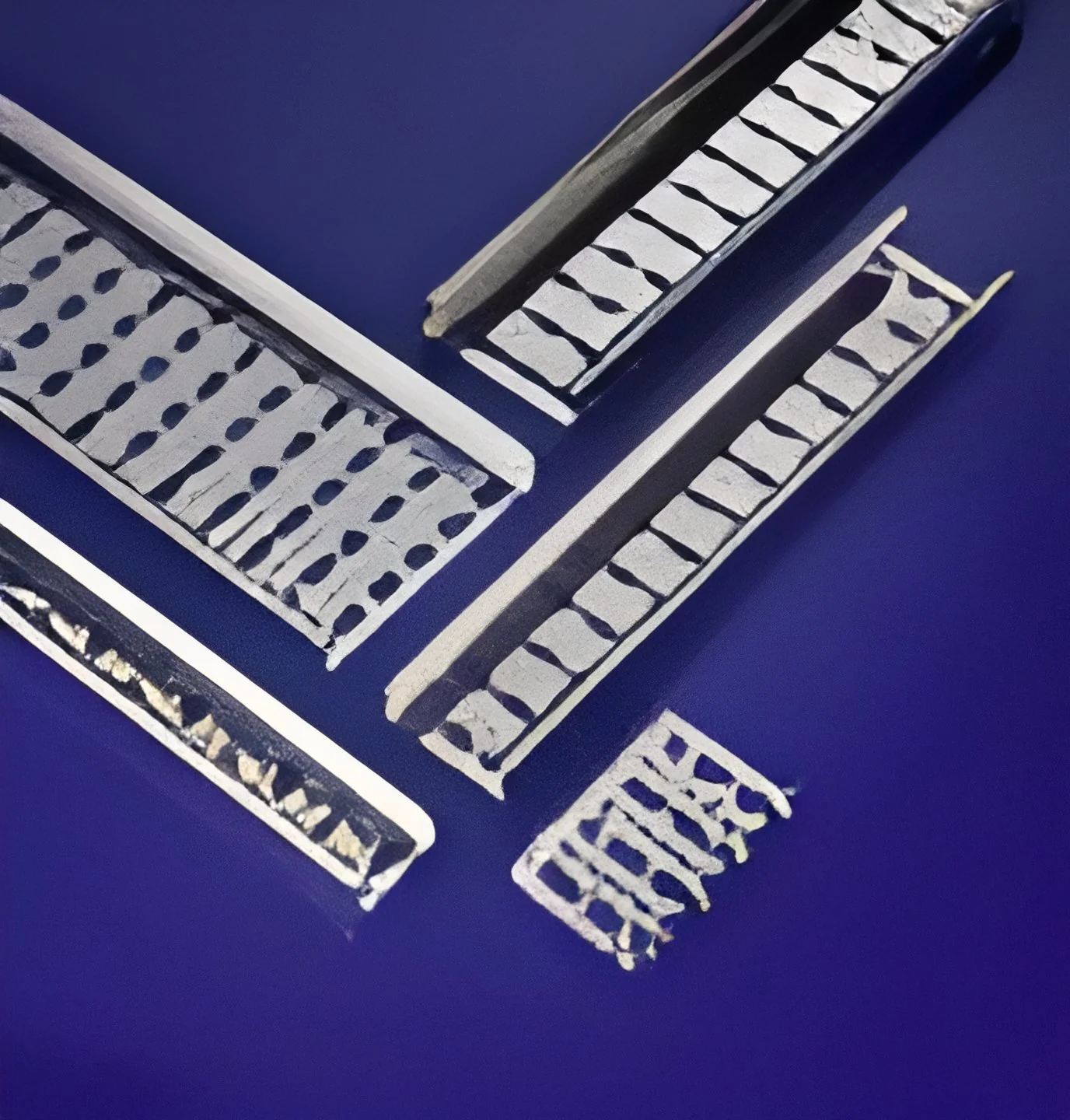
Industrial commercial cable tray systems are specifically engineered to support and organize insulated electrical cables for power distribution and communication networks. Serving as a practical alternative to both open wiring and enclosed conduit systems, these trays deliver superior flexibility and accessibility advantages. Constructed from durable materials including galvanized steel, aluminum alloys, or fiberglass composites, they ensure long-term performance and resistance to various environmental factors. The thoughtful design enables straightforward installation procedures and accommodates future modifications efficiently, making them particularly suitable for dynamic environments where cable layouts may evolve over time. Businesses consistently select cable trays for their proven reliability, cost-effective implementation, and ability to streamline electrical infrastructure projects across multiple sectors.

These cable management systems find extensive application across diver...
Industrial commercial cable tray systems are specifically engineered to support and organize insulated electrical cables for power distribution and communication networks. Serving as a practical alternative to both open wiring and enclosed conduit systems, these trays deliver superior flexibility and accessibility advantages. Constructed from durable materials including galvanized steel, aluminum alloys, or fiberglass composites, they ensure long-term performance and resistance to various environmental factors. The thoughtful design enables straightforward installation procedures and accommodates future modifications efficiently, making them particularly suitable for dynamic environments where cable layouts may evolve over time. Businesses consistently select cable trays for their proven reliability, cost-effective implementation, and ability to streamline electrical infrastructure projects across multiple sectors.

These cable management systems find extensive application across diverse industrial and commercial sectors, including commercial construction projects, manufacturing operations, telecommunications networks, and energy distribution facilities. Within commercial building environments, they effectively manage both power and data cables while maintaining accessibility. Industrial manufacturing plants rely on their robust construction for dependable cable support in demanding operational conditions. Data centers utilize specialized cable trays to organize high-density wiring configurations, ensuring optimal airflow management and maintenance accessibility. The telecommunications industry employs them for structured cabling within network infrastructure, while the energy sector implements them throughout power generation plants and electrical substations. Their inherent adaptability makes them suitable for applications ranging from standard office complexes to challenging industrial environments with extreme conditions.

Cable tray systems deliver substantial business value by significantly reducing installation timelines, minimizing long-term maintenance costs, and enhancing overall system reliability. The open design philosophy allows for rapid cable additions or modifications without requiring complex conduit pulling procedures. This operational flexibility directly translates to reduced labor expenses and minimized operational disruptions during system upgrades or expansions. Engineered to withstand substantial mechanical loads and resist corrosive environmental conditions, these systems ensure consistent long-term performance while maintaining safety standards. Available in various sizes and material options, businesses can select configurations that precisely match specific project requirements and environmental challenges. This combination of reliability, adaptability, and performance establishes cable trays as a strategic investment for developing efficient and scalable electrical infrastructure solutions.

Key Features:
- Durable construction using galvanized steel, aluminum, or fiberglass materials for extended service life
- Open design architecture provides easy cable access for installation, inspection, and future modifications
- Available in multiple sizes and configurations to accommodate specific project requirements and spatial constraints
- Corrosion-resistant finishes and coatings suitable for both indoor and outdoor applications in challenging environments
- High load-bearing capacity engineered to support multiple cable runs securely without deformation or structural compromise

Benefits:
- Reduces installation time and labor costs through simplified cable placement and management processes
- Minimizes maintenance requirements and operational downtime with easy access for inspections and modifications
- Enhances system safety and organization by preventing cable damage and maintaining proper separation
- Provides long-term reliability and performance in various environmental conditions with durable construction
- Offers scalability for future expansions and system upgrades without requiring complete infrastructure replacement
Specifications
| Additional Information | |
|---|---|
| Country of Origin | India |
| Customisable | No |
Application
Industrial commercial cable trays deliver essential cable management solutions for environments requiring organized and accessible wiring systems. These systems are widely implemented in office complexes, manufacturing facilities, and data centers where secure support for power and communication cables is critical. The open tray design facilitates straightforward installation, future modifications, and regular maintenance operations, significantly reducing operational downtime and labor expenses compared to traditional conduit methods.
Multiple industries including telecommunications, energy distribution, and construction sectors depend on cable tray systems for efficient wiring infrastructure deployment. These solutions perform effectively in both indoor and outdoor applications, even in challenging environmental conditions, due to their durable construction and adaptable configurations. This versatility establishes cable trays as the preferred choice for projects demanding scalability and accommodating future expansion requirements.
- Supporting power and data cable routing in high-rise office buildings and commercial complexes
- Organizing electrical wiring systems within manufacturing facilities and industrial plants
- Managing communication cable networks in data centers and telecommunications infrastructure
- Distributing electrical cables through hospitals, airports, and public infrastructure projects
- Providing reliable cable support for outdoor installations and harsh environmental conditions
Trade Details
| Available Stock | In Stock |
| Sample Availability | No |
Payment Terms
| Payment Terms |
|
Company Profile
A- Z Instrument Services, Gujarat
 Gujarat, India
Gujarat, IndiaIndustrial Equipment & Machinery•Trading Company
Factory Details
Factory SizeBelow 1000 sqm
Annual Production Capacity0
Industrial Commercial Cable Trays For Power Data Cable Management
Industrial commercial cable trays provide robust support for power and data cables in commercial and industrial buildings. These reliable cable management systems ensure organized and safe electrical distribution with flexible installation options.
Min. Order Quantity: 1 unit
Shipping
Shipping fee and delivery date to be negotiated. Contact supplier now for more details.
A- Z Instrument Services
 Gujarat, India
Gujarat, IndiaIndustrial Equipment & MachineryTrading Company