IN
IN₹
Description
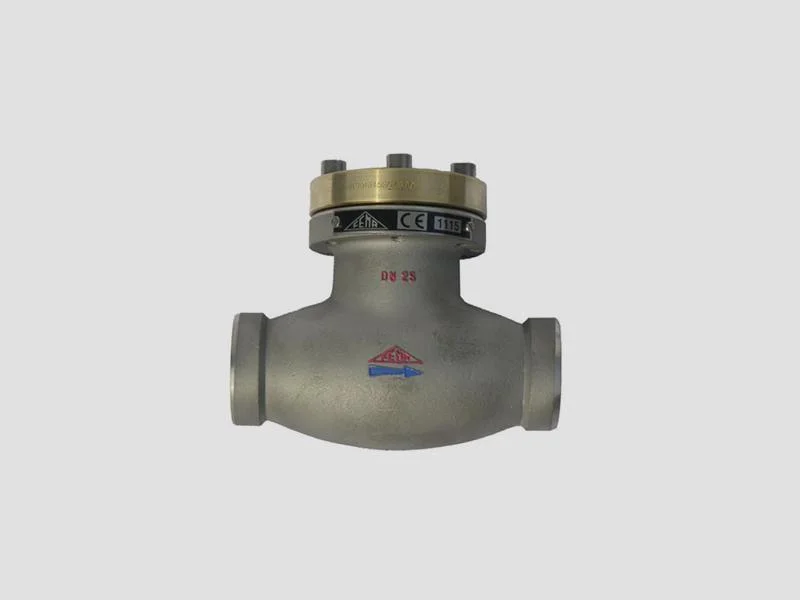
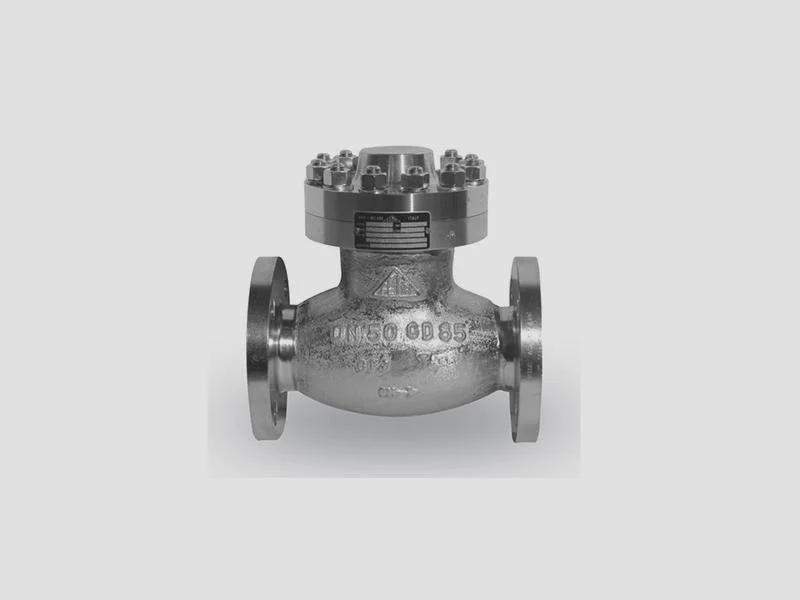
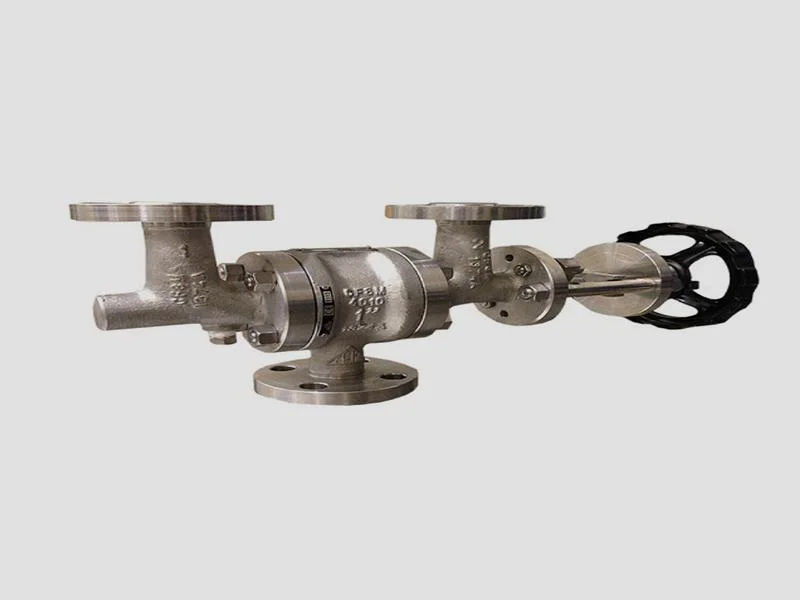
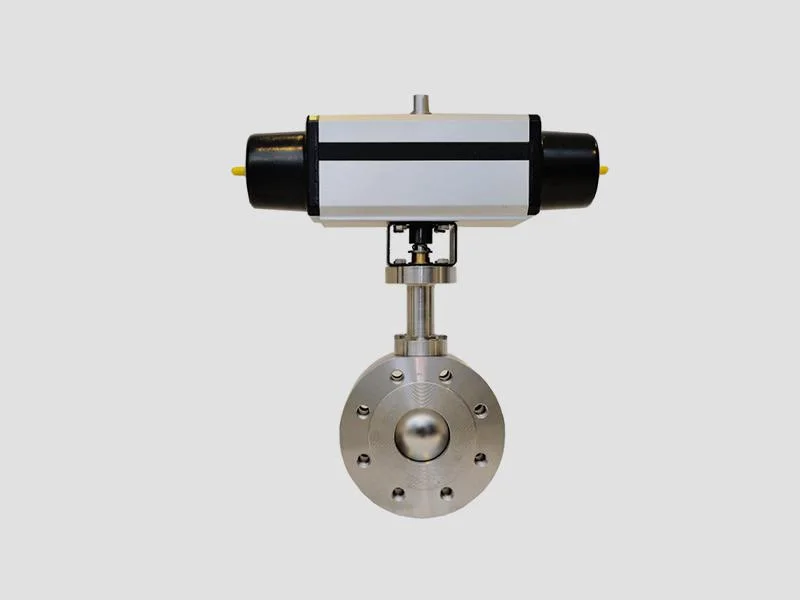
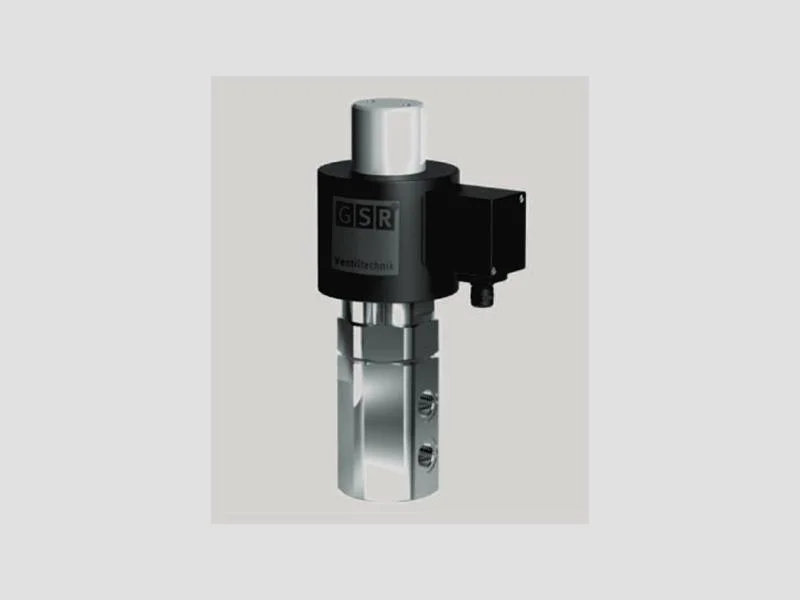
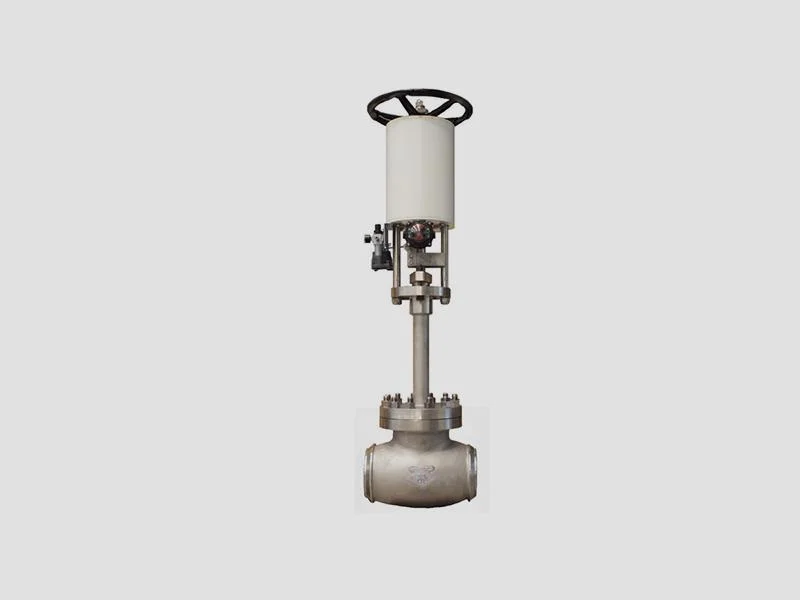
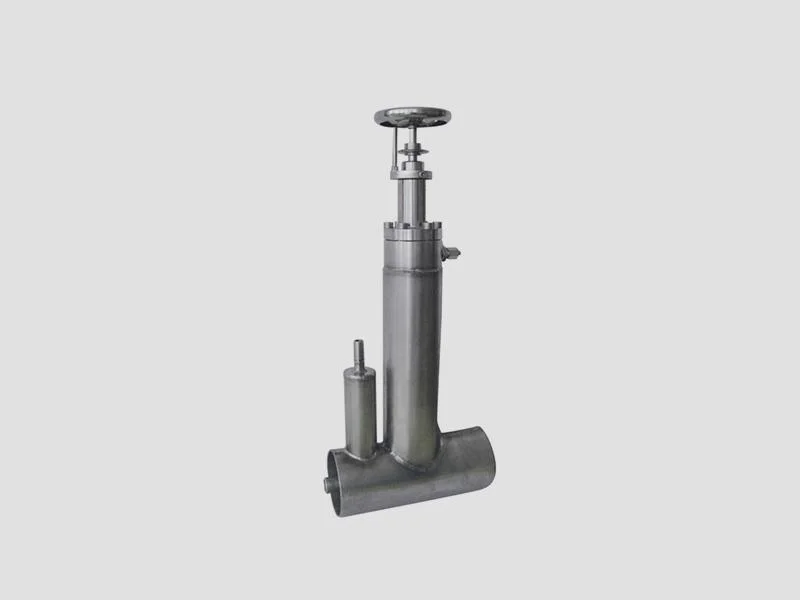
The C 330 Ultra-Cryogenic Globe Valve represents precision engineering for extreme environments, specifically designed to operate reliably at temperatures as low as -269°C. This specialized valve handles critical cryogenic fluids including liquid helium, hydrogen, oxygen, and nitrogen with uncompromising safety standards. Featuring a bellows seal combined with redundant stem packing, it achieves Class VI shutoff classification—the highest standard for leakage prevention. The vacuum-jacketed extended bonnet minimizes heat ingress and prevents ice formation, while the ASME 2500 pressure rating (440 barg maximum) ensures structural integrity under demanding conditions. Available with manual, pneumatic, or electric actuation options and compliant with ASME B16.34 standards, this valve delivers consistent performance where failure is not an option.

This ultra-cryogenic valve serves critical roles across multiple high-technology industries. In scientific research, it enables experiments wit...
The C 330 Ultra-Cryogenic Globe Valve represents precision engineering for extreme environments, specifically designed to operate reliably at temperatures as low as -269°C. This specialized valve handles critical cryogenic fluids including liquid helium, hydrogen, oxygen, and nitrogen with uncompromising safety standards. Featuring a bellows seal combined with redundant stem packing, it achieves Class VI shutoff classification—the highest standard for leakage prevention. The vacuum-jacketed extended bonnet minimizes heat ingress and prevents ice formation, while the ASME 2500 pressure rating (440 barg maximum) ensures structural integrity under demanding conditions. Available with manual, pneumatic, or electric actuation options and compliant with ASME B16.34 standards, this valve delivers consistent performance where failure is not an option.

This ultra-cryogenic valve serves critical roles across multiple high-technology industries. In scientific research, it enables experiments with superconducting materials and particle physics that require near-absolute-zero temperatures. The aerospace sector relies on these valves for handling liquid hydrogen and oxygen in rocket propulsion systems and testing facilities. Medical technology applications include MRI magnet cooling with liquid helium and medical oxygen production. Industrial gas companies utilize these valves in air separation units producing liquid nitrogen and oxygen at scale. Semiconductor manufacturers depend on them for liquid nitrogen delivery in chip fabrication cleanrooms, while energy companies employ them in LNG processing and emerging hydrogen economy infrastructure.

Businesses investing in the C 330 valve gain measurable value through enhanced operational reliability and reduced lifecycle costs. The valve's robust construction minimizes maintenance requirements and unexpected shutdowns, protecting production schedules and revenue streams. The Class VI leakage rating prevents product loss and environmental releases of expensive or hazardous cryogens. The vacuum-jacketed design reduces energy consumption by limiting heat transfer into cryogenic systems. Multiple actuation options allow integration with existing control systems without costly modifications. With proven performance in the world's most demanding applications, this valve represents a long-term asset that delivers consistent return on investment through reliable operation and safety assurance.

Key Features:
- Ultra-cryogenic operation down to -269°C for handling liquid helium, hydrogen, oxygen, and nitrogen.
- Bellows seal with redundant stem packing ensuring zero leakage with Class VI shutoff classification.
- Vacuum-jacketed extended bonnet minimizing heat ingress and preventing ice formation.
- High-pressure capability with ASME 2500 rating supporting up to 440 barg operating pressure.
- Multiple actuation options including manual, pneumatic, and electric operation for flexible integration.

Benefits:
- Maximum safety assurance with dual sealing systems preventing hazardous cryogen leakage.
- Reduced operational costs through minimal heat transfer and energy-efficient performance.
- Extended service life with robust construction designed for extreme temperature cycling.
- Simplified maintenance with top-entry design allowing in-line servicing without system removal.
- Compliance with international standards including ASME B16.34 ensuring global acceptance and reliability.
Specifications
| Key Attributes | |
|---|---|
| Valve Type | Ultra-Cryogenic Globe Valve |
| Pressure Class | ASME 2500 |
| Max Pressure | 440 barg |
| Temperature Range | −269°C to +100°C |
| Operation | Manual / Pneumatic / Electric |
| Sealing | Bellows + Redundant Packing |
| Leakage Class | Class VI |
| Bonnet | Vacuum Jacketed |
| Standard | ASME B16.34 |
| End Connection | Butt Weld |
| Additional Information | |
|---|---|
| Country of Origin | India |
Application
The C 330 Ultra-Cryogenic Valve is engineered for the most demanding low-temperature industrial processes where absolute reliability is non-negotiable. Its robust construction and advanced sealing technology make it the preferred choice for systems handling liquefied gases at temperatures approaching absolute zero, ensuring operational safety and preventing costly downtime due to valve failure.
This valve's design specifically addresses the unique challenges of ultra-cryogenic environments, including thermal contraction, material embrittlement, and heat ingress prevention. The vacuum-jacketed bonnet and bellows seal system work in tandem to maintain system integrity, making it suitable for both continuous flow control and isolation applications in critical infrastructure where leakage is unacceptable.
- Liquid helium transfer and storage systems in advanced physics research facilities and MRI manufacturing plants.
- Liquid hydrogen handling in aerospace propulsion testing, fuel cell development, and emerging clean energy infrastructure.
- Liquid oxygen distribution networks for medical oxygen supply, industrial gas production, and rocket engine testing facilities.
- Liquid nitrogen systems for food freezing, semiconductor manufacturing, and pharmaceutical cryopreservation processes.
- Cryogenic fluid management in air separation units, LNG processing plants, and superconducting magnet cooling circuits.
Trade Details
| Available Stock | In Stock |
| Sample Availability | No |
Payment Terms
| Payment Terms |
|
Company Profile

Uv International, Tamil Nadu
 Tamil Nadu, India
Tamil Nadu, IndiaDistributor•Wholesaler
Turn Over
₹1 Crore – ₹5 Crore
Factory Details
Factory SizeBelow 1000 sqm
Ultra Cryogenic Globe Valve 269C Liquid Helium Hydrogen Oxygen Nitrogen
C 330 Ultra-Cryogenic Globe Valve handles extreme temperatures down to -269°C for liquid helium, hydrogen, oxygen, and nitrogen with bellows seal, vacuum jacketed bonnet, Class VI shutoff, and ASME 2500 pressure rating.
Min. Order Quantity: 1 piece
Shipping
Shipping fee and delivery date to be negotiated. Contact supplier now for more details.
Uv International Tamil Nadu, India
Tamil Nadu, IndiaDistributor