IN
IN₹
Apparel & Fashion
Description
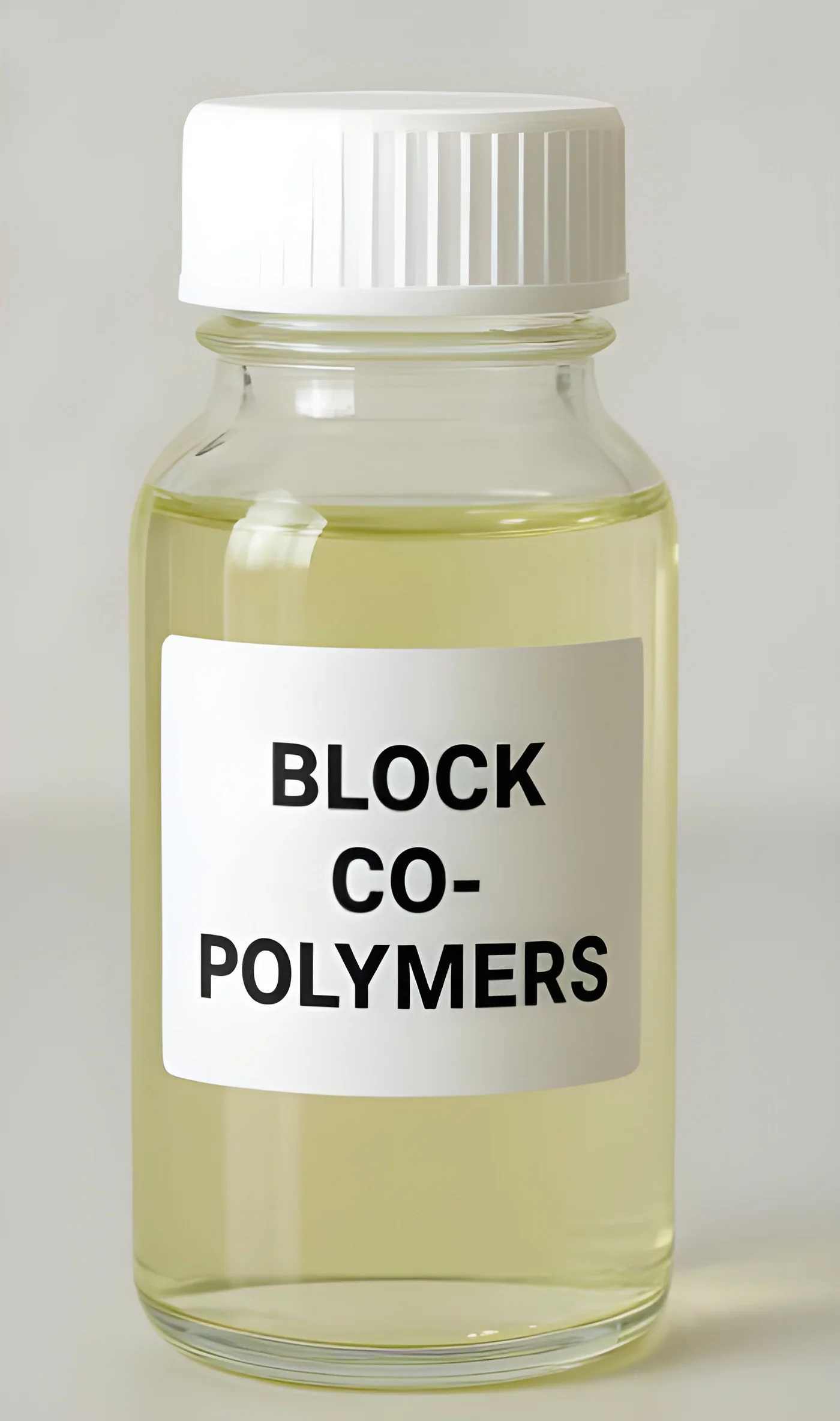
Block co-polymers are advanced non-ionic surfactants synthesized from ethylene oxide and propylene oxide, engineered to deliver both hydrophilic and hydrophobic performance in a single molecule. This unique structure allows them to act as powerful emulsifiers, stabilizers, and wetting agents, making them essential for complex formulations where compatibility and efficiency are critical. They are known for their biodegradability, chemical stability, and ability to function effectively across a wide temperature range, providing formulators with a reliable and versatile ingredient that simplifies production while enhancing end-product quality. Trusted by B2B buyers for consistent purity and performance, these polymers are backed by stringent quality controls and customization options to meet specific application needs.

In the apparel and fashion industry, block co-polymers are widely used as textile auxiliaries, improving processes from fiber production to fabric finishing. They serve as...
Block co-polymers are advanced non-ionic surfactants synthesized from ethylene oxide and propylene oxide, engineered to deliver both hydrophilic and hydrophobic performance in a single molecule. This unique structure allows them to act as powerful emulsifiers, stabilizers, and wetting agents, making them essential for complex formulations where compatibility and efficiency are critical. They are known for their biodegradability, chemical stability, and ability to function effectively across a wide temperature range, providing formulators with a reliable and versatile ingredient that simplifies production while enhancing end-product quality. Trusted by B2B buyers for consistent purity and performance, these polymers are backed by stringent quality controls and customization options to meet specific application needs.

In the apparel and fashion industry, block co-polymers are widely used as textile auxiliaries, improving processes from fiber production to fabric finishing. They serve as effective lubricants in spinning, dyeing assistants for uniform color uptake, and softening agents that enhance fabric handle without compromising absorbency. Additionally, they are utilized in leather processing as fatliquoring agents and in garment washing to achieve desired textures and effects. Their role extends to technical textiles and nonwovens, where they aid in coating formulations and fiber bonding, ensuring durability and functional performance in activewear, uniforms, and high-end fashion materials.

For businesses, block co-polymers offer tangible value through enhanced product reliability and process optimization. Their proven stability reduces batch variations, minimizing production downtime and rejection rates. By improving emulsification and dispersion, they help lower usage concentrations, leading to cost savings and more sustainable formulations. Their compatibility with other surfactants and ingredients allows for flexible, innovative recipes that meet evolving market demands. Sourced from reputable manufacturers, these polymers assure supply chain consistency, enabling distributors and wholesalers to build long-term client trust and capitalize on growing demand for high-performance textile and fashion chemicals.

Key Features:
- Balanced hydrophilic-lipophilic properties for versatile formulation
- Excellent emulsifying and stabilizing capabilities in various systems
- High temperature and chemical stability for harsh processing conditions
- Effective wetting, dispersing, and foam control performance
- Non-ionic, biodegradable, and compatible with other surfactants

Benefits:
- Enhances product efficacy and consistency in end-applications
- Reduces formulation costs through multifunctional performance
- Supports sustainable operations with biodegradable and eco-friendly profiles
- Improves process efficiency with reliable stability and compatibility
- Enables customization for specific industry and client requirements
Specifications
| Additional Information | |
|---|---|
| Country of Origin | India |
Application
Block co-polymers are indispensable in industrial and consumer applications due to their dual hydrophilic-lipophilic nature. They serve as high-performance surfactants in detergents, textile processing, agrochemicals, paints, and metalworking fluids, ensuring stable emulsions and superior surface activity. Their adaptability across pH levels and temperatures makes them a preferred choice for formulators seeking consistent results in diverse operating conditions.
These polymers excel in roles such as wetting agents, dispersants, emulsifiers, and defoamers across sectors. From enhancing fabric softness in textiles to stabilizing herbicide formulations in agriculture, they deliver multifunctional benefits. Industries rely on them for improving product efficacy, process efficiency, and end-performance, making them a cornerstone in specialty chemical supply chains for B2B buyers. Real-world applications:
Real-world applications:
- Formulating heavy-duty liquid detergents and industrial cleaners for effective grease removal
- Acting as dye leveling agents and softeners in textile manufacturing and finishing
- Stabilizing emulsifiable concentrates in pesticides and herbicides for agrochemicals
- Serving as key components in water-based paints, coatings, and polymer emulsions
- Providing lubrication and foam control in metal cleaning and machining fluids
Trade Details
| Available Stock | In Stock |
| Sample Availability | No |
Payment Terms
| Payment Terms |
|
Company Profile

Sterling Auxiliaries (P) Ltd, Maharashtra
 Maharashtra, India
Maharashtra, IndiaRaw Materials & Chemicals•Manufacturer•Importer / Exporter
Factory Details
Factory SizeBelow 1000 sqm
Industrial EO PO Block Co Polymer Surfactant For Emulsification
Block co-polymers are versatile EO-PO surfactants with hydrophilic and hydrophobic properties. Ideal for detergents, textiles, agrochemicals, and industrial formulations requiring reliable emulsification and stability.
Min. Order Quantity: 1
Shipping
Shipping fee and delivery date to be negotiated. Contact supplier now for more details.
Sterling Auxiliaries (P) Ltd
 Maharashtra, India
Maharashtra, IndiaRaw Materials & ChemicalsManufacturer