IN
INundefined

Similar Products
Description
The bleeding of freshly mixed concrete apparatus represents an essential tool for construction material professionals seeking to optimize concrete performance and durability. This ...
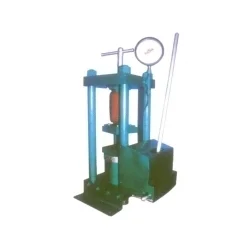
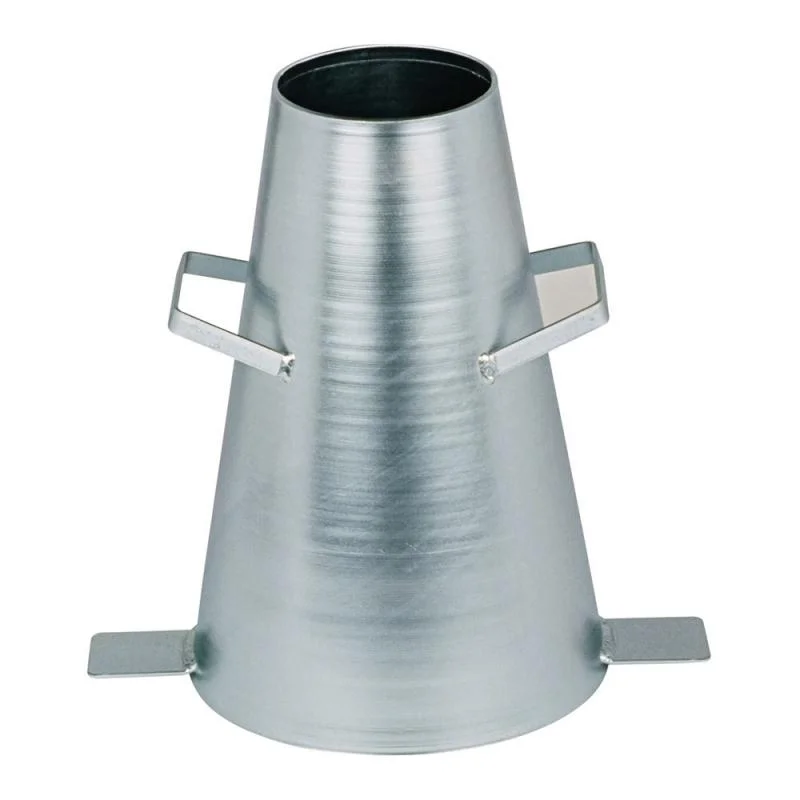
The bleeding of freshly mixed concrete apparatus represents an essential tool for construction material professionals seeking to optimize concrete performance and durability. This precision-engineered testing equipment measures both the rate and total amount of water that migrates to the surface of freshly mixed concrete samples under controlled conditions. The data obtained provides invaluable insights into mix design efficiency, water-cement ratio optimization, and overall concrete quality. By quantifying bleed water characteristics, construction professionals can predict and prevent potential issues before they compromise structural integrity, making this apparatus fundamental to modern construction quality assurance protocols and material specification processes.

Across the construction industry, this testing apparatus serves multiple critical functions for various professional sectors. Concrete manufacturers utilize it during mix development to ensure consistent batch quality and performance characteristics. Civil engineering firms employ the equipment for pre-construction material verification and compliance testing. Infrastructure developers rely on its measurements to guarantee material suitability for bridges, highways, and large-scale projects. Construction material testing laboratories use it for client verification and quality certification, while academic and research institutions apply it for advancing concrete technology and developing innovative construction materials with enhanced performance characteristics.

The business value of this concrete testing apparatus extends beyond simple measurement capabilities to deliver tangible reliability and operational advantages. Its precision engineering ensures consistent, repeatable results that construction professionals can trust for critical decision-making processes. The apparatus helps prevent costly construction defects, material failures, and project delays by identifying potential issues during the mix design phase rather than during construction. This proactive approach to quality control translates into significant cost savings, enhanced project timelines, and improved client satisfaction through demonstrable material quality and performance verification.

Key Features:
- Precision measurement of both bleed rate and total water volume
- Standardized testing conditions for consistent, comparable results
- Durable construction suitable for both laboratory and field use
- Comprehensive documentation support for quality certification
- Customizable configurations to meet specific testing requirements

Benefits:
- Enhanced concrete quality control and mix optimization capabilities
- Reduced risk of construction defects and material failures
- Improved compliance with international construction standards
- Cost savings through early detection of mix design issues
- Increased client confidence through demonstrable quality verification
Specifications
| Additional Information | |
|---|---|
| Country of Origin | 106 |
| Customisable | No |
Application
This precision instrument serves construction material testing laboratories and quality control departments across the construction industry. It provides critical data for evaluating concrete mix performance before large-scale implementation, helping engineers and technicians make informed decisions about material suitability for specific projects and environmental conditions.

The apparatus finds extensive use in both field testing and laboratory environments, supporting concrete producers, civil engineering firms, and infrastructure developers. By measuring bleed water characteristics, it helps prevent common concrete defects while ensuring compliance with international construction standards and specifications for durable, long-lasting structures. Real-world applications:
Real-world applications:
- Quality control testing for ready-mix concrete production facilities
- Research and development in construction material manufacturing
- On-site concrete assessment for large infrastructure projects
- Educational and training purposes in civil engineering institutions
- Compliance verification for construction material import/export businesses
Trade Details
| Available Stock | In stock |
| Sample Availability | No |
Payment Terms
| Payment Terms |
|
Shipping & Logistics
| Shipping Internationally | No | |
| Methods | -- | |
| IncoTerms | -- | |
| Port of Dispatch | Chennai | |
| Packaging Type | -- | |
| Units per Package | -- | |
| Barcode / HSN / GTIN / UPC | -- | |
| Dispatch Lead time | -- |
Company Profile

Elshaddai Engineering Equipments, Tamil Nadu Tamil Nadu, India
Tamil Nadu, IndiaIndustrial Equipment & Machinery•ManufacturerImporter / Exporter
Factory Details
Factory SizeBelow 1000 sqm
Concrete Bleed Water Test Apparatus For Quality Control And Mix Design
Our bleeding of freshly mixed concrete apparatus accurately measures water rise rate and volume in concrete samples. Essential for quality control, mix design optimization, and ensuring construction material reliability for B2B clients worldwide.
Min. Order Quantity: 1 Unit
Shipping
Shipping fee and delivery date to be negotiated. Contact supplier now for more details.
Elshaddai Engineering Equipments
 Tamil Nadu, India
Tamil Nadu, IndiaIndustrial Equipment & MachineryManufacturer