IN
IN₹
Apparel & Fashion
Description
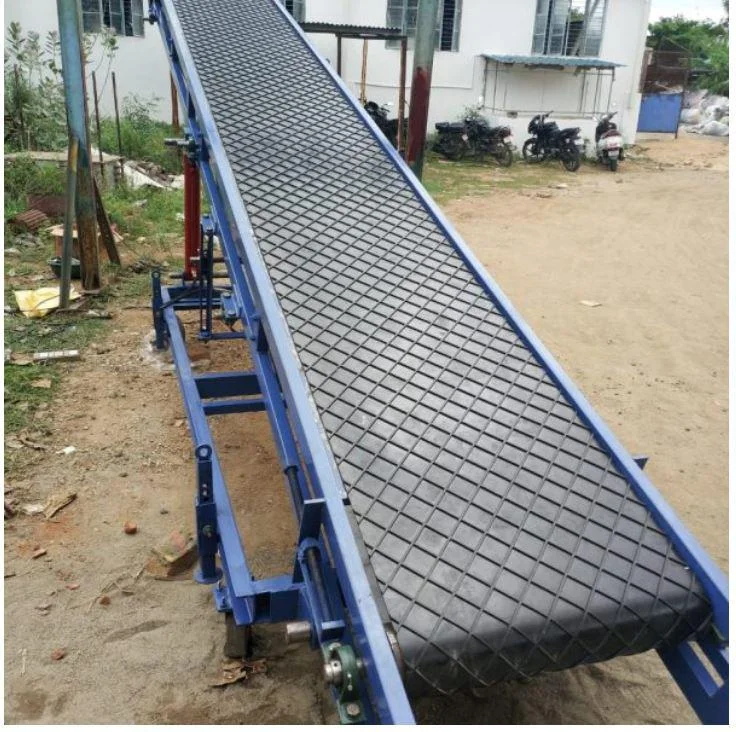
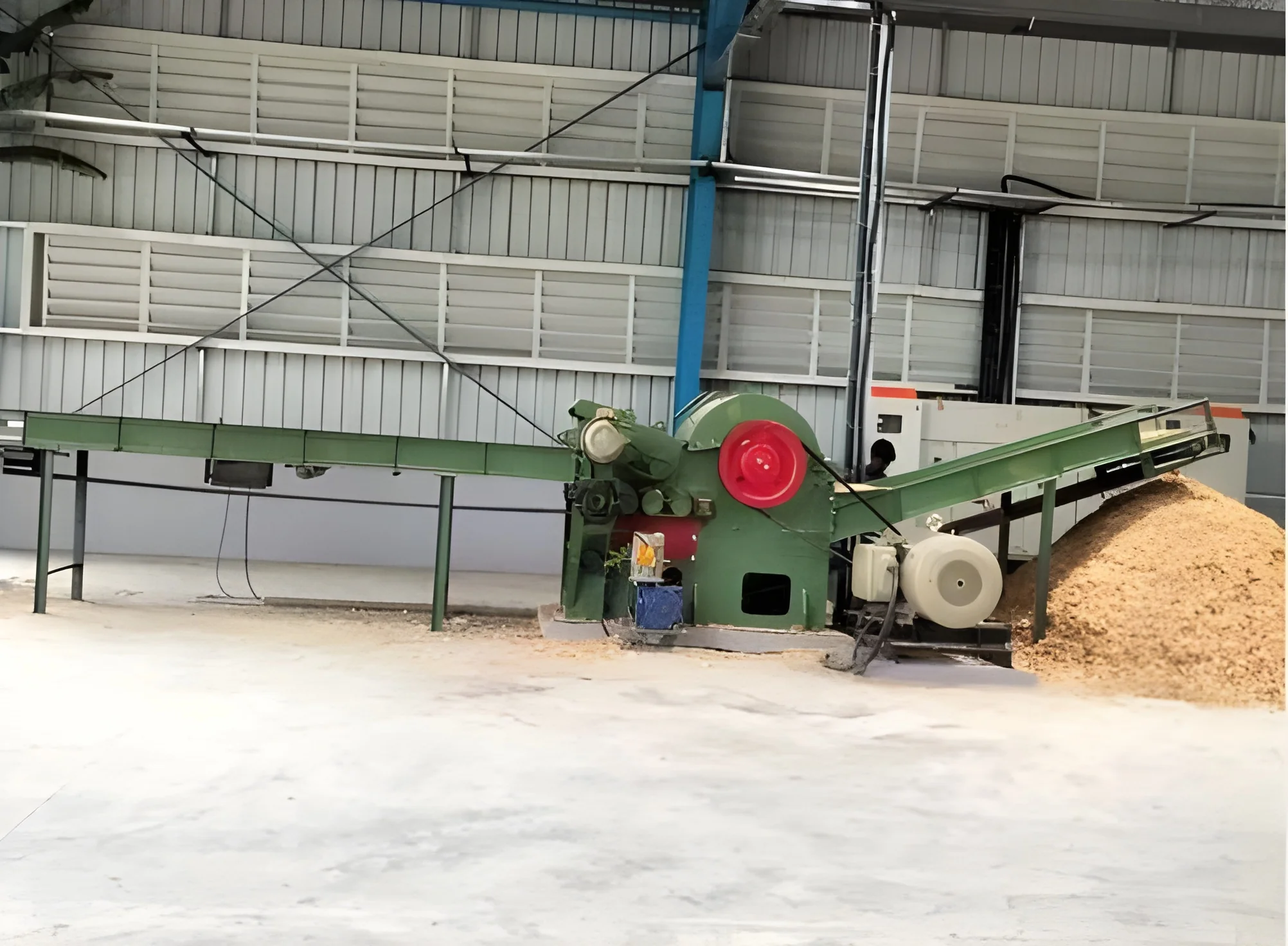
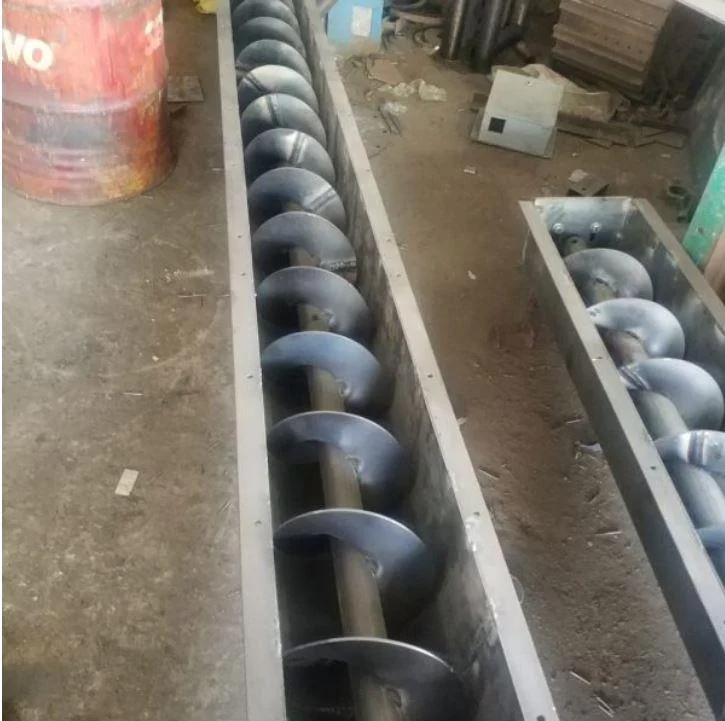
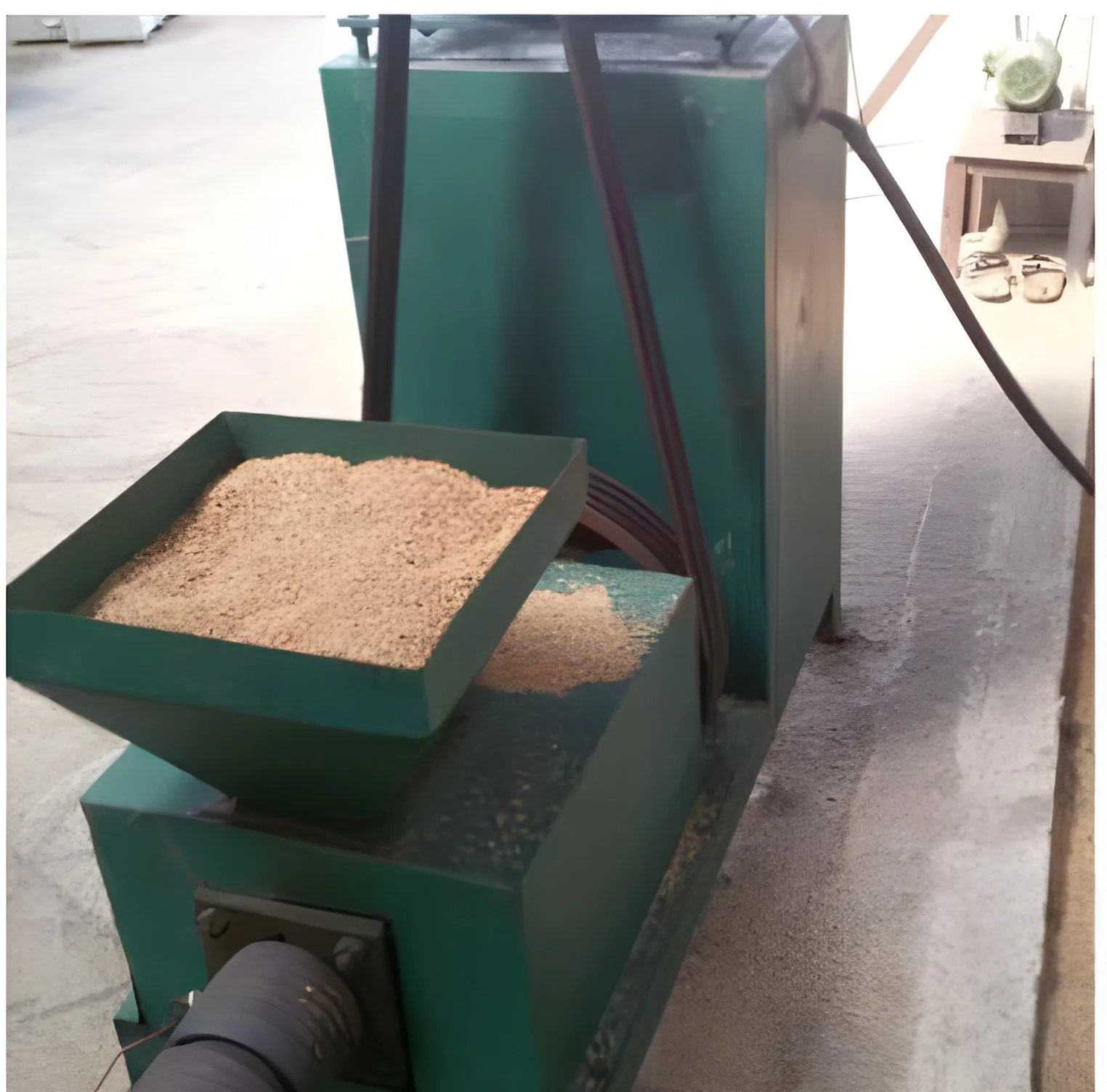
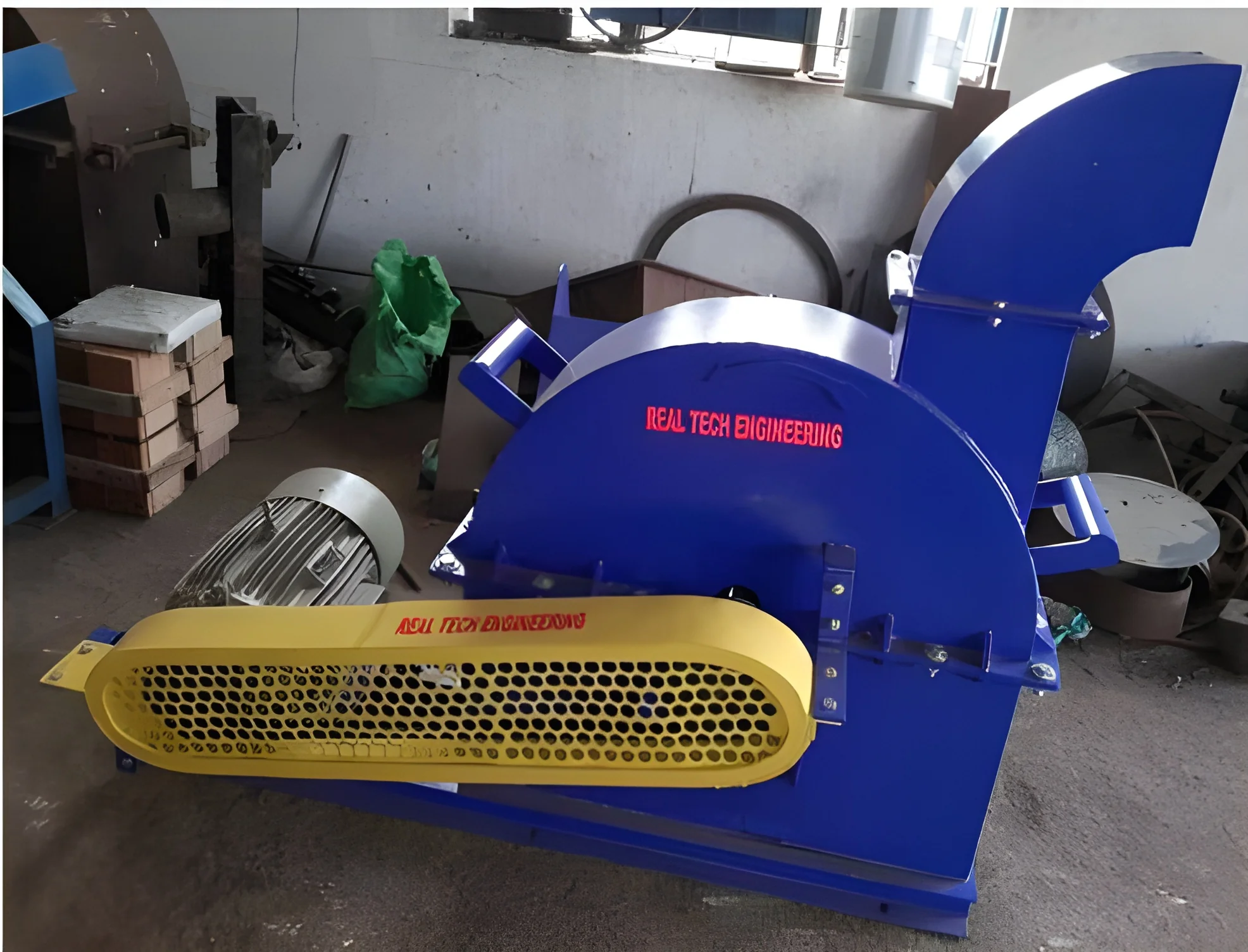
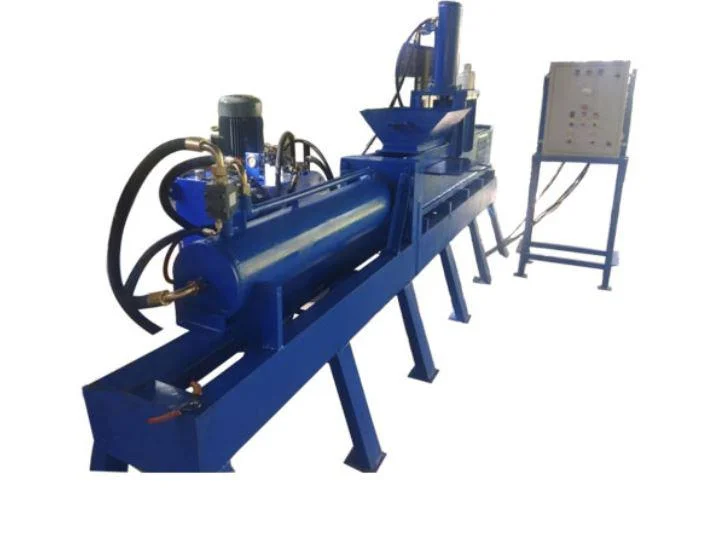
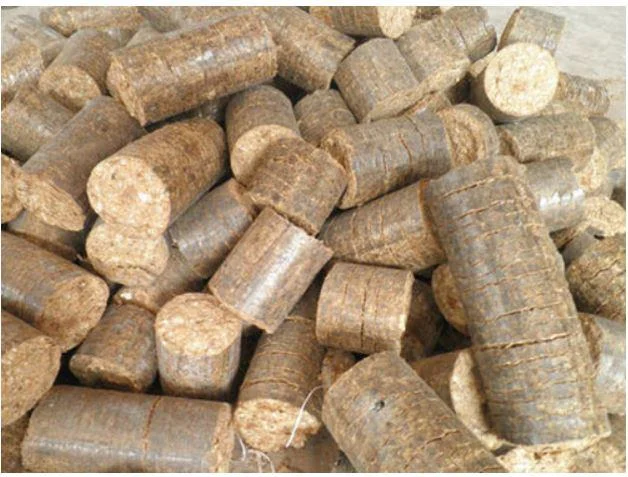
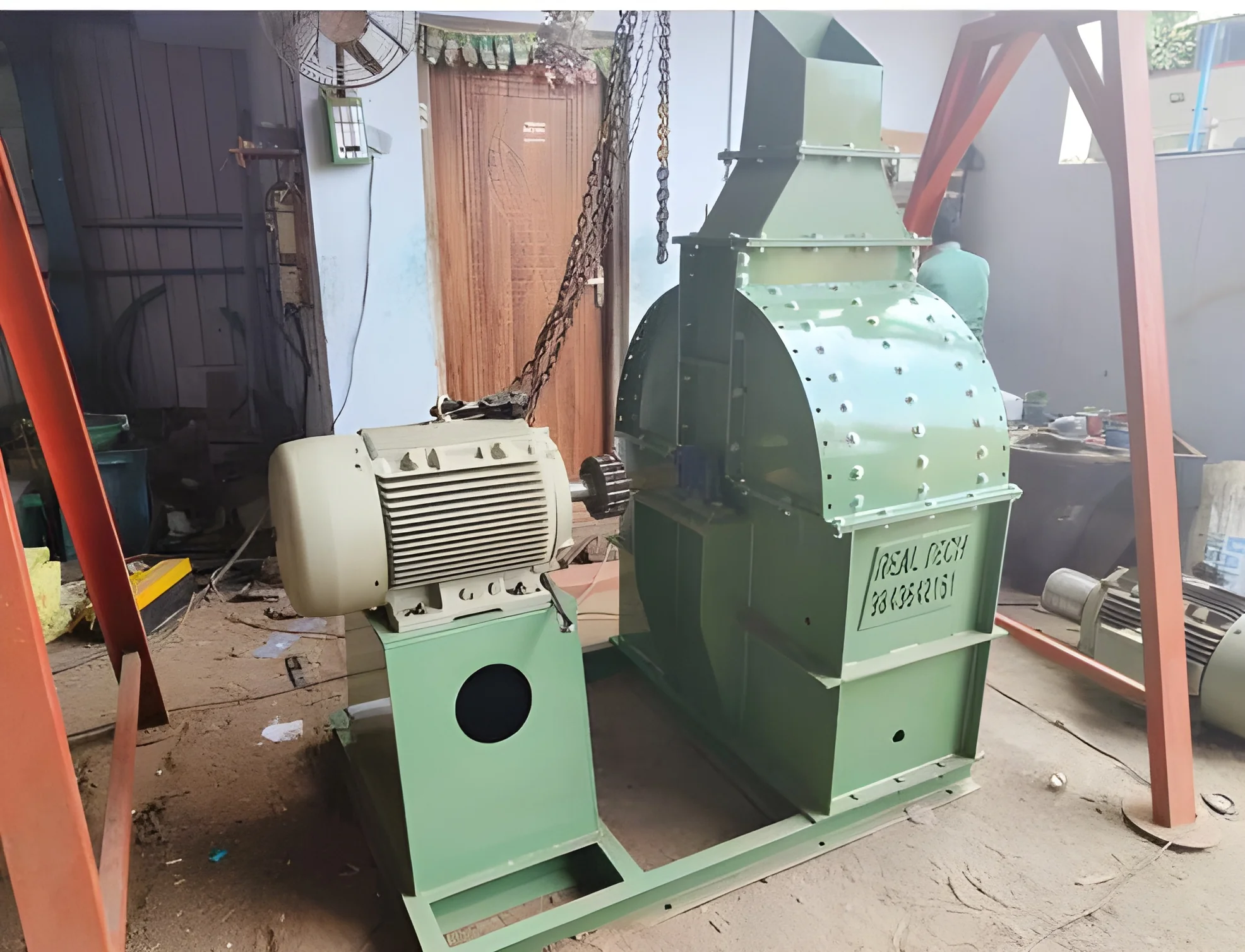
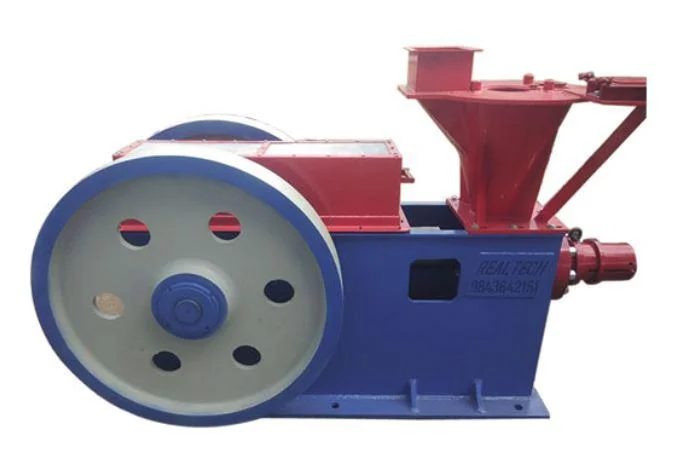
The Biomass Briquetting Machine represents advanced engineering designed to address both environmental sustainability and energy requirements. This robust equipment efficiently compresses various biomass residues including sawdust, rice husk, coconut shells, and other agricultural wastes into high-density, uniform briquettes. Utilizing sophisticated compression technology, the machine operates without requiring chemical binders, ensuring production of clean-burning, renewable fuel that maintains consistent quality. The system features energy-efficient operation, durable construction materials, and user-friendly controls that simplify operation while minimizing maintenance requirements. This design makes the machine suitable for continuous operation in demanding industrial environments while maintaining reliable performance standards over extended periods.

Across multiple sectors, this briquetting machine demonstrates exceptional versatility and practical utility. Manufacturing facilit...
The Biomass Briquetting Machine represents advanced engineering designed to address both environmental sustainability and energy requirements. This robust equipment efficiently compresses various biomass residues including sawdust, rice husk, coconut shells, and other agricultural wastes into high-density, uniform briquettes. Utilizing sophisticated compression technology, the machine operates without requiring chemical binders, ensuring production of clean-burning, renewable fuel that maintains consistent quality. The system features energy-efficient operation, durable construction materials, and user-friendly controls that simplify operation while minimizing maintenance requirements. This design makes the machine suitable for continuous operation in demanding industrial environments while maintaining reliable performance standards over extended periods.

Across multiple sectors, this briquetting machine demonstrates exceptional versatility and practical utility. Manufacturing facilities utilize the produced briquettes to power industrial boilers and heating systems, effectively replacing conventional fuels with cost-effective alternatives. Agricultural operations benefit significantly by converting crop residues and farming byproducts into valuable fuel sources, transforming waste materials into revenue-generating products. Energy companies incorporate these briquettes into biomass power generation projects, supporting renewable energy initiatives and reducing dependence on fossil fuels. The hospitality sector adopts this technology for commercial cooking and heating applications, while rural development programs implement these machines to create sustainable local energy solutions and generate employment opportunities within communities.

The value proposition centers on operational efficiency, cost reduction, and environmental responsibility. Organizations investing in this technology achieve substantial savings through reduced fuel expenditures while generating additional income streams from materials that were previously considered waste. The machine's reliability ensures consistent production output with minimal operational downtime, supported by durable components engineered for extended service life. The equipment's design focuses on delivering dependable performance across various biomass materials and production scenarios. This combination of economic advantages and environmental stewardship positions the machine as a strategic investment for organizations committed to sustainable operations and circular economy principles while maintaining operational efficiency.

Key Features:
- Advanced compression technology requiring no chemical binders
- Durable construction with high-grade components for long service life
- Energy-efficient operation reducing overall power consumption
- User-friendly control system enabling easy operation and monitoring
- Robust design suitable for continuous industrial operation

Benefits:
- Significant cost savings through waste-to-energy conversion
- Reduced environmental impact via sustainable fuel production
- Additional revenue generation from previously discarded materials
- Reliable performance with minimal maintenance requirements
- Versatile application across multiple industries and scales
Specifications
| Additional Information | |
|---|---|
| Country of Origin | India |
Application
Our Biomass Briquetting Machine efficiently processes diverse agricultural residues and forestry byproducts into uniform, high-density briquettes. This equipment handles materials like sawdust, rice husk, and coconut shells, transforming waste into valuable fuel sources suitable for various heating and energy applications across different operational scales and sectors.
The robust construction ensures consistent performance in demanding environments, from rural biomass processing centers to large industrial facilities. This adaptability makes it ideal for operations seeking sustainable waste management solutions while creating additional revenue streams from materials that were previously considered waste or disposal challenges.
- Industrial heating systems replacing conventional fuels in manufacturing plants
- Biomass power generation for electricity production facilities
- Agricultural operations converting crop residues into valuable fuel
- Commercial heating applications for hotels and large kitchens
- Rural energy programs providing affordable cooking and heating solutions
Trade Details
| Available Stock | In Stock |
| Sample Availability | No |
Payment Terms
| Payment Terms |
|
Company Profile

Real Tech Engineering, Tamil Nadu
 Tamil Nadu, India
Tamil Nadu, IndiaIndustrial Equipment & Machinery•Manufacturer•Trading Company
Factory Details
Factory SizeBelow 1000 sqm
Annual Production Capacity0
Biomass Briquetting Machine For Sustainable Waste To Fuel Conversion
Biomass Briquetting Machine converts agricultural and forestry waste into dense eco-friendly fuel briquettes for industrial and commercial energy needs with reliable performance.
Min. Order Quantity: 1 piece
Shipping
Shipping fee and delivery date to be negotiated. Contact supplier now for more details.
Real Tech Engineering
 Tamil Nadu, India
Tamil Nadu, IndiaIndustrial Equipment & MachineryManufacturer