IN
IN₹
Apparel & Fashion
Loading subcategories...
View More
Description
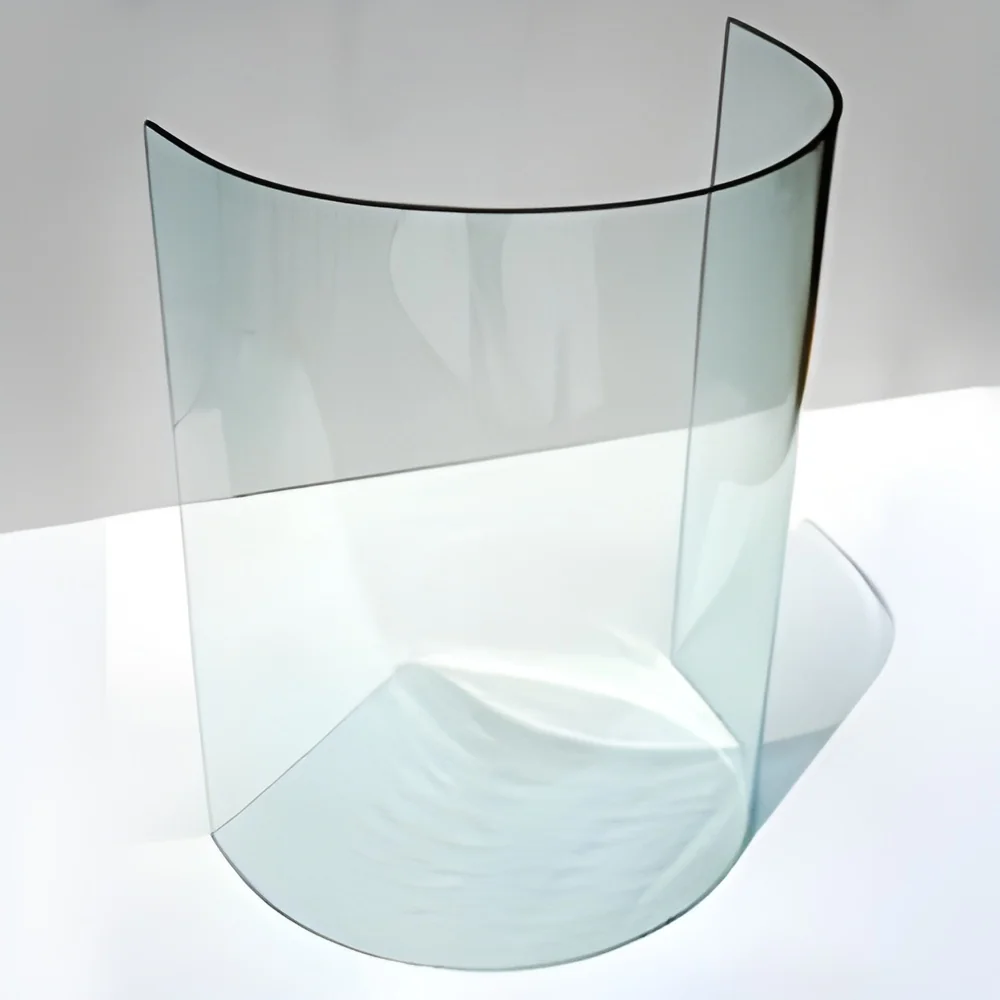
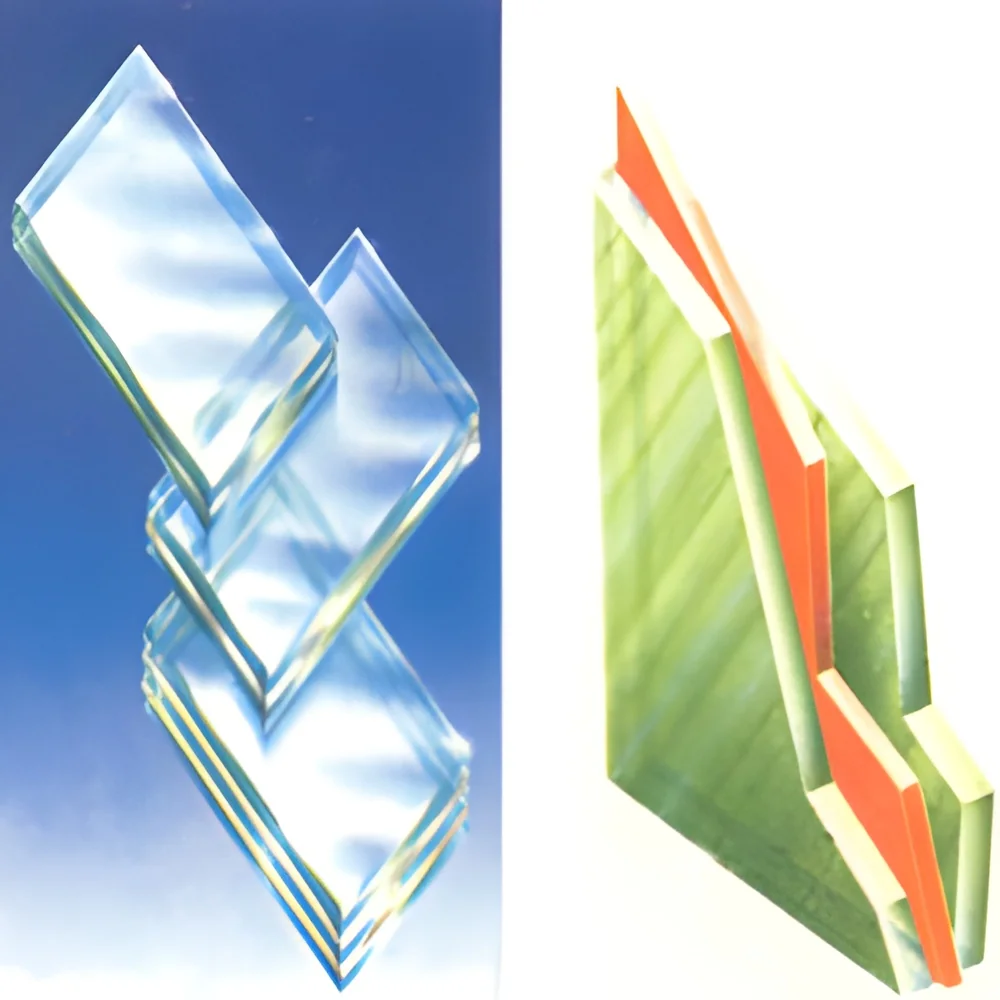
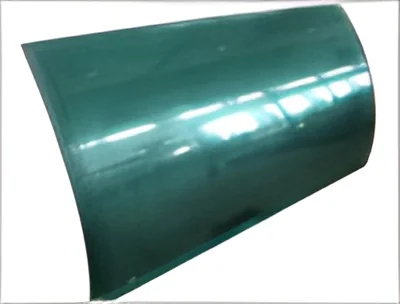
Architectural industrial bent tempered glass represents advanced glass engineering, merging aesthetic curvature with superior safety performance. This premium product starts as high-quality float glass, heated to approximately 700 degrees Celsius until pliable, then precisely shaped using specialized molds to achieve the desired curve. Immediately after bending, rapid air quenching creates permanent compressive surface stresses, resulting in glass that is four to five times stronger than ordinary annealed glass. This thermal tempering process not only enhances mechanical strength but also ensures that if breakage occurs, the glass fractures into small, granular pieces rather than dangerous sharp shards, providing inherent safety benefits.

The primary users of bent tempered glass are the architectural and construction industries, especially for projects requiring curved transparent surfaces without compromising safety. Automotive manufacturers incorporate it for vehicle windows and win...
Architectural industrial bent tempered glass represents advanced glass engineering, merging aesthetic curvature with superior safety performance. This premium product starts as high-quality float glass, heated to approximately 700 degrees Celsius until pliable, then precisely shaped using specialized molds to achieve the desired curve. Immediately after bending, rapid air quenching creates permanent compressive surface stresses, resulting in glass that is four to five times stronger than ordinary annealed glass. This thermal tempering process not only enhances mechanical strength but also ensures that if breakage occurs, the glass fractures into small, granular pieces rather than dangerous sharp shards, providing inherent safety benefits.

The primary users of bent tempered glass are the architectural and construction industries, especially for projects requiring curved transparent surfaces without compromising safety. Automotive manufacturers incorporate it for vehicle windows and windshields where aerodynamic designs demand specific curvatures. Interior designers and retail planners utilize it for modern display cases, partitions, and decorative elements. Additionally, the appliance industry employs it for curved oven doors and specialized equipment, while furniture makers use it for innovative table designs and shelving systems. These diverse applications benefit from the material's ability to combine structural performance with visual transparency and design flexibility, supporting creative and functional requirements across sectors.

For serious buyers, bent tempered glass delivers substantial value through its durability, safety compliance, and design versatility. The tempering process yields glass that withstands thermal stress, mechanical impact, and environmental factors far better than ordinary glass, reducing long-term replacement costs and maintenance needs. Its inherent safety characteristics help meet international building codes and safety regulations, potentially lowering insurance premiums and liability risks. The availability of customization in curvature, thickness, and dimensions allows architects and designers to realize innovative concepts that flat glass cannot achieve, offering a competitive edge for projects demanding both form and function, reliability, and aesthetic appeal.

Key Features:
- Thermally tempered through controlled heating and rapid cooling process
- Customizable to various curvature radii and complex shapes
- Four to five times stronger than regular annealed glass of same thickness
- Breaks into small granular pieces instead of sharp shards
- Available in multiple thicknesses from 4mm to 19mm

Benefits:
- Enhanced safety due to fragmentation into harmless granules upon breakage
- High strength and impact resistance for durable, long-lasting performance
- Excellent thermal resistance suitable for varied environmental conditions
- Design flexibility with customizable curves for innovative architectural projects
- Compliance with international safety standards for reliable use in regulated industries
Specifications
| Additional Information | |
|---|---|
| Country of Origin | India |
| Customisable | No |
Application
Bent tempered glass is engineered for architectural and industrial projects where safety and specific curvature are essential. It undergoes precise thermal tempering to achieve its curved shape while maintaining high impact resistance and structural integrity, making it ideal for applications that cannot use standard flat panels due to design or functional needs.
This specialized glass is widely utilized across construction, automotive, and interior design sectors. Its ability to be formed into various radii and custom shapes suits innovative building exteriors, curved windows, revolving doors, and display units. Professionals rely on it for projects demanding both aesthetic appeal and adherence to international safety standards.
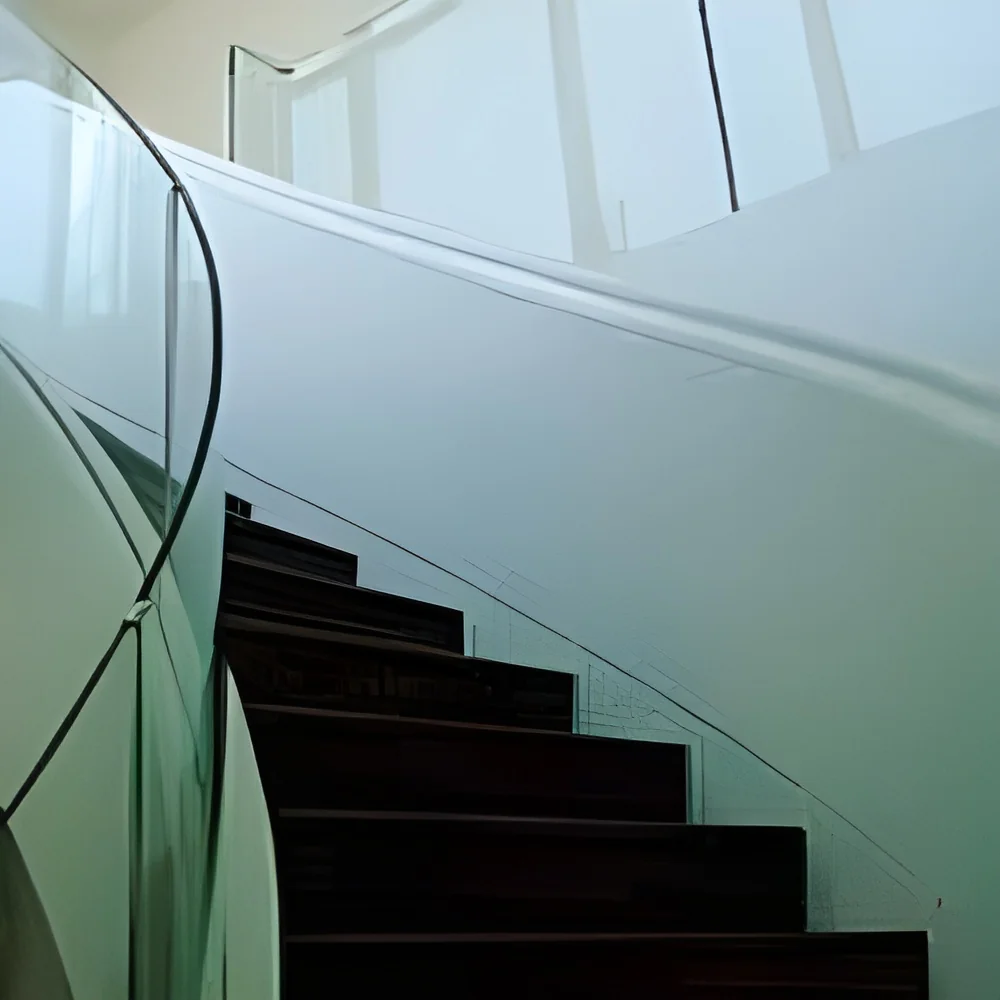
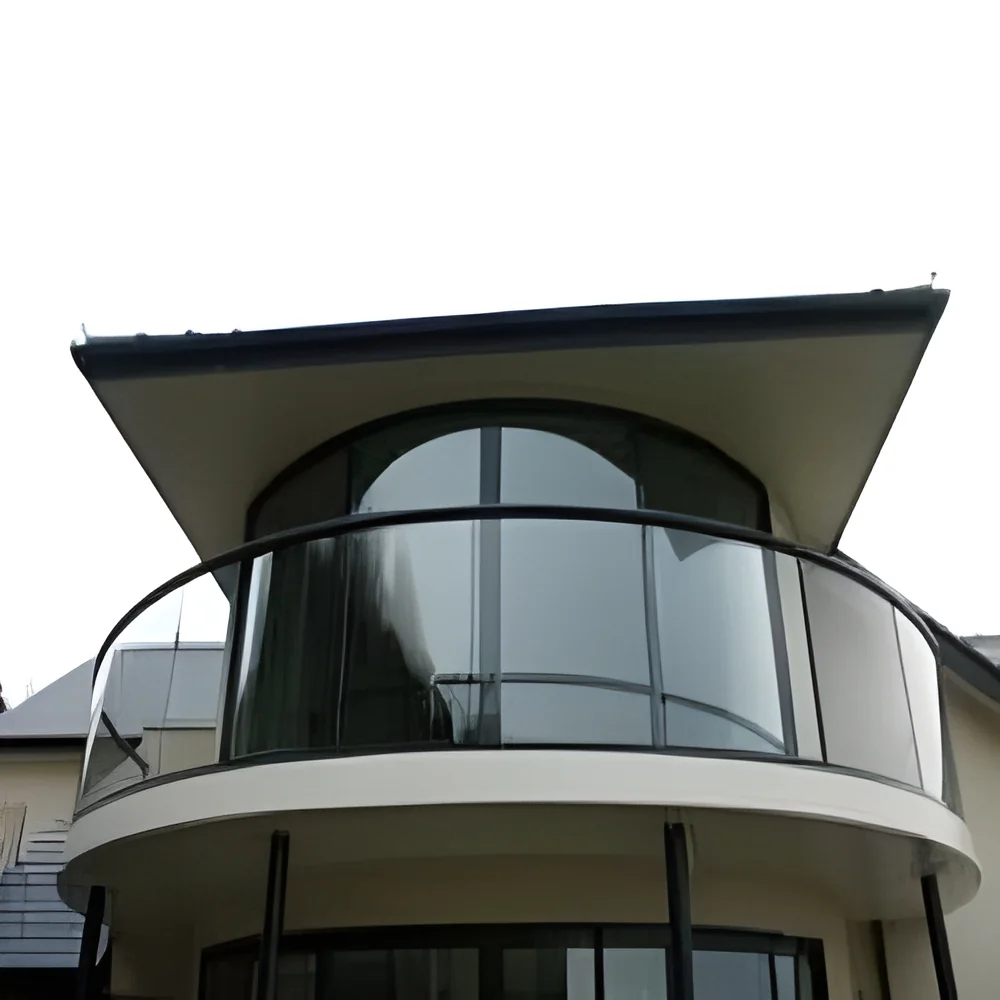
- Curved glass balustrades and railings in commercial buildings and luxury residences
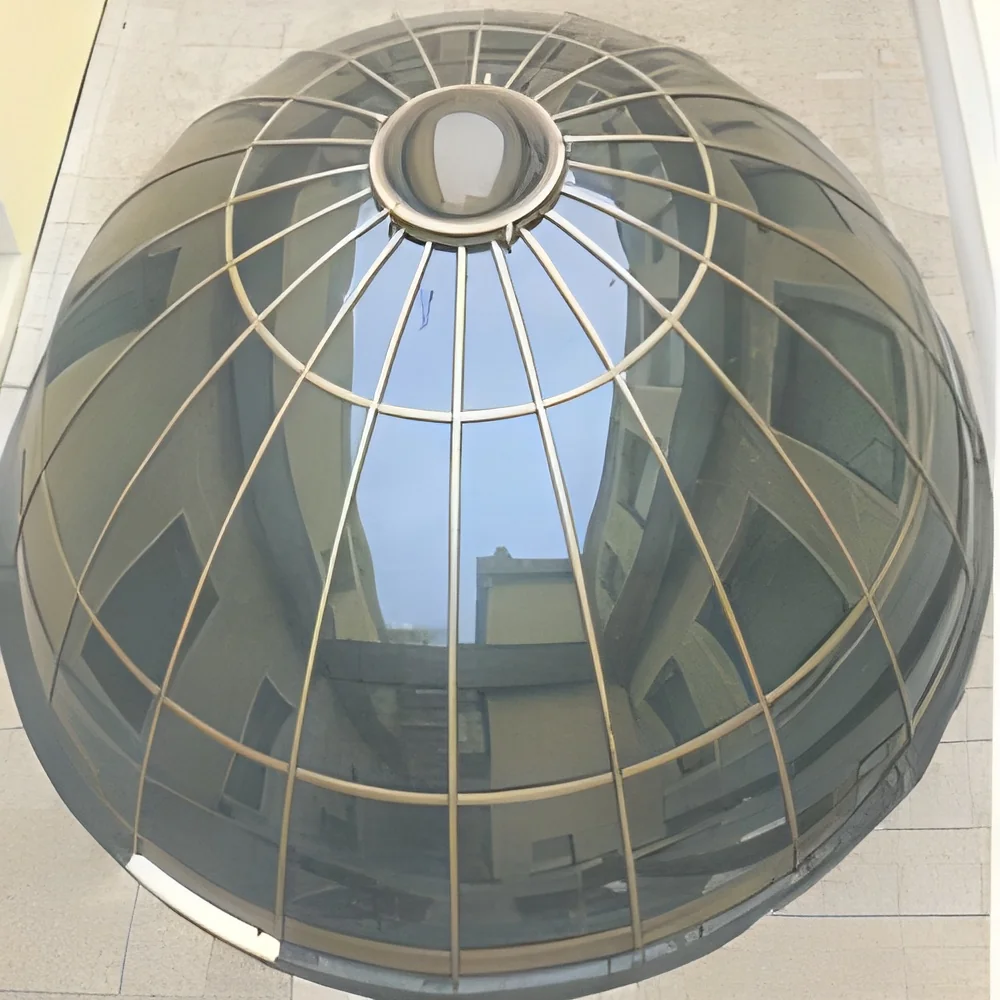
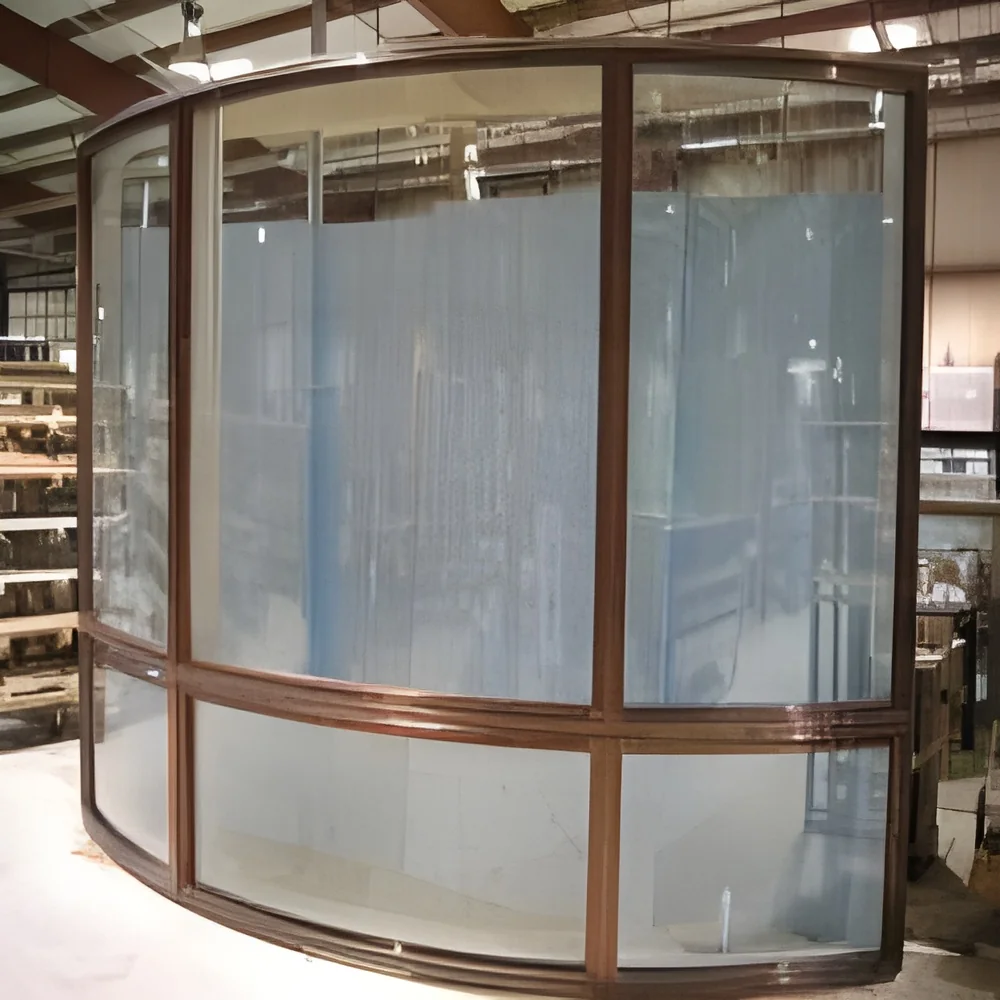
- Architectural facades and curved windows for modern office towers and hotels
- Automotive glass for windshields and side windows in high-end vehicles
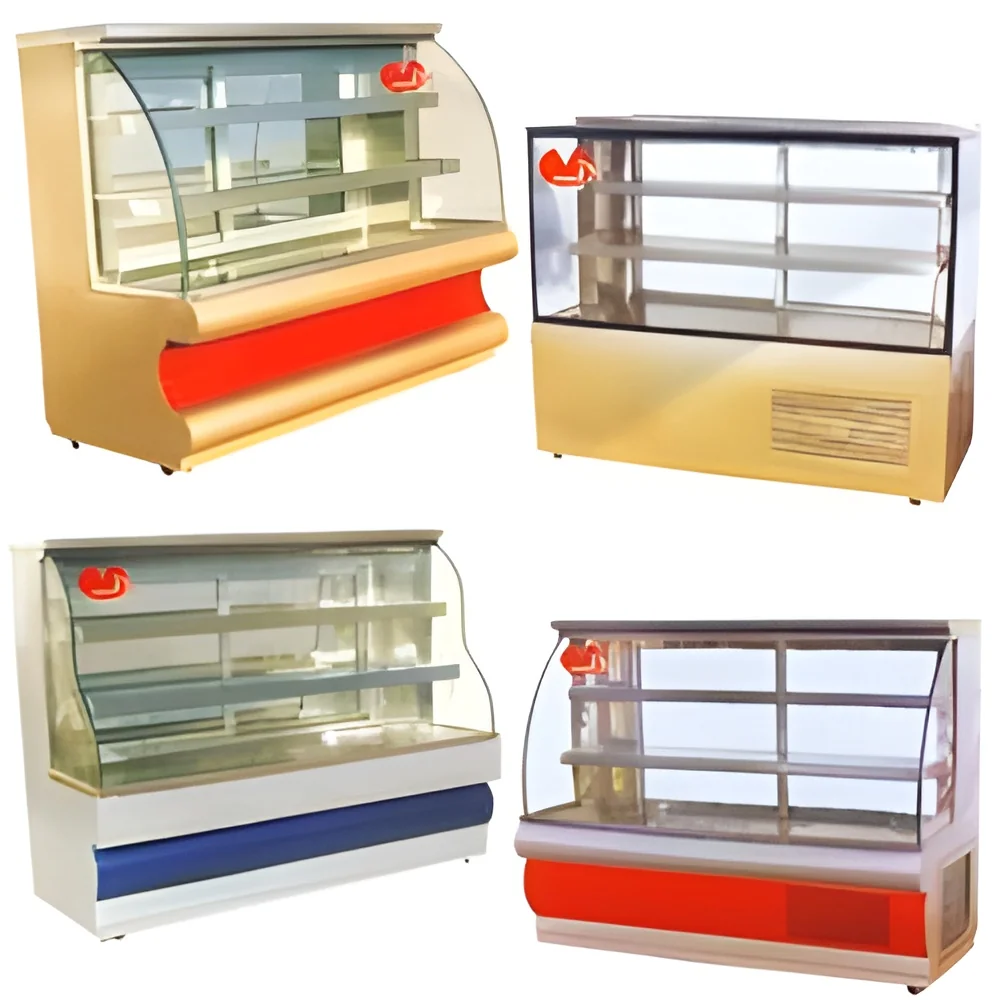
- Display cases and museum exhibits requiring shatter-resistant curved glass
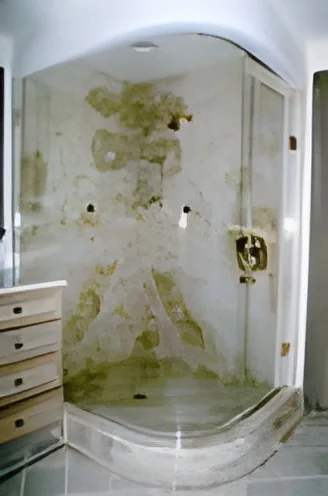
- Shower enclosures and interior partitions in hospitality and healthcare facilities
Trade Details
| Available Stock | In Stock |
| Sample Availability | No |
Payment Terms
| Payment Terms |
|
Company Profile
Aditya Glass, Gujarat
 Gujarat, India
Gujarat, IndiaManufacturer•Distributor / Wholesaler
Factory Details
Factory SizeBelow 1000 sqm
Annual Production Capacity0
Main Markets
Domestic
Architectural Industrial Bent Tempered Glass High Strength Thermal Resistant
Architectural industrial bent tempered glass offers high-strength, thermal-resistant safety glass for modern curved facades, windows, and durable design applications requiring reliability and compliance.
Min. Order Quantity: 1 unit
Shipping
Shipping fee and delivery date to be negotiated. Contact supplier now for more details.
Aditya Glass
 Gujarat, India
Gujarat, IndiaManufacturer