IN
IN₹
Apparel & Fashion
Loading subcategories...
View More
Description
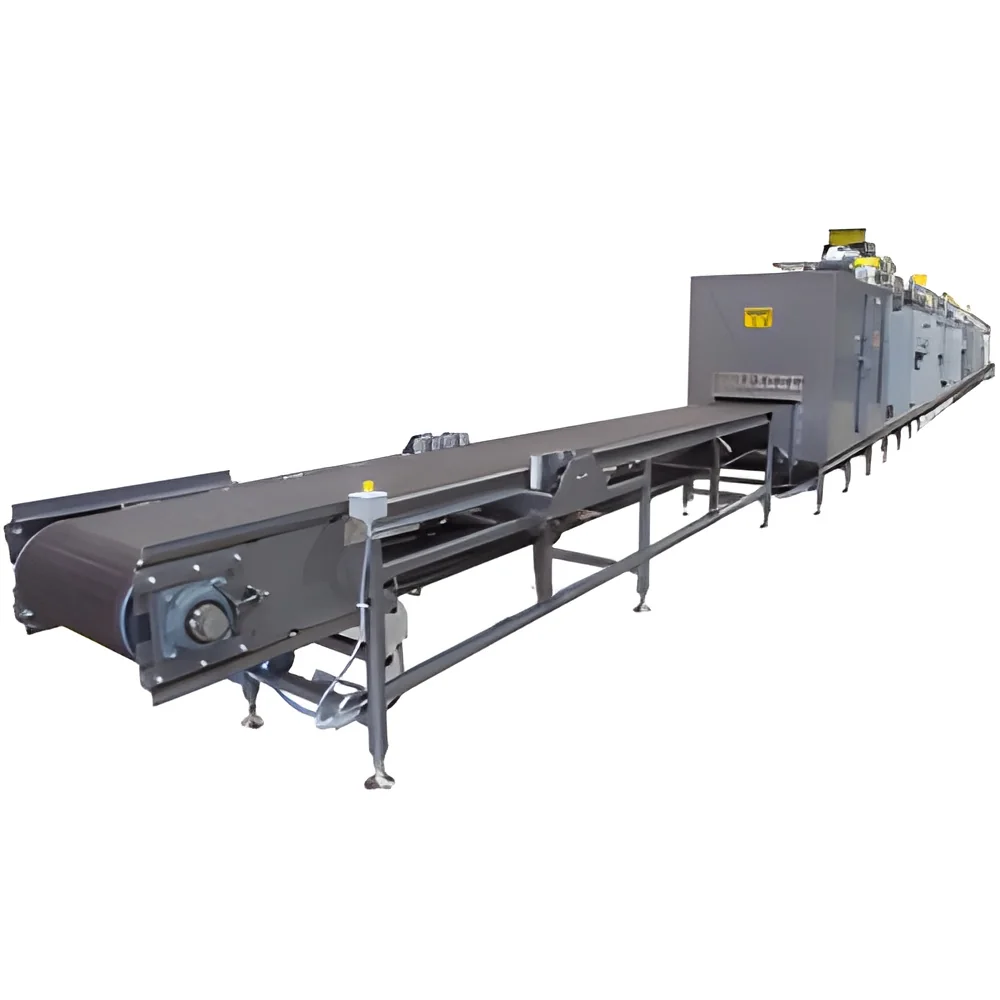
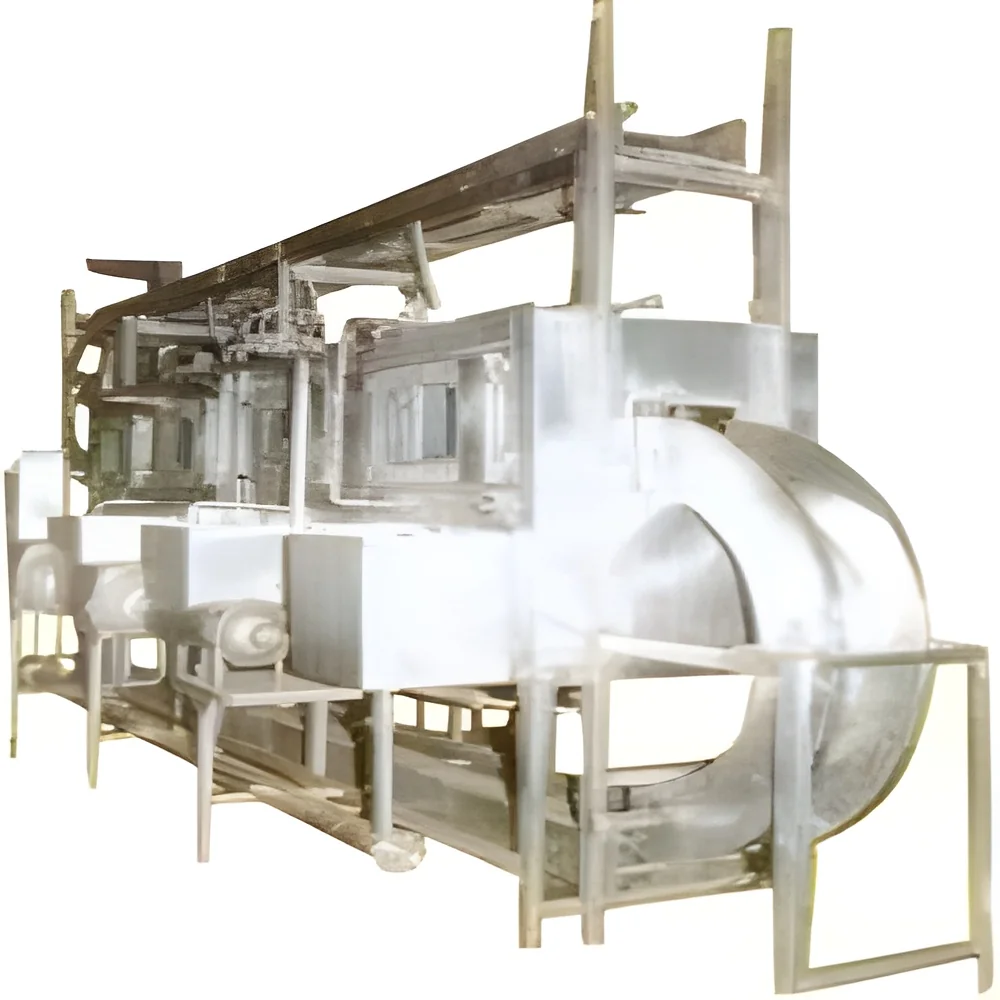
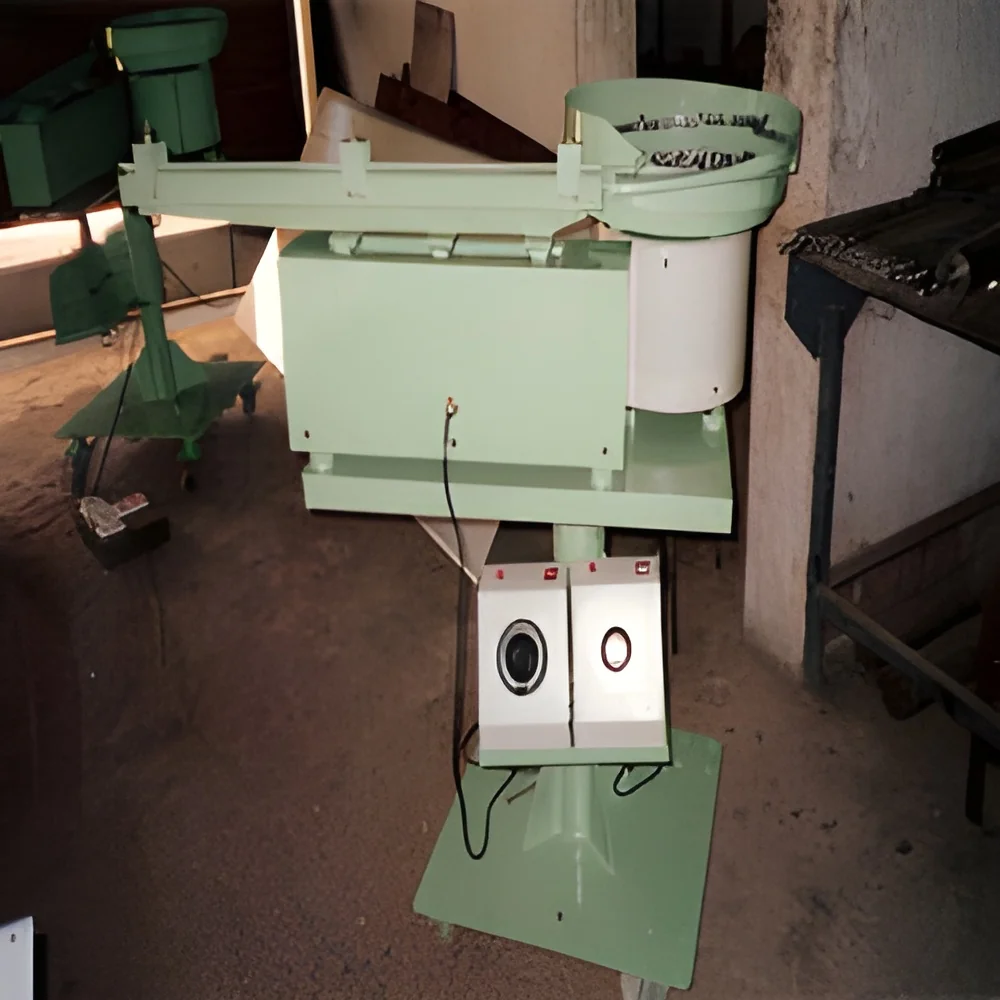
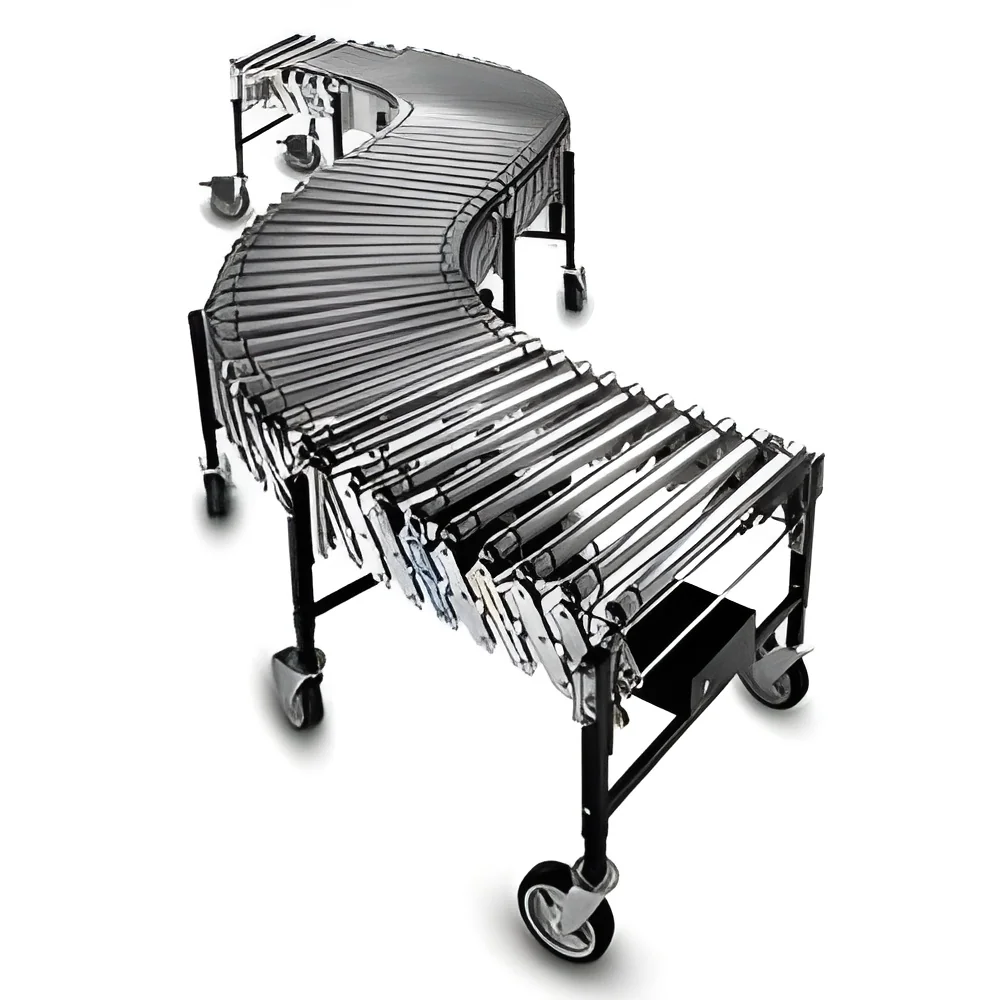
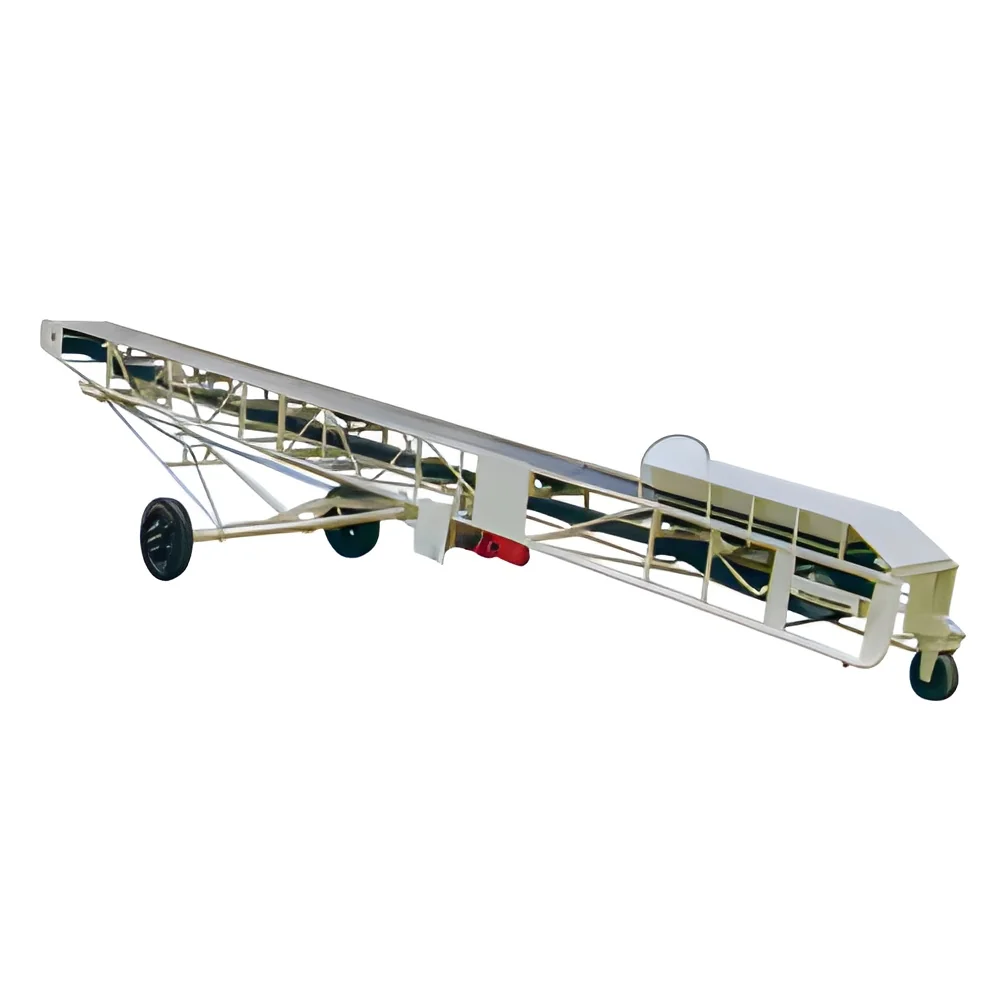
Industrial belt elevators represent specialized vertical conveying systems engineered for efficient transportation of bulk materials across multiple industrial sectors. These systems feature continuous belts with precisely designed buckets that lift materials from lower to higher levels, maintaining consistent flow rates and operational reliability. Designed for handling loose, powdery, and granular materials, belt elevators eliminate manual handling challenges while optimizing space utilization in industrial facilities. Their robust construction and precision engineering ensure dependable performance in demanding environments, making them essential components in modern material handling infrastructure. These systems support seamless integration into production workflows, from raw material intake through processing stages to final product handling, delivering operational consistency and process efficiency.

Multiple industries depend on belt elevators for their vertical material handli...
Industrial belt elevators represent specialized vertical conveying systems engineered for efficient transportation of bulk materials across multiple industrial sectors. These systems feature continuous belts with precisely designed buckets that lift materials from lower to higher levels, maintaining consistent flow rates and operational reliability. Designed for handling loose, powdery, and granular materials, belt elevators eliminate manual handling challenges while optimizing space utilization in industrial facilities. Their robust construction and precision engineering ensure dependable performance in demanding environments, making them essential components in modern material handling infrastructure. These systems support seamless integration into production workflows, from raw material intake through processing stages to final product handling, delivering operational consistency and process efficiency.

Multiple industries depend on belt elevators for their vertical material handling requirements due to their proven reliability and operational versatility. In mining operations, these systems transport ores, coal, and minerals vertically during extraction and processing phases, handling abrasive materials with minimal wear. Construction and building material industries utilize belt elevators for cement, sand, and aggregate transportation in batching plants and production facilities. Agricultural sectors employ these systems for grains, seeds, and fertilizer handling in storage and processing operations. Power generation facilities rely on belt elevators for coal and ash management, while manufacturing plants use them for various industrial powders and raw materials, ensuring contamination-free transport and process integrity across diverse applications.

Investing in high-quality industrial belt elevators delivers substantial business value through enhanced operational efficiency, reduced labor requirements, and minimized operational disruptions. These systems are engineered for long-term reliability with durable components that withstand continuous operation in challenging conditions, ensuring consistent performance and strong return on investment. The design focuses on operational efficiency with minimal energy consumption and maintenance requirements, supporting cost-effective material handling solutions. Their adaptability to specific material characteristics and capacity needs allows businesses to optimize their material flow processes. With straightforward integration into existing operations and scalable configurations, belt elevators provide dependable solutions that support business growth and operational excellence in competitive industrial environments.

Key Features:
- Heavy-duty construction using premium materials for extended operational lifespan
- Customizable configurations to match specific material types and capacity requirements
- Efficient vertical transportation system with optimized energy consumption
- Seamless integration capability with existing material handling infrastructure
- Low maintenance design featuring accessible components for easy servicing

Benefits:
- Enhanced operational efficiency through continuous vertical material flow
- Reduced labor costs by automating material handling processes
- Minimal downtime due to robust construction and reliable performance
- Cost-effective operation with low energy and maintenance requirements
- Long-term reliability ensuring consistent performance in demanding conditions
Specifications
| Additional Information | |
|---|---|
| Country of Origin | India |
| Customisable | No |
Application
Industrial belt elevators deliver efficient vertical transportation of bulk materials across demanding sectors. These robust systems handle everything from fine powders to coarse aggregates with consistent performance in harsh environments. Their durable construction ensures reliable operation in mining, construction, and industrial processing applications where continuous material flow is critical for productivity and operational success.
These vertical conveying systems adapt to various material characteristics and capacity requirements. Industries including cement production, mineral processing, agricultural storage, and power generation rely on belt elevators for their ability to move materials vertically without degradation or contamination. The systems maintain material integrity while providing dependable performance in diverse operational conditions and facility layouts.
- Transporting cement and aggregates vertically in construction material batching plants
- Moving coal and minerals in mining operations for processing and storage systems
- Handling grains and cereals in agricultural storage and processing facilities
- Conveying ash and fuel materials in power generation and energy plants
- Elevating industrial powders and raw materials in manufacturing processes
Trade Details
| Available Stock | In Stock |
| Sample Availability | No |
Payment Terms
| Payment Terms |
|
Company Profile
Sai Systems, Karnataka
 Karnataka, India
Karnataka, IndiaIndustrial Equipment & Machinery•Manufacturer•Distributor / Wholesaler•Importer / Exporter
Factory Details
Factory SizeBelow 1000 sqm
Annual Production Capacity0
Industrial Belt Elevators For Vertical Material Handling In Mining And Construction
Industrial belt elevators provide reliable vertical material handling for mining and construction industries. These durable systems efficiently transport bulk materials with smooth operation and minimal downtime.
Min. Order Quantity: 1 unit
Shipping
Shipping fee and delivery date to be negotiated. Contact supplier now for more details.
Sai Systems
 Karnataka, India
Karnataka, IndiaIndustrial Equipment & MachineryManufacturer