IN
IN₹
Apparel & Fashion
Loading subcategories...
View More
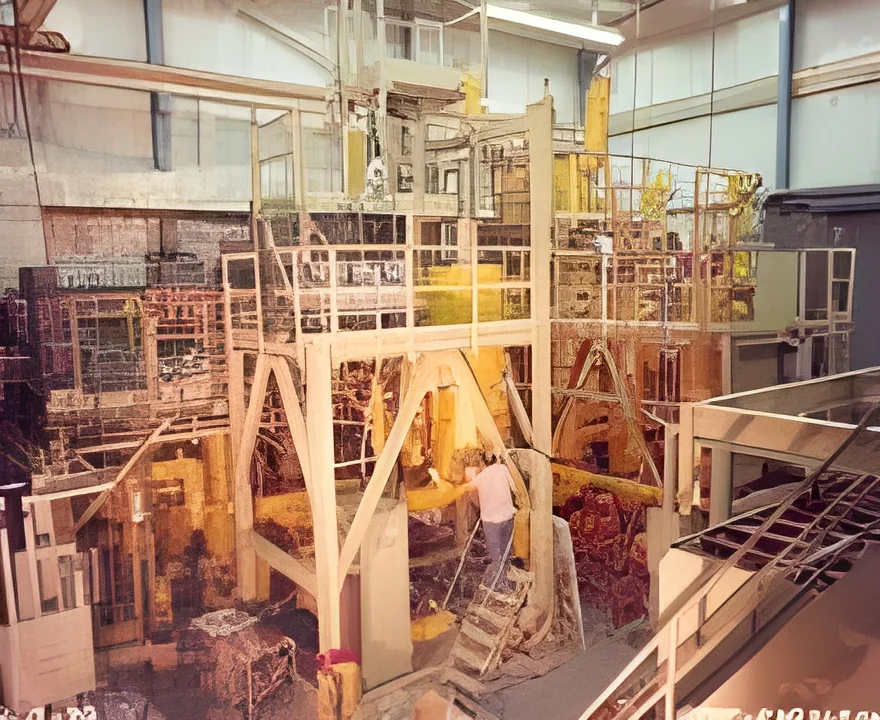
Description
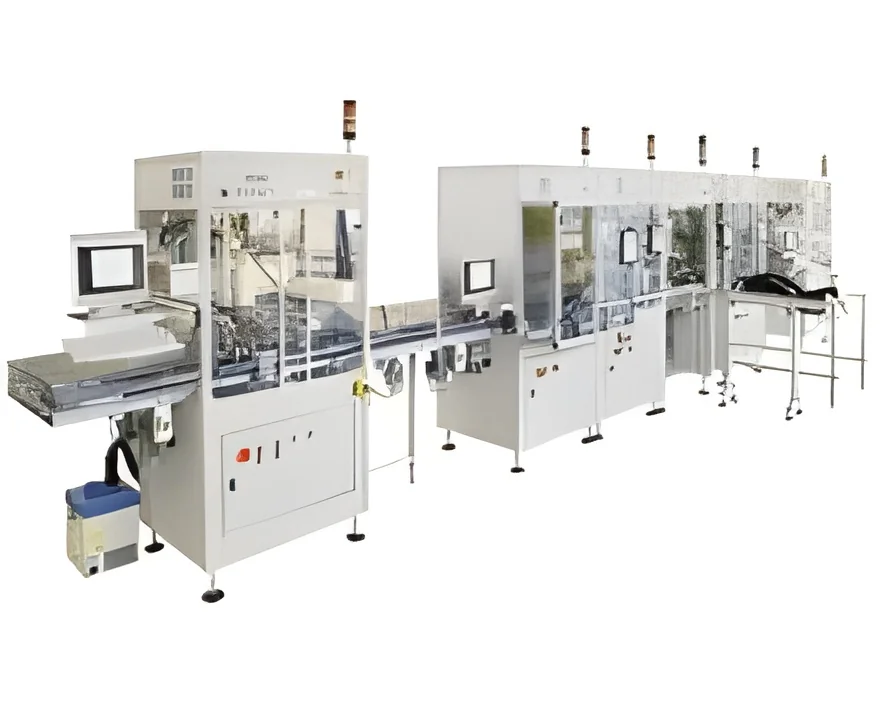
Automatic test rigs represent advanced testing systems engineered for rigorous evaluation of hydraulic components including cylinders, valves, pumps, and motors. These sophisticated systems perform essential testing procedures covering pressure verification, leakage detection, flow measurement, cyclic assessment, and fatigue analysis. Constructed with precision engineering and durable materials, these test rigs deliver accurate and reliable results while maintaining compliance with relevant industrial standards. They serve as ideal solutions for manufacturers requiring thorough component performance validation, enhanced product reliability, and adherence to stringent quality requirements across various industrial applications.

These testing systems find extensive application across multiple industrial sectors including automotive manufacturing, aerospace engineering, construction equipment production, heavy machinery fabrication, and industrial automation. In automotive manufacturing,...
Automatic test rigs represent advanced testing systems engineered for rigorous evaluation of hydraulic components including cylinders, valves, pumps, and motors. These sophisticated systems perform essential testing procedures covering pressure verification, leakage detection, flow measurement, cyclic assessment, and fatigue analysis. Constructed with precision engineering and durable materials, these test rigs deliver accurate and reliable results while maintaining compliance with relevant industrial standards. They serve as ideal solutions for manufacturers requiring thorough component performance validation, enhanced product reliability, and adherence to stringent quality requirements across various industrial applications.

These testing systems find extensive application across multiple industrial sectors including automotive manufacturing, aerospace engineering, construction equipment production, heavy machinery fabrication, and industrial automation. In automotive manufacturing, they validate hydraulic braking systems and transmission components. Aerospace applications involve testing safety-critical valves and actuators for aircraft systems. Construction equipment manufacturers utilize these rigs to verify the durability of hydraulic cylinders in excavators, cranes, and heavy lifting equipment. The industrial automation sector employs them for precision component validation in manufacturing processes, while their adaptability makes them suitable for both high-volume production environments and specialized research laboratories.

Automatic test rigs deliver substantial business value through improved operational productivity, reduced component failure rates, and ensured compliance with international quality standards. Their proven reliability minimizes operational downtime and maintenance expenses, while robust construction ensures long-term performance stability. These systems help businesses establish trust with clients through consistent quality assurance, enhancing brand reputation and customer satisfaction levels. As long-term investments, they support operational efficiency and provide competitive advantages in global markets by ensuring product reliability and performance consistency across all tested hydraulic components.

Key Features:
- Precision testing capabilities for pressure, leakage, and flow parameters
- Customizable configurations accommodating different component sizes
- Comprehensive cyclic and fatigue testing for durability assessment
- Full compliance with industrial standards for quality assurance
- Robust construction utilizing quality materials for long-term reliability

Benefits:
- Enhanced product reliability through comprehensive testing protocols
- Reduced failure rates and associated warranty claims
- Improved operational efficiency with automated testing processes
- Consistent quality assurance meeting international standards
- Long-term cost savings through durable construction and reliability
Specifications
| Additional Information | |
|---|---|
| Country of Origin | India |
| Customisable | No |
Application
Automatic test rigs provide essential quality assurance for hydraulic component manufacturing, performing critical tests on cylinders, valves, pumps, and motors to ensure performance, safety, and industrial standard compliance. These systems serve automotive, aerospace, construction, and heavy machinery sectors with precision testing that maintains high product quality while reducing failure rates across production environments.
Customizable test rigs adapt to various component sizes and testing requirements, supporting cyclic, fatigue, pressure, leakage, and flow tests for comprehensive hydraulic system validation. Industries depend on these systems for both production line checks and research applications, ensuring every component meets strict operational criteria before deployment in demanding industrial settings.
- Pressure testing hydraulic cylinders for construction equipment manufacturing
- Leakage detection for valves in oil and gas pipeline systems
- Flow rate verification for pumps in water treatment facilities
- Fatigue testing for motor components in automotive assembly operations
- Quality validation for precision hydraulic parts in aerospace engineering
Trade Details
| Available Stock | In Stock |
| Sample Availability | No |
Payment Terms
| Payment Terms |
|
Company Profile
ARMS AUTOMATION, Karnataka
 Karnataka, India
Karnataka, IndiaIndustrial Equipment & Machinery•Manufacturer•Distributor / Wholesaler
Factory Details
Factory SizeBelow 1000 sqm
Annual Production Capacity0
Automatic Test Rigs For Hydraulic Cylinders Valves Pumps Motors
Automatic test rigs for hydraulic cylinders, valves, pumps, and motors deliver precision pressure, leakage, flow, and fatigue testing with reliable solutions for industrial quality control and performance validation.
Min. Order Quantity: 1 unit
Shipping
Shipping fee and delivery date to be negotiated. Contact supplier now for more details.
ARMS AUTOMATION
 Karnataka, India
Karnataka, IndiaIndustrial Equipment & MachineryManufacturer