IN
IN₹
Description
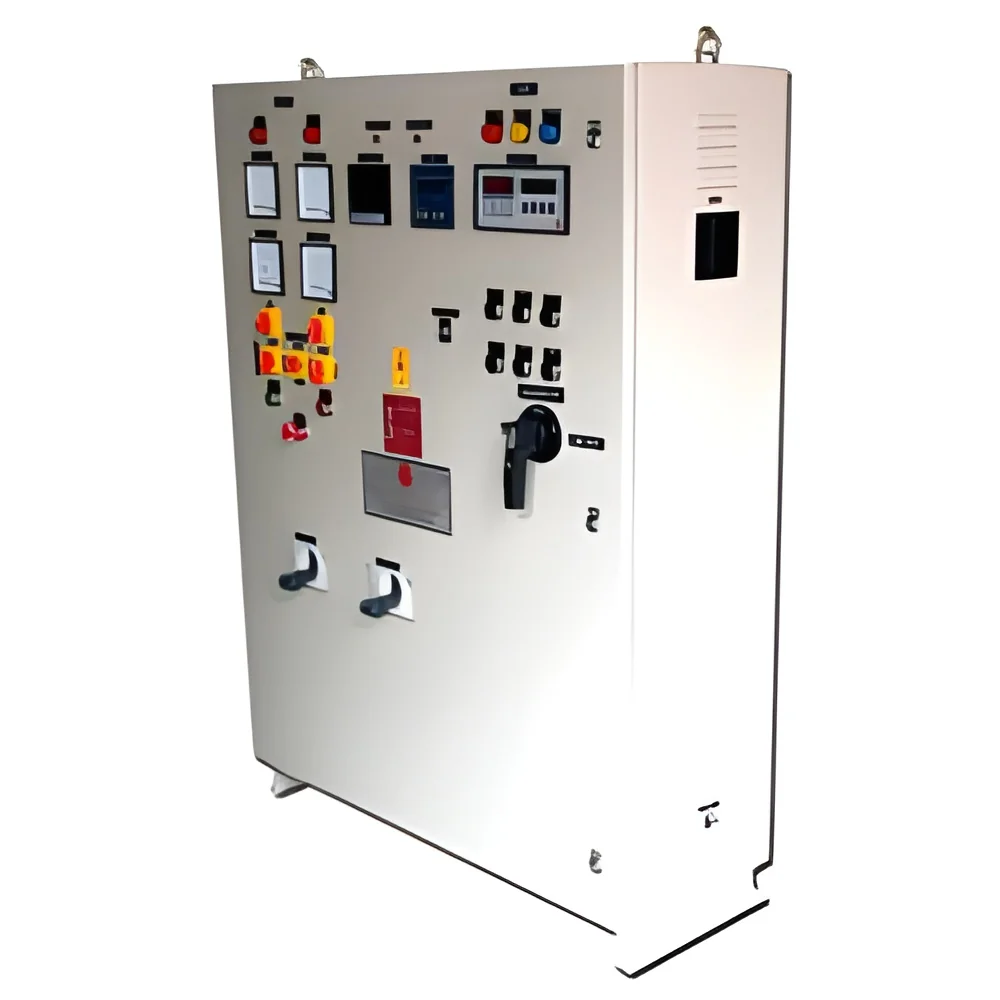
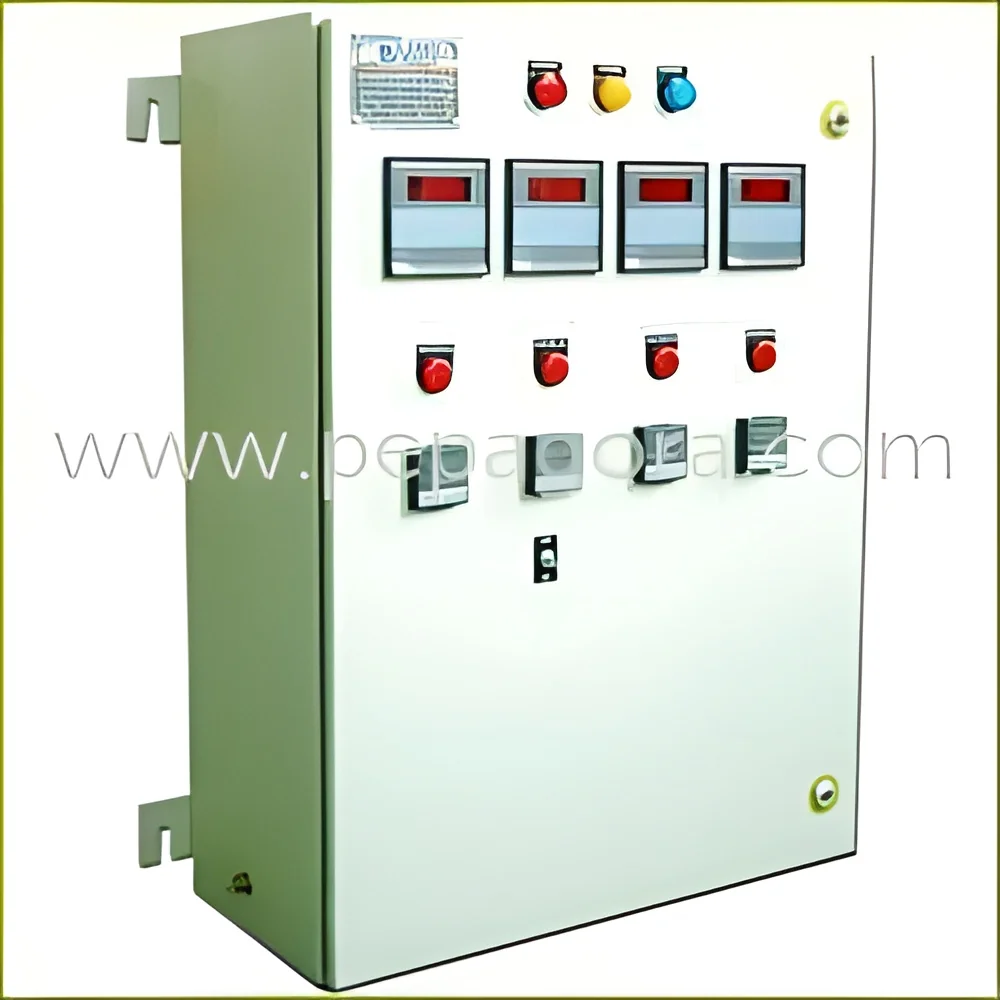
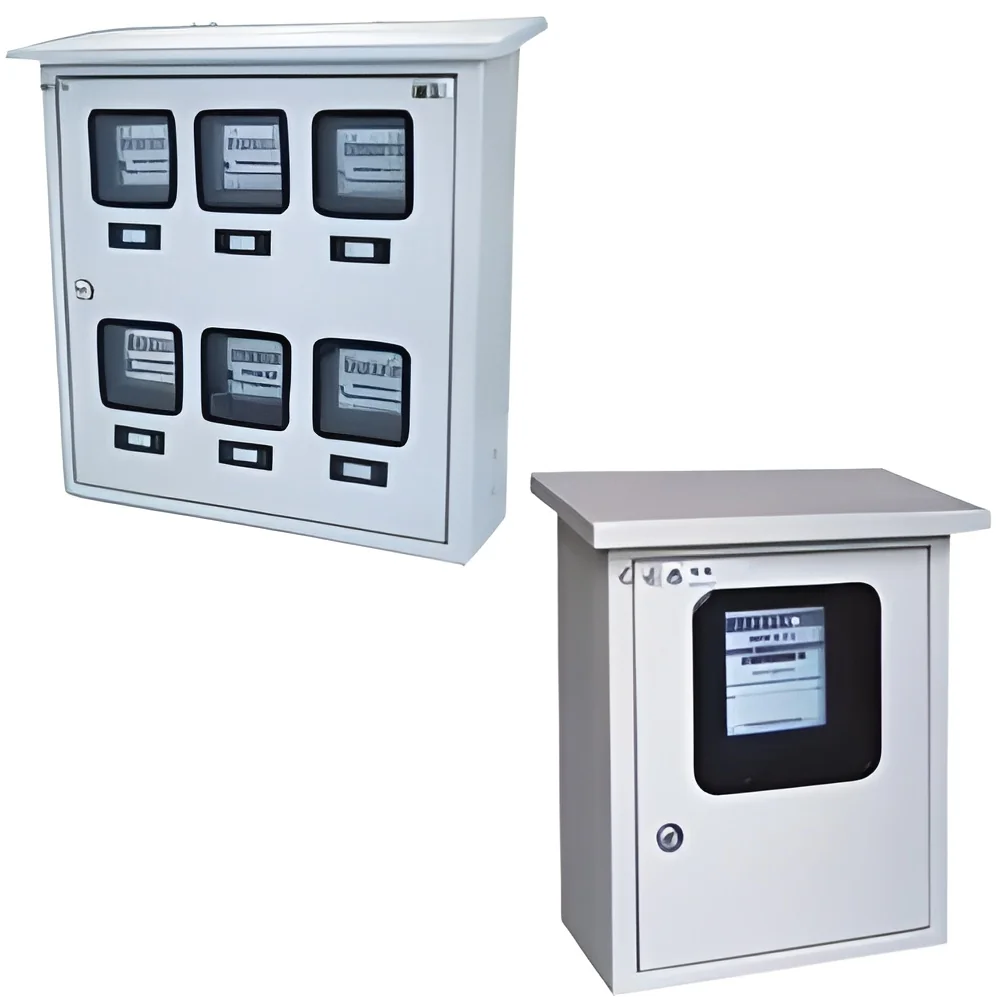
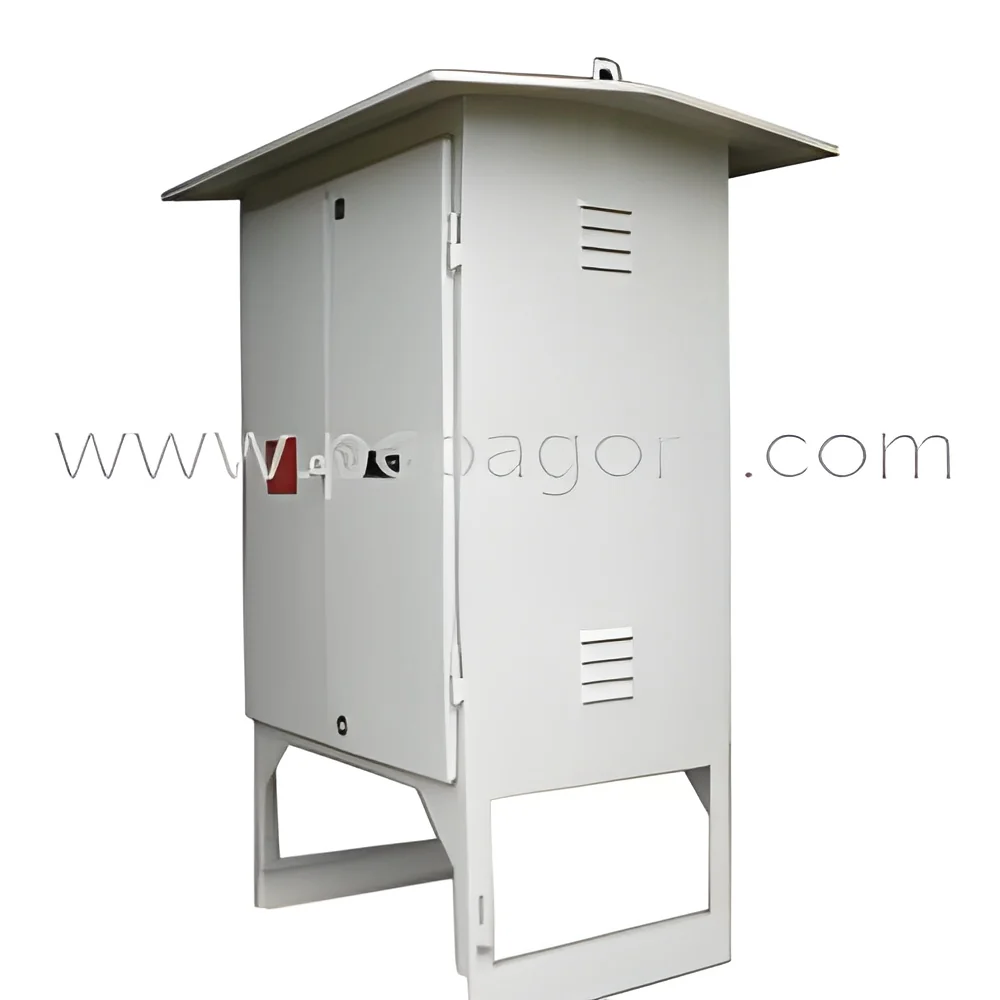
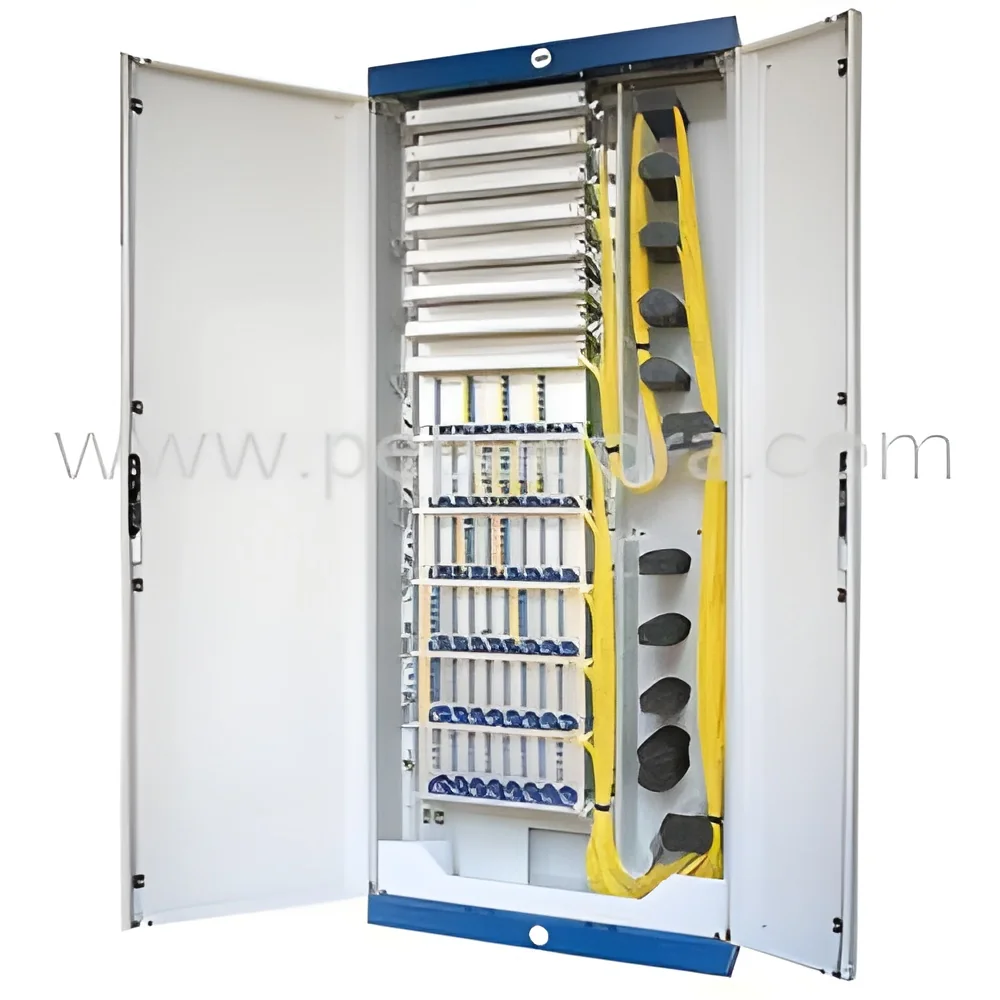
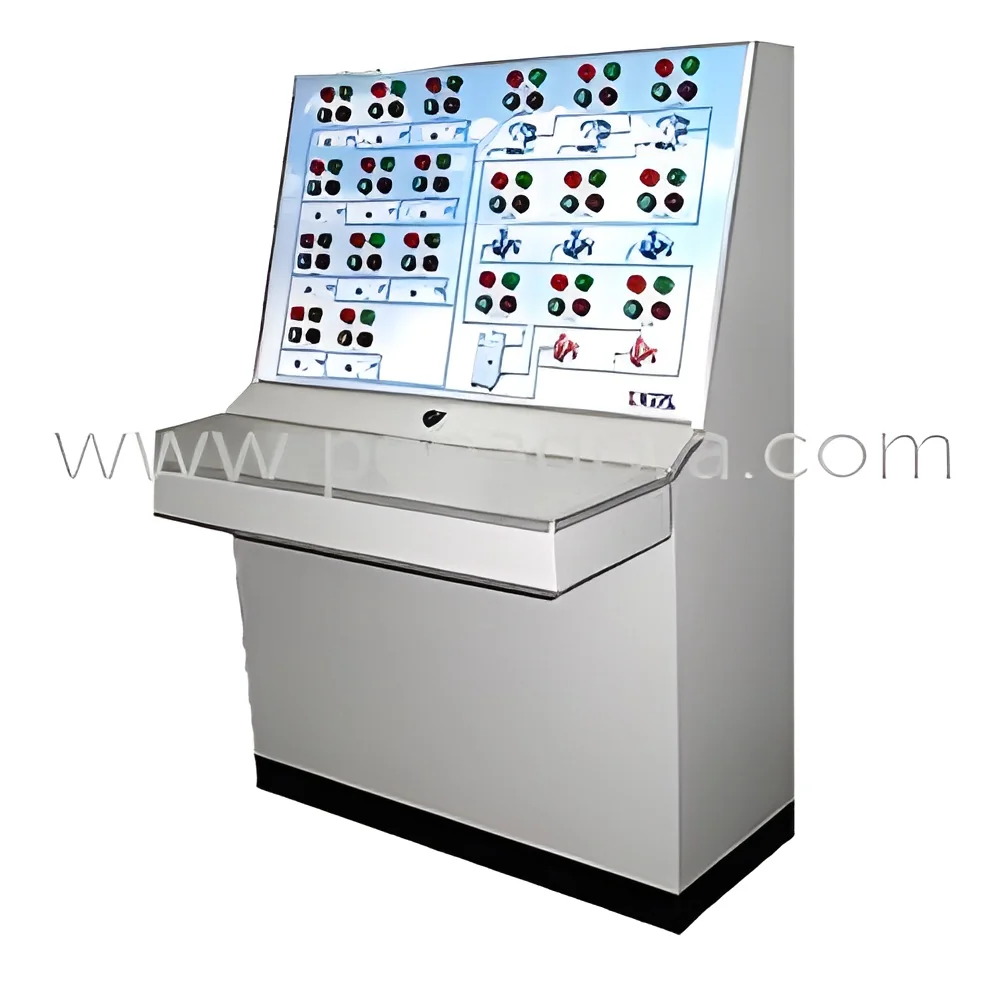
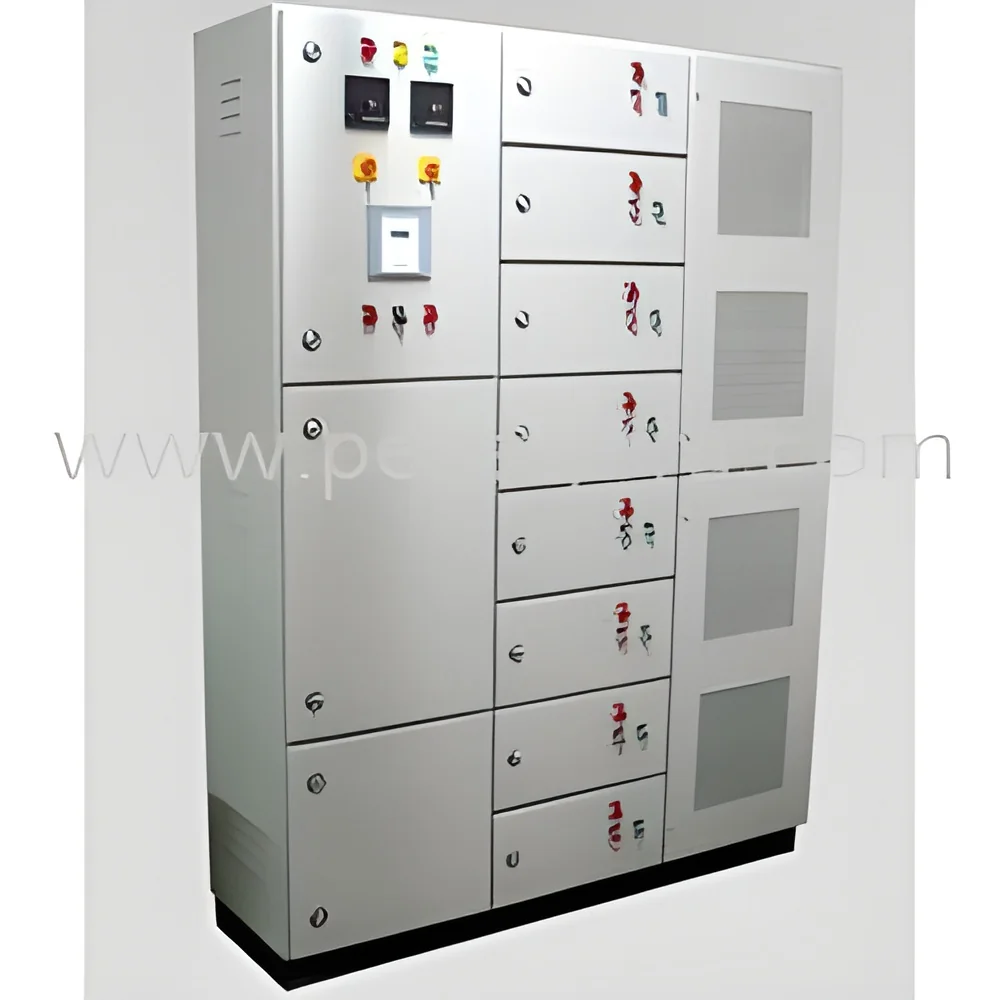
The Industrial Automatic Power Factor Control Panel is a precision-engineered electrical system designed to optimize energy consumption and reduce costs by automatically maintaining power factor close to unity. It continuously monitors the electrical load in real-time and intelligently switches capacitor banks to compensate for reactive power, ensuring highly efficient operation without manual oversight. By improving the power factor, the system reduces the apparent power demand drawn from the utility grid, which directly lowers electricity bills and prevents costly penalties imposed for poor power factor. Engineered for stability and responsiveness, it handles rapidly changing industrial loads while delivering consistent performance, making it an indispensable component for any facility with substantial electrical infrastructure and a focus on operational efficiency.

These control panels serve a wide range of industries where electrical efficiency is synonymous with cost control and ...
The Industrial Automatic Power Factor Control Panel is a precision-engineered electrical system designed to optimize energy consumption and reduce costs by automatically maintaining power factor close to unity. It continuously monitors the electrical load in real-time and intelligently switches capacitor banks to compensate for reactive power, ensuring highly efficient operation without manual oversight. By improving the power factor, the system reduces the apparent power demand drawn from the utility grid, which directly lowers electricity bills and prevents costly penalties imposed for poor power factor. Engineered for stability and responsiveness, it handles rapidly changing industrial loads while delivering consistent performance, making it an indispensable component for any facility with substantial electrical infrastructure and a focus on operational efficiency.

These control panels serve a wide range of industries where electrical efficiency is synonymous with cost control and operational reliability. In manufacturing, they are deployed to optimize the performance of induction motors, welding machines, compressors, and conveyor systems. Commercial real estate utilizes them to manage the reactive power from centralized HVAC, elevators, and extensive lighting circuits. Their role is equally critical in specialized sectors: healthcare facilities rely on them for stable power to MRI machines and surgical suites, data centers implement them to improve the efficiency of server racks and cooling systems, and public infrastructure like water treatment plants use them to ensure pumps and processing equipment run optimally. Essentially, any operation with significant inductive electrical loads benefits from automated, precise power factor correction.

The business value of implementing this Automatic Power Factor Control Panel extends far beyond simple monthly energy savings to encompass long-term financial and operational advantages. Facilities typically achieve a full return on investment within 12 to 24 months through a combination of reduced electricity bills and the complete elimination of utility penalty charges. The system enhances the lifespan and reliability of connected electrical equipment by reducing thermal stress on components, minimizing harmful voltage drops, and improving overall voltage stability. Constructed with robustness in mind, it features advanced protective mechanisms and requires minimal maintenance, ensuring uninterrupted operation. Its design prioritizes seamless integration with existing electrical setups, offering a reliable, set-and-forget solution that delivers continuous value through enhanced energy efficiency and protected infrastructure.

Key Features:
- Continuous real-time monitoring and automatic correction of power factor to maintain optimal efficiency.
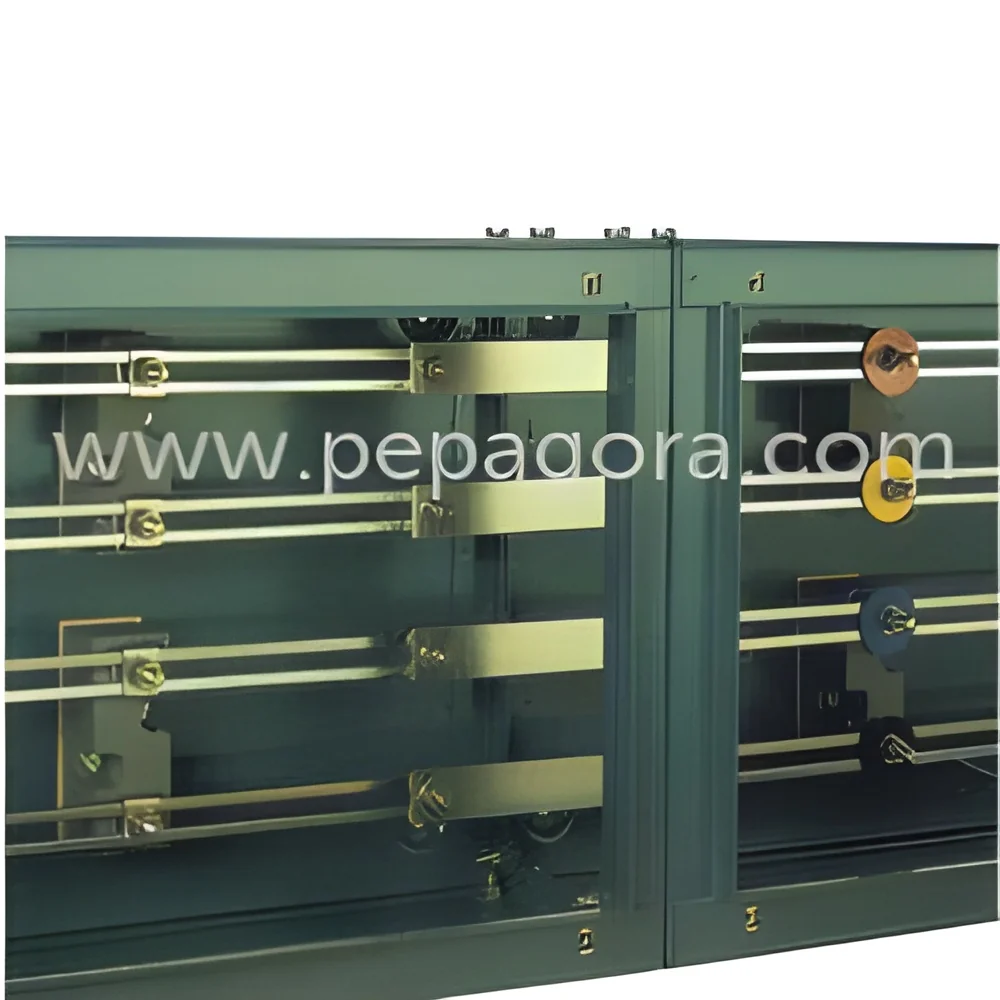
- Multiple capacitor switching stages with independent fusing for precise, granular control over compensation.
- Integrated protective devices against overvoltage, overload, and short circuits to safeguard the panel and connected equipment.
- Durable, rust-resistant construction with a high-quality finish for reliable performance in industrial environments.
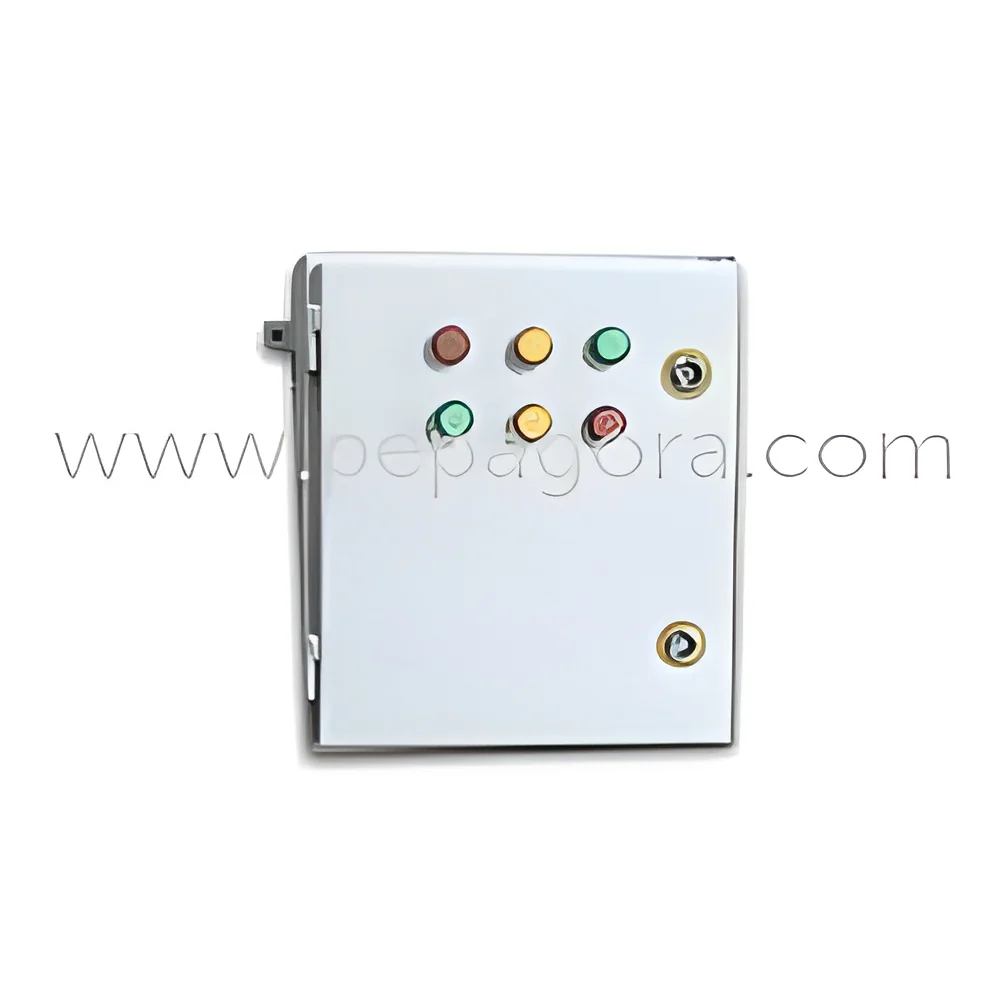
- User-friendly interface featuring clear digital meters, status indicators, and manual override controls for operational flexibility.

Benefits:
- Significantly reduces electricity bills by lowering apparent power demand and eliminating utility penalties for poor power factor.
- Protects valuable machinery and electrical equipment from damage caused by reactive power, extending asset lifespan.
- Delivers a fast return on investment, typically within 12-24 months, through direct energy cost savings.
- Ensures compliance with utility company power factor requirements, avoiding regulatory fines and charges.
- Provides reliable, automated operation with minimal maintenance needs, reducing labor costs and operational downtime.
Specifications
| Additional Information | |
|---|---|
| Country of Origin | India |
Application
Our Industrial Automatic Power Factor Control Panel is engineered for environments with significant inductive loads where energy costs directly impact profitability. It automatically corrects power factor by switching capacitor banks in real-time, ensuring compliance with utility standards and preventing financial penalties without requiring manual intervention. This continuous monitoring and adjustment is vital for operations with fluctuating electrical demand.
These panels deliver critical protection for your electrical infrastructure while reducing operational expenses. They prevent equipment damage caused by poor power factor, extend machinery lifespan, and minimize energy losses across diverse sectors. The system's reliability makes it suitable for continuous operation in demanding industrial settings, from manufacturing floors to large-scale commercial complexes.
- Manufacturing plants operating heavy machinery, motors, and compressors to avoid power factor penalties and reduce energy bills.
- Large commercial buildings with extensive HVAC systems, elevator banks, and lighting networks to optimize electricity consumption.
- Hospitals and healthcare facilities to ensure stable, efficient power for critical medical imaging and life-support equipment.
- Data centers and server farms to improve overall power efficiency, enhance equipment reliability, and reduce cooling costs.
- Water treatment plants and pumping stations to optimize the performance of large motors and reduce overall electricity demand.
Trade Details
| Available Stock | In Stock |
| Sample Availability | No |
Payment Terms
| Payment Terms |
|
Company Profile
Power Brain Electrical Control, New Delhi
 New Delhi, India
New Delhi, IndiaManufacturer•Distributor / Wholesaler
Factory Details
Factory SizeBelow 1000 sqm
Annual Production Capacity0
Industrial Automatic Power Factor Control Panel For Energy Efficiency
Industrial Automatic Power Factor Control Panel maintains optimal power factor, eliminates utility penalties, and improves energy efficiency for facilities with heavy electrical loads like motors and machinery.
Min. Order Quantity: 1 unit
Shipping
Shipping fee and delivery date to be negotiated. Contact supplier now for more details.
Power Brain Electrical Control
 New Delhi, India
New Delhi, IndiaManufacturer