
 IN
INundefined
Similar Products

Description
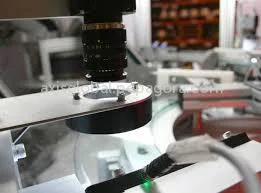
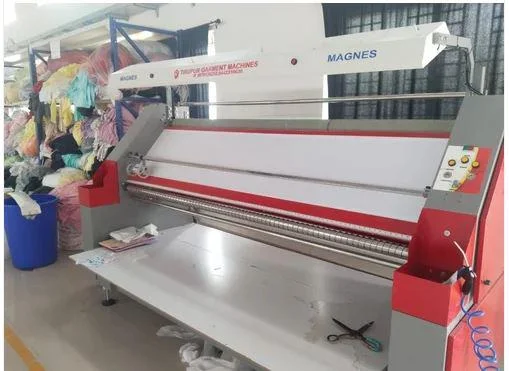
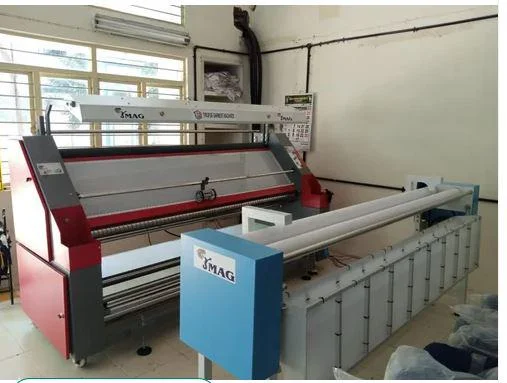
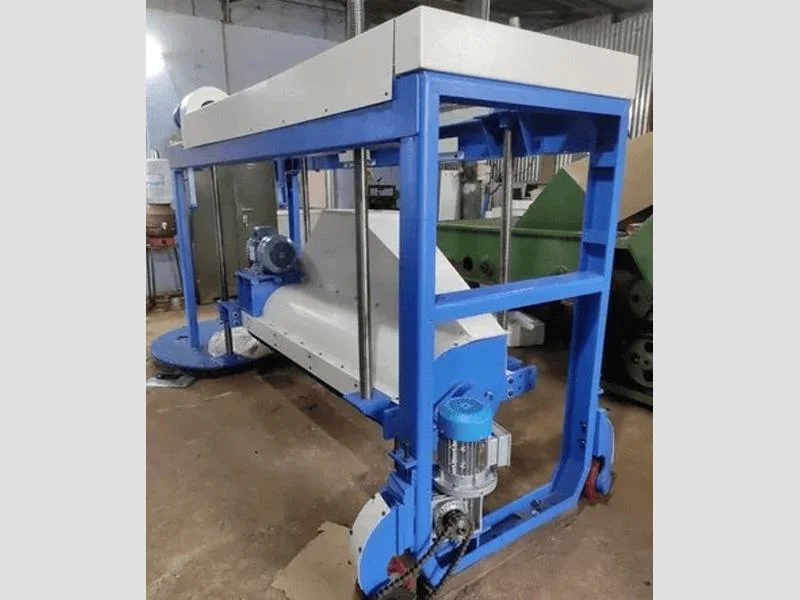
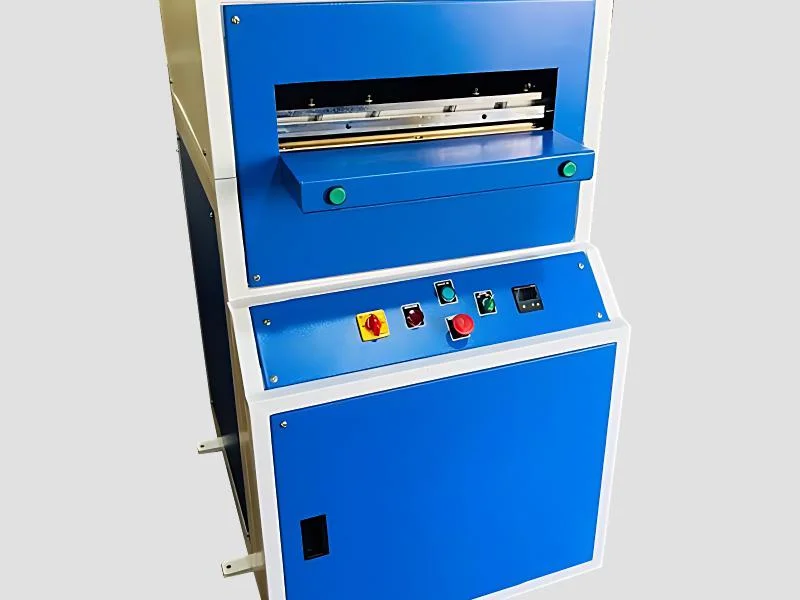
Automated Inspection Systems represent the forefront of quality control technology for apparel manufacturing industries. These electronic universal testing machines deliver superio...
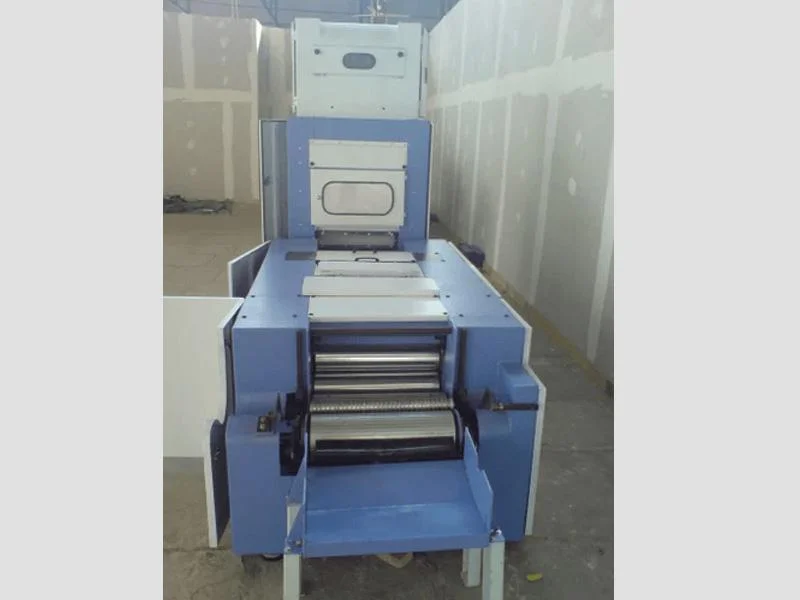
Automated Inspection Systems represent the forefront of quality control technology for apparel manufacturing industries. These electronic universal testing machines deliver superior defect detection with precision and consistency that exceeds manual inspection capabilities. Engineered with customized dimensions to fit specific production environments, these systems offer extended working life and reliable performance that delivers substantial returns through quality improvement. The durable construction ensures long-term operation while electronic power enables seamless integration into modern manufacturing setups, making them indispensable for businesses committed to delivering flawless products consistently.

The apparel manufacturing sector achieves significant quality improvements through these industrial applications, particularly benefiting export houses, garment factories, and textile mills serving international brands with strict quality requirements. Manufacturers implementing these systems gain competitive advantage through consistent product quality that meets global standards. The universal testing capability proves invaluable across diverse garment categories including denim, knitwear, formal attire, and activewear. Industries handling technical textiles, automotive upholstery, and home furnishings also utilize these automated solutions for comprehensive quality assurance throughout their manufacturing processes.

Business value extends beyond defect detection to include substantial cost savings through reduced product returns, minimized material waste, and optimized workforce allocation. The reliability of these automated systems ensures consistent quality output that enhances brand reputation and builds customer trust. Customization options enable businesses to tailor inspection parameters to specific product requirements, while the electronic power system ensures energy efficiency and minimal maintenance needs. The negotiable pricing structure makes advanced quality control accessible to businesses of various scales, providing a clear pathway to improved operational excellence and market competitiveness.

Key Features:
- Electronic power system ensuring consistent and reliable operation
- Customized dimensions designed for specific production facility requirements
- Universal testing machine capability handling diverse apparel applications
- Extended working life with minimal maintenance requirements
- Premium quality components enabling precise defect detection

Benefits:
- Enhanced product quality through consistent electronic inspection
- Reduced operational costs via automated defect detection
- Improved production efficiency with real-time quality monitoring
- Increased customer satisfaction through reliable product quality
- Competitive market advantage meeting international quality standards
Specifications
| productDetailPage.specification.attribute | productDetailPage.specification.value |
|---|---|
| Material | |
| Application | |
| Certificate | |
| Dimension | |
| Type | |
| Use | |
| Weight | |
| Type | Automated Inspection Systems |
| Quality | Best |
| Shelf Life | Long |
| Price | Negotiable |
| Working Life | Long |
| Power | Electronic |
| Delivery | On Time Delivery |
| Application | Industrial Applications |
| Dimension | Customized |
| Usage | Universal Testing Machine |
| Material | |
| Application | |
| Certificate | |
| Dimension | |
| Type | |
| Use | |
| Weight | |
| Type | Automated Inspection Systems |
| Quality | Best |
| Shelf Life | Long |
| Price | Negotiable |
| Working Life | Long |
| Power | Electronic |
| Delivery | On Time Delivery |
| Application | Industrial Applications |
| Dimension | Customized |
| Usage | Universal Testing Machine |
| Additional Information | |
|---|---|
| Country of Origin | 106 |
| Customisable | No |
Application
Automated Inspection Systems transform apparel manufacturing quality control through electronic precision testing. These universal testing machines seamlessly integrate into production lines, detecting stitching defects, fabric flaws, and dimensional inaccuracies with unmatched consistency. Their customized dimensions ensure perfect compatibility with any facility layout while delivering reliable performance across high-volume operations.

Industrial applications extend throughout the textile manufacturing chain, from fabric mills to finished garment production. The systems provide comprehensive quality assurance that meets international standards, making them essential for businesses supplying global markets. With negotiable pricing and long working life, these solutions offer accessible automation for manufacturers seeking to enhance quality control without compromising reliability or precision.
- Automated detection of stitching defects in woven and knitted garments
- Fabric flaw identification including holes, stains, and weaving irregularities
- Dimensional accuracy verification for consistent sizing across production batches
- Quality control implementation for export-oriented manufacturing facilities
- Real-time inspection integration in high-speed apparel production lines
Trade Details
| Available Stock | In stock |
| Sample Availability | No |
Payment Terms
| Payment Terms |
|
Company Profile

Axis Global Automation, Tamil Nadu Tamil Nadu, India
Tamil Nadu, IndiaElectronics & Electrical•Manufacturer
Factory Details
Factory SizeBelow 1000 sqm
Annual Production Capacity0
Apparel Manufacturing Automated Inspection Systems Electronic Universal Testing
Apparel Manufacturing Automated Inspection Systems deliver electronic universal testing for flawless quality control. These reliable systems feature long working life, precise defect detection, and customized solutions for industrial applications with guaranteed on-time delivery.
Min. Order Quantity: 1 Pieces
Shipping
Shipping fee and delivery date to be negotiated. Contact supplier now for more details.
Axis Global Automation
 Tamil Nadu, India
Tamil Nadu, IndiaElectronics & ElectricalManufacturer