IN
IN₹
Apparel & Fashion
Description
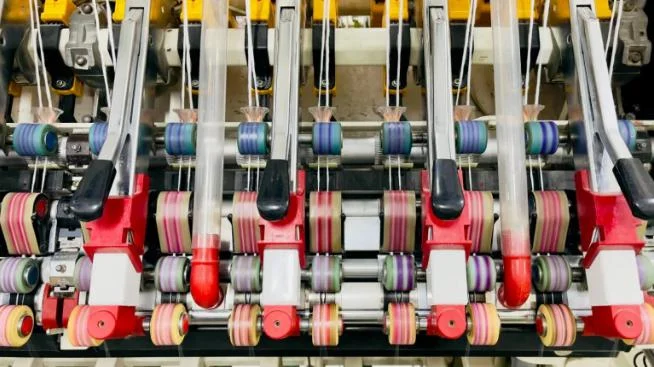
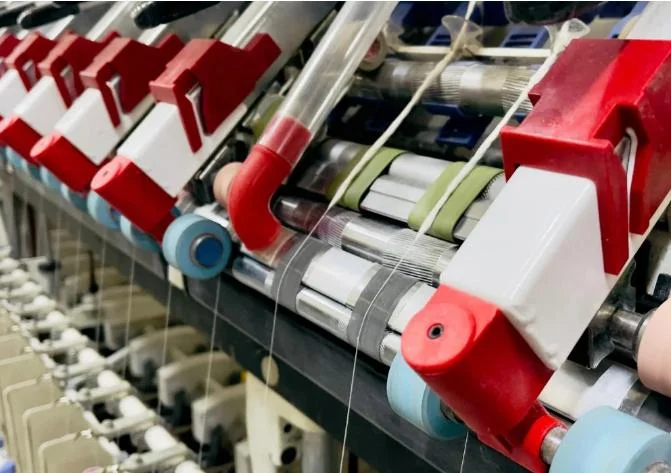
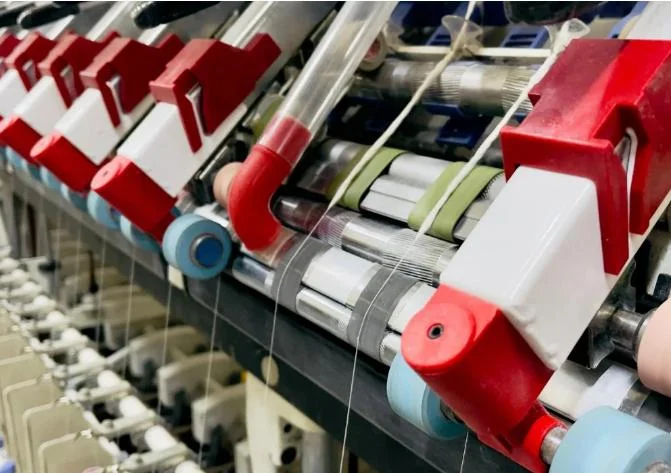
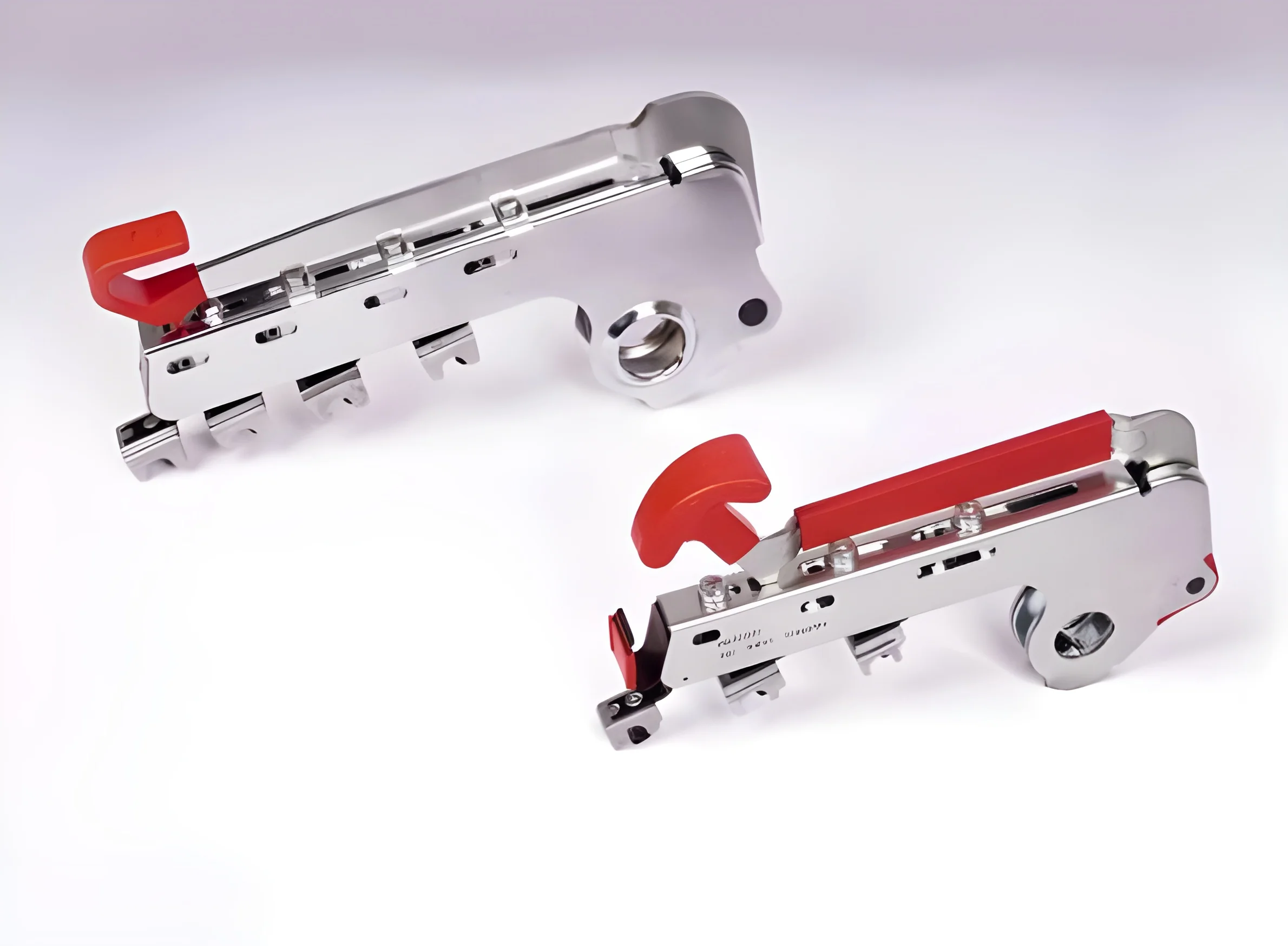
The Ariser Spring-Loaded Top Arm represents a significant advancement in spinning technology, replacing traditional pneumatic systems with a durable leaf spring mechanism that ensures consistent load distribution across all spindles. Available in three specialized models - MG 1010 for standard ring spinning, MG 1010C for compact yarn production, and MG 2010 for simplex spinning applications - these top arms address the core challenge of maintaining uniform pressure during the drafting process. The innovative design eliminates the pressure variations common in conventional systems, resulting in lower DR values, reduced yarn imperfections, and superior fiber control. This mechanical precision translates directly to improved yarn evenness, strength, and quality consistency that meets international standards for textile production.

Textile manufacturers across multiple segments utilize these top arms to enhance their spinning operations. Cotton spinning mills benefit from the improved fib...
The Ariser Spring-Loaded Top Arm represents a significant advancement in spinning technology, replacing traditional pneumatic systems with a durable leaf spring mechanism that ensures consistent load distribution across all spindles. Available in three specialized models - MG 1010 for standard ring spinning, MG 1010C for compact yarn production, and MG 2010 for simplex spinning applications - these top arms address the core challenge of maintaining uniform pressure during the drafting process. The innovative design eliminates the pressure variations common in conventional systems, resulting in lower DR values, reduced yarn imperfections, and superior fiber control. This mechanical precision translates directly to improved yarn evenness, strength, and quality consistency that meets international standards for textile production.

Textile manufacturers across multiple segments utilize these top arms to enhance their spinning operations. Cotton spinning mills benefit from the improved fiber control that reduces neps and thick-thin places in the yarn. Synthetic fiber producers appreciate the consistent performance with materials like polyester and viscose that have different elongation characteristics. Blended yarn manufacturers find particular value in the uniform pressure maintenance when processing mixed fibers with varying properties. The MG 1010C model specifically serves mills producing compact yarns for premium fabrics where reduced hairiness and improved strength are critical quality parameters. The MG 2010 variant supports roving frame operations in both ring and open-end spinning systems, ensuring proper preparation of material for subsequent processing stages.

The business value of implementing Ariser Spring-Loaded Top Arms extends beyond immediate quality improvements to substantial operational benefits. The energy-efficient design reduces power consumption compared to pneumatic systems, contributing to lower production costs and supporting sustainability initiatives. The mechanical spring mechanism requires minimal maintenance and eliminates issues with air leaks or pressure fluctuations that plague pneumatic systems. This reliability translates to reduced downtime and consistent production output. The improved yarn quality reduces downstream processing issues in weaving and knitting operations, creating value across the entire textile production chain. Manufacturers can expect a rapid return on investment through improved efficiency, reduced waste, and higher-value end products that command better market prices.

Key Features:
- Leaf spring mechanism ensures uniform spindle load distribution without pressure fluctuations.
- Three specialized models: MG 1010 for non-compact ring spinning, MG 1010C for compact yarn, MG 2010 for simplex spinning.
- Compatible with all fiber types including cotton, synthetics, viscose, and blended materials.
- Reduces DR values for smoother drafting and fewer yarn imperfections.
- Robust construction designed for long-term reliability in demanding mill environments.

Benefits:
- Improves yarn evenness and strength through consistent fiber control during drafting.
- Reduces energy consumption compared to conventional pneumatic top arm systems.
- Lowers maintenance requirements and eliminates issues with air leaks or pressure drops.
- Enhances production efficiency by reducing yarn breakages and downtime.
- Supports production of higher-quality yarn that meets international standards for textile manufacturing.
Specifications
| Additional Information | |
|---|---|
| Country of Origin | 106 |
Application
The Ariser Spring-Loaded Top Arm series is engineered for precision in modern spinning operations. The MG 1010 model handles non-compact yarn production on ring frames, while the MG 1010C variant is specifically designed for compact yarn spinning processes. The MG 2010 model is tailored for simplex spinning applications on roving frames, ensuring consistent performance across different production stages. These top arms maintain optimal pressure across all spindles, which is critical for producing uniform yarn with minimal imperfections and breakages.
Manufacturers across the textile industry rely on these top arms for their compatibility with various fiber types including cotton, polyester, viscose, and blended materials. The spring-loaded mechanism provides consistent performance without the fluctuations common in pneumatic systems, making them suitable for high-speed spinning operations. Their robust construction ensures long-term reliability in demanding mill environments, reducing downtime and maintenance costs while supporting continuous production cycles.
- Ring frame spinning for producing high-quality non-compact yarns in cotton and synthetic fiber mills.
- Compact yarn manufacturing where precise fiber control and reduced hairiness are essential for premium fabrics.
- Simplex spinning processes on roving frames for preparing rovings with consistent twist and evenness.
- Blended fiber processing where maintaining uniform tension across different material characteristics is challenging.
- Energy-efficient spinning operations aiming to reduce power consumption while maintaining or improving yarn quality standards.
Trade Details
| Available Stock | In Stock |
| Sample Availability | No |
Payment Terms
| Payment Terms |
|
Company Profile
Ariser Engineering Pvt Ltd, Tamil Nadu
 Tamil Nadu, India
Tamil Nadu, IndiaIndustrial Equipment & Machinery•Manufacturer
Factory Details
Factory SizeBelow 1000 sqm
Ariser Spring Loaded Top Arm MG 1010/1010C/2010 For Ring & Simplex Spinning
Ariser Spring-Loaded Top Arm MG 1010/1010C/2010 delivers uniform spindle load via leaf spring mechanism for ring & simplex spinning, enhancing yarn quality, reducing DR values, and improving energy efficiency in textile manufacturing.
Min. Order Quantity: 1 Unit
Shipping
Shipping fee and delivery date to be negotiated. Contact supplier now for more details.
Ariser Engineering Pvt Ltd
 Tamil Nadu, India
Tamil Nadu, IndiaIndustrial Equipment & MachineryManufacturer