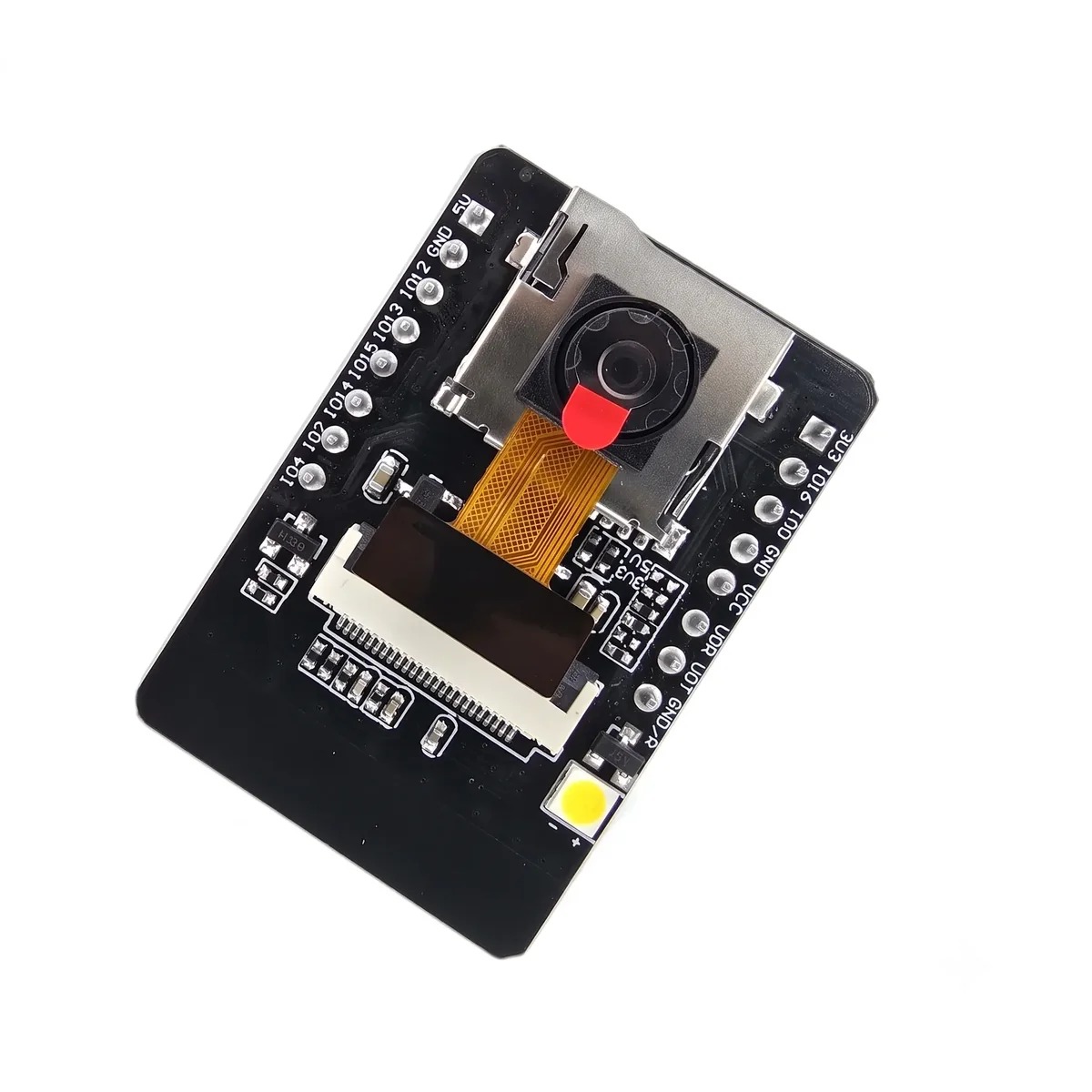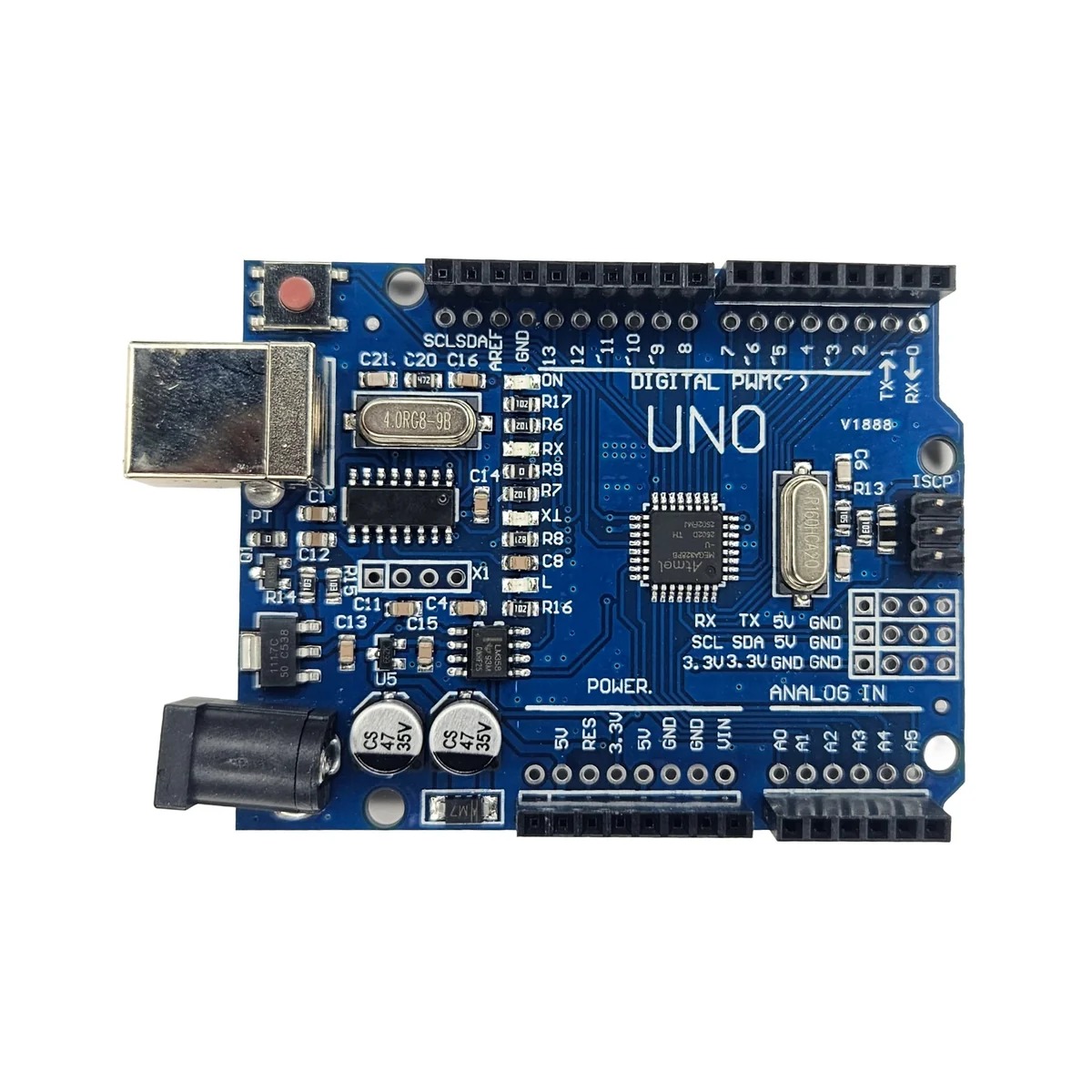
Educational STEM laboratories utilize this Arduino development board to teach students fundamental microcontroller programming, C/C++ coding, and electronic circuit design.
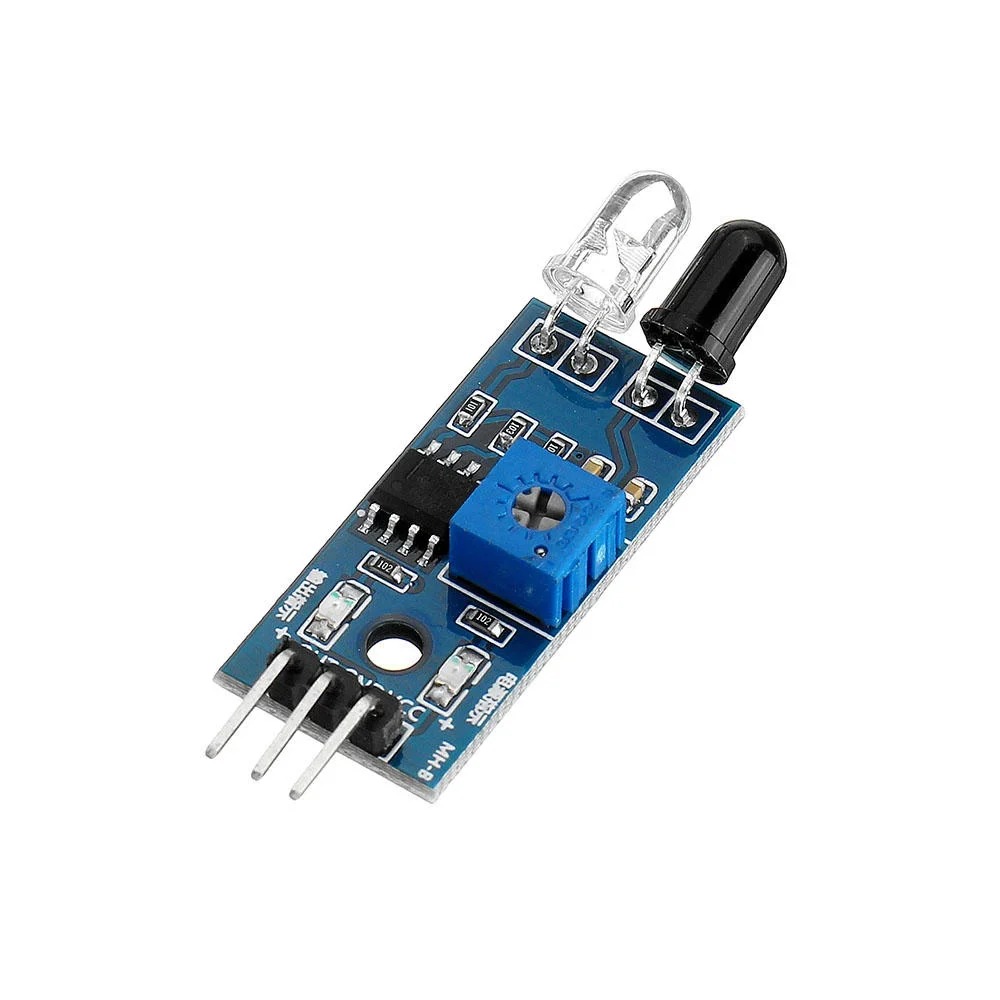
Home automation systems rely on the digital and analog I/O pins to monitor environmental sensors and control household appliances.
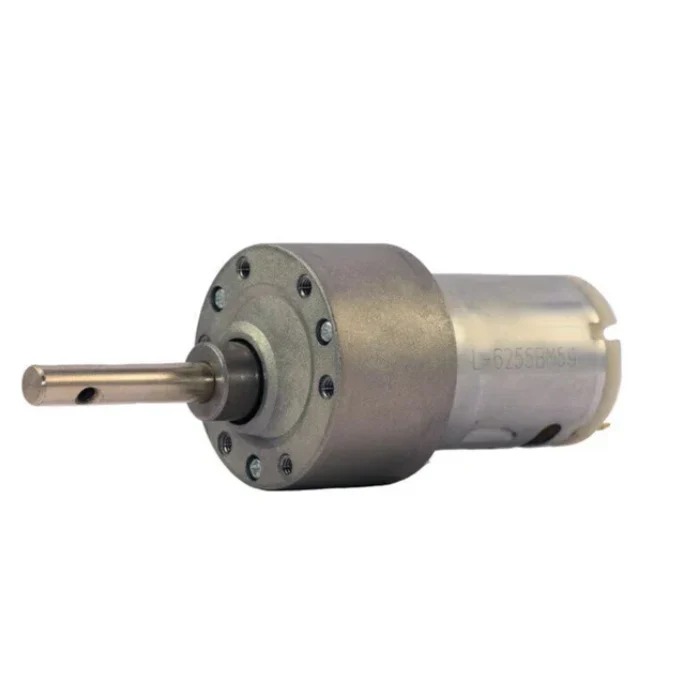
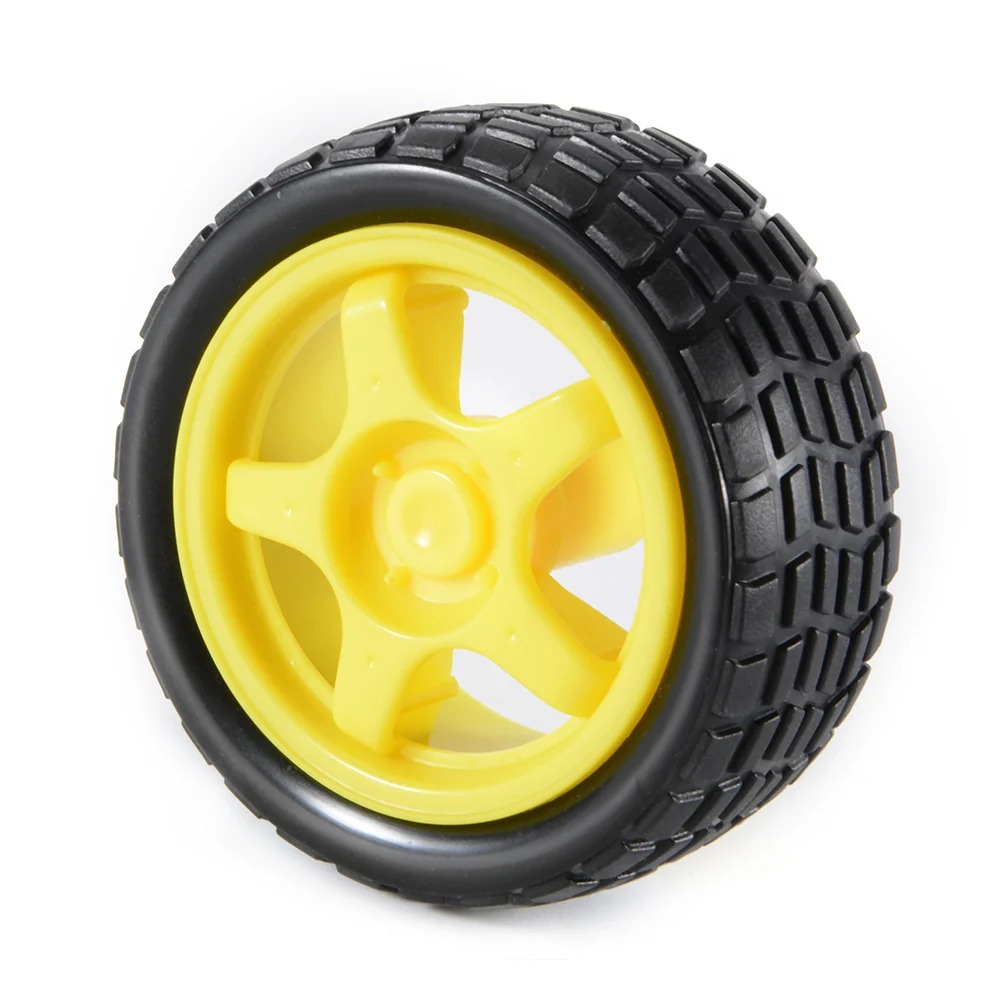
Robotics platforms deploy the board as the central processing unit to coordinate motor drivers, ultrasonic sensors, and navigation logic.
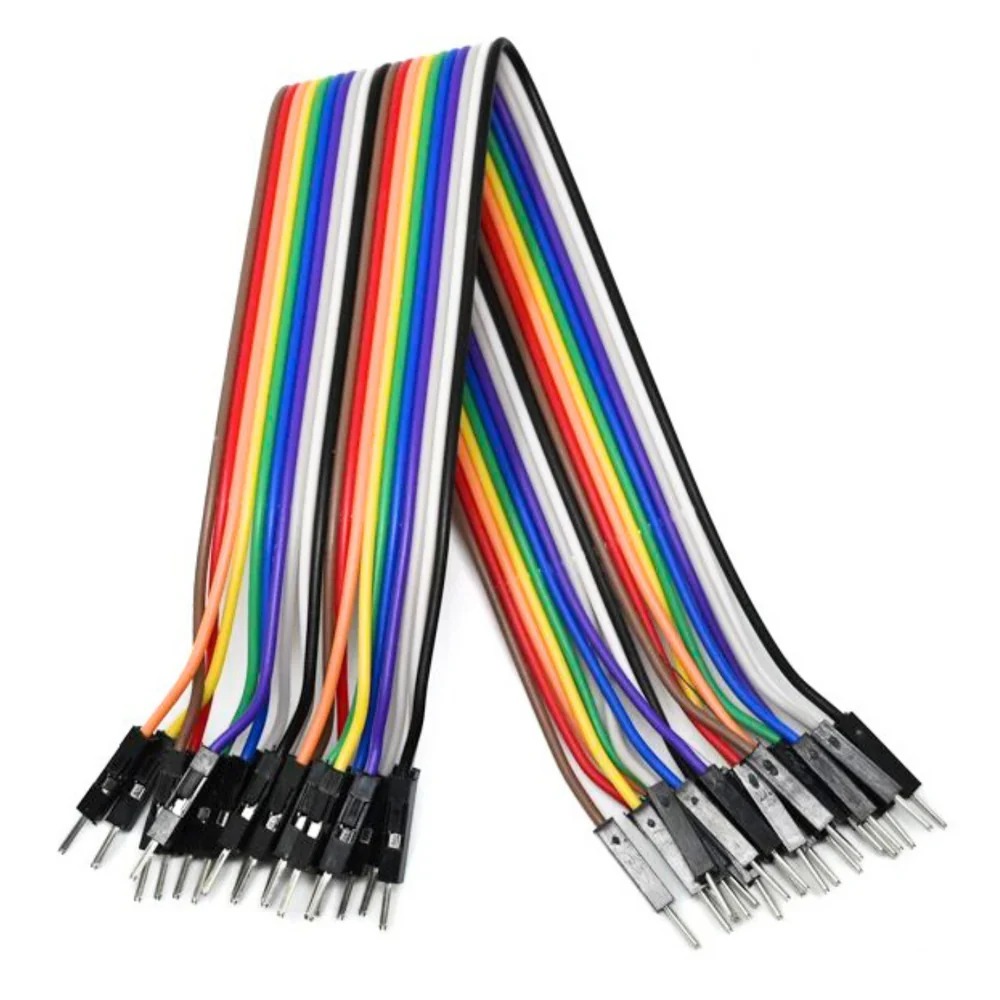
Prototyping workshops use the standardized shield headers to test custom electronic circuits and sensor arrays quickly.
Interactive art installations and museum exhibits incorporate the micro-controller to drive lights, sound modules, and mechanical actuators based on visitor input.