IN
IN₹
Apparel & Fashion
Description
Industrial APFC panels with harmonic filters represent advanced electrical control systems engineered to automatically manage power factor correction while simultaneously suppressing harmonic distortions in industrial and commercial power networks. These integrated solutions address two critical power quality challenges: reactive power consumption leading to low power factor and harmonic currents generated by non-linear loads including VFDs, rectifiers, and electronic equipment. By combining automatic power factor correction capacitors with precisely tuned harmonic filter circuits, these panels ensure facilities maintain optimal energy efficiency while protecting sensitive equipment from harmonic-related damage. The systems are manufactured to comply with international standards including IEEE-519, which specifies harmonic voltage and current distortion limits for electrical systems. Each panel undergoes rigorous engineering based on detailed power quality analysis to ensure precise al...
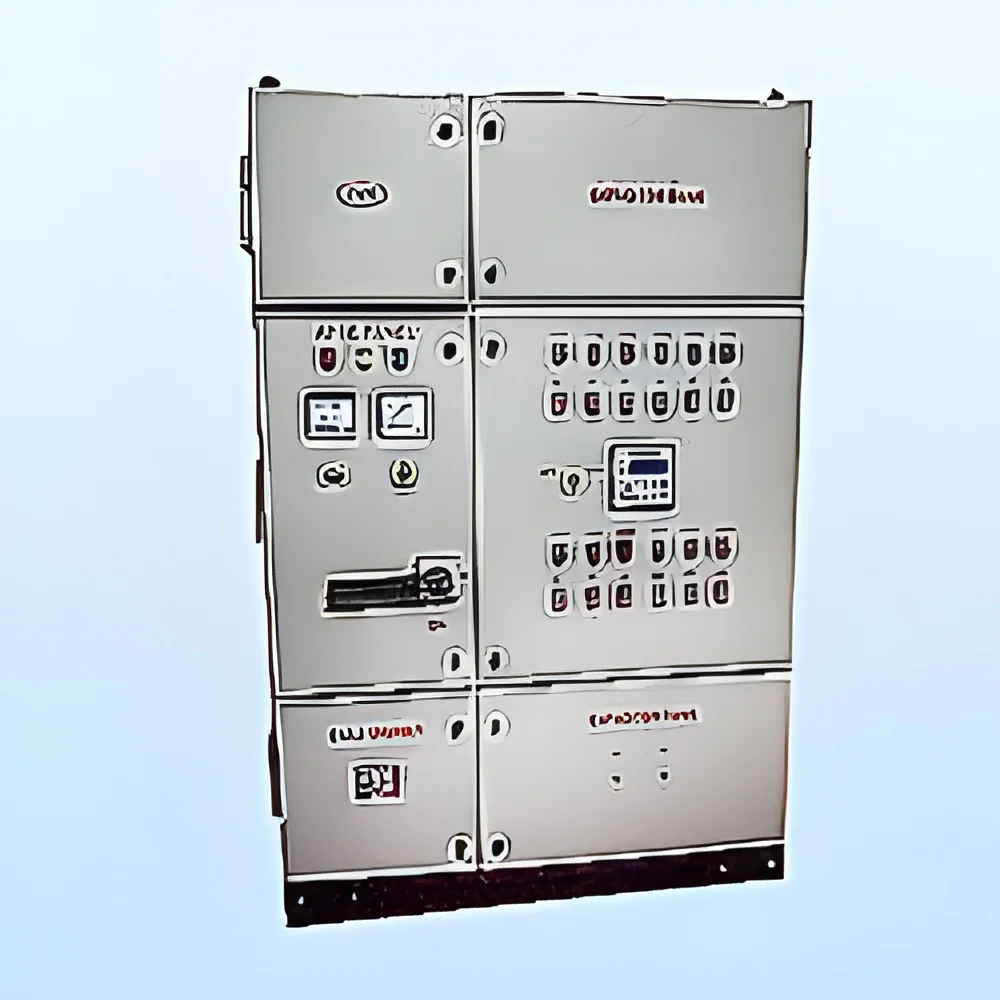
Industrial APFC panels with harmonic filters represent advanced electrical control systems engineered to automatically manage power factor correction while simultaneously suppressing harmonic distortions in industrial and commercial power networks. These integrated solutions address two critical power quality challenges: reactive power consumption leading to low power factor and harmonic currents generated by non-linear loads including VFDs, rectifiers, and electronic equipment. By combining automatic power factor correction capacitors with precisely tuned harmonic filter circuits, these panels ensure facilities maintain optimal energy efficiency while protecting sensitive equipment from harmonic-related damage. The systems are manufactured to comply with international standards including IEEE-519, which specifies harmonic voltage and current distortion limits for electrical systems. Each panel undergoes rigorous engineering based on detailed power quality analysis to ensure precise alignment with specific electrical characteristics and load profiles of the installation site.

These power quality management solutions serve indispensable roles across multiple industrial sectors where electrical efficiency and equipment protection are critical operational requirements. In manufacturing facilities, they safeguard production machinery, CNC equipment, and automated systems from harmonic-induced overheating and operational malfunctions. Commercial building operations utilize these panels to enhance the performance efficiency of HVAC systems, elevator operations, and lighting networks while significantly reducing electricity consumption costs. Data centers and technology facilities depend on these systems to ensure clean, stable power for sensitive server infrastructure and UPS systems. Healthcare institutions install these panels to protect medical imaging equipment and diagnostic machines from power quality disturbances. The broader industrial sector, encompassing metal processing, plastics manufacturing, and water treatment plants, relies on these panels to maintain process continuity and prevent costly operational downtime caused by power quality complications.

The operational value of APFC panels with harmonic filters extends beyond technical performance to deliver substantial operational and financial advantages. These systems provide dependable power quality management that reduces energy consumption through improved power factor, typically achieving 15-25% reduction in electricity expenses while avoiding utility penalties associated with poor power factor performance. They significantly enhance equipment reliability and operational lifespan by eliminating harmonic distortions that cause component overheating, insulation degradation, and premature equipment failure. The engineering precision ensures each solution is optimized for specific facility requirements, maximizing return on investment through tailored performance. With robust construction methodologies and comprehensive testing protocols including 3KV insulation verification and power factor relay calibration, these panels deliver long-term operational stability with minimal maintenance requirements, establishing them as strategic investments for facilities prioritizing power quality management and energy efficiency optimization.

Key Features:
- Integrated automatic power factor correction with harmonic filtering capabilities
- Custom-engineered designs based on detailed power quality analysis reports
- Compliance with IEEE-519 standards for harmonic voltage and current distortion
- Comprehensive testing protocol including 3KV insulation tests and relay verification
- Robust construction with quality components for reliable long-term operation

Benefits:
- Significant reduction in electricity costs through improved power factor efficiency
- Enhanced equipment protection and extended operational lifespan
- Prevention of utility penalties associated with poor power factor performance
- Improved system reliability with minimal maintenance requirements
- Optimized power quality ensuring stable operations across all connected equipment
Specifications
| Additional Information | |
|---|---|
| Country of Origin | India |
Application
APFC panels with harmonic filters are essential for industries with heavy motor loads and non-linear equipment that cause poor power factor and harmonic distortion. These panels automatically adjust capacitor banks to maintain optimal power factor while filtering out harmful harmonics that disrupt sensitive equipment and increase energy consumption. They are engineered solutions for facilities requiring stable, efficient, and clean power supply.
These systems are critical for manufacturing plants, data centers, hospitals, and commercial buildings where power quality directly impacts operational continuity and equipment lifespan. By mitigating harmonic pollution and improving power factor, these panels help businesses avoid utility penalties, reduce energy bills, and enhance the reliability of electrical systems. They are designed to meet IEEE-519 standards and are tailored to specific site conditions.
- Manufacturing plants with variable frequency drives, CNC machines, and large induction motors that generate harmonics and cause lagging power factor.
- Data centers and IT facilities requiring clean, stable power to protect servers, UPS systems, and networking equipment from voltage distortions.
- Hospital environments where medical imaging equipment, MRI machines, and sensitive diagnostic tools need interference-free power supply.
- Commercial buildings with elevators, HVAC systems, and lighting loads that contribute to poor power factor and increased electricity costs.
- Industrial complexes with welding machines, arc furnaces, and heavy machinery that introduce harmonic currents into the power system.
Trade Details
| Available Stock | In Stock |
| Sample Availability | No |
Payment Terms
| Payment Terms |
|
Company Profile

EVR Electricals (Pvt) Limited, Tamil Nadu
 Tamil Nadu, India
Tamil Nadu, IndiaIndustrial Equipment & Machinery•Manufacturer•Distributor / Wholesaler•Importer / Exporter
Factory Details
Factory SizeBelow 1000 sqm
Annual Production Capacity0
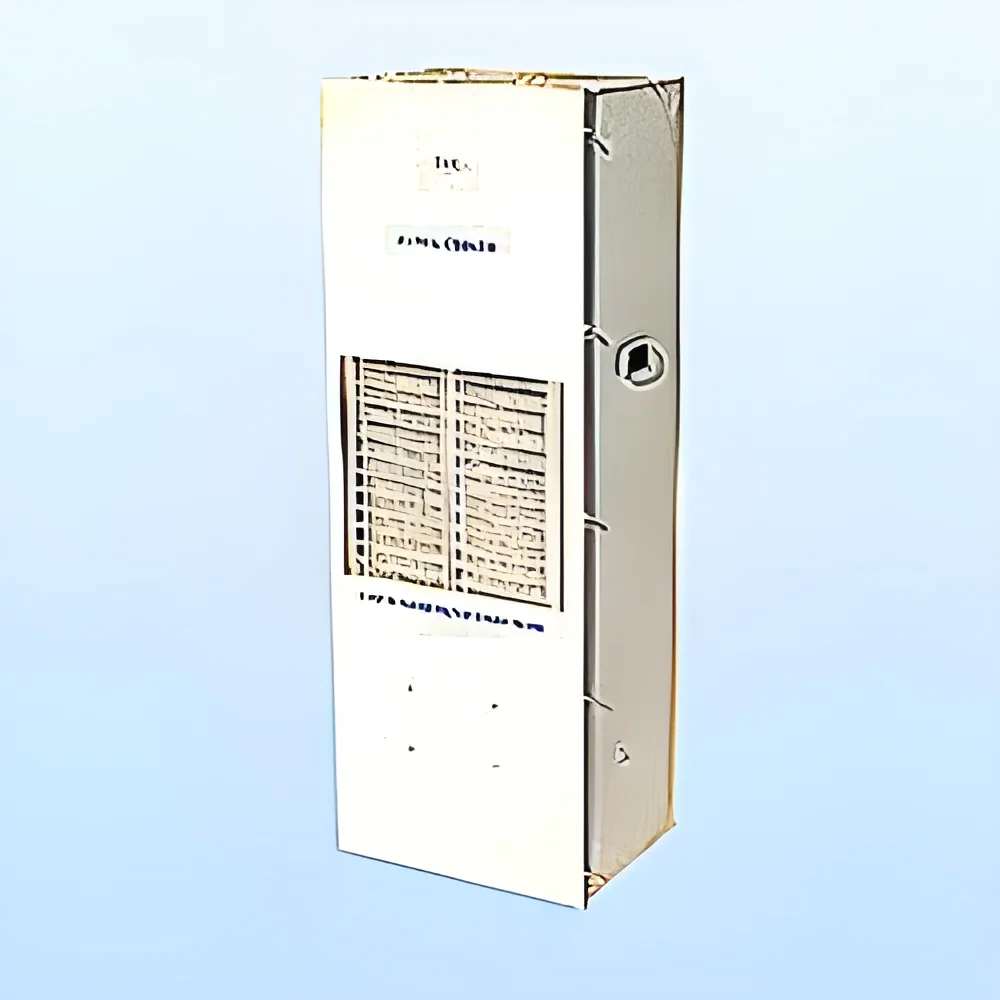
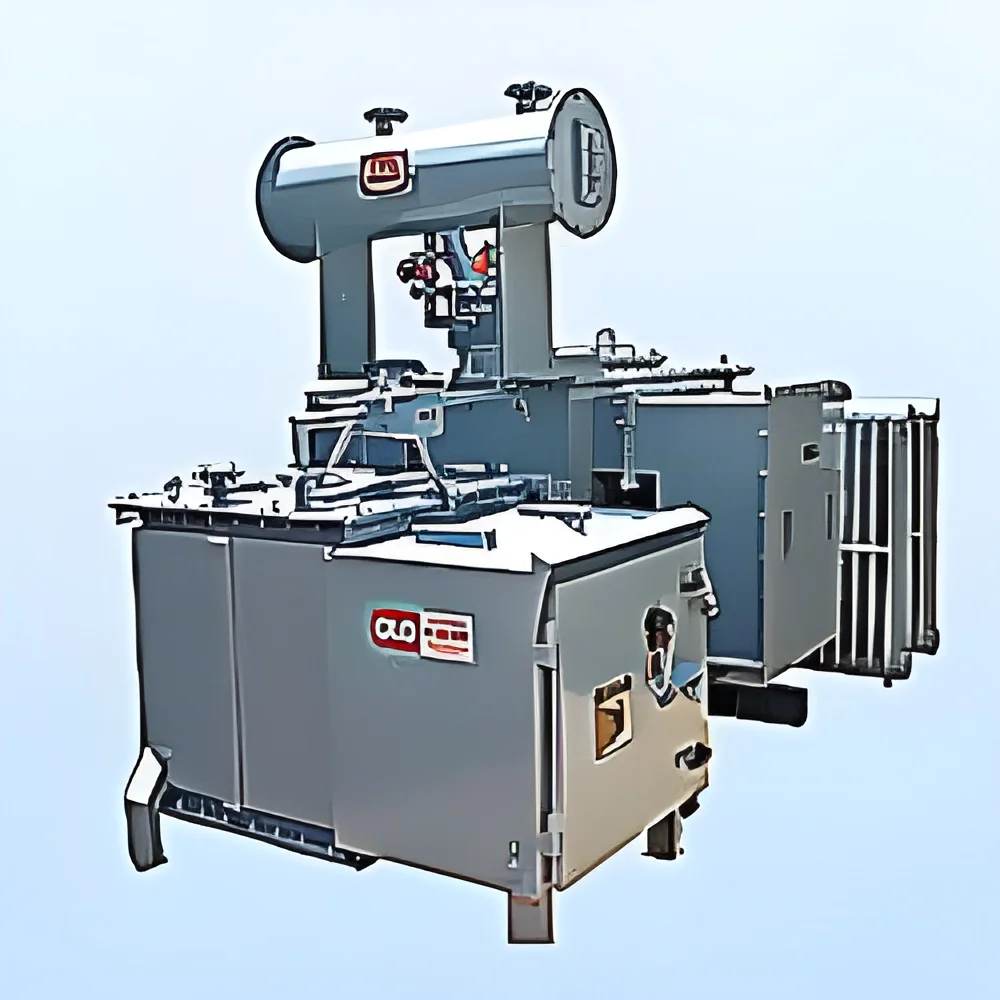
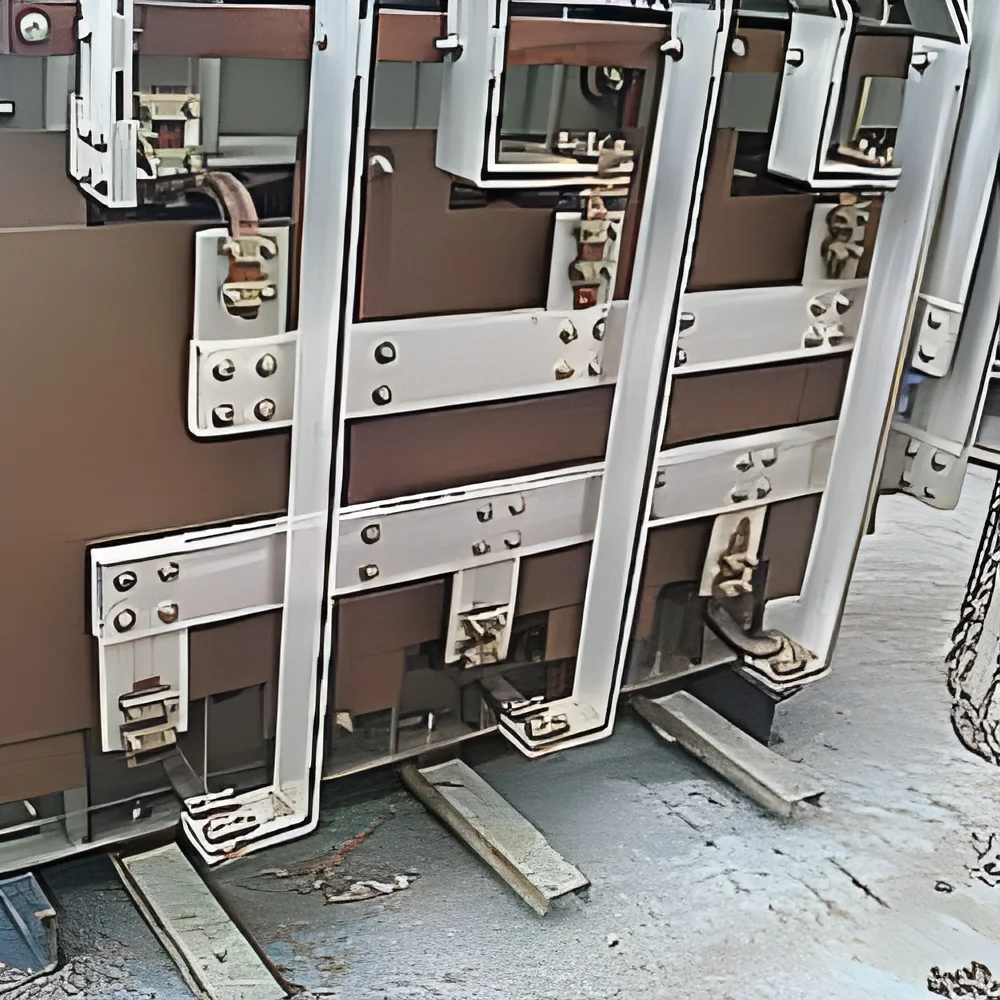
Industrial APFC Panels With Harmonic Filters For Power Quality
Industrial APFC panels with harmonic filters correct power factor and suppress harmonics, ensuring stable power quality for industrial facilities. These reliable panels reduce electricity costs and prevent equipment damage while meeting IEEE-519 standards.
Min. Order Quantity: 1 unit
Shipping
Shipping fee and delivery date to be negotiated. Contact supplier now for more details.
EVR Electricals (Pvt) Limited
 Tamil Nadu, India
Tamil Nadu, IndiaIndustrial Equipment & MachineryManufacturer