IN
IN₹
Description
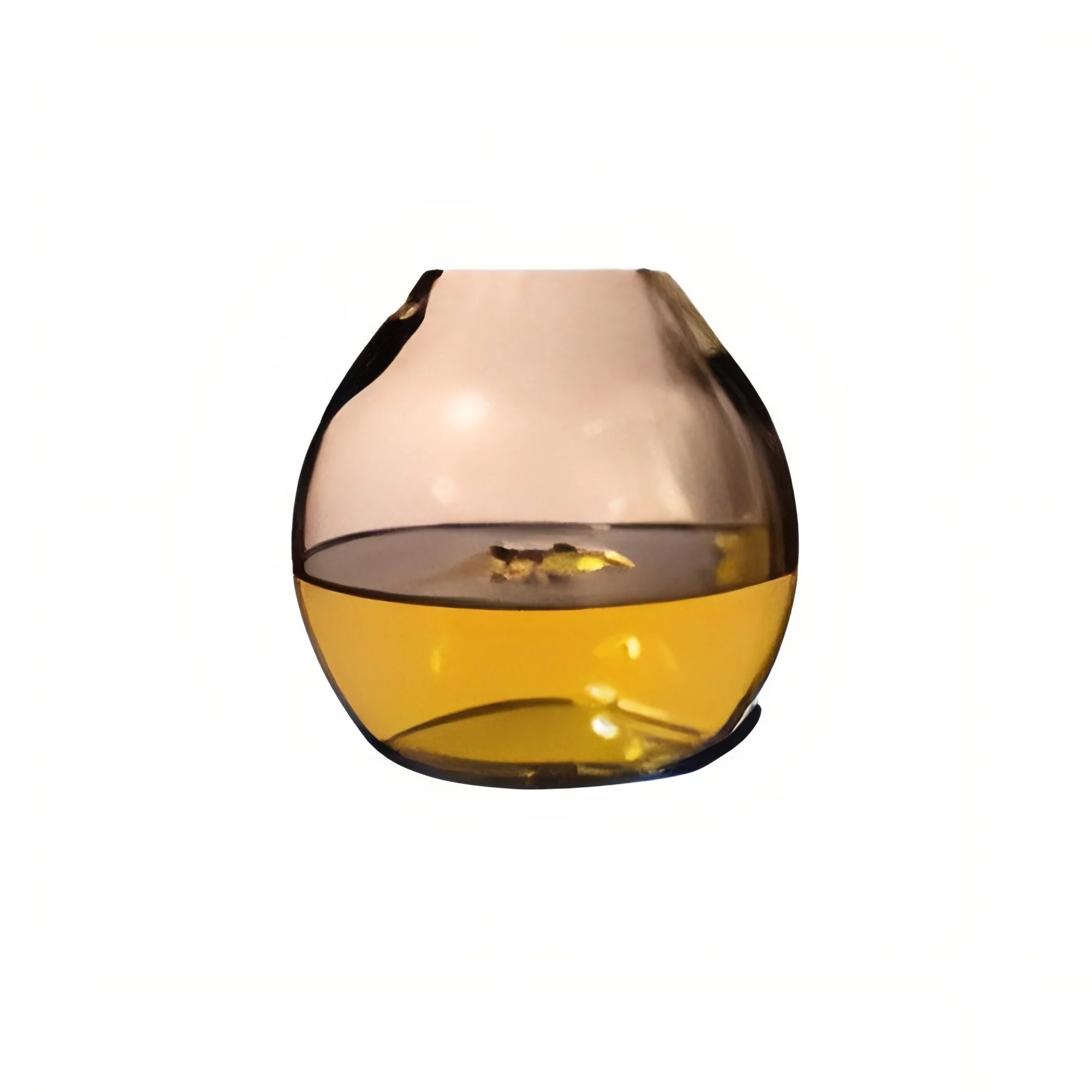
Our industrial antifoaming agents are specially formulated chemical additives designed to effectively reduce and prevent foam formation in industrial process liquids. These high-performance defoamers address both surface foam and entrapped air issues, ensuring smoother operations and enhanced efficiency across diverse applications. They are particularly valuable in environments where foam can disrupt processes, cause overflow, reduce product quality, or create safety hazards. The formulations are developed through advanced chemical engineering to provide reliable, long-lasting foam control without negatively impacting primary processes or final product quality. These solutions maintain their effectiveness across various operational conditions while ensuring consistent performance in demanding industrial settings.

These antifoaming solutions find extensive application across multiple industries including wastewater treatment, chemical processing, food production, pharmaceuticals, and p...
Our industrial antifoaming agents are specially formulated chemical additives designed to effectively reduce and prevent foam formation in industrial process liquids. These high-performance defoamers address both surface foam and entrapped air issues, ensuring smoother operations and enhanced efficiency across diverse applications. They are particularly valuable in environments where foam can disrupt processes, cause overflow, reduce product quality, or create safety hazards. The formulations are developed through advanced chemical engineering to provide reliable, long-lasting foam control without negatively impacting primary processes or final product quality. These solutions maintain their effectiveness across various operational conditions while ensuring consistent performance in demanding industrial settings.

These antifoaming solutions find extensive application across multiple industries including wastewater treatment, chemical processing, food production, pharmaceuticals, and pulp and paper manufacturing. In effluent and sewage treatment plants, they control foam in aeration tanks and processing units to maintain operational efficiency. Chemical manufacturers utilize them to prevent foam during reactions and material transfers, while food processors rely on them to uphold strict hygiene standards. The pharmaceutical industry values them for precise processing requirements, and pulp and paper manufacturers depend on them for smooth operations during washing and papermaking stages. Each industry benefits from formulations that address specific operational challenges and processing conditions effectively.

The operational value of our antifoaming agents lies in their ability to significantly reduce processing costs while improving overall system efficiency. By preventing foam-related interruptions, these defoamers help maintain consistent production throughput and minimize operational downtime. They effectively reduce product defects caused by foam, leading to higher quality output and decreased material waste. The reduced need for cleanup and maintenance associated with foam overflow translates to lower operational expenses and improved resource utilization. Most importantly, they provide reliable, consistent performance that operations can depend on for critical processes, ensuring stability and predictable results in challenging industrial conditions.

Key Features:
- Effective reduction of both surface foam and entrapped air in process liquids
- Compatibility with various industrial systems and processing conditions
- Long-lasting foam control achieved with minimal product dosage
- Stable performance across different temperature ranges and pH levels
- Reliable formulations suitable for specific industry requirements and applications

Benefits:
- Enhanced processing efficiency through consistent foam control and prevention
- Reduced operational costs by minimizing downtime and maintenance requirements
- Improved product quality through decreased foam-related defects and contamination
- Increased system reliability with stable performance across varying conditions
- Optimized resource utilization with effective foam control using minimal product
Specifications
| Additional Information | |
|---|---|
| Country of Origin | India |
Application
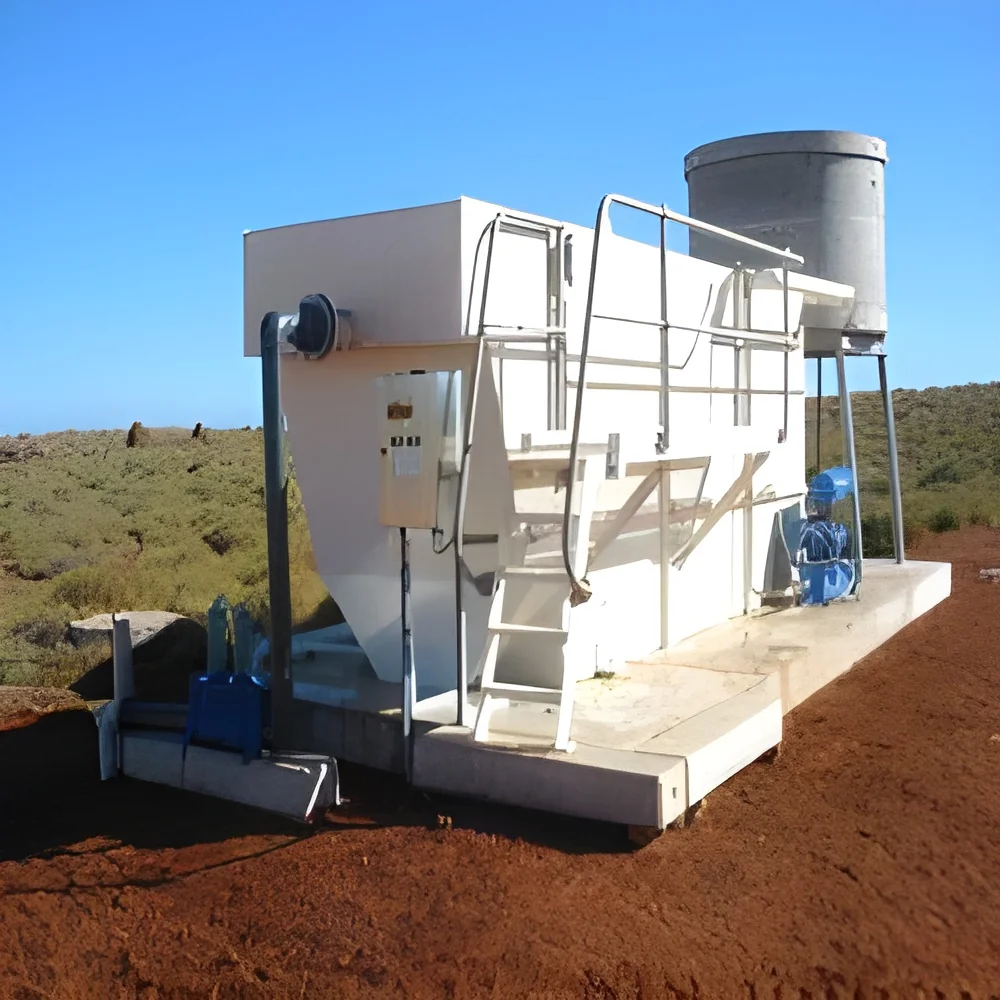
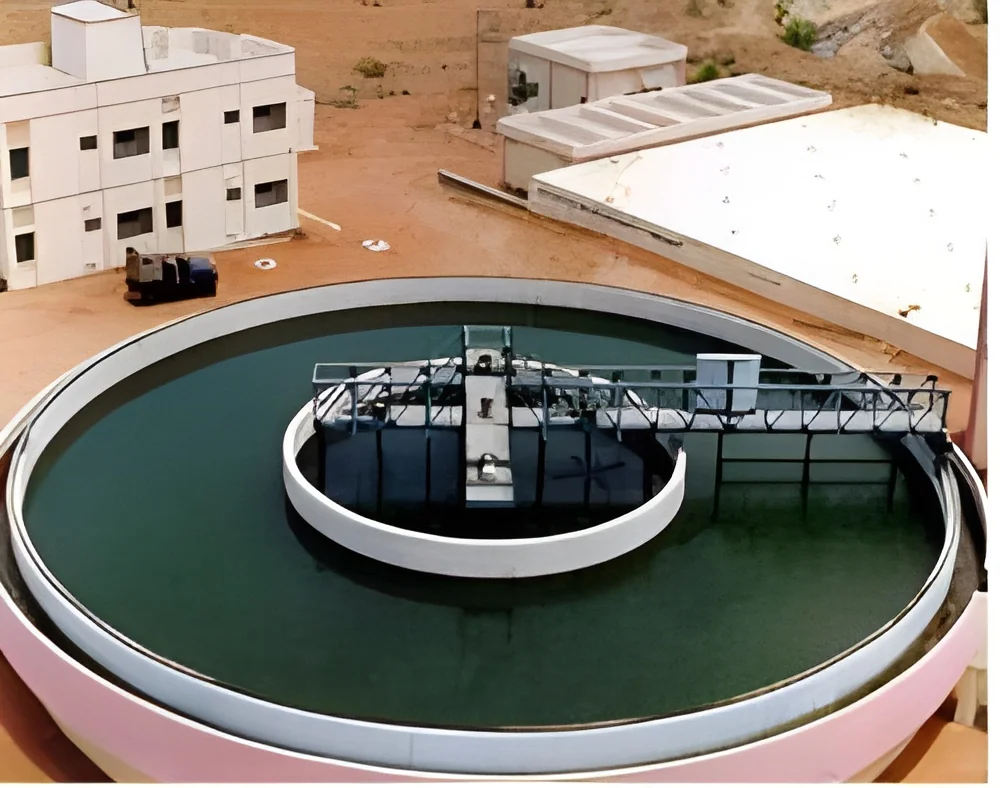
Our industrial antifoaming agents provide essential foam control in wastewater management systems, specifically designed for effluent treatment plants and sewage treatment facilities. They effectively prevent foam buildup in aeration tanks, processing units, and clarification systems, ensuring continuous operations while maintaining compliance with environmental regulations. These agents optimize system performance by eliminating foam-related disruptions that can lead to operational downtime and increased maintenance requirements across various industrial settings.
These high-performance defoamers serve multiple industries including chemical manufacturing, food processing, pharmaceuticals, pulp and paper production, and textile processing. Engineered to perform effectively across diverse processing liquids from aggressive chemical solutions to sensitive food-grade applications, they maintain process integrity and product quality. Their versatile formulation ensures reliable performance in foam-prone industrial processes while supporting productivity and operational efficiency across different manufacturing environments.
- Wastewater treatment facilities for controlling foam in aeration basins and clarification systems
- Chemical manufacturing processes to prevent foam during reactions and material transfers
- Food processing operations to maintain hygiene standards and prevent contamination
- Pulp and paper production for foam reduction in washing and papermaking stages
- Pharmaceutical manufacturing to ensure precise processing in mixing and reaction vessels
Trade Details
| Available Stock | In Stock |
| Sample Availability | No |
Payment Terms
| Payment Terms |
|
Company Profile
Abs Water Tech India Pvt Ltd, Tamil Nadu
 Tamil Nadu, India
Tamil Nadu, IndiaRaw Materials & Chemicals•Trading Company•Distributor / Wholesaler•Importer / Exporter
Factory Details
Factory SizeBelow 1000 sqm
Annual Production Capacity0
Main Markets
South Asia
Industrial Antifoaming Agents For Effluent And Sewage Treatment Plants
Industrial antifoaming agents for effluent and sewage treatment plants reduce foam, enhance processing efficiency, and maintain system reliability across diverse industrial applications with consistent performance.
Min. Order Quantity: 1 unit
Shipping
Shipping fee and delivery date to be negotiated. Contact supplier now for more details.
Abs Water Tech India Pvt Ltd
 Tamil Nadu, India
Tamil Nadu, IndiaRaw Materials & ChemicalsTrading Company