IN
IN₹
Apparel & Fashion
Loading subcategories...
View More
Description
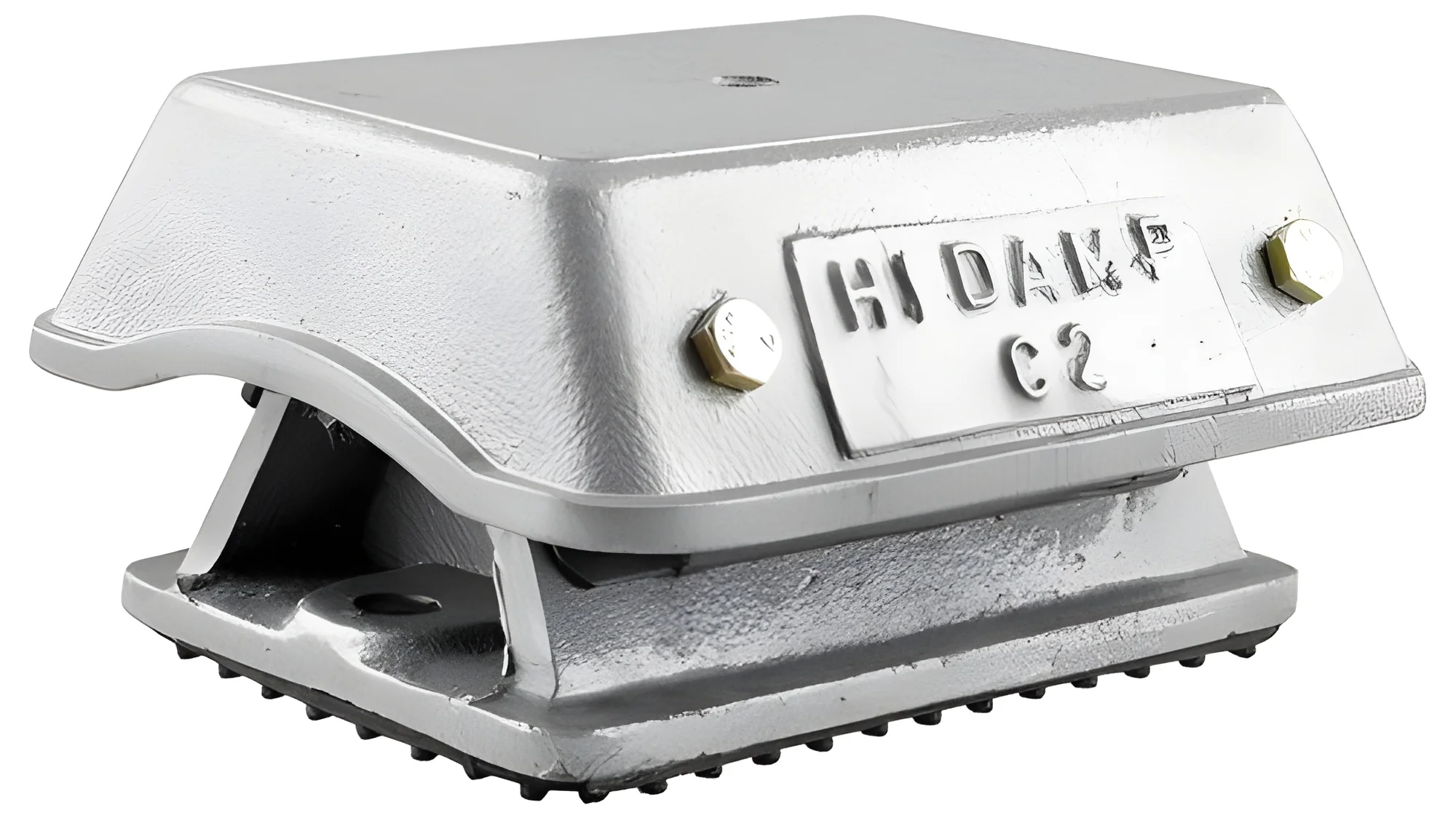
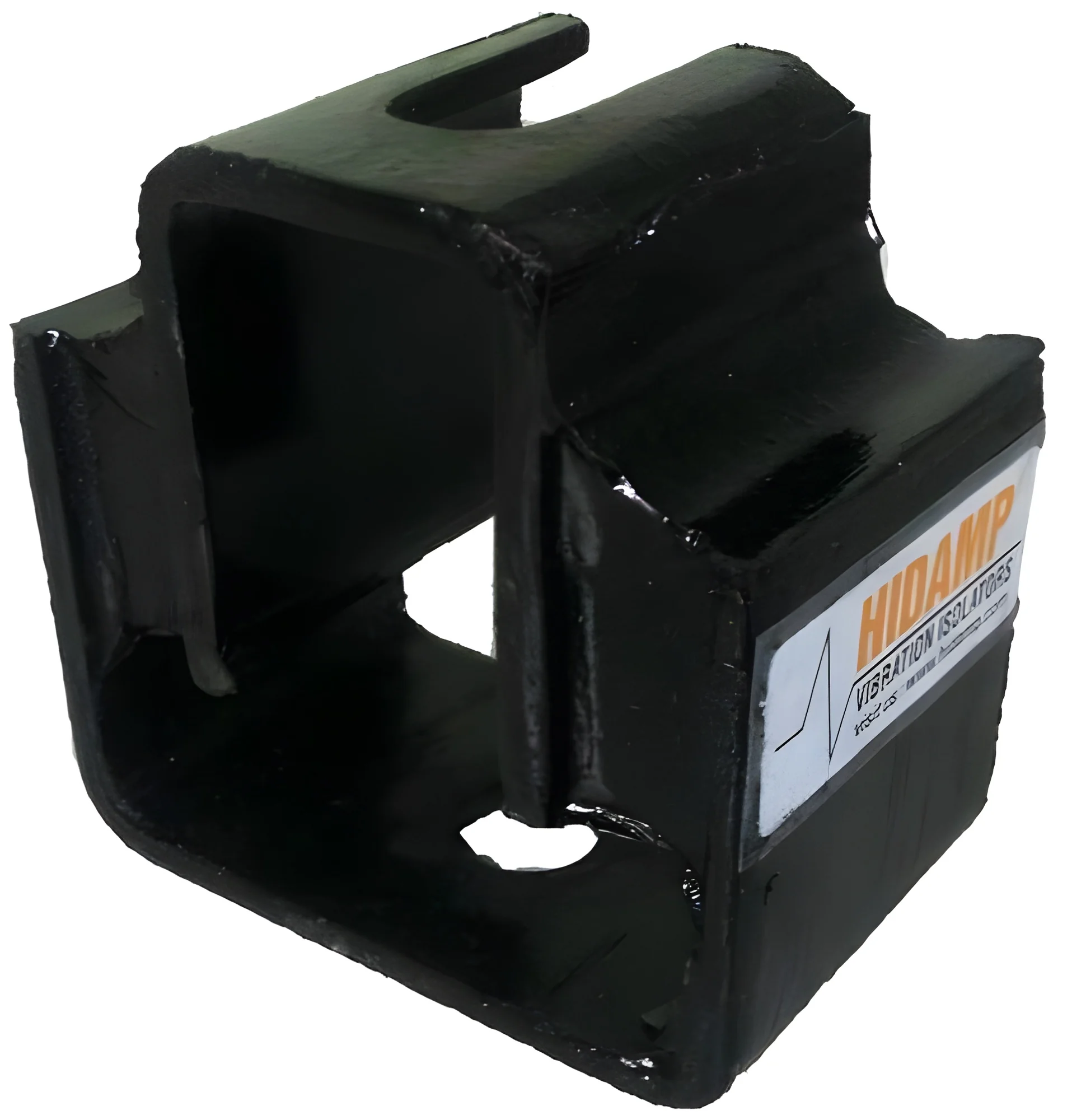
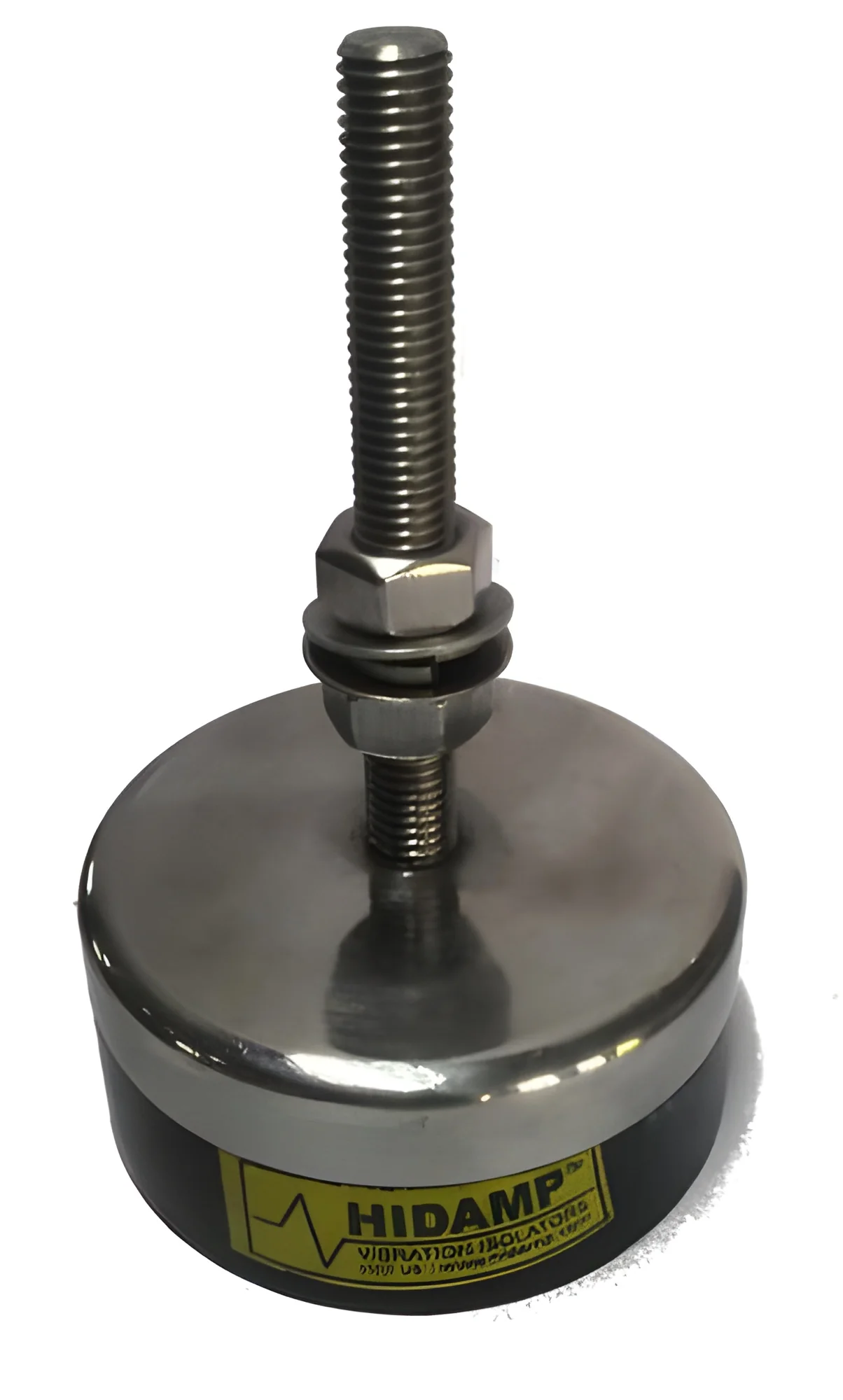
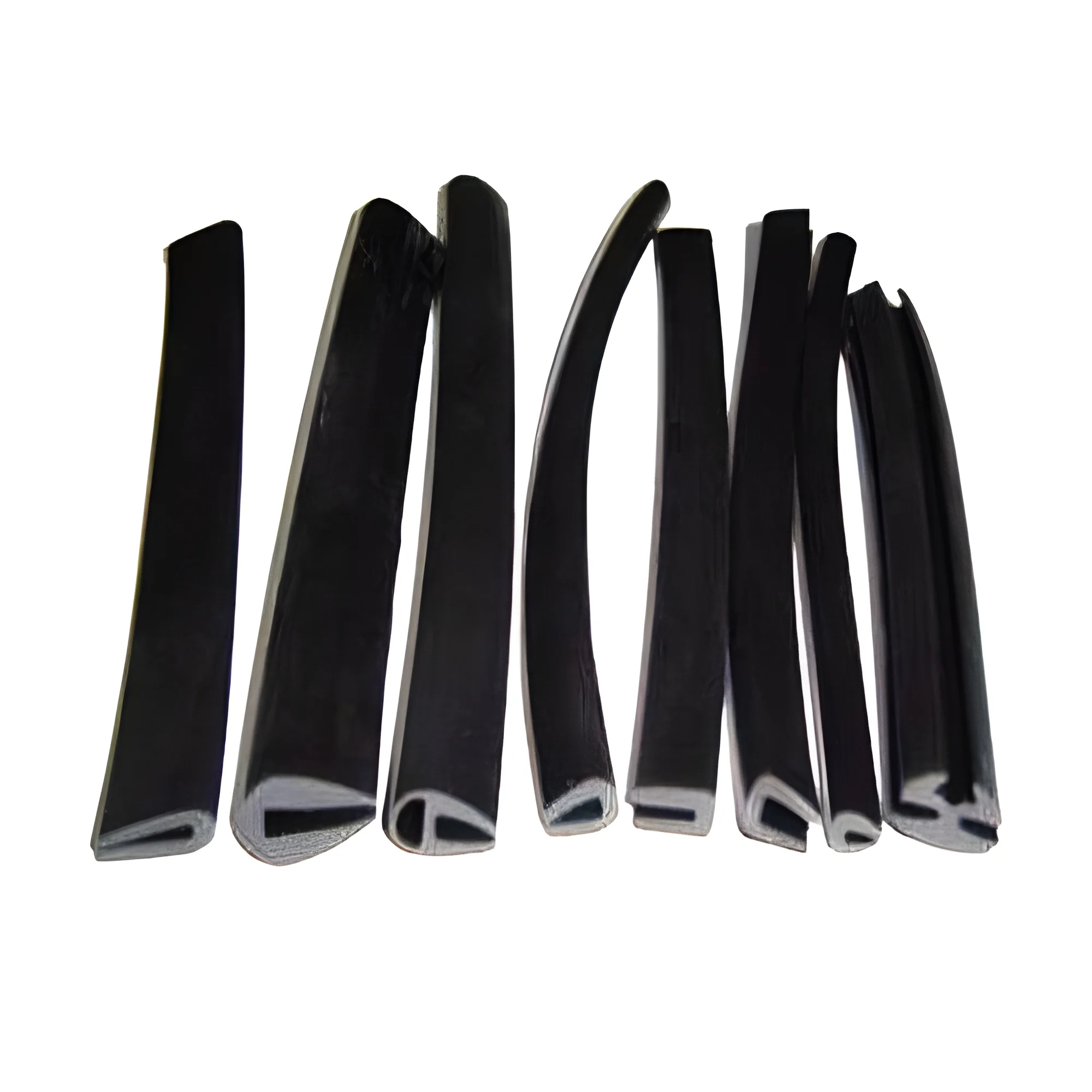
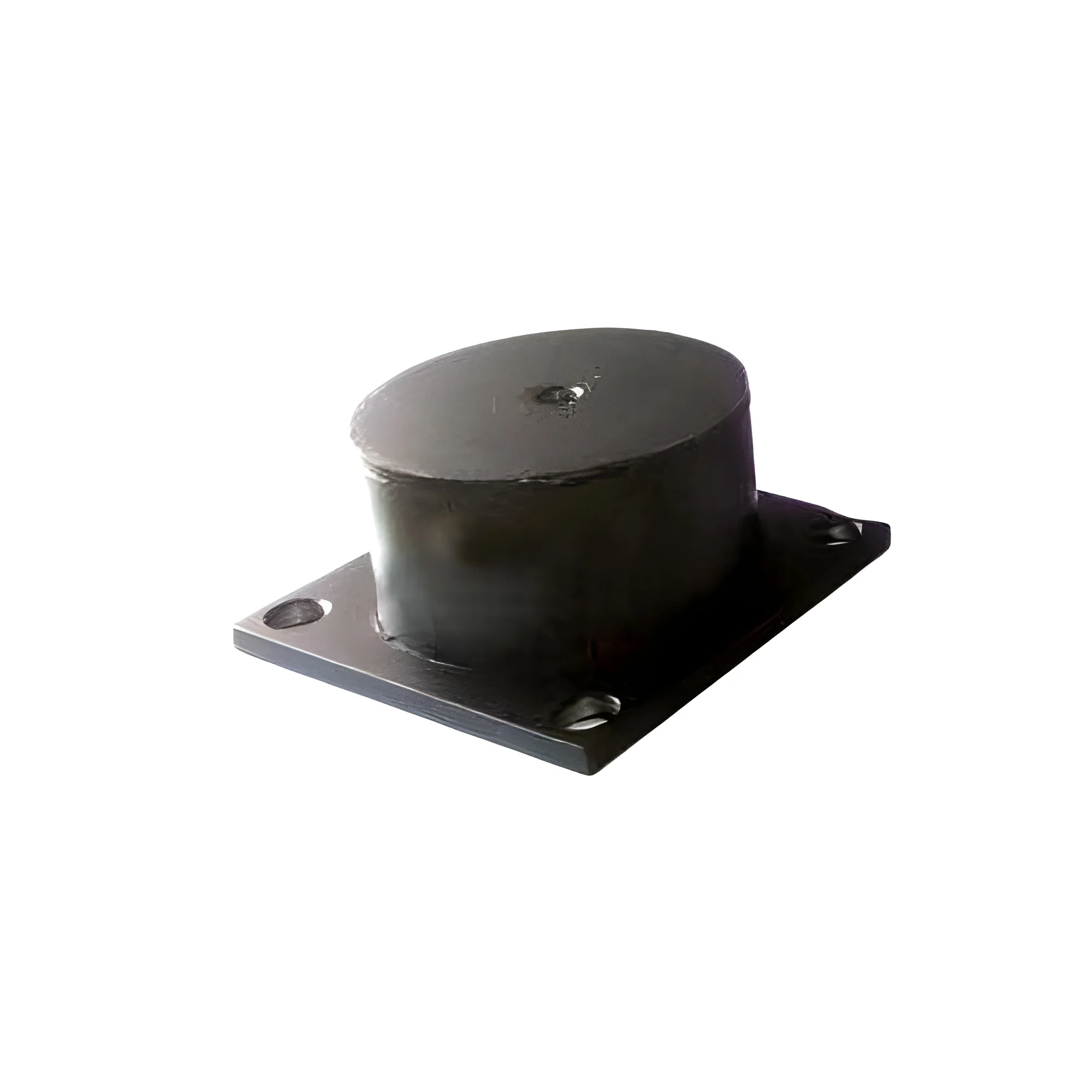
Our Industrial Anti Vibration Buffers are precision-engineered components designed for superior vibration control in demanding industrial settings. Built with a focus on durability and performance, they effectively isolate, dampen, and absorb vibrations generated by heavy machinery. Each buffer undergoes rigorous quality testing to ensure it meets strict standards for reliability and dimensional accuracy. The rugged design is crafted to withstand constant stress, high loads, and harsh environmental conditions, providing long-lasting protection for both machinery and infrastructure. Available with OEM customization options, these buffers can be tailored to fit specific equipment requirements, ensuring perfect compatibility and optimal vibration isolation performance for your unique operational needs.

These anti vibration buffers find essential applications across a wide spectrum of industries. In manufacturing and automotive plants, they safeguard precision equipment like CNC machines ...
Our Industrial Anti Vibration Buffers are precision-engineered components designed for superior vibration control in demanding industrial settings. Built with a focus on durability and performance, they effectively isolate, dampen, and absorb vibrations generated by heavy machinery. Each buffer undergoes rigorous quality testing to ensure it meets strict standards for reliability and dimensional accuracy. The rugged design is crafted to withstand constant stress, high loads, and harsh environmental conditions, providing long-lasting protection for both machinery and infrastructure. Available with OEM customization options, these buffers can be tailored to fit specific equipment requirements, ensuring perfect compatibility and optimal vibration isolation performance for your unique operational needs.

These anti vibration buffers find essential applications across a wide spectrum of industries. In manufacturing and automotive plants, they safeguard precision equipment like CNC machines and robotic arms from disruptive vibrations, ensuring product quality and consistency. The energy sector relies on them to stabilize turbines, generators, and pumps in power generation and oil & gas facilities. Processing industries, including food, chemical, and pharmaceutical, use them to protect sensitive machinery and reduce vibration transfer. Heavy industries such as mining, construction, and metal fabrication install these buffers on crushers, presses, and large motors to minimize wear and prevent structural fatigue. Their universal design principle makes them indispensable wherever machinery operation generates forces that threaten equipment longevity or process integrity.

The implementation of our quality-tested anti vibration buffers delivers significant business value through enhanced operational reliability and cost efficiency. By effectively controlling vibrations, they directly reduce equipment wear and tear, leading to fewer breakdowns, lower maintenance costs, and extended machinery service life. This reliability minimizes unplanned downtime, protecting production schedules and output targets. The negotiable pricing and timely delivery ensure these benefits are accessible and align with project timelines and budget constraints. Investing in these buffers is not merely a purchase of a component; it is an investment in operational stability, asset protection, and long-term savings, providing a clear return on investment through improved productivity and reduced operational expenses.

Key Features:
- OEM customization available for precise equipment compatibility and integration.
- Rugged design engineered for durability in harsh industrial environments.
- High dimensional accuracy ensures consistent fit and reliable performance.
- Rigorously quality tested for reliability and long service life.
- Constructed from robust materials to absorb shock and dampen vibrations effectively.

Benefits:
- Reduces machinery wear and tear, lowering maintenance frequency and costs.
- Extends the operational lifespan of expensive industrial equipment.
- Minimizes noise pollution and prevents vibration-induced structural damage.
- Enhances operational safety and protects precision in manufacturing processes.
- Improves overall system reliability and reduces costly production downtime.
Specifications
| Attribute | Value |
|---|---|
| Type | Anti Vibration Buffer |
| Supply Type | OEM |
| Price | Negotiable |
| Specification | Customized |
| Delivery | Timely Delivered |
| Features | Quality tested, Rugged design, Dimensional accuracy |
| Additional Information | |
|---|---|
| Country of Origin | India |
| Customisable | No |
Application
Industrial anti vibration buffers are engineered to absorb shock and dampen harmful vibrations generated by heavy machinery. They protect equipment from excessive wear, reduce noise levels, and prevent structural damage to facilities. By isolating vibrations, these buffers extend machinery lifespan, improve operational safety, and maintain precision in critical processes. Their robust construction ensures consistent performance under continuous stress and demanding industrial conditions.
These components are vital across sectors where machinery stability directly impacts productivity and safety. They are designed to integrate seamlessly with various equipment types, from large compressors and generators to precision manufacturing tools. The ability to customize specifications ensures optimal performance for specific operational needs, whether for high-frequency vibrations or heavy shock loads. This versatility makes them a fundamental solution for maintaining equipment integrity and operational continuity in challenging environments.
- Isolate vibrations in industrial air compressors and hydraulic pumps to minimize noise and wear.
- Protect CNC machines, lathes, and other precision manufacturing equipment from vibration-induced inaccuracies.
- Stabilize diesel generators, turbines, and power systems in energy plants and backup facilities.
- Dampen shocks and vibrations in conveyor systems, crushers, and material handling equipment.
- Absorb operational vibrations in injection molding machines, presses, and stamping equipment to prevent fatigue.
Trade Details
| Available Stock | In Stock |
| Sample Availability | No |
Payment Terms
| Payment Terms |
|
Company Profile
Hi Damp Industrial Mountings Pvt Ltd, Tamil Nadu
 Tamil Nadu, India
Tamil Nadu, IndiaIndustrial Equipment & Machinery•Manufacturer•Distributor / Wholesaler•Importer / Exporter
Factory Details
Factory SizeBelow 1000 sqm
Annual Production Capacity0
Main Markets
Eastern Asia
South Asia
Southeast Asia
Quality & Certification
An ISO 9001:2008 Certified Company.
Initial Registration Date: 09-10-2015
Expiry Date: 08-10-2018
An ISO 9001:2008 Certified Company.
Initial Registration Date: 09-10-2015
Expiry Date: 08-10-2018Industrial Anti Vibration Buffer OEM Quality Tested Rugged Design
Industrial Anti Vibration Buffer with OEM customization, rugged design, and dimensional accuracy. Quality tested for reliable vibration isolation in heavy machinery, ensuring timely delivery at competitive prices.
Min. Order Quantity: 1 unit
Shipping
Shipping fee and delivery date to be negotiated. Contact supplier now for more details.
Hi Damp Industrial Mountings Pvt Ltd
 Tamil Nadu, India
Tamil Nadu, IndiaIndustrial Equipment & MachineryManufacturer