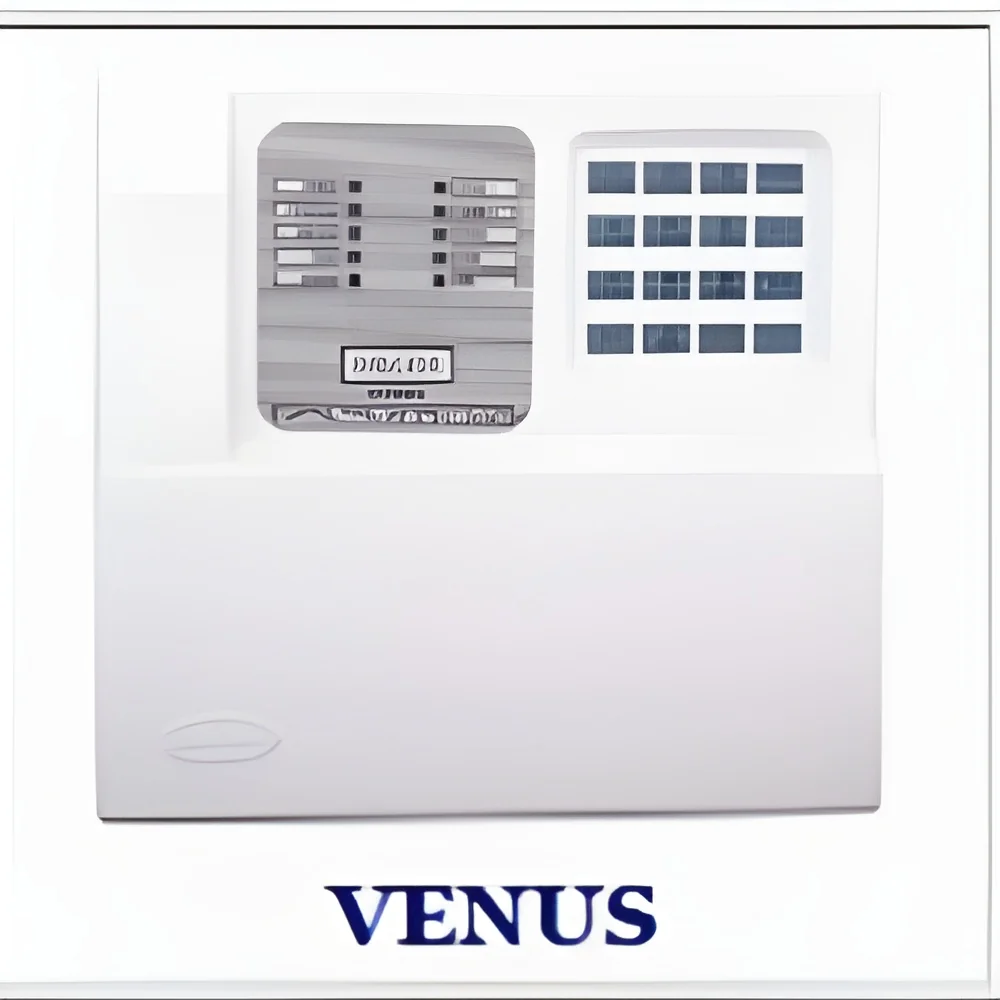
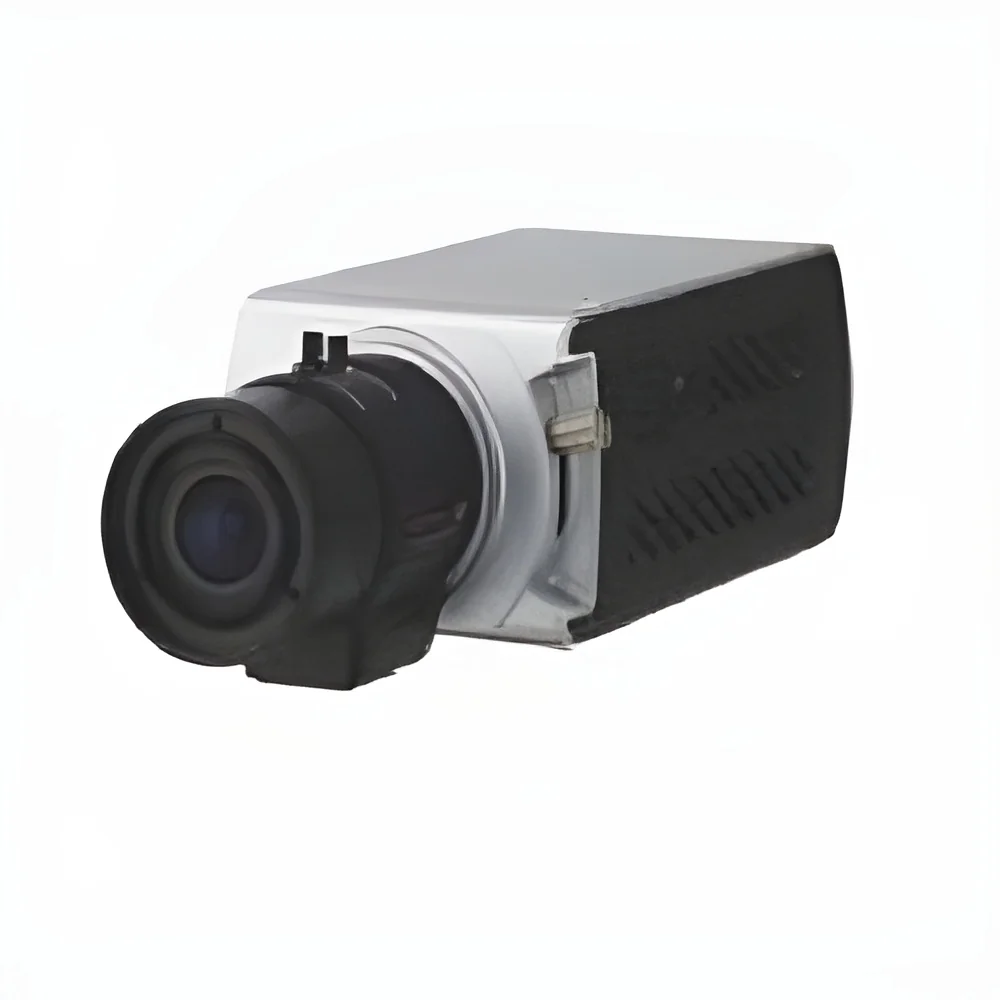
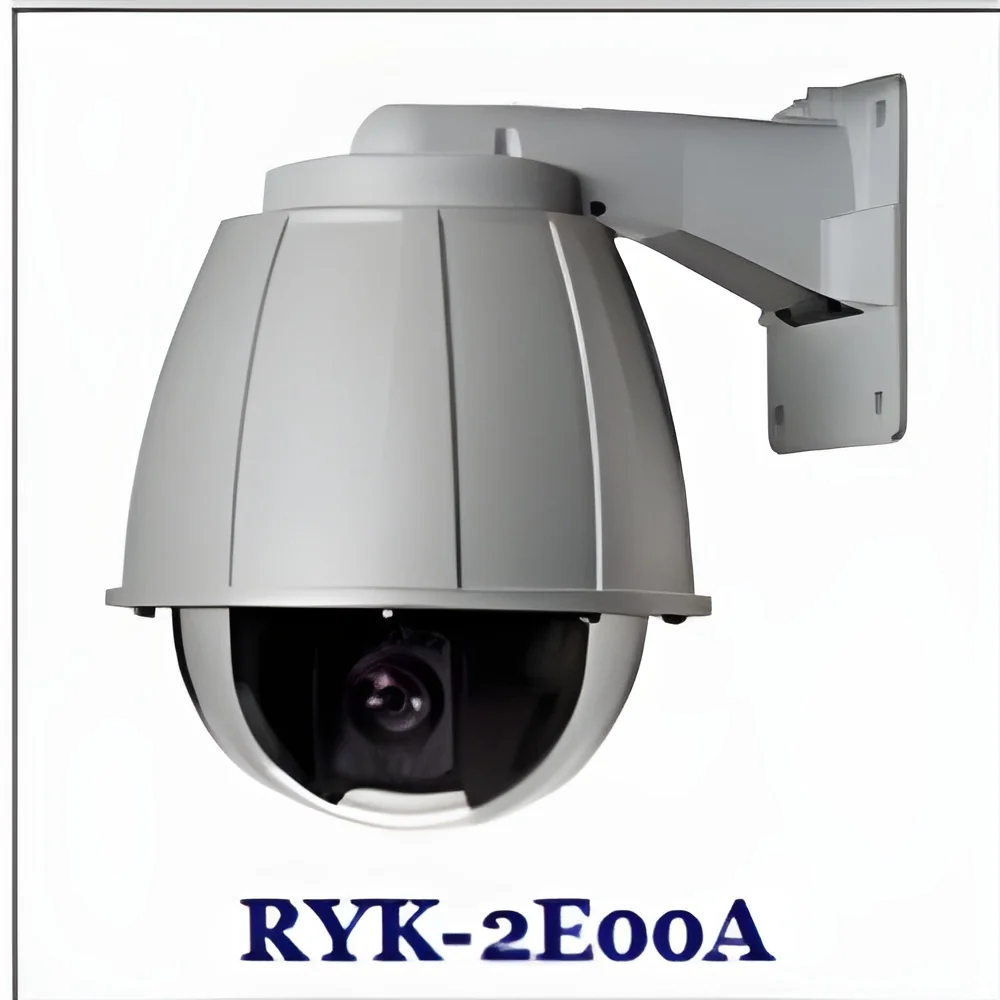
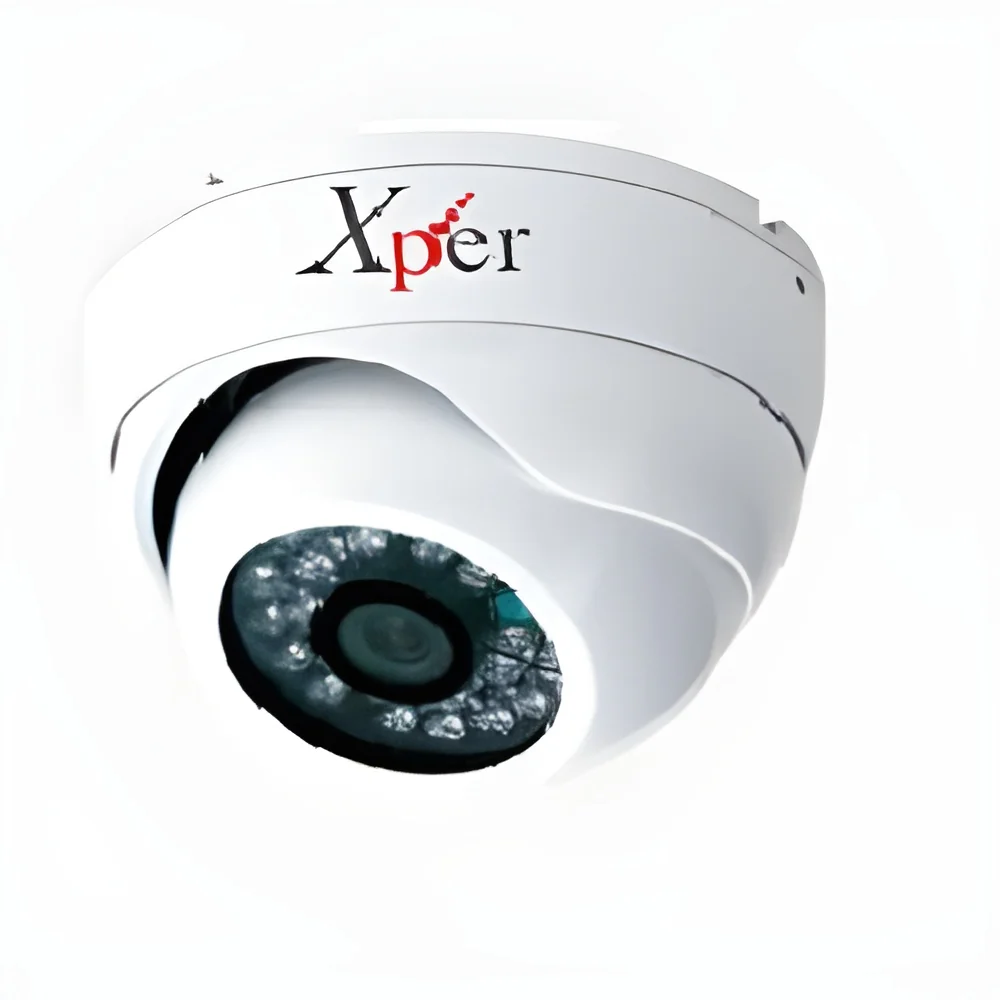
IN
IN₹
Apparel & Fashion
Loading subcategories...
View More
Description
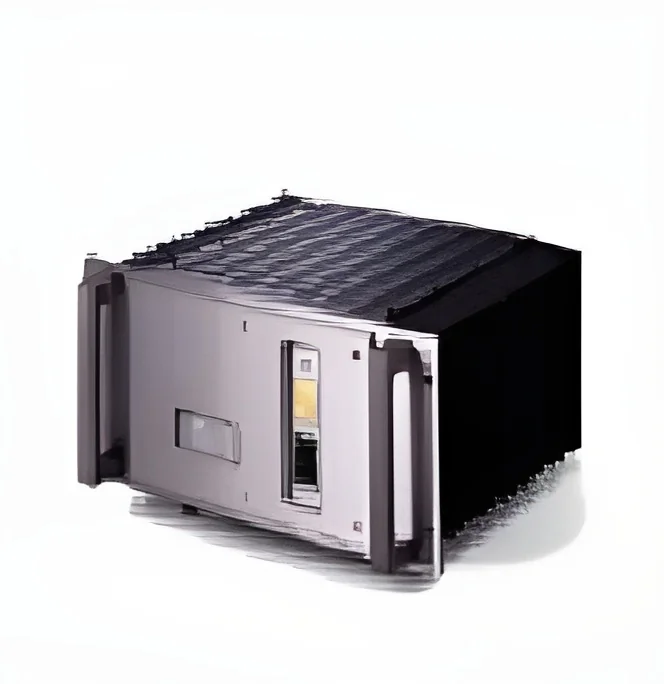
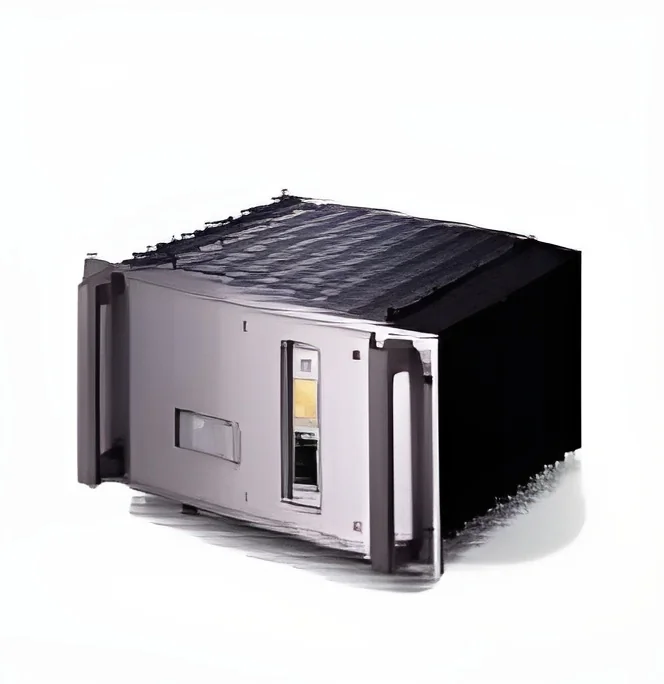
Professional grade amplifiers are precision-engineered electronic devices designed to increase the amplitude of electrical signals while meticulously preserving signal integrity. These critical components ensure weak signals are boosted to operational levels without introducing distortion or degrading quality. Built with robust construction and advanced circuitry, they are engineered for demanding applications where consistent and accurate signal amplification is fundamental to overall system performance. They withstand challenging operational environments, delivering reliable performance across varying conditions while maintaining precise amplification characteristics. The focus on durability and accuracy makes these amplifiers suitable for systems where any signal loss or degradation would compromise functionality, output quality, and data reliability.

These amplifiers serve vital roles across multiple critical industries. In telecommunications, they enable clear, long-distance sign...
Professional grade amplifiers are precision-engineered electronic devices designed to increase the amplitude of electrical signals while meticulously preserving signal integrity. These critical components ensure weak signals are boosted to operational levels without introducing distortion or degrading quality. Built with robust construction and advanced circuitry, they are engineered for demanding applications where consistent and accurate signal amplification is fundamental to overall system performance. They withstand challenging operational environments, delivering reliable performance across varying conditions while maintaining precise amplification characteristics. The focus on durability and accuracy makes these amplifiers suitable for systems where any signal loss or degradation would compromise functionality, output quality, and data reliability.

These amplifiers serve vital roles across multiple critical industries. In telecommunications, they enable clear, long-distance signal transmission for voice and data networks. The audio and broadcasting industry utilizes them for comprehensive sound reinforcement and clear signal distribution in studios and live venues. Industrial automation integrates them for precise sensor and actuator control in manufacturing and process systems. The medical sector depends on them in diagnostic imaging and patient monitoring equipment where signal accuracy is paramount. Additional applications span security systems for surveillance signal processing, automotive testing environments, and research laboratories for experimental instrumentation requiring exact signal conditioning.

Investing in professional amplifiers delivers significant business value through enhanced system reliability and minimized operational risk. Manufactured to stringent quality standards, these devices ensure long-term performance stability even in demanding conditions. Their proven reliability reduces maintenance frequency and prevents costly operational disruptions, which is critical for industries where continuous operation drives productivity and service delivery. The combination of competitive value and consistent performance offers an excellent return on investment for businesses seeking to optimize their electronic systems. These amplifiers are trusted by serious buyers for their suitability across diverse technical requirements and their role in ensuring system uptime and output quality.

Key Features:
- High-quality components ensuring durable and long-lasting operational performance.
- Wide input voltage range providing compatibility with various electrical systems and setups.
- Low distortion and noise characteristics for clear and precise signal amplification.
- Robust construction designed to withstand challenging industrial and commercial environments.
- Efficient physical design suitable for space-constrained installation scenarios.

Benefits:
- Enhanced system reliability through consistent performance and reduced failure rates.
- Minimized operational downtime, protecting productivity and reducing maintenance costs.
- Long-term cost efficiency achieved through durable construction and reliable operation.
- Improved signal quality ensuring accurate data transmission and system operation.
- Flexible integration capabilities accommodating various technical specifications and installation environments.
Specifications
| Additional Information | |
|---|---|
| Country of Origin | India |
| Customisable | No |
Application
Professional grade amplifiers are engineered to maintain critical signal integrity across demanding sectors where performance reliability is non-negotiable. They ensure clear audio transmission in public address systems, enhance telecommunications infrastructure, and support precision in scientific and medical instrumentation. Their robust construction makes them indispensable in environments where consistent operation directly impacts productivity, system effectiveness, and safety.
These amplifiers provide essential power boosting for signals traveling through complex networks and over long distances. They are implemented in broadcasting studios, medical imaging equipment, data communication networks, and live sound reinforcement systems. Businesses rely on them for demanding applications including manufacturing automation, security surveillance, and process control where operational downtime is unacceptable and signal consistency is mandatory for accurate results.
- Public address and background music systems in commercial buildings, airports, and educational institutions.
- Signal boosting in telecommunications networks for mobile, internet, and landline services.
- Audio reinforcement in live events, theaters, and conference facilities for clear sound delivery.
- Medical equipment including ultrasound machines and patient monitoring systems requiring precise signal amplification.
- Industrial automation and control systems where sensors and actuators need reliable signal conditioning.
Trade Details
| Available Stock | In Stock |
| Sample Availability | No |
Payment Terms
| Payment Terms |
|
Company Profile

Berachah Hi Vision System, Karnataka
 Karnataka, India
Karnataka, IndiaElectronics & Electrical•Trading Company•Distributor / Wholesaler
Factory Details
Factory SizeBelow 1000 sqm
Annual Production Capacity0
Professional Grade Amplifiers For Signal Amplification
Professional Grade Amplifiers deliver reliable signal amplification with superior quality for industrial, commercial, and telecommunications applications requiring precise performance.
Min. Order Quantity: 1 unit
Shipping
Shipping fee and delivery date to be negotiated. Contact supplier now for more details.
Berachah Hi Vision System
 Karnataka, India
Karnataka, IndiaElectronics & ElectricalTrading Company