IN
IN₹
Apparel & Fashion

Description
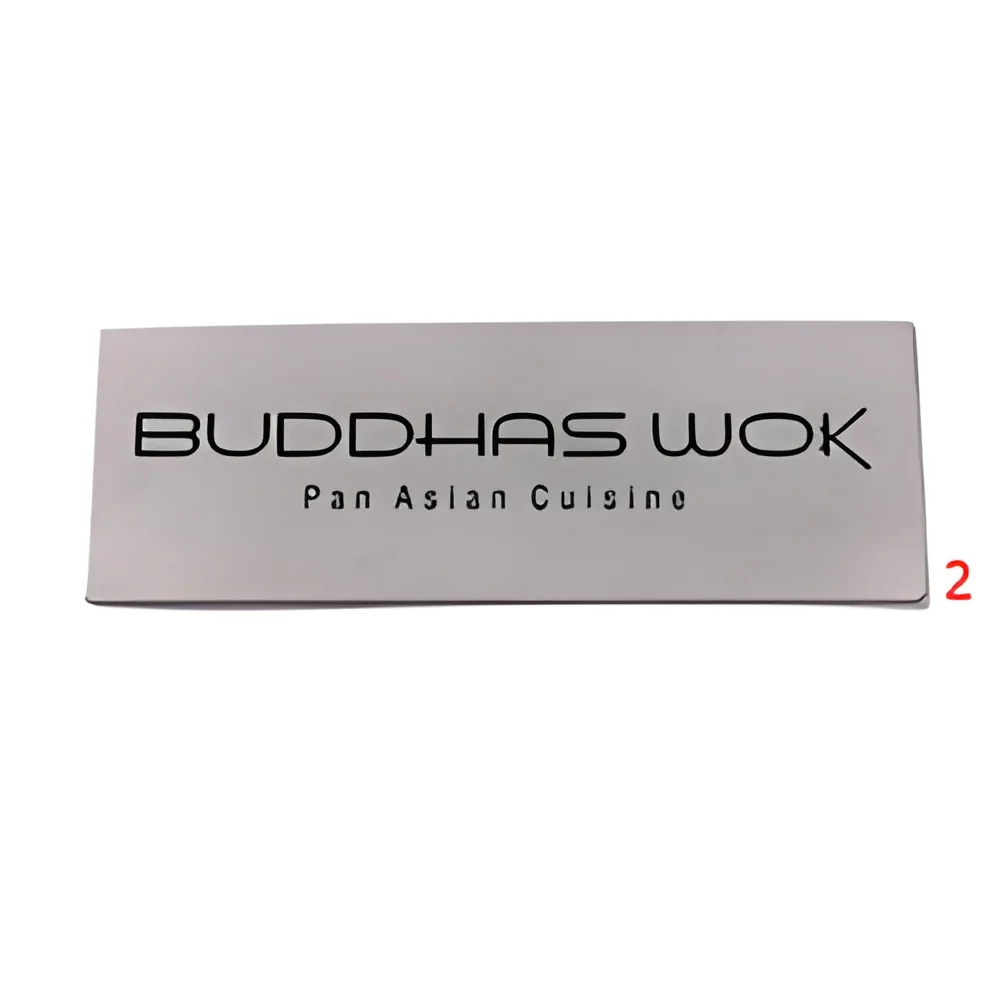
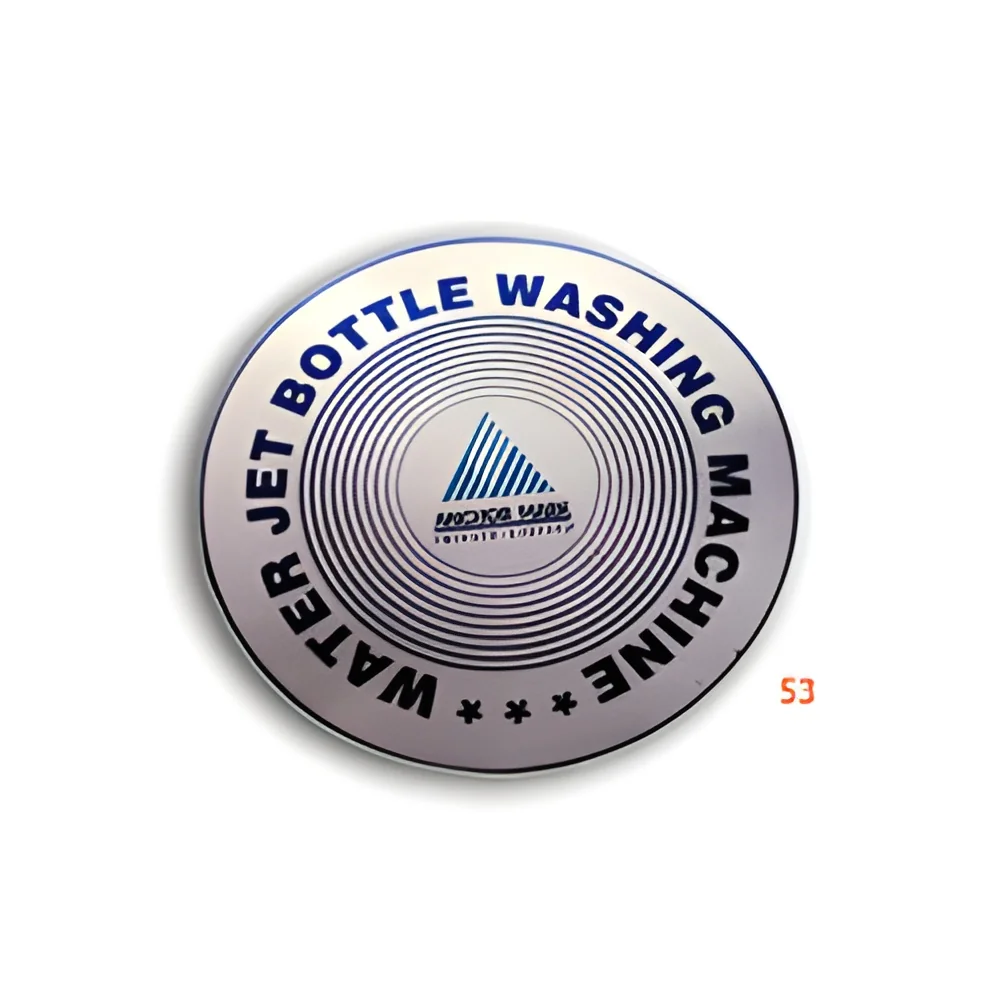
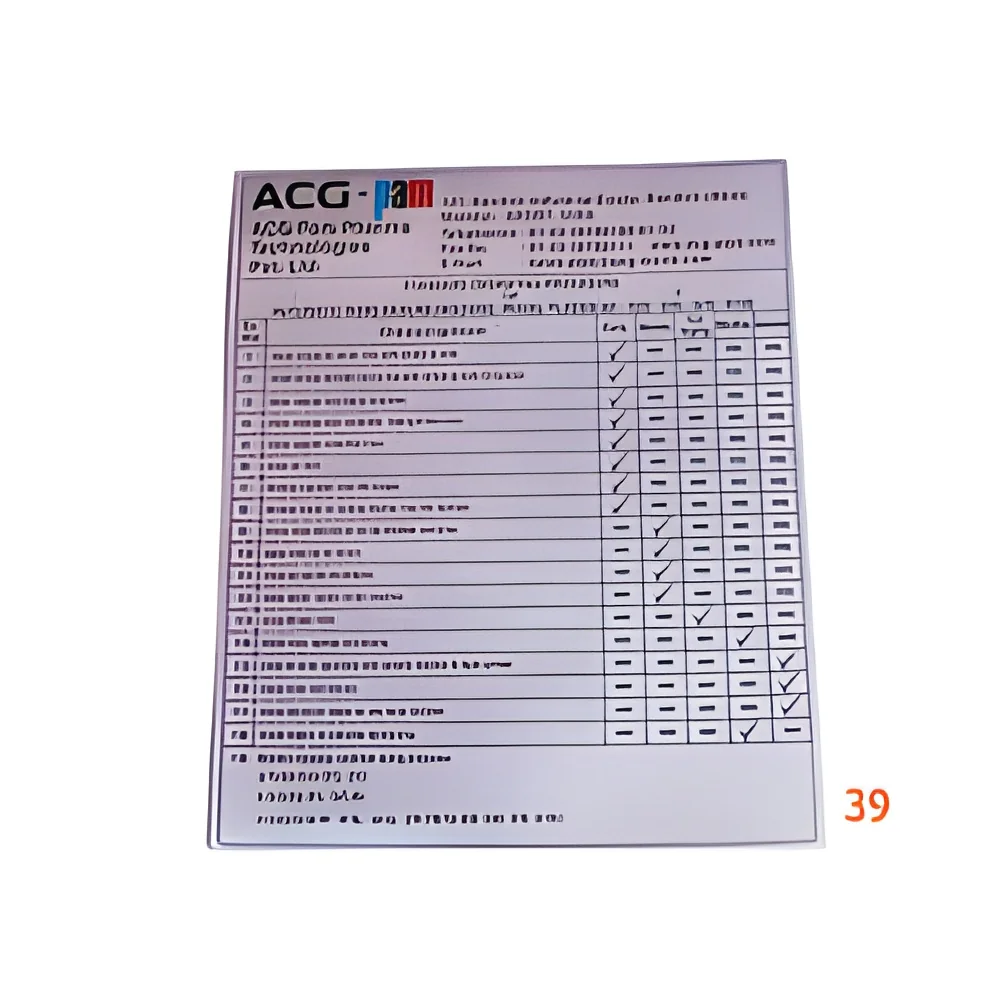
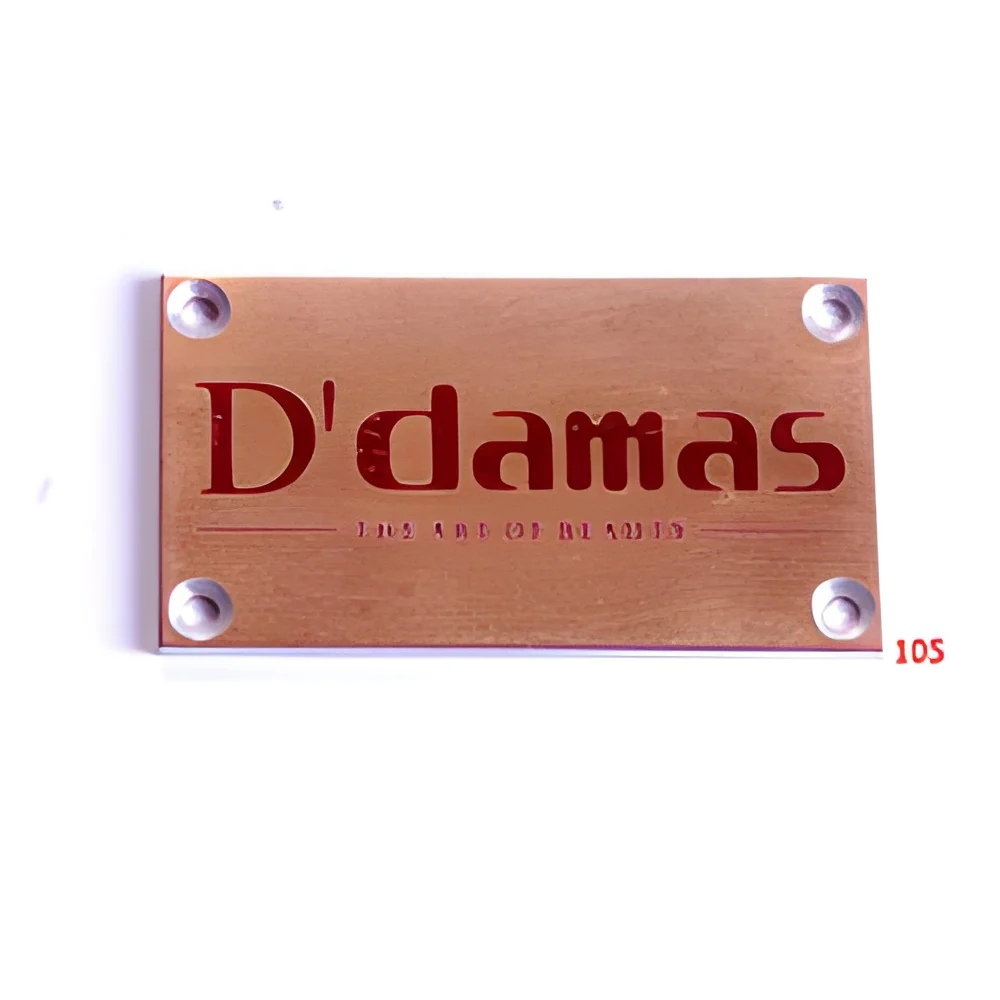
Industrial aluminum hanging tags deliver reliable, cost-effective identification solutions for demanding industrial environments. Manufactured from high-quality aluminum alloy, these tags combine lightweight construction with exceptional durability, offering resistance to corrosion, chemicals, and weather elements. Their smooth surface accepts various marking methods including permanent ink, engraving, and printed labels, ensuring clear, long-lasting information display. Available in standard and custom configurations, these tags provide versatile identification options that maintain readability under challenging conditions while offering significant cost advantages over premium metal alternatives.

These identification tags find extensive application across critical industries including oil and gas production, chemical processing plants, manufacturing facilities, water treatment operations, and utility networks. In industrial plants, they serve vital functions for valve identification...
Industrial aluminum hanging tags deliver reliable, cost-effective identification solutions for demanding industrial environments. Manufactured from high-quality aluminum alloy, these tags combine lightweight construction with exceptional durability, offering resistance to corrosion, chemicals, and weather elements. Their smooth surface accepts various marking methods including permanent ink, engraving, and printed labels, ensuring clear, long-lasting information display. Available in standard and custom configurations, these tags provide versatile identification options that maintain readability under challenging conditions while offering significant cost advantages over premium metal alternatives.

These identification tags find extensive application across critical industries including oil and gas production, chemical processing plants, manufacturing facilities, water treatment operations, and utility networks. In industrial plants, they serve vital functions for valve identification, pipe marking, equipment tracking, and safety compliance. Manufacturing operations utilize them for inventory management, quality control documentation, and maintenance scheduling. Utility companies depend on them for pipeline identification, meter tagging, and infrastructure documentation. The construction sector employs them for equipment identification and safety protocol implementation, while processing facilities use them for operational instruction and hazard communication.

The business value of aluminum hanging tags stems from their combination of reliability, durability, and cost-effectiveness. They provide substantial savings compared to brass or stainless steel identification methods while delivering comparable performance in most industrial environments. Their customization capabilities enable businesses to develop tailored identification systems that integrate with existing asset management protocols and digital tracking solutions. The tags' environmental resistance reduces replacement frequency and maintenance requirements, lowering total ownership costs. Their ease of installation and handling improves operational efficiency, while their clear identification supports safety compliance, reduces operational errors, and enhances overall asset management effectiveness.

Key Features:
- Constructed from corrosion-resistant aluminum alloy for durability in harsh conditions.
- Available in multiple standard sizes with options for custom dimensions and shapes.
- Suitable for various marking methods including printing, engraving, and handwriting.
- Lightweight design facilitates easy handling and installation on equipment.
- Smooth surface ensures clear, long-lasting markings that resist fading and wear.

Benefits:
- Cost-effective alternative to premium metal tags without compromising durability.
- Corrosion-resistant properties ensure longevity in demanding industrial environments.
- Customizable options support integration with existing identification systems.
- Clear, permanent markings enhance safety compliance and operational efficiency.
- Reduced maintenance requirements and replacement costs over product lifecycle.
Specifications
| Additional Information | |
|---|---|
| Country of Origin | India |
Application
Industrial aluminum hanging tags serve as essential tools for asset identification and operational safety in demanding environments. Their corrosion-resistant properties ensure information remains legible despite exposure to chemicals, moisture, and physical abrasion, making them suitable for both indoor and outdoor applications across various industries.
These tags support efficient inventory management and maintenance tracking through customizable markings including serial numbers, barcodes, and operational instructions. Their versatility allows seamless integration with existing maintenance databases and quality control systems, providing reliable identification solutions that withstand harsh industrial conditions while maintaining clarity and durability over extended periods.
- Valve identification and status indication in oil, gas, and chemical processing facilities.
- Pipe marking with flow direction and content information for water treatment plants.
- Equipment inventory tracking and maintenance scheduling in manufacturing operations.
- Safety instruction and operational procedure tags for machinery and control panels.
- Asset identification and audit trail creation in utility networks and infrastructure management.
Trade Details
| Available Stock | In Stock |
| Sample Availability | No |
Payment Terms
| Payment Terms |
|
Company Profile
Allwin Process, Maharashtra
 Maharashtra, India
Maharashtra, IndiaManufacturer•Trading Company•Importer / Exporter
Factory Details
Factory SizeBelow 1000 sqm
Annual Production Capacity0
Main Markets
North America
South America
Africa
Central America
Domestic
Industrial Aluminum Hanging Tags For Valve Pipe Identification
Industrial aluminum hanging tags provide durable, corrosion-resistant identification for valves, pipes, and equipment. These customizable tags offer clear, permanent markings for industrial asset management and safety compliance across multiple sectors.
Min. Order Quantity: 1 unit
Shipping
Shipping fee and delivery date to be negotiated. Contact supplier now for more details.
Allwin Process
 Maharashtra, India
Maharashtra, IndiaManufacturer