IN
₹
Description
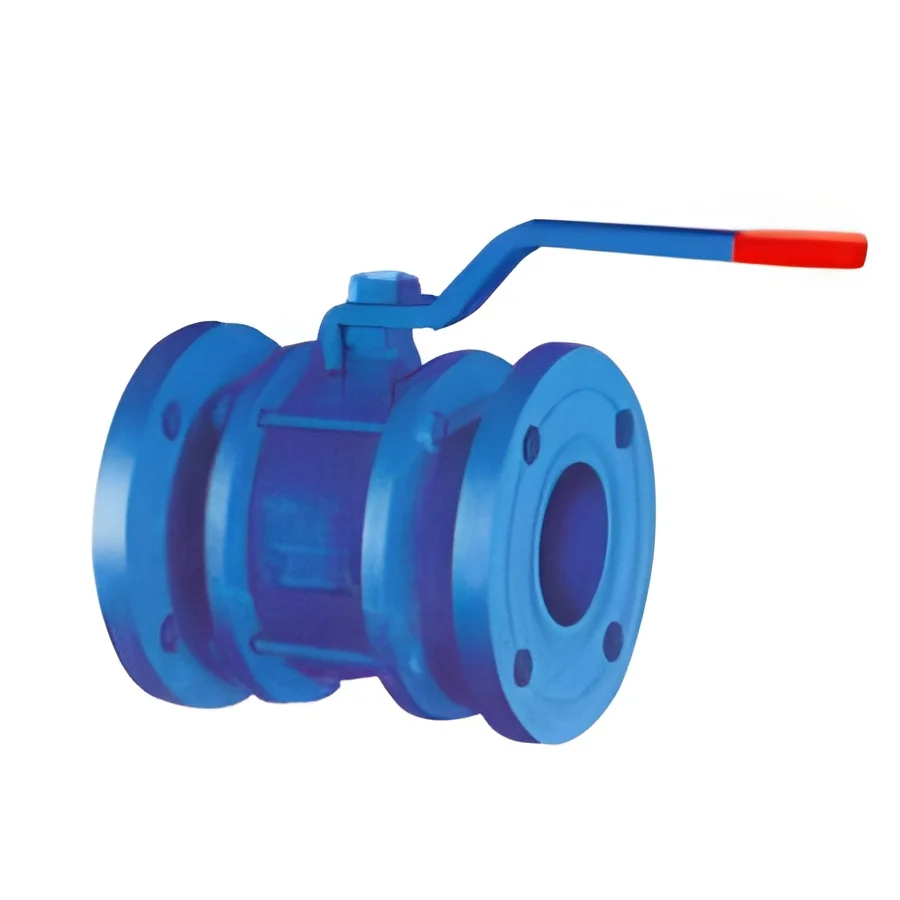
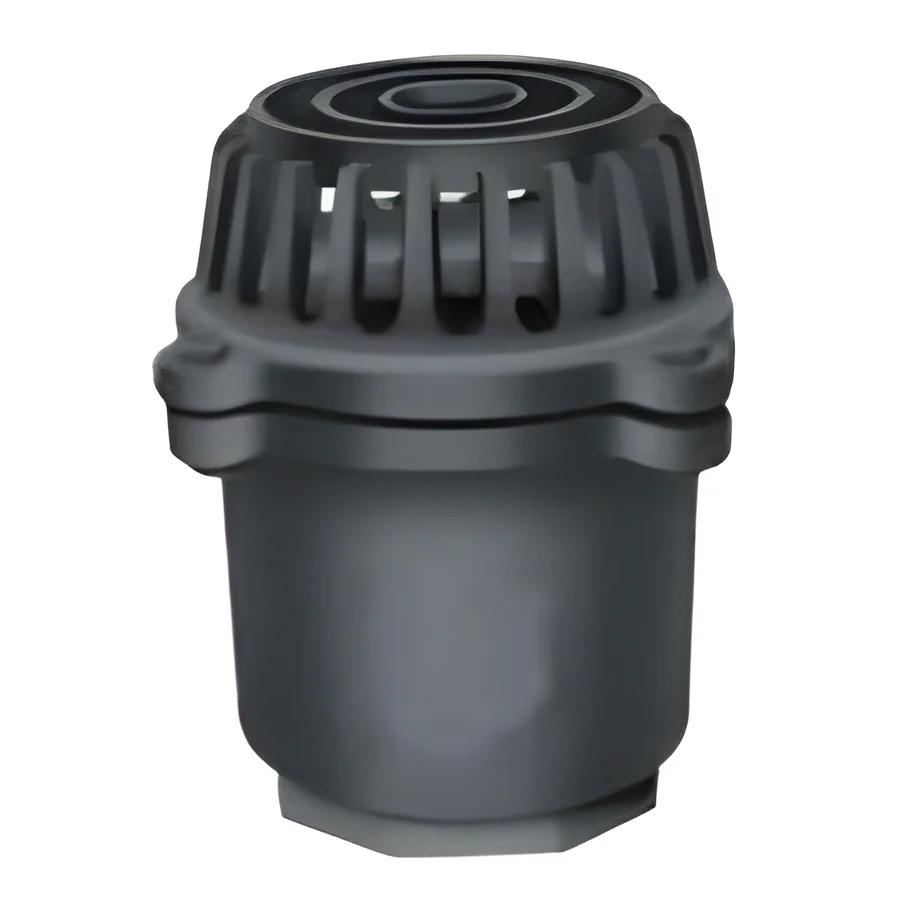
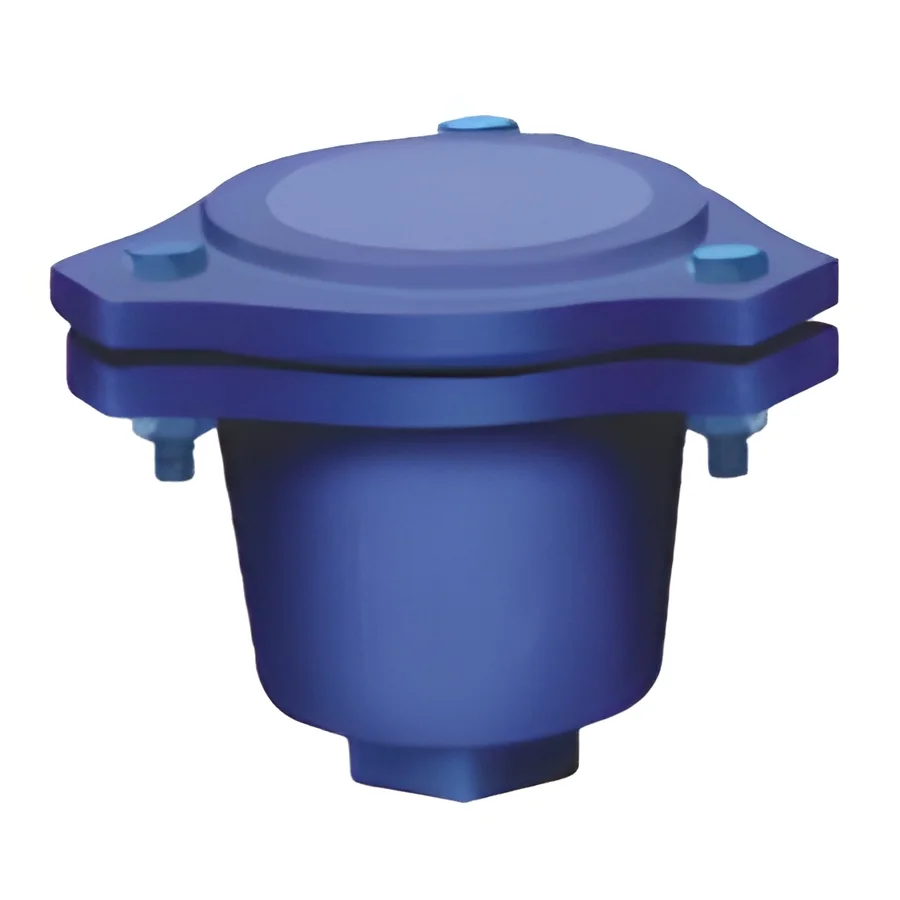
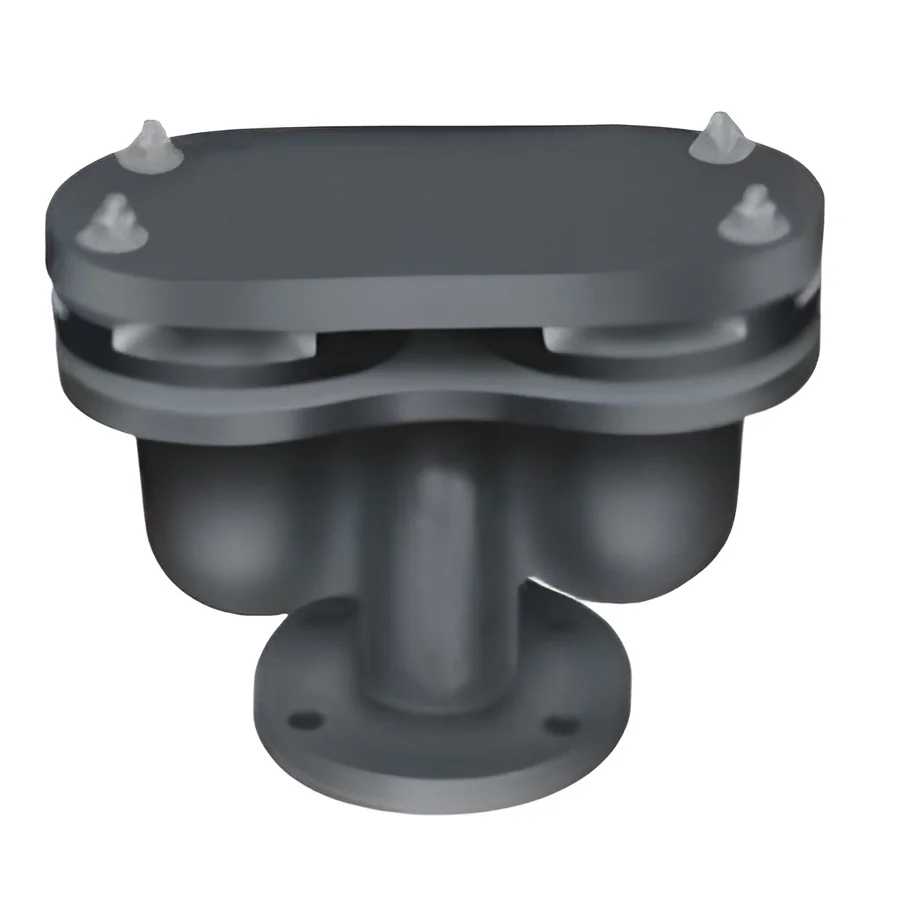
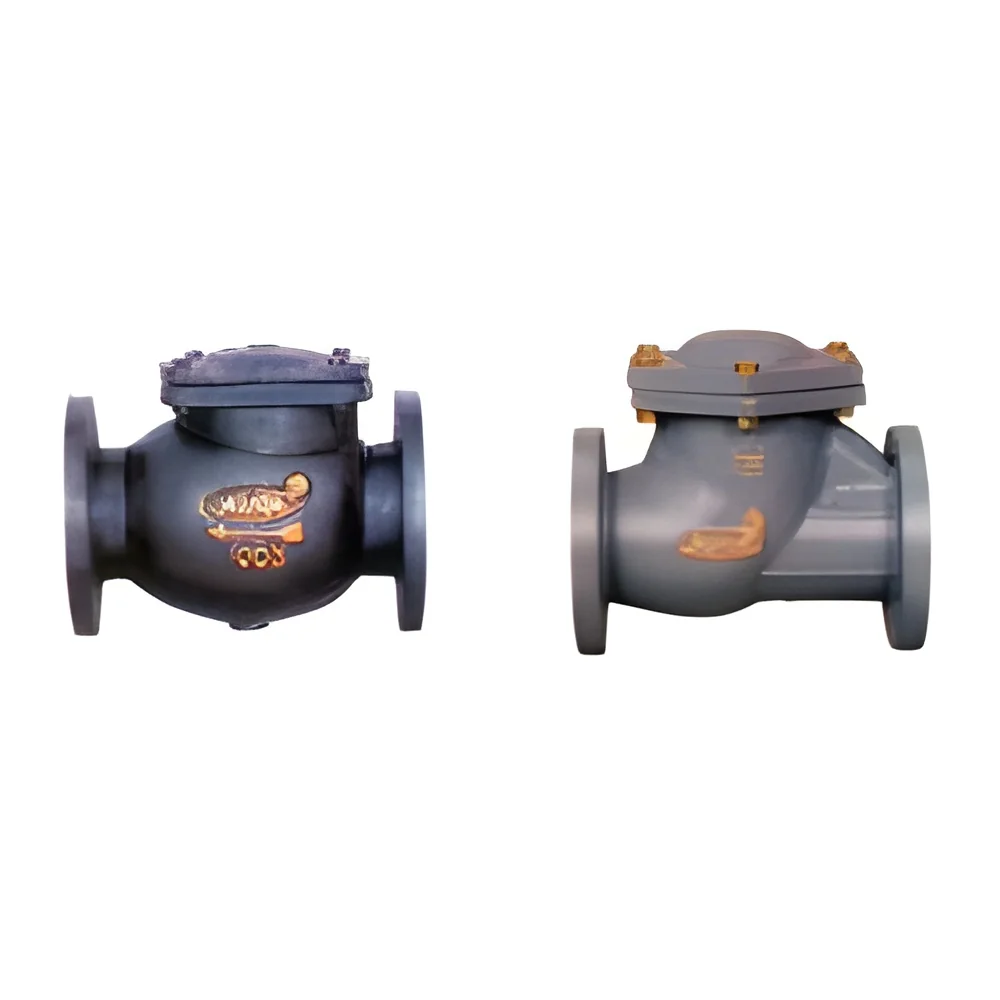
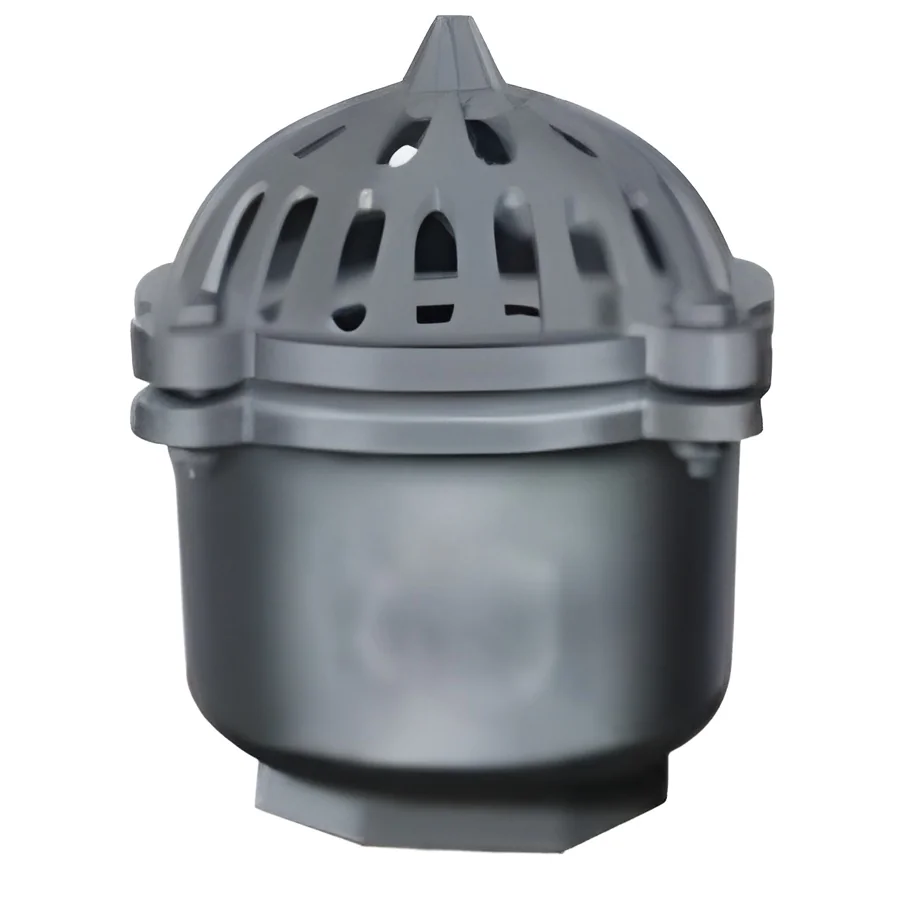
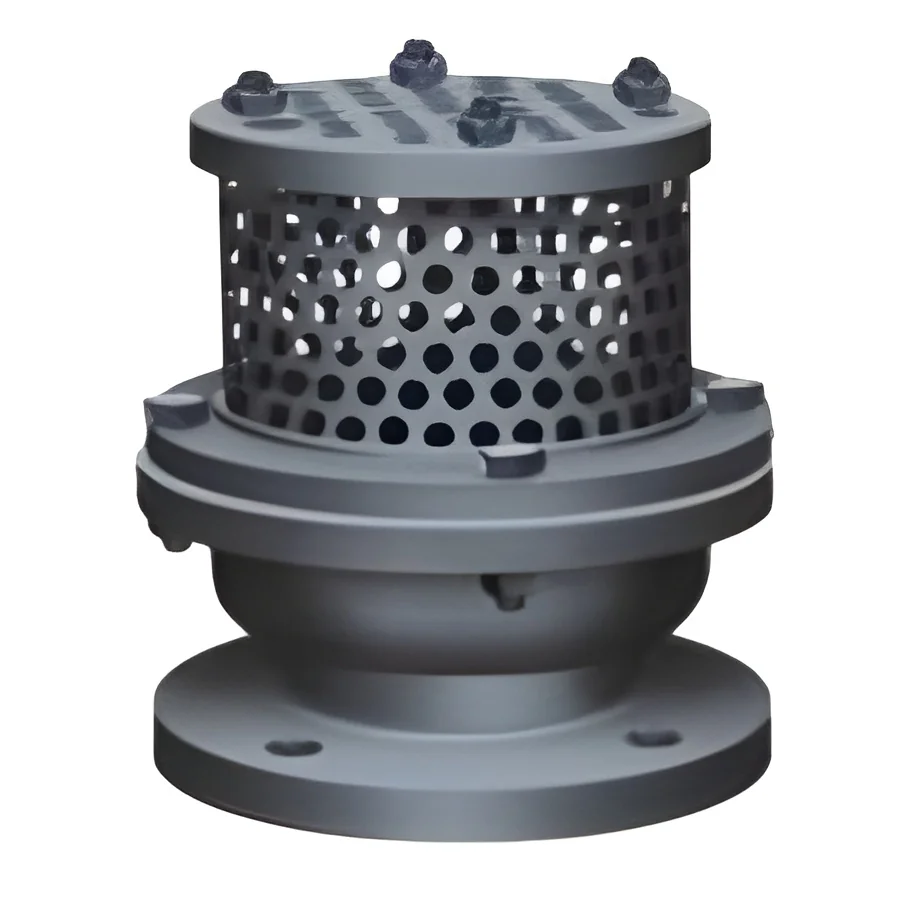
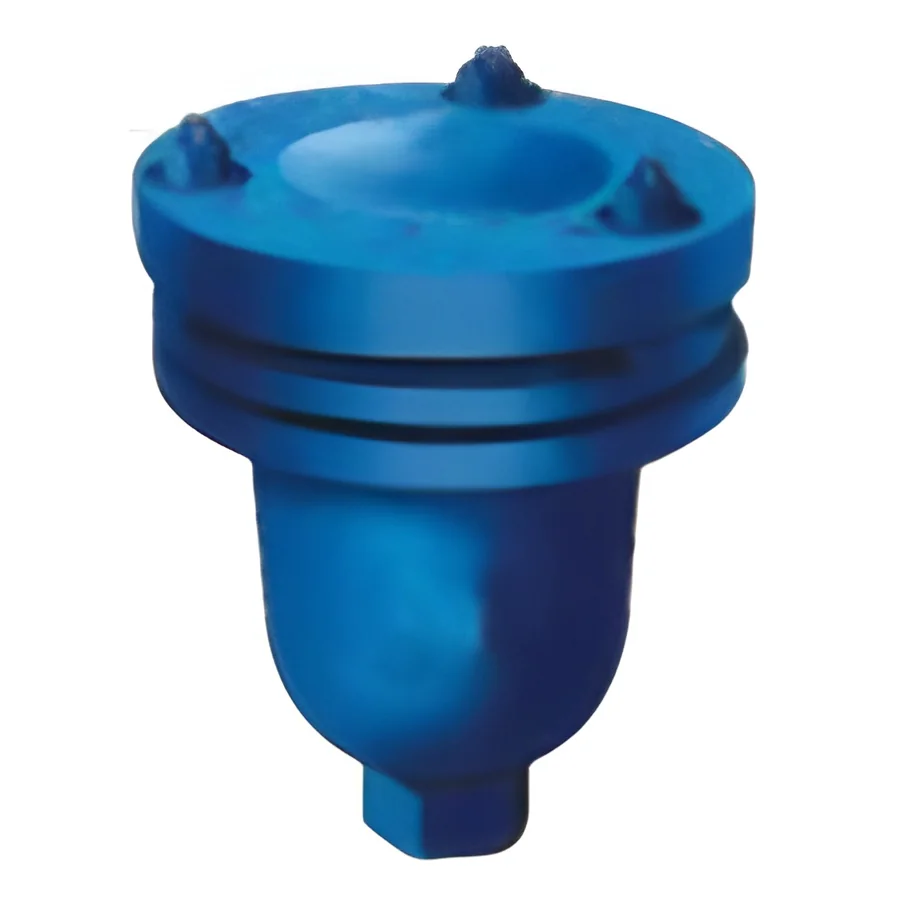
Industrial air valves are precision-engineered components designed to automatically manage air within fluid systems during filling and emptying operations. These valves perform the critical function of releasing trapped air that accumulates at pipeline high points during filling, preventing air locks that reduce flow efficiency and cause pressure drops. Conversely, during drainage operations, they admit air to prevent vacuum formation that could collapse pipes or damage system components. Manufactured to exacting standards, these valves ensure reliable performance in various pressure conditions and fluid types, making them indispensable for maintaining system efficiency and preventing operational disruptions in continuous industrial processes. Their design focuses on durability and consistent operation, providing reliable air management that protects entire fluid systems from air-related damage.

These air valves serve essential roles across multiple industries including municipal wate...
Industrial air valves are precision-engineered components designed to automatically manage air within fluid systems during filling and emptying operations. These valves perform the critical function of releasing trapped air that accumulates at pipeline high points during filling, preventing air locks that reduce flow efficiency and cause pressure drops. Conversely, during drainage operations, they admit air to prevent vacuum formation that could collapse pipes or damage system components. Manufactured to exacting standards, these valves ensure reliable performance in various pressure conditions and fluid types, making them indispensable for maintaining system efficiency and preventing operational disruptions in continuous industrial processes. Their design focuses on durability and consistent operation, providing reliable air management that protects entire fluid systems from air-related damage.

These air valves serve essential roles across multiple industries including municipal water supply networks, agricultural irrigation systems, wastewater treatment facilities, fire protection infrastructure, and industrial processing plants. In water distribution systems, they maintain consistent pressure and flow by eliminating air pockets that can cause efficiency losses. Irrigation systems rely on them for proper drainage and refill cycles, ensuring optimal water delivery to agricultural operations. Wastewater treatment plants utilize these valves in sludge and effluent lines to prevent air-related blockages and maintain processing efficiency. Fire protection systems depend on their immediate response to pressure changes, while industrial applications benefit from their ability to protect pumps and sensitive equipment from air-related damage in chemical, pharmaceutical, and manufacturing processes where fluid control is critical.

The business value of premium air valves lies in their ability to reduce maintenance costs, minimize system downtime, and extend equipment lifespan through reliable air management. These valves provide operational reliability through robust construction materials that resist corrosion and wear in demanding environments. Their design ensures long service life with minimal maintenance needs, delivering consistent return on investment through reduced operational interruptions and lower lifetime ownership costs compared to standard valves. The reliability factor translates directly to operational savings, as properly managed air in fluid systems prevents costly repairs, reduces energy consumption from pump inefficiencies, and maintains consistent production or service delivery without unexpected shutdowns.

Key Features:
- Extra heavy-duty construction for demanding industrial environments
- Available in screwed and flanged connections for flexible installation
- Size range from 1/2 inch to 4 inches to accommodate various pipeline specifications
- Single-acting operation for precise air release and admission control
- Corrosion-resistant materials ensure longevity in diverse fluid applications

Benefits:
- Prevents system damage by eliminating air pockets and vacuum conditions
- Reduces maintenance costs through durable construction and reliable operation
- Minimizes operational downtime by maintaining consistent fluid flow
- Extends equipment lifespan by protecting pumps and sensitive components
- Ensures safety in critical applications like fire protection systems
Specifications
| Additional Information | |
|---|---|
| Country of Origin | India |
Application
Industrial air valves are essential components in pipeline systems where air management directly impacts operational efficiency and safety. These valves automatically release accumulated air during filling operations and admit air during drainage, preventing vacuum formation and maintaining system integrity across water supply networks, irrigation systems, and industrial fluid transport applications. Their robust construction ensures reliable performance in demanding environments where pressure fluctuations and continuous operation require durable solutions that minimize maintenance needs and operational downtime across municipal, agricultural, and industrial settings.
These heavy-duty valves find essential usage in municipal water distribution, wastewater treatment plants, fire protection systems, and industrial processing facilities. They handle critical air management tasks that prevent system damage, maintain consistent pressure, and ensure proper fluid flow. The valves' design addresses common challenges like water hammer effects and corrosion, providing long-lasting performance that reduces total ownership costs while maintaining operational reliability in diverse fluid handling scenarios.
- Water distribution networks for releasing air pockets that restrict flow and cause pressure loss
- Irrigation systems to prevent vacuum formation during drainage and ensure proper emptying
- Wastewater treatment plants for efficient air management in sludge and effluent pipelines
- Fire protection systems to maintain proper pressure and flow during emergency operations
- Industrial processing facilities where precise fluid control prevents damage to pumps and equipment
Trade Details
| Available Stock | In Stock |
| Sample Availability | No |
Payment Terms
| Payment Terms |
|
Company Profile

Doshi Trading Co., Gujarat
 Gujarat, India
Industrial Equipment & Machinery•Trading Company•Distributor / Wholesaler
Factory Details
Factory SizeBelow 1000 sqm
Annual Production Capacity0
Main Markets
South Asia
Industrial Air Valves For Fluid Systems Efficient Release And Admission
Premium Industrial Air Valves ensure efficient air release and admission in fluid systems. Designed for reliability in water management, irrigation, and industrial applications with durable construction.
Min. Order Quantity: 1 unit
Shipping
Shipping fee and delivery date to be negotiated. Contact supplier now for more details.
Doshi Trading Co.
 Gujarat, India
Industrial Equipment & MachineryTrading Company