IN
IN₹
Apparel & Fashion
Loading subcategories...
View More
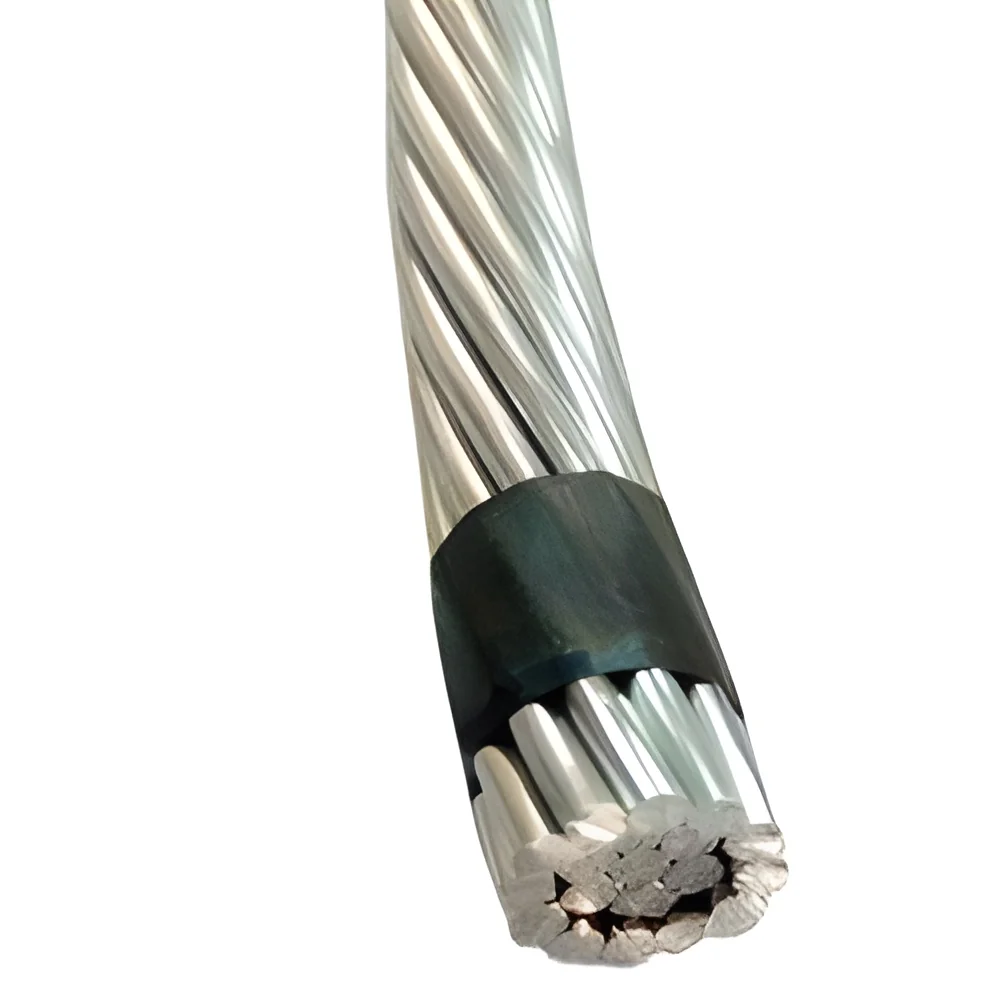
Description
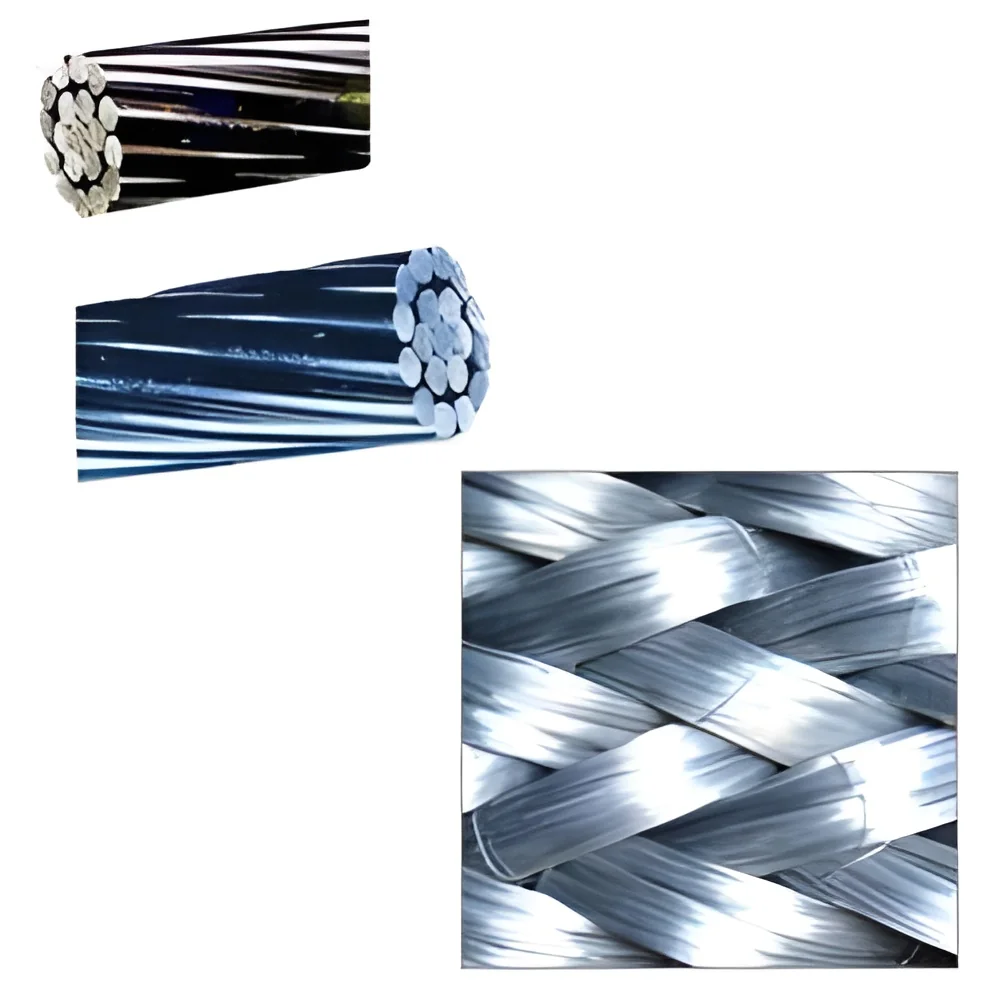
Premium AAC, AAAC, and ACSR overhead conductors represent advanced solutions for modern power transmission and distribution requirements. These conductors are manufactured using high-quality materials and precision engineering to ensure optimal performance in diverse operating conditions. AAC conductors provide excellent conductivity for general transmission applications, while AAAC conductors offer enhanced mechanical strength through aluminum alloy construction. ACSR conductors combine aluminum's conductivity with steel core reinforcement for superior tensile strength, making them ideal for longer spans and higher mechanical loads. Each type is designed to meet specific project requirements while maintaining consistent electrical performance and structural reliability across various environmental challenges.

These conductors serve critical roles across multiple industries and infrastructure projects. Utility companies deploy them for primary transmission networks connecting power ge...
Premium AAC, AAAC, and ACSR overhead conductors represent advanced solutions for modern power transmission and distribution requirements. These conductors are manufactured using high-quality materials and precision engineering to ensure optimal performance in diverse operating conditions. AAC conductors provide excellent conductivity for general transmission applications, while AAAC conductors offer enhanced mechanical strength through aluminum alloy construction. ACSR conductors combine aluminum's conductivity with steel core reinforcement for superior tensile strength, making them ideal for longer spans and higher mechanical loads. Each type is designed to meet specific project requirements while maintaining consistent electrical performance and structural reliability across various environmental challenges.

These conductors serve critical roles across multiple industries and infrastructure projects. Utility companies deploy them for primary transmission networks connecting power generation sources to distribution centers. Industrial facilities utilize them for dedicated power supply lines supporting manufacturing operations and heavy machinery. Renewable energy projects incorporate these conductors for connecting solar and wind farms to the main grid infrastructure. Transportation authorities rely on them for railway electrification systems, while urban development projects use them for expanding electrical distribution networks in growing communities. Their versatility makes them essential components in national energy security and infrastructure development initiatives requiring dependable power delivery.

The business value of these overhead conductors lies in their long-term reliability and operational efficiency. By minimizing power losses and reducing maintenance requirements, they deliver significant cost savings over their service life. Their corrosion-resistant properties ensure consistent performance even in challenging environmental conditions, reducing replacement frequency and associated downtime. The high tensile strength prevents sagging and structural failures, enhancing safety and operational continuity. These qualities make them a prudent investment for organizations prioritizing infrastructure resilience and predictable operational costs, while their compliance with international standards ensures compatibility with global best practices in power transmission engineering and installation.

Key Features:
- High tensile strength construction for mechanical durability and load capacity
- Superior corrosion resistance for extended service life in harsh environments
- Multiple conductor types including AAC, AAAC, and ACSR for varied applications
- Manufactured using premium quality raw materials from verified suppliers
- Compliance with international standards for electrical and mechanical performance

Benefits:
- Reduced maintenance requirements and lower lifetime operational costs
- Enhanced power transmission efficiency with minimal electrical losses
- Long service life with consistent performance in diverse environmental conditions
- Reliable operation under varying mechanical loads and weather exposure
- Compatibility with existing infrastructure and global technical standards
Specifications
| Additional Information | |
|---|---|
| Country of Origin | India |
| Customisable | No |
Application
Our AAC, AAAC, and ACSR overhead conductors are engineered for robust performance in demanding electrical transmission and distribution systems. They maintain structural integrity under high mechanical loads and environmental exposure, ensuring consistent power flow across diverse geographical conditions from coastal areas to industrial zones. These conductors support critical infrastructure projects requiring dependable electricity delivery with minimal maintenance and long-term operational reliability.
Utility companies, energy providers, and industrial operations rely on these conductors for both high-voltage transmission and local distribution networks. They are particularly valuable for projects demanding specific mechanical strength, conductivity, and durability parameters. Their design accommodates various span lengths and environmental challenges, making them suitable for upgrading existing infrastructure and developing new power transmission corridors across different terrains and climatic conditions.
- Overhead transmission lines for regional and national electricity grids
- Power distribution networks in urban and rural electrification projects
- Industrial power supply systems for manufacturing facilities and plants
- Renewable energy grid connections for solar farms and wind power projects
- Railway electrification systems and transportation infrastructure power lines
Trade Details
| Available Stock | In Stock |
| Sample Availability | No |
Payment Terms
| Payment Terms |
|
Company Profile
Vrushali Electrowell Pvt Ltd, Maharashtra
 Maharashtra, India
Maharashtra, IndiaElectronics & Electrical•Manufacturer•Distributor / Wholesaler•Retailer
Factory Details
Factory SizeBelow 1000 sqm
Annual Production Capacity0
Main Markets
South Asia
Premium AAC AAAC ACSR Overhead Conductors For Power Transmission
Premium AAC AAAC ACSR overhead conductors deliver reliable power transmission with high tensile strength and corrosion resistance for utility grids and industrial distribution networks.
Min. Order Quantity: 1 unit
Shipping
Shipping fee and delivery date to be negotiated. Contact supplier now for more details.
Vrushali Electrowell Pvt Ltd
 Maharashtra, India
Maharashtra, IndiaElectronics & ElectricalManufacturer