
 IN
INundefined
Similar Products

Description
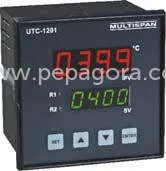
RD Automation temperature controllers represent precision engineering for industrial thermal management, designed to deliver reliable temperature control across diverse manufacturi...
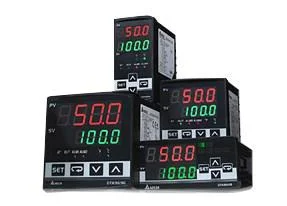
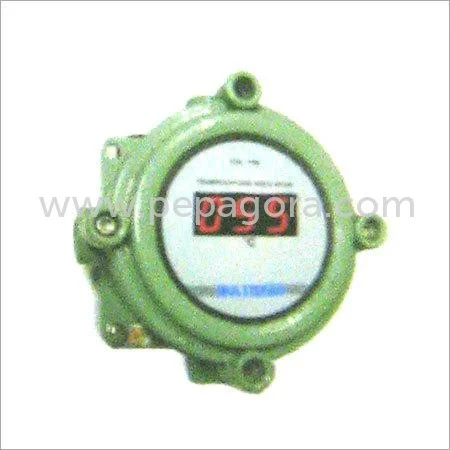
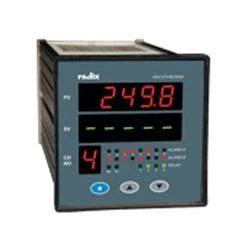
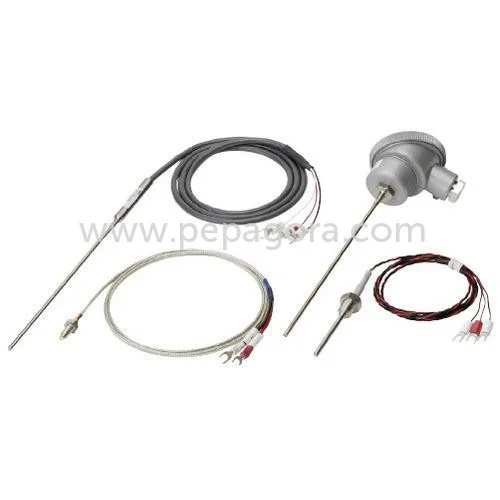
RD Automation temperature controllers represent precision engineering for industrial thermal management, designed to deliver reliable temperature control across diverse manufacturing and processing applications. These controllers feature advanced PID algorithms that automatically adjust to maintain setpoint temperatures with minimal deviation, ensuring consistent process conditions. Compatible with both thermocouple and RTD sensors, they offer flexibility for various industrial setups while supporting Modbus communication for seamless integration into automation networks. Built to international safety standards including CE and UL certifications, these controllers provide dependable performance in demanding environments where temperature stability directly impacts product quality and operational efficiency.

These temperature controllers serve critical functions across multiple industrial sectors where precise thermal control determines process success. In manufacturing environments, they regulate heating elements in plastic molding, metal treatment, and electronic assembly processes. Chemical and pharmaceutical industries rely on them for maintaining exact reaction temperatures during production. Food processing facilities utilize these controllers for pasteurization, cooking, and cooling operations where temperature accuracy affects both safety and quality. Energy management systems incorporate them for boiler control and heat distribution, while laboratory equipment depends on their precision for research and testing applications requiring stable thermal conditions.

The business value of these temperature controllers lies in their ability to enhance operational reliability while reducing energy consumption and minimizing product waste. Their fast response times and accurate PID auto-tuning capabilities ensure rapid system stabilization, reducing downtime between process changes. The standardized installation dimensions and multiple output type support simplify integration into existing systems, while Modbus compatibility enables centralized monitoring and control. These features combine to deliver consistent temperature management that improves product quality, increases production efficiency, and reduces maintenance requirements, providing long-term value through reliable performance and operational cost savings.

Key Features:
- Advanced PID control with auto-tuning for precise temperature regulation
- Compatibility with both thermocouple and RTD temperature sensors
- Modbus communication protocol support for system integration
- Multiple output types including relay, SSR, and voltage outputs
- CE and UL certified construction meeting international safety standards

Benefits:
- Enhanced process stability through accurate temperature maintenance
- Improved operational efficiency with fast system response times
- Reduced energy consumption via optimized heating and cooling cycles
- Simplified integration with standardized dimensions and communication protocols
- Increased product quality through consistent thermal management
Specifications
| Additional Information | |
|---|---|
| Country of Origin | India |
| Customisable | No |
Application
These temperature controllers are engineered for demanding industrial environments where consistent thermal management is critical. They handle diverse sensor inputs and communication protocols to maintain exact temperature parameters throughout production cycles.

From manufacturing lines to processing facilities, these controllers provide reliable performance across temperature-sensitive operations. Their robust design and precise control capabilities make them suitable for continuous operation in challenging industrial settings.

Real-world applications:
- Manufacturing assembly lines requiring precise heating or cooling during production processes
- HVAC systems in commercial and industrial facilities for climate control and energy efficiency
- Chemical processing plants maintaining specific reaction temperatures for product consistency
- Food processing and packaging operations ensuring proper temperature for safety and quality
- Laboratory testing equipment providing stable thermal environments for accurate measurements
Trade Details
| Available Stock | In stock |
| Sample Availability | No |
Payment Terms
| Payment Terms |
|
| Payment Methods |
|
Company Profile

RD Automation, Tamil Nadu Tamil Nadu, India
Tamil Nadu, IndiaIndustrial Equipment & Machinery•Manufacturer
Factory Details
Factory SizeBelow 1000 sqm
Temperature Controllers for Industrial Automation Applications
RD Automation temperature controllers deliver precise PID control with thermocouple/RTD compatibility and Modbus communication for industrial automation, ensuring process stability and operational efficiency across manufacturing applications.
Min. Order Quantity: 1 pieces
Shipping
Shipping fee and delivery date to be negotiated. Contact supplier now for more details.
RD Automation
 Tamil Nadu, India
Tamil Nadu, IndiaIndustrial Equipment & MachineryManufacturer