IN
IN₹
Apparel & Fashion
Loading subcategories...
View More
Description
Our professional metal stress relieving process represents a critical heat treatment solution designed to eliminate internal stresses accumulated during manufacturing operations. U...
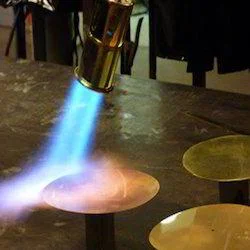
Our professional metal stress relieving process represents a critical heat treatment solution designed to eliminate internal stresses accumulated during manufacturing operations. Using controlled slow cooling methodology, this standardized process systematically reduces residual stresses that develop from welding, machining, forming, and casting processes. The treatment improves chemical homogeneity throughout the metal structure, creating more uniform material properties that enhance performance reliability. This precise thermal management ensures dimensional stability while preventing future component failures, making it an essential service for manufacturers requiring consistent metal performance.

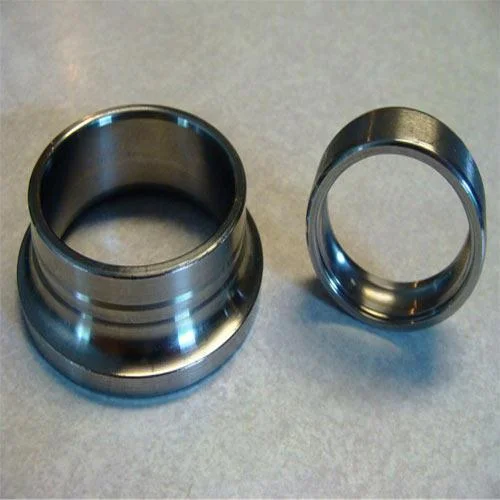
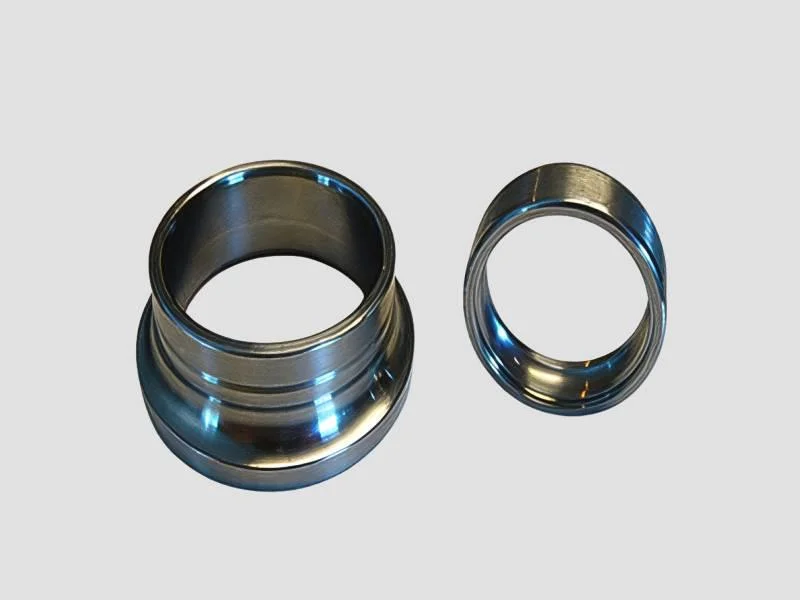
This stress relieving service serves multiple industrial sectors where metal component integrity directly impacts operational safety and product longevity. Automotive manufacturers utilize the process for engine components and transmission parts to prevent stress-related failures. Heavy machinery industries apply it to large welded structures and fabricated assemblies to maintain dimensional accuracy. Aerospace companies rely on stress relief for critical flight components, while energy sector manufacturers use it for pressure vessels and pipeline systems. The construction equipment industry benefits from treated structural components that withstand dynamic loading conditions without developing stress cracks.

The business value of our metal stress relieving service lies in its ability to enhance component reliability while reducing long-term maintenance costs. By systematically eliminating internal stresses, manufacturers achieve longer service life from their metal components and reduce warranty claims due to stress-related failures. Our qualified professionals supervise each treatment cycle, ensuring consistent results that meet industry standards. The process improves material workability for subsequent machining operations, reducing tool wear and production downtime. This reliability translates to better end-product performance and enhanced customer satisfaction across supply chains.

Key Features:
- Standardized metal stress relieving process
- Controlled slow cooling methodology
- Improved chemical homogeneity
- Professional supervision by qualified technicians
- Customizable treatment parameters

Benefits:
- Reduced internal stresses from manufacturing
- Enhanced dimensional stability
- Improved material performance reliability
- Extended component service life
- Better machinability for subsequent operations
Specifications
| Attribute | Value |
|---|---|
| Type | Metal Stress Relieving Process |
| Standard Or Non-Standard | Standard |
| Process | Slow Cooling |
| Price | Negotiable |
| Advantage | Improve Chemical Homogeneity |
| Service | With Customer Satisfaction |
| Additional Information | |
|---|---|
| Country of Origin | 106 |
| Customisable | No |
Application
Our metal stress relieving process is essential for manufacturing industries where internal stresses from fabrication processes compromise component integrity. This controlled heat treatment method systematically reduces residual stresses through precise temperature management and gradual cooling cycles, ensuring dimensional stability and preventing future failures in critical metal components across various industrial applications.

The slow cooling process specifically addresses stress concentrations created during welding, machining, forming, and casting operations. This method improves chemical homogeneity throughout the metal structure, creating more uniform material properties that enhance performance in demanding environments. Industries ranging from automotive to heavy machinery rely on this process to extend component lifespan and maintain operational safety standards. Real-world applications:
Real-world applications:
- Welded structure stabilization for pressure vessels and pipelines
- Machined component stress reduction in automotive parts manufacturing
- Casting stress relief for industrial machinery components
- Formed metal part treatment in aerospace manufacturing
- Tool and die stabilization for extended service life
Trade Details
| Available Stock | In Stock |
| Sample Availability | No |
Payment Terms
| Payment Terms |
|
Company Profile
Quantum Heat Treaters India Pvt. Ltd. , Tamil Nadu Tamil Nadu, India
Tamil Nadu, IndiaIndustrial Equipment & Machinery
Factory Details
Factory Size1000-5000 sqm
Annual Production Capacity0
Main Markets
Eastern Asia
South Asia
Southeast Asia
Industrial Metal Stress Relieving Service For Enhanced Component Performance
Professional metal stress relieving process using slow cooling to improve chemical homogeneity and reduce internal stresses. Ideal for manufacturing industries requiring precise metal treatment for enhanced material performance and reliability.
Min. Order Quantity: 1
Shipping
Shipping fee and delivery date to be negotiated. Contact supplier now for more details.
Quantum Heat Treaters India Pvt. Ltd. 
 Tamil Nadu, India
Tamil Nadu, IndiaIndustrial Equipment & Machinery