IN
IN₹
Apparel & Fashion
Loading subcategories...
View More
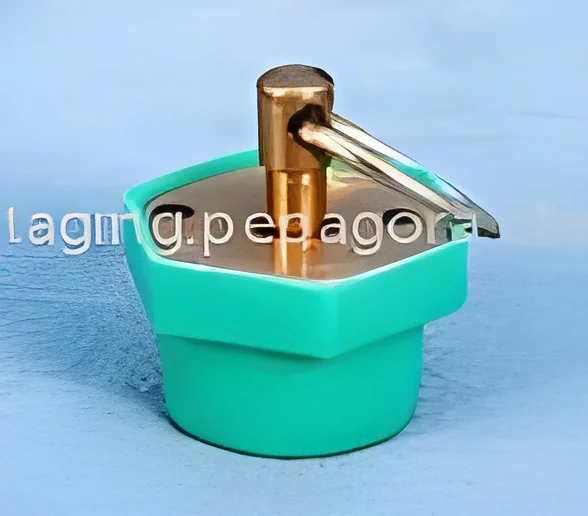
Description
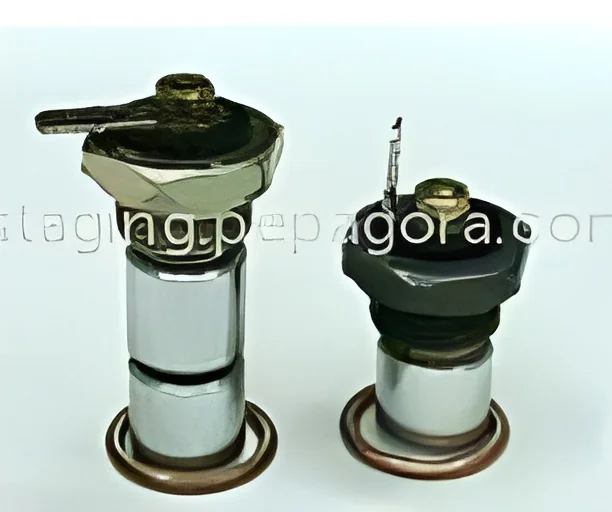
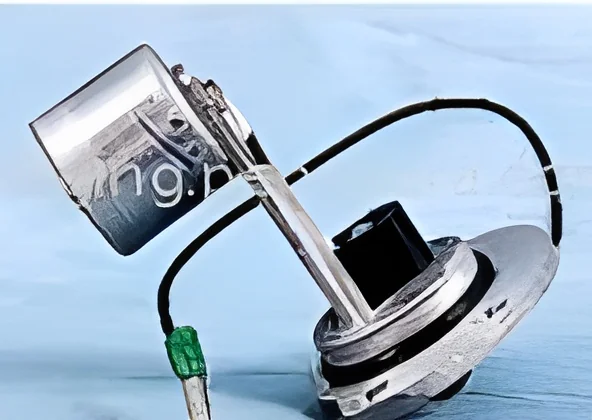
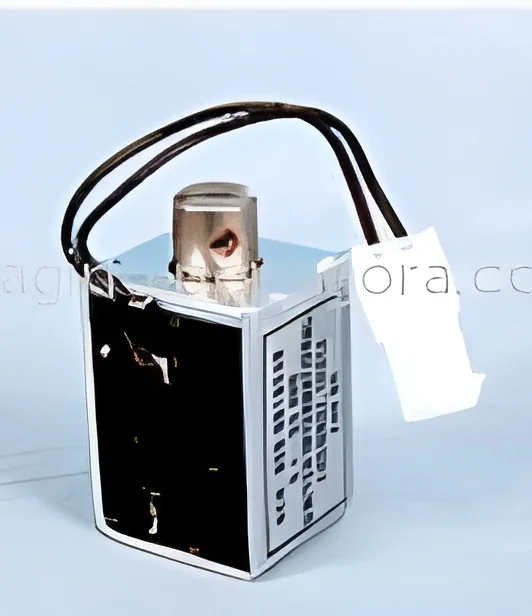
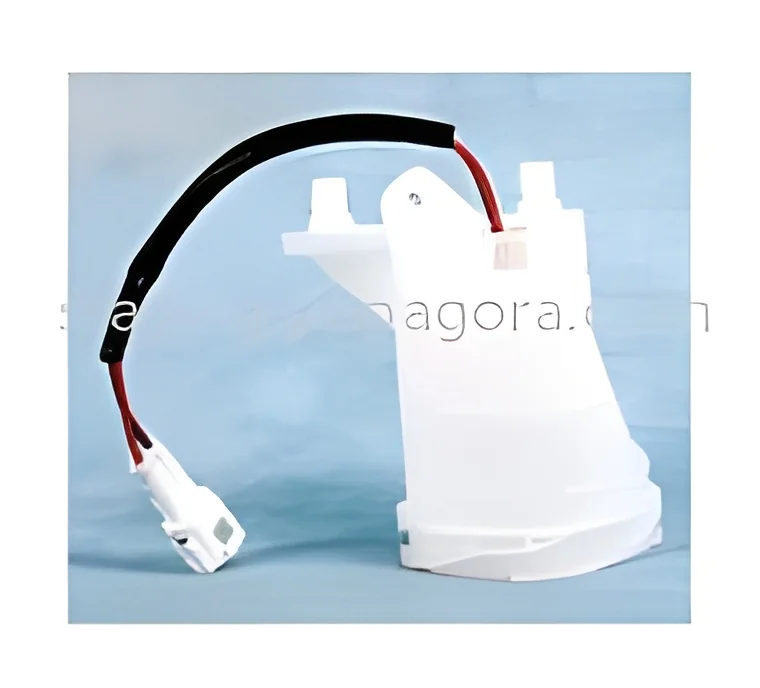
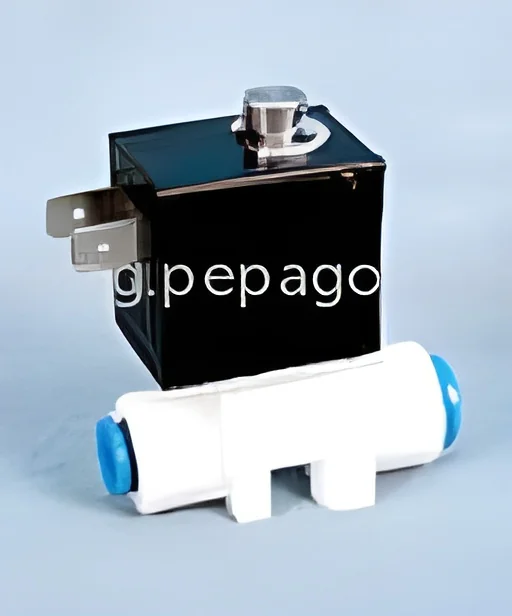
Drain valves are precision-engineered components designed for the safe, efficient, and controlled release of liquids from industrial systems. Constructed from high-quality materials like stainless steel, brass, and industrial-grade polymers, they offer exceptional durability and resistance to corrosion, wear, and high-pressure conditions. Available in manual, pneumatic, and electric actuation types, these valves provide flexibility to suit various operational needs, from simple manual drainage to automated process control. Their robust design ensures leak-free performance, preventing fluid spillage that could lead to safety hazards, environmental concerns, or production delays. By enabling predictable and contained fluid discharge, drain valves are a fundamental part of maintaining system integrity and operational continuity in fluid-handling applications. These valves are indispensable across a wide range of industries, each with unique demands for fluid management. In water and waste...
Drain valves are precision-engineered components designed for the safe, efficient, and controlled release of liquids from industrial systems. Constructed from high-quality materials like stainless steel, brass, and industrial-grade polymers, they offer exceptional durability and resistance to corrosion, wear, and high-pressure conditions. Available in manual, pneumatic, and electric actuation types, these valves provide flexibility to suit various operational needs, from simple manual drainage to automated process control. Their robust design ensures leak-free performance, preventing fluid spillage that could lead to safety hazards, environmental concerns, or production delays. By enabling predictable and contained fluid discharge, drain valves are a fundamental part of maintaining system integrity and operational continuity in fluid-handling applications. These valves are indispensable across a wide range of industries, each with unique demands for fluid management. In water and wastewater treatment, they are used for draining clarifiers, filter systems, and chemical tanks to support continuous treatment cycles. Chemical and pharmaceutical plants rely on them for handling aggressive substances, ensuring safe drainage from reactors and storage vessels while complying with stringent safety protocols. Manufacturing and automotive sectors utilize drain valves for machinery coolant systems, hydraulic units, and lubricant reservoirs to facilitate maintenance and prevent fluid-related breakdowns. HVAC and refrigeration applications depend on them for removing condensate from air handling units and chillers, protecting equipment from water damage. Their versatility also extends to food processing, where sanitary designs allow for easy cleaning and meet hygiene standards, ensuring product purity and operational efficiency. Investing in high-quality drain valves delivers significant business value by enhancing operational reliability, reducing maintenance costs, and minimizing downtime. Their leak-proof design and durable construction prevent costly fluid losses and avoid potential environmental fines or cleanup expenses. The availability of customization options—including material grades, sizes, and actuation methods—ensures a perfect fit for specific system requirements, optimizing performance and longevity. This reliability translates into fewer replacements and repairs, lowering total cost of ownership. By ensuring controlled and efficient fluid discharge, these valves help maintain consistent production flows, support workplace safety, and contribute to overall operational excellence, making them a smart, long-term investment for any fluid-handling operation.

Key Features:
- Constructed from corrosion-resistant materials like stainless steel, brass, or industrial polymers for long service life. - Available in manual, pneumatic, and electric actuation types to match diverse operational and automation needs. - Precision-engineered for leak-free performance, even under high-pressure and high-temperature conditions. - Customizable in size, connection type, and material specification to suit specific application requirements. - Easy to install and maintain, with designs that allow for quick inspection, cleaning, and part replacement.

Benefits:
- Prevents fluid spillage and environmental contamination, reducing safety risks and compliance issues. - Enhances operational efficiency by enabling fast, controlled drainage during maintenance and process cycles. - Reduces maintenance frequency and costs thanks to durable construction and reliable, long-lasting performance. - Supports system uptime by minimizing fluid-related disruptions and enabling scheduled drainage without halting operations. - Offers flexibility across industries with tailored solutions that meet unique fluid handling and hygiene standards.
Specifications
| Additional Information | |
|---|---|
| SKU | ECM-DV-01 |
| Country of Origin | 106 |
| Customisable | No |
Application
Our industrial drain valves are engineered for demanding environments where controlled fluid discharge is critical. They deliver reliable performance in water treatment facilities, chemical processing plants, manufacturing units, HVAC systems, and pipeline networks, ensuring operational safety and efficiency. Built to withstand corrosive chemicals, high pressures, and continuous use, these valves prevent leaks and uncontrolled releases. They are essential for routine maintenance, emergency drainage, and system flushing across diverse industries, helping businesses minimize downtime and adhere to strict safety standards. Real-world applications: - Water treatment plants: Safely drain sedimentation tanks, filter backwas
h systems, and chemical dosing lines to maintain water quality and process efficiency. - Chemical processing: Handle aggressive acids, solvents, and alkalis in reactors, storage tanks, and transfer lines with corrosion-resistant materials. - Manufacturing units: Enable efficient coolant and lubricant drainage from machinery, cutting equipment, and hydraulic systems to support uninterrupted production. - HVAC and refrigeration: Remove condensate from air handlers, chillers, and cooling coils to prevent water damage and maintain optimal system performance. - Food and beverage industry: Facilitate hygienic drainage from mixing vessels, pasteurizers, and storage tanks, meeting strict sanitation and compliance requirements.
Trade Details
| Available Stock | In Stock |
| Sample Availability | No |
Payment Terms
| Payment Terms |
|
Shipping & Logistics
| Shipping Internationally | - | |
| Methods | -- | |
| IncoTerms | -- | |
| Port of Dispatch | Chennai Port, Tamil Nadu, India | |
| Packaging Type | -- | |
| Units per Package | -- | |
| Barcode / HSN / GTIN / UPC | -- | |
| Dispatch Lead time | -- |
Company Profile
Electromags,A Division Of The Bombay Burmah Tradingn Corporation Limited), Tamil Nadu
 Tamil Nadu, India
Tamil Nadu, IndiaIndustrial Equipment & Machinery•Manufacturer
Factory Details
Factory SizeBelow 1000 sqm
Annual Production Capacity0
SKU: ECM-DV-01
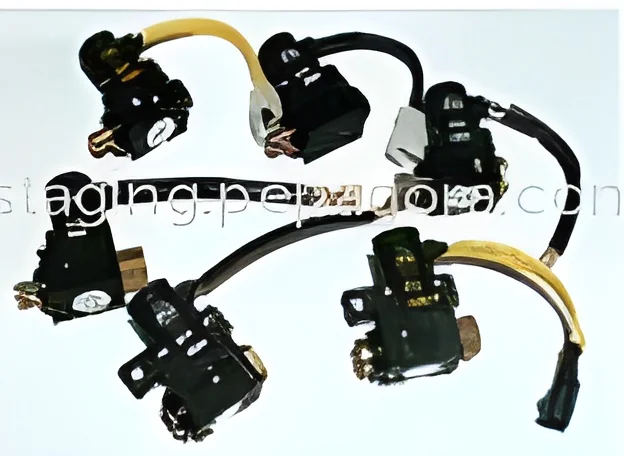
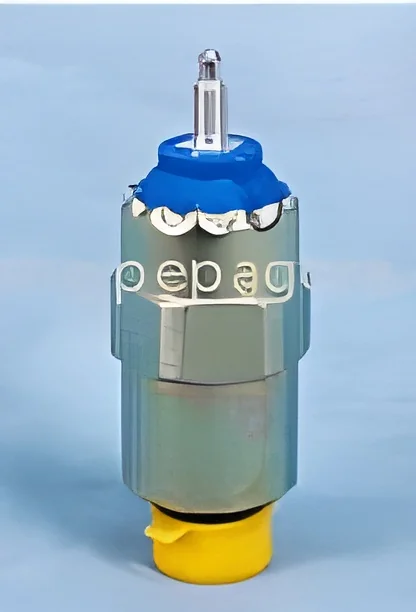
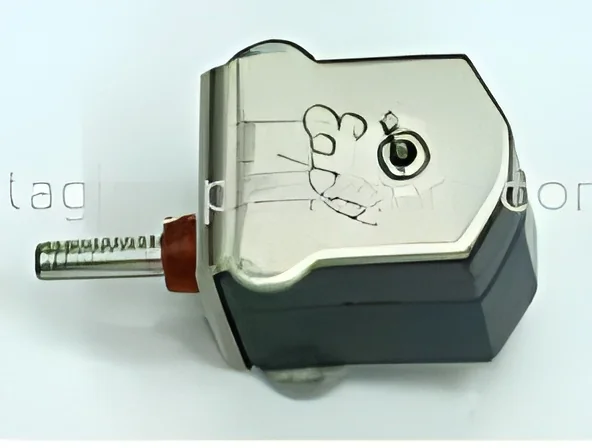
Drain Valve
Premium drain valves for industrial fluid control in tanks, pipelines, and machinery. Ensure safe, efficient liquid discharge, prevent spills, and maintain operational reliability for water treatment, chemical, and manufacturing sectors.
Min. Order Quantity: 5 Unit
Shipping
Shipping fee and delivery date to be negotiated. Contact supplier now for more details.
Electromags,A Division Of The Bombay Burmah Tradingn Corporation Limited)
 Tamil Nadu, India
Tamil Nadu, IndiaIndustrial Equipment & MachineryManufacturer